Understanding the Diet of Islam: A Practical Guide to Halal Nutrition
The phrase Diet of Islam often conjures visions of distinct foods, rules, and rituals. Yet at its heart lies a simple, powerful idea: nourishment that honors faith, health, human dignity, and the Earth. This article offers a practical, narrative-driven map for readers who want to live a life that respects Halal standards, embraces Tayyib quality, and promotes balanced living. While the term Islamic diet or Muslim diet is commonly used, the underlying intention is to align daily choices with a holistic sense of cleanliness, gratitude, and stewardship. Whether you are new to these concepts or seeking to refine them, the following sections present a comprehensive guide to halal nutrition that you can apply in a busy modern life.
In many cultures, meals are not merely fuel; they are occasions for connection, mercy, and reflection. The Diet of Islam channels that spirit into practical actions—choosing items that are permissible, preparing and storing them with care, and sharing food in a way that respects others. This guide uses a practical lens: how to plan, shop, cook, and eat in ways that are faithful to Islamic principles while supporting long-term health and well-being.
Foundations: Halal, Haram, and Tayyib
Understanding the core vocabulary helps to articulate how Islamic dietary practices work in everyday life. Three concepts recur in discussions about nutrition: Halal, Haram, and Tayyib.
Halal means permissible. In food terms, it refers to ingredients, processing, and preparation that comply with Islamic law.
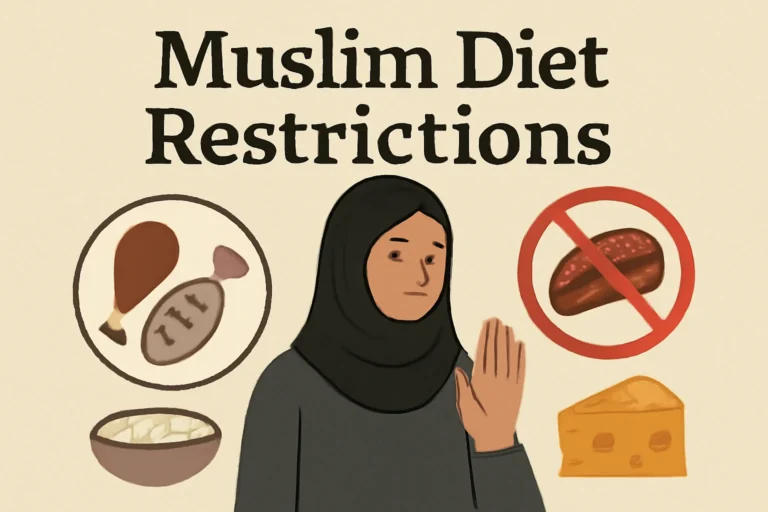
Haram signifies forbidden. This includes pork and its by-products, alcohol, intoxicants, improperly slaughtered animals, and any food prepared with forbidden ingredients.
Tayyib conveys wholesomeness, purity, and goodness. It extends beyond legality to considerations of freshness, safety, ethical sourcing, environmental stewardship, and nourishment that fosters vitality.
Many readers encounter the idea that Halal is simply about permissible meat. In truth, a complete Islamic dietary framework also emphasizes humane treatment of animals, ethical sourcing, cleanliness, and mindful consumption. The combination of these elements yields a balanced diet that respects both spiritual obligations and physical health.
What qualifies as halal in practice?
In practice, halal food must come from sources that are allowed and prepared in a manner consistent with Islamic law. This typically includes:
Meat from animals slaughtered according to Zabiha or other recognized halal methods.
Seafood, by most interpretations, is broadly considered halal; some schools emphasize particular distinctions, while others accept all fish and shellfish.
Plant-based foods and grains, dairy products, and eggs, provided they do not contain forbidden additives or cross-contamination with haram substances.
Foods free from alcohol and from animal by-products derived from haram sources.
It is important to recognize that halal certification can vary by country and producer. When in doubt, look for clear labeling, contact manufacturers for ingredient lists, and consider trusted local halal authorities. The goal is to achieve confidence in every bite while maintaining the flexibility needed by modern life.
Ramadan and Seasonal Eating: Fasting, Suhoor, and Iftar
One of the most distinctive periods in the Islamic dietary experience is the holy month of Ramadan, when daily fasting from dawn until sunset shapes both appetite and discipline. The practice is not simply abstinence; it is a spiritual and physical preparation that can refine taste, digestion, and gratitude.
Fasting as a nourishment practice
During Ramadan, Muslims abstain from food and drink from fajr (pre-dawn) to maghrib (sunset). This caloric window invites thoughtful planning:
Focus on slow-dasting, nutrient-dense meals that provide steady energy.
Schedule hydration during the non-fasting hours to optimize hydration without discomfort.
Balance portions to avoid excessive heaviness that can hinder performance in the late day.
Outside Ramadan, the Muslim diet remains mindful of timing and portion control, aligning with daily routines and energy needs. The two key meals surrounding fasting—Suhoor (pre-dawn meal) and Iftar (evening meal)—offer opportunities to practice moderation, gratitude, and mindful eating.
Practical guidance for Suhoor and Iftar
To support sustained energy, many people favor:
Complex carbohydrates (whole grains, oats, legumes) for slow energy release.
Protein sources (eggs, yogurt, lean meats, plant-based proteins) to sustain fullness and muscle health.
Hydration strategies, including water and electrolyte-rich beverages when appropriate.
Fruits and vegetables for vitamins, minerals, and fiber.
Limited added sugars and highly processed foods to prevent energy crashes.
In the Islamic diet, nourishment in Ramadan is also a chance to practice appreciation for the means by which food is produced, prepared, and shared. The spirit of Tayyib—clean, wholesome, and nourishing—shines through in these meals when we prioritize quality and balance.
Practical Guidelines for Everyday Eating
Beyond special periods, a practical Islamic dietary plan emphasizes consistency, balance, and flexibility. Here are actionable strategies you can apply in daily life to honor the Diet of Islam in a modern context.
Plan, shop, and cook with purpose
A simple framework helps ensure that meals are halal, healthy, and convenient:
Plan your week with a theme-driven approach (protein-forward days, vegetarian days, seafood days, etc.).
Shop with a halal checklist: primary protein sources, fresh produce, whole grains, and low-fat dairy options.
Cook using lean methods (grilling, steaming, baking) and limit frying to occasional treats.
Prepare ingredients in batches to reduce waste and save time on busy days.
In this approach, the halal nutrition becomes less about deprivation and more about thoughtful variety. Embracing a broad range of colors, textures, and flavors helps ensure you receive a spectrum of nutrients while keeping meals enjoyable.
Building a halal and balanced plate
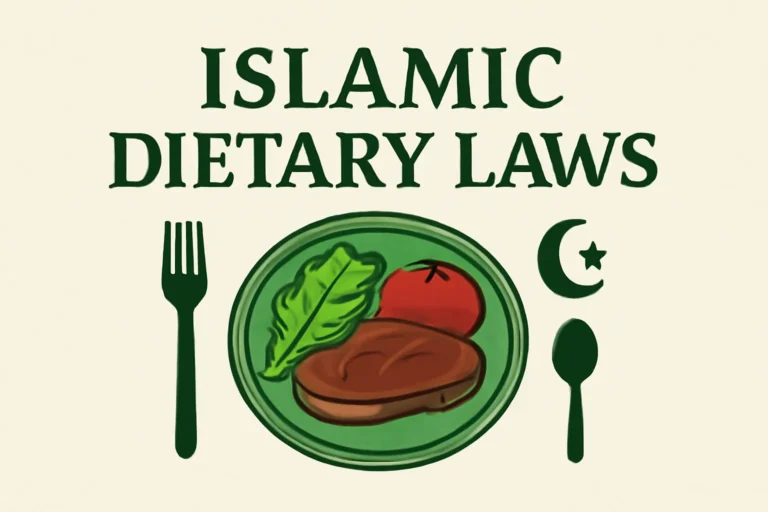
A practical plate model for everyday meals:
Half the plate: vegetables and fruits, emphasizing seasonal picks for freshness and flavor.
One quarter: lean protein, such as poultry, fish, beans, or lentils (all halal when sourced accordingly).
One quarter: whole grains or starchy vegetables (brown rice, quinoa, sweet potatoes, whole-wheat pasta).
Healthy fats in moderation (olive oil, nuts, seeds, avocado).
Limit refined sugars and highly processed items; prioritize natural sweetness from fruits.
In addition, it helps to stay mindful of cleanliness and purity during food preparation. Contamination with haram substances, cross-contact with utensils, and improper storage can undermine the integrity of a halal diet. Keeping dedicated utensils, containers, and preparation spaces for halal foods is a practical safeguard in mixed kitchen environments.
In today’s global marketplace, foods often contain long ingredient lists and additives. A key skill for maintaining the Islamic dietary framework is learning to read labels and recognize potential haram ingredients. Common areas of attention include:
Pork-derived ingredients or by-products (gelatin, lard, certain enzymes).
Alcohol or alcohol-derived flavors, solvents, or tinctures.
Rennet and coagulants of non-halal origin in cheeses and spreads.
Processed meats and by-products that may have been consented to in non-halal ways.
Cross-contamination risk in processing facilities; some products may carry halal certification but be produced in shared facilities.
Tip: when possible, choose products with explicit halal certification, read the ingredient list carefully, and contact manufacturers for confirmation. For items without certification, rely on trusted brands with a proven track record in halal compliance, and consult local authorities or scholars if you have questions about specific additives or processing methods.
Hydration, Supplements, and Wellness
Hydration is a basic, practical aspect of the Muslim diet. Clear, clean water should be the primary source of hydration, with beverages chosen to support health and avoid excessive sugar or alcohol content. In addition to water, some people enjoy natural beverages such as unsweetened tea, infused water, or dairy-based drinks that fit within halal guidelines.
Supplements can play a role in certain situations, such as pregnancy, aging, or dietary restrictions. When considering supplements, factors to evaluate include:
Is the supplement halal-certified?
Are the ingredients derived from permissible sources?
Is there potential for cross-contamination with haram substances?
Do you have a medical reason or dietary gap that warrants supplementation?
In the broader sense, the Islamic diet supports wellness goals by emphasizing whole foods, moderation, and consistency. A healthy approach aligns with the idea of Tayyib nutrition—foods that are wholesome, nourishing, and beneficial for the body and spirit.
Eating Out and Social Contexts
In public or social settings, maintaining halal choices can require careful planning and tact. The Islamic dietary framework supports practical strategies for eating out, attending events, and hosting meals while staying true to beliefs.
Strategies for dining away from home
Call ahead to confirm the halal status of dishes and ingredients.
Ask about cooking methods to avoid cross-contamination with haram substances.
Choose restaurants with clear halal menus or those that openly label halal options.
When uncertain, opt for plant-based dishes or sides consisting of vegetables, legumes, and grains.
Follow your judgment and share your needs politely but firmly with hosts or staff.
Adopting these habits helps maintain the integrity of the Diet of Islam in diverse contexts. It also fosters respectful dialogue about faith, food, and cultural identity.
Special Contexts: Children, Pregnancy, and the Elderly
Dietary considerations vary across life stages. The principles of halal nutrition apply to everyone, but additional guidance may be needed for specific populations to ensure adequate nutrients and safety.
Children and youth
Growth demands a wide range of nutrients. Practical tips include:
Encourage a variety of fruits, vegetables, whole grains, and lean proteins.
Limit highly sweetened snacks; offer fruit-based desserts or yogurt with fresh fruit.
Use family meals as a chance to model healthy eating behaviors and gratitude for sustenance.
Pregnancy and lactation
During pregnancy and breastfeeding, nutrient needs increase. The halal diet emphasizes:
Adequate iron, calcium, folate, and protein intake from halal sources.
Balanced meal planning to support fetal development and maternal health.
Hydration and avoidance of substances that could harm the fetus, in line with religious guidance.
Older adults may benefit from meals that are easier to chew and digest, while still adhering to halal principles. Focus on:
Fiber-rich foods for digestive health.
Bone-supporting nutrients, such as calcium and vitamin D, where appropriate.
Hydration and manageable portions to maintain energy and prevent fatigue.
Common Myths and Misconceptions
As with many cultural frameworks, myths can cloud understanding of the Islamic diet. Clarifying these misconceptions helps ensure respectful, accurate practice.
All seafood is halal. Most traditions accept seafood as halal, though some scholars disagree on specific species. Always check local guidance if you have questions.
Halal certification equals perfect adherence. Certification helps, but personal diligence in reading labels and avoiding cross-contamination remains essential.
Halal means just meat rules. The Tayyib dimension extends to cleanliness, ethical sourcing, freshness, and environmental mindfulness.
All alcohol-free products are halal. Some ingredients may be derived from fermentation processes or other routes that require scrutiny for halal compliance.
Beyond Food: Mindful Living and Spiritual Nutrition
The Diet of Islam integrates spiritual awareness with physical nourishment. Mindful eating—taking time to reflect on gratitude, the source of sustenance, and the act of sharing meals—complements the nutritional aspects of a halal lifestyle.
Engage in practices that support overall well-being, such as:
Gratitude before meals and sharing with others in need or guests.
Moderation in portions to prevent waste and support sustained energy.
Environmental stewardship in cooking and shopping, including reducing food waste and choosing sustainable, halal options.
Awareness of social justice in food systems, such as fair wages, humane animal treatment, and responsible farming.
Putting It All Together: A Personal, Flexible Approach
Adopting Diet of Islam principles is not about rigid rules or perfection. It is about cultivating a practical, ethical, and enjoyable approach to nourishment that honors faith and health. Here are final reflections to help you implement the guide in your life:
Identify your priorities: halal integrity, nourishment, convenience, and cost. Balance these as circumstances change.
Build a toolkit of reliable staples: halal proteins, legumes, whole grains, vegetables, and fruit. Keep halal-certified pantry items accessible.
Develop ritual around meals: say blessings, chew slowly, and appreciate the labor behind food—farmers, cooks, and animals alike.
Educate your household, especially children, about halal choices and the reasoning behind them. Shared knowledge strengthens practice.
Seek community resources: local halal markets, prayer spaces with nutrition talks, or halal-certified restaurants that you trust.
Conclusion: The Practical Essence of the Islamic Dietary Framework
The Islamic diet is a practical guide to nourishment that honors divine guidance, human health, and communal responsibility. By embracing the core ideas of Halal, Haram, and Tayyib, and by applying everyday strategies for planning, cooking, and sharing meals, you can cultivate a lifestyle that sustains both body and spirit. Whether you describe it as the Diet of Islam, the Islamic diet, or the Muslim diet, the essential aim remains the same: to eat well, live well, and give thanks for the sustenance that sustains life. Through mindful choices, thoughtful preparation, and a sense of stewardship, halal nutrition becomes a practical pathway to wellbeing, faith, and community—the very heart of a living, breathing Diet of Islam.





Deja una respuesta