What Makes a Food Halal: A Practical Guide to Halal Certification
What Makes a Food Halal: A Practical Guide to Halal Certification
Exploring what makes a food halal is a practical journey through religious guidelines, food science, supply chains, and everyday decision making. This article offers a comprehensive, plain‑language guide to halal certification, what certification covers, and how consumers, manufacturers, and service providers can navigate the landscape with confidence. You will encounter a range of terms—some technical, some logistical—that describe the pathways by which a product earns and maintains its halal status. The goal is not only to identify halal products but also to understand the processes and controls that protect that status from farm to fork.
In its simplest form, halal means permissible under Islamic law. But in practice, halal describes a holistic standard that touches every stage of production and handling. A halal product is one that Muslims may eat and drink without violating prohibitions, provided that the underlying sources, processing methods, and handling practices align with religious guidelines. This extends beyond choosing pork‑free ingredients; it includes how animals are slaughtered, the types of processing aids used, the compatibility of packaging and storage, and the cleanliness and avoidance of cross‑contamination with non‑halal materials.
To capture the breadth of halal, you will hear several phrases that describe sets of requirements. Some of the most important ones include what makes a meat product halal, halal by ingredient, halal by processing method, halal by facility and equipment, and halal by traceability and documentation. Each dimension contributes to a trustworthy conclusion about whether a given food item can be considered halal for an informed consumer.
Core components of halal certification
Halal certification is a formal process carried out by accredited bodies. The certification acknowledges that a product or a brand meets a defined set of standards. The standards typically cover five broad areas. Below, each area is expanded with practical detail and examples.
Ingredient sources and permitted substances
The source of every ingredient matters. Halal certification evaluates not only the main ingredients but also processing aids, additives, flavorings, and any enabling substances used during production. For example, the use of gelatin can be halal if it comes from a permissible source (such as halal‑slaughtered animals or fish) and is processed in a way that maintains halal integrity. Conversely, gelatin derived from porcine sources is typically haram and would require either substitution or explicit certification that the product remains halal after processing.
Evaluate common animal‑based ingredients (gelatin, rennet, enzymes) for source clarification.
Consider plant‑based or microbial alternatives when possible, which often simplify halal compliance.
Be aware of kosher vs. halal crosses; while some ingredients may be acceptable in both traditions, certifications differ and must be verified for halal status.
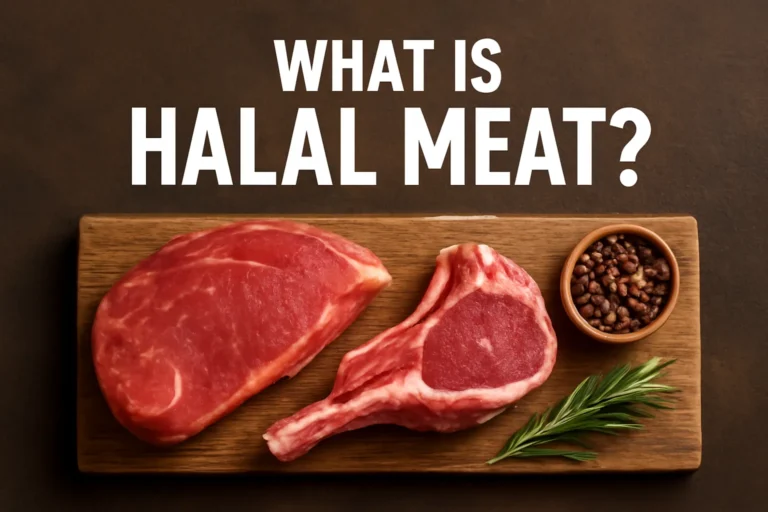
Meat and slaughter: the process of dhabiha
When the product includes meat, the slaughter method and subsequent handling are central to halal status. The traditional rule centers on dhabiha (slaughter in the name of Allah, with swift, humane cutting of the throat and the draining of blood) conducted by a sane, adult Muslim who recites a blessing. It is essential for the meat to come from an animal that is healthy at the time of slaughter. Halal certification extends to ensuring that the meat is free from carrion and blood and that the slaughter process is conducted in a manner that minimizes suffering and preserves the dignity of the animal.
Practical considerations include that the slaughter facility may be dedicated to halal production or operate under strict separation from non‑halal lines. Certification bodies assess whether equipment is cleaned and sanitized to prevent cross‑contamination and verify that the rescission of non‑halal processes occurs in a controlled environment.
Processing facilities, equipment, and cross‑contamination controls
Even if all ingredients are halal, facility design and equipment controls play a critical role. Halal certification requires evidence of effective cleaning protocols, separate or thoroughly sanitized lines for halal products, and documented procedures to avoid cross‑contamination with haram substances. Airflow, storage, and handling practices also matter because dust, residue, or shared equipment can contaminate halal products.
Dedicated halal lines or robust sanitation validation between batches.
Clear labeling and traceability that show the path of each ingredient from supplier to finished product.
Protocols for non‑food contact surfaces that may carry non‑halal residues.
Packaging, labeling, and storage
Packaging and labeling must communicate the halal status and the scope of certification. A product might be halal for a specific market or production line, or its entire brand might carry the halal certificate. Certification bodies require that packaging be tamper‑evident and that the storage conditions maintain halal integrity, preventing contact with non‑halal goods or substances that could compromise the product.
Clear labeling can help consumers verify the product’s certification. Some products carry a logo from a recognized halal certifier along with a certificate number or scope description. While logos are helpful, they should be backed by official documentation accessible to consumers on request or online. This documentation bridges the gap between a branded claim and a verifiable standard.
Processing aids, additives, and permissible methods
Processing aids (such as solvents, carriers, or thinning agents) and additives must be evaluated for halal compliance. Even if not present in the final product, some processing aids contact the product and can affect its halal status if they derive from haram sources or are combined with haram substances. Certification offices typically require:
Full supplier declarations showing the halal status of each processing aid.
Evidence that enzymes, yeasts, or other agents are sourced from permissible origins.
Consideration of emulsifiers, stabilizers, and colors that may have non‑halal components.
In practice, this means that a product’s halal status is only as strong as the weakest link in the chain. Certification bodies audit the entire supply chain to confirm there are no hidden non‑halal ingredients or processes that could undermine the product’s halal integrity.
Certification and the audit process: how halal status is earned and maintained
Halal certification is a formal endorsement that a product or facility meets a defined standard. The process typically involves applications, document review, on‑site inspections, and periodic surveillance to ensure ongoing compliance. The exact steps can vary by certifier, but the core pattern is widely followed across jurisdictions.
Application and documentation
Companies seeking halal certification prepare a dossier that includes ingredient lists, supply chain details, procedures manuals, and evidence of cleanliness and separation of halal lines. The certifier reviews these materials to determine whether the product and its manufacturing environment meet the standard requirements. The documentation often includes:
Ingredient declarations with their sources.
Facility layout diagrams showing line separation and storage areas.
Sanitation and hygiene SOPs (standard operating procedures).
Evidence of traceability from suppliers to finished goods.
On‑site audit and verification
After the initial documentation review, auditors visit the production site to confirm that the written procedures are practical, implemented, and effective. They assess:
Compliance with slaughter methods (where relevant) and humane handling.
Adherence to ingredient sourcing and supplier verification protocols.
Implementation of cleaning, sanitation, and line separation.
Recordkeeping, traceability, and documentation control.
Certificate issuance, scope, and validity
Upon successful completion of the audit, the certifier issues a halal certificate that specifies the product, facility, and the scope of certification (e.g., a specific line, one product category, or an entire plant). The certificate usually has a defined validity period, after which recertification or renewal is required. Some certifiers also offer ongoing surveillance visits to ensure continued compliance between formal audits.
Maintaining halal status is an ongoing effort. Changes in suppliers, ingredients, facility layout, or production lines may trigger a re‑assessment. Certification bodies require that any changes be reported and evaluated to ensure continued compliance. This underscores a practical fact: halal certification is dynamic, not a one‑time label. Companies must remain vigilant about supplier changes, new processing aids, or new packaging materials that could impact halal status.
Common misconceptions and clarifications
With growing demand, several misconceptions about halal certification circulate. Addressing these helps prevent misinterpretations and builds consumer confidence.
Misconception: Halal equals “pork‑free.” Reality: Halal covers much more, including permissible ingredients, ethical slaughter, clean handling, and the absence of prohibited substances such as alcohol and carrion.
Misconception: Any product with a halal logo is automatically halal. Reality: The logo confirms certification status for a defined scope and timeframe; verification of the certificate and date is important to avoid outdated claims.
Misconception: Halal certification is only about meat. Reality: Halal covers all foods and beverages, including snacks, ready‑to‑eat meals, beverages, and even some non‑edible items that come into contact with food.
Misconception: You can rely on “vegetarian” or “vegan” claims for halal status. Reality: Vegetarian or vegan claims do not automatically imply halal status; some ingredients may be non‑halal even if animal products are excluded.
Misconception: All halal certifiers are the same. Reality: Standards and interpretation can vary by certifying body; it helps to understand the scope and recognition in a given market.
Practical steps to evaluate halal status of a product
For consumers, a systematic approach helps verify halal status without getting overwhelmed. Consider these practical steps:
Check for a halal certificate from a recognized certifier and verify its validity period.
Inspect the scope of certification (which products, lines, or facilities are covered).
Confirm the source of ingredients and contact the supplier if necessary to obtain documentation of halal compliance.
Look for a clear labeling strategy on packaging that indicates halal status and any relevant certifications.
Consider the product’s production environment, including potential cross‑contamination risks and storage conditions.
When uncertainty arises, consumers can contact the certification body or the brand’s halal compliance department for documentation, certificates, and line‑by‑line explanations. This proactive approach helps ensure confidence in the product you choose to purchase or consume.
Regional and standard variations: how halal certification adapts globally
Halal standards are implemented by a diverse ecosystem of certifying bodies around the world. While the core principles are shared, regional contexts and regulatory environments shape how the certification is applied. Some notable considerations include:
Different certification bodies may emphasize varying aspects, such as slaughter practices, ingredient traceability, or facility hygiene, depending on regional supply chains and consumer expectations.
Certification programs may align with local food safety frameworks (for example, ISO‑based or HACCP‑driven processes) while also meeting religious requirements.
Global brands often seek multi‑certification to ensure halal approval across multiple markets, recognizing that a single certifier may not be sufficient for all regions.
Regional preferences and guidance may influence labeling conventions, certifier logos, and the presentation of the certificate on packaging.
To obtain and maintain halal status, manufacturers should adopt a proactive, end‑to‑end approach:
Develop a documented halal policy that covers ingredients, processing aids, equipment, and facility management.
Establish supplier approvals and routine audits to verify that every ingredient meets halal criteria.
Invest in cleaning validation and physical separation to prevent cross‑contamination.
Prepare for ongoing surveillance audits and ensure changes to products or lines are reported and re‑evaluated.
For food service providers and restaurants
Restaurants and caterers play a critical role in making halal choices visible and trustworthy. Practical steps include:
Maintain clear menu labeling and provide access to halal certificates or certificates numbers upon request.
Communicate with suppliers about halal status of all ingredients used in recipes.
Train staff on cross‑contamination prevention and proper storage practices for halal items.
Implement a policy for receiving, storage, and line prep that minimizes risk of non‑halal contact.
Looking to the future: trends in halal certification and consumer expectations
Halal certification is evolving as markets grow, consumer expectations rise, and new ingredients and technologies enter the food system. Some notable trends include:
Digital documentation and blockchain‑based traceability to enhance transparency and trust across the supply chain.
Greater emphasis on animal welfare and ethical slaughter practices, which align with broader consumer values and can influence certification criteria.
Expanded guidance on alternative ingredients (e.g., cultured meat or plant‑based substitutes) and how they should be evaluated for halal compliance.
Standardization efforts across regions to improve mutual recognition of certifiers, reducing barriers for global brands and expanding market access for halal products.
Glossary: key terms you’ll encounter
Understanding the language helps you navigate documentation, audits, and labeling more confidently. Here are a few essential terms:
Halal — permissible according to Islamic law.
Harām — prohibited or impure; the opposite of halal.
Dhabiha (also transliterated as zabiha) — the Islamic method of slaughter for permissible meat.
Certificate — a formal document issued by a certifying body stating that a product or facility meets halal standards.
Certification body — an organization authorized to assess and certify halal compliance.
Scope — the range of products, lines, or facilities covered by the halal certification.
Cross‑contamination — unintended transfer of haram substances to halal products.
Processing aids — substances used in manufacturing that may contact the product but are not present in the final product.
Traceability — the ability to track the origin and movement of ingredients through the supply chain.
Conclusion: embracing a practical, informed approach to halal food
Halal is not a single attribute but a comprehensive, end‑to‑end standard that touches ingredient selection, animal welfare, processing methods, facility hygiene, and clear communication. For consumers, the goal is to be able to verify that a product truly meets halal criteria through trustworthy certification and transparent documentation. For manufacturers, the path to halal status requires deliberate design choices, robust supplier verification, and rigorous adherence to documented processes. For chefs, food service operators, and retailers, halal certification provides a reliable framework that supports diverse dietary needs while maintaining quality and safety.
In a world of global food supply chains, halal certification serves as a badge of trust that helps Muslims participate fully in everyday food choices. By understanding the core components—ingredient sources, slaughter standards, facility controls, packaging and labeling, and the ongoing audit process—you can navigate the landscape with confidence. Whether you are a consumer verifying a label, a manufacturer building halal programs from the ground up, or a restaurant manager seeking reliable suppliers, the practical guide above offers a structured approach to what makes a food halal and how certification keeps that status intact.




Deja una respuesta