What Makes Food Halal: A Comprehensive Guide to Halal Standards and Practices
What Makes Food Halal: A Comprehensive Guide to Halal Standards and Practices
Food is more than sustenance. For Muslims and many other consumers, what makes a product halal goes beyond taste and nutrition. It encompasses a framework of religious compliance, ethics, and practical safety that guides how ingredients are sourced, processed, and packaged. This article offers a comprehensive guide to halal standards and practices, explaining the core ideas, the practical requirements, the ways different jurisdictions interpret halal, and how consumers can verify halal suitability in everyday life.
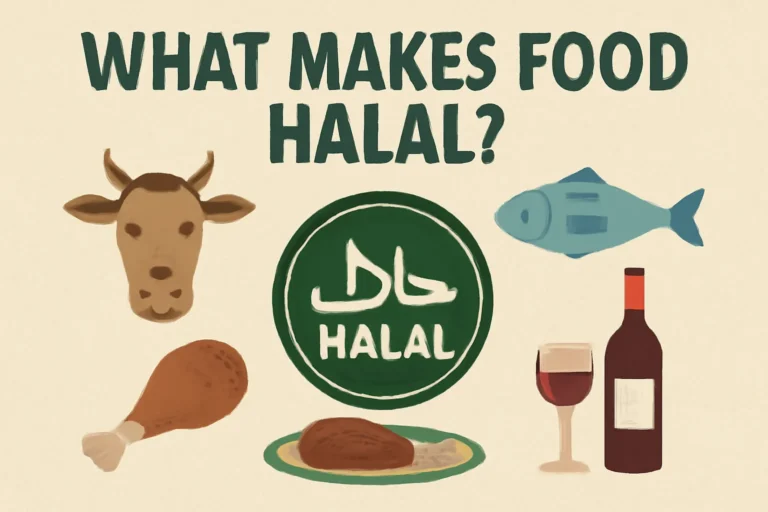
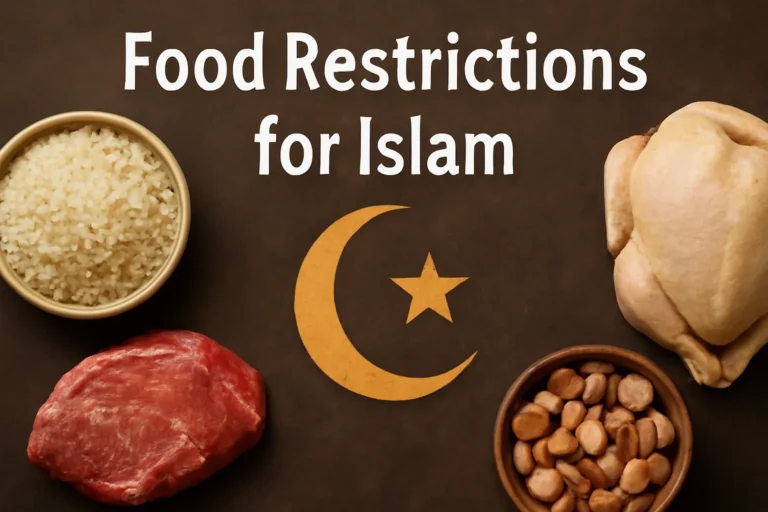
The term halal translates to "permissible" or "allowed" in Islamic law. It defines foods and drinks that a Muslim may consume in accordance with the rules of the Sharia. By contrast, haram refers to things that are forbidden, including certain foods, substances, and practices. The distinction between halal and haram is the backbone of Islamic dietary practice and affects nearly every stage of the supply chain, from animal husbandry to finished product labeling.
Beyond purely legal definitions, many people associate halal with ethics, humane treatment of animals, and transparency in production. While these associations are not universal interpretations within every legal school, they are commonly reflected in modern halal frameworks that emphasize welfare, cleanliness, and responsible sourcing as part of the overall standard of admissibility.
Core principles of halal food
Permissible animal sources and basic eligibility
At its most general level, halal food includes products derived from permissible species and processed in ways that do not introduce haram substances. Core ideas include:
The animal must be from a permissible species (for example, common livestock, poultry, and many fish are widely acceptable). Some schools recognize seafood as halal, though there are regional nuances in interpretation.
Animals must be healthy at the time of slaughter and slaughtered under humane conditions.
The meat must come from animals that were slaughtered according to the dhabiha method (see the next subsection) or by an approved method in line with local halal certification rules.
Death from non-slaughter methods (e.g., poisoning, strangulation, or predatory kills) generally makes the meat haram, as does meat cut from animals that died before slaughter.
Slaughter method, invocation, and welfare
A central pillar of halal practice is the method of slaughter. The traditional method is known as dhabiha, which involves a swift, deep incision to the throat, cutting the trachea, esophagus, and major blood vessels, while invoking the name of God (Bismillah) at the moment of slaughter. The aim is a quick, humane death that minimizes suffering and ensures rapid draining of blood.
In the dhabiha method, the animal should have no impediments to a quick, proficient slaughter, and the act should be performed by a Muslim slaughterer who pronounces God’s name.
Some jurisdictions permit certain humane stunning practices if they do not cause death and if the slaughter remains compliant with halal standards. The acceptability of stunning varies among madhhabs (Islamic legal schools) and certifying bodies.
Animal welfare and humane treatment are important factors in many halal frameworks. Practices that cause unnecessary cruelty or distress during handling, transport, or slaughter can render the product non-halal in the eyes of some authorities, even if other steps are technically compliant. The emphasis on welfare aligns halal with broader concerns about ethics in food production.
Ritual vs. non-ritual sources and animal by-products
Halal status also depends on how the animal is raised and what by-products are used. For example, the following considerations are common in many halal systems:
Meat derived from animals that are legally slaughtered according to Islamic guidelines is considered halal in most contexts.
By-products from haram sources (such as porcine materials) are generally not allowed, and care must be taken with gelatin, enzymes, cochineal, and other ingredients that may originate from haram sources.
In some cases, certain non-meat ingredients may be derived from haram animals or alcohol; these require either substitution with halal alternatives or a ruling by a competent halal authority.
Certification and verification as a practical framework
Because halal requirements can be nuanced and regionally variable, many food producers seek third-party halal certification. Certification bodies audit the supply chain, ingredients, processing aids, and manufacturing controls to ensure compliance with a given standard. A product bearing a credible halal mark provides consumers with a degree of assurance that the item has met the relevant criteria.
Slaughter practices and processing standards
Atmosphere, equipment, and processing lines
Beyond the specific slaughter act, halal compliance covers the entire processing environment. This includes the cleanliness of equipment, the prevention of cross-contamination with haram substances, and the use of dedicated lines or validated cleaning protocols to ensure that halal and non-halal products do not mix unintentionally.
Dedicated processing lines or strict separation procedures help prevent cross-contact between halal and haram products.
Cleaning procedures must be validated to remove any residues that could compromise halal status, including cleaning agents and solvents that may leave trace haram material.
Storage and handling should maintain separation; packaging, labeling, and finished product segregation are important.
Processing aids and additives
Many foods rely on processing aids and additives that may originate from animal or plant sources. Halal evaluators examine processing aids and additives to determine if they are permissible. Key issues include:
Gelatin, collagen, and rennet can raise questions if derived from haram animals (e.g., porcine sources). In many halal frameworks, plant-based, microbial, or recombinant alternatives are preferred or required.
Alcohol used as a solvent or flavoring in trace amounts can be a concern. Some authorities permit trace amounts if they effectively do not remain in the final product, while others require complete elimination.
Enzymes, monoglycerides, and emulsifiers may be acceptable if their origin is halal and processing does not introduce haram contaminants.
Packaging, labeling, and shelf-life considerations
Label integrity and clear certification are essential for consumer confidence. Halal products should clearly indicate halal status, the issuing authority, and any relevant batch details. Consumers often look for a credible logo or certificate number that they can verify with the certifying body. Shelf-life and storage instructions should be compatible with the halal status and not create opportunities for contamination or conversion to haram forms.
Ingredients, additives, and processing aids
Understanding halal ingredients
Ingredients lists are a primary point of verification for halal compliance. Consumers should look for:
Halal-eligible ingredients that are not derived from haram sources.
Non-alcoholic flavorings and seasonings that do not contain ethanol or other prohibited solvents.
Enzymes, rennet, and amino acids sourced from permissible origins, with a preference for animal-free or halal-certified sources when possible.
Be mindful of processed foods that contain additives with uncertain origins; when in doubt, seek products with reliable halal certification.
Processing aids and their impact on halal status
Processing aids are materials used in production that may not be present in the final product. They can still influence halal status if they leave residues or affect the product’s composition. Typical concerns include:
Your understanding of processing aids should consider whether any residuals could be haram or whether the aid itself is derived from haram sources.
Some processing aids are used only in the manufacturing process and do not end up in the finished product; in many halal frameworks, these are acceptable if they do not alter the final halal state.
Case examples illustrating halal ingredient decisions
Consider the following representative cases that illustrate how decision-making works in practice:
A beverage uses flavorings derived from plant sources with no alcohol. This is typically considered halal, assuming no other haram components are present.
A dessert contains gelatin from porcine sources. In most halal schemes, this would be non-halal unless the gelatin is replaced with halal-certified or plant-based alternatives.
A dairy product uses rennet from a non-halal animal. It would generally be considered non-halal unless a halal-certified microbial or vegetable rennet is used.
Cross-contamination, cleanliness, and equipment
Preventing cross-contact with haram substances
Even when all primary ingredients are halal, cross-contamination can undermine halal status. Halal-conscious production facilities implement strategies to prevent cross-contact, including:
Separate storage for halal and haram ingredients to avoid mixing.
Clear labeling of equipment and lines used for halal products to maintain traceability.
Regular auditing of cleaning procedures and validation of residue removal to ensure that equipment is free from haram residues prior to processing halal items.
Traceability is a hallmark of robust halal programs. Producers often invest in:
End-to-end traceability from farm or supplier to final product, with batch numbers and clear documentation.
Quality control checks at multiple stages to verify that the final product meets halal criteria.
Documentation that can be shared with certification bodies for verification.
Certification and verification
Evidence-based certification provides a practical mechanism to demonstrate halal compliance. Certification activities typically include:
Evaluating the supply chain to confirm that ingredients, packaging, and processing align with halal standards.
Auditing facilities and operations, including supplier approvals, storage, and line separation.
Reviewing product formulations, certificates of origin, and safety data sheets for all ingredients.
Issuing a halal certificate or mark that accompanies the product, along with a certificate number and expiry date.
How certification works in practice
For manufacturers, obtaining halal certification often follows a structured process:
Submit product formulations and manufacturing details to the halal certifier.
Participate in facility inspections and supplier audits as requested by the certifier.
Provide ongoing records and batch testing results to maintain certification validity.
Renew certification on a periodic basis and respond to any changes in product ingredients or processing methods.
What to expect on a halal certificate
A typical halal certificate may include:
The name of the certifying authority and the certificate number.
Scope of certification (product types, production lines, and facilities covered).
The halal standard or scheme used and the issuing date, with expiration details.
Any special notes about cross-contamination controls, processing aids, or regional caveats.
Global standards and major certifying bodies
Halal certification is global, with numerous organizations operating in different regions. While standards can vary, many reputable bodies share common principles such as ingredient transparency, facility cleanliness, separation of halal and haram streams, and ongoing surveillance. Some prominent organizations include:
JAKIM (Department of Islamic Development Malaysia) – a widely recognized national authority known for its stringent halal certification framework used across Southeast Asia and beyond.
IFANCA (Islamic Food and Nutrition Council of America) – an established authority in North America that certifies a broad spectrum of products for Muslim consumers.
MSA (Malaysia-Singapore Accreditation) – often associated with the MSA Halal certification program, which is widely recognized in several markets.
Halal Food Authority (HFA) – a major UK-based certifier with regional influence in Europe and beyond.
IFC and other regional bodies – numerous organizations certify products to local and international halal standards.
ICSA (Islamic Cultural Center of America) – another established certifier in the United States with global reach.
Consumers should look for credible marks and verify the issuing body when assessing halal claims. It’s common to encounter multiple marks on a single product, reflecting different scopes of certification or multiple approvals across markets.
Practical guidance: how to verify halal in everyday life
For consumers, verifying halal status can be straightforward or nuanced depending on the product and the market. Here are practical tips to help navigate everyday decisions:
Check for a credible halal certification logo and verify the certificate number with the issuing body’s website or contact center.
Read the ingredients carefully. If any item is ambiguous, contact the manufacturer or choose a product with a clear halal declaration.
Be mindful of cross-contamination risks in restaurants, cafes, and prepared-food outlets. Inquire about the separation of halal and haram ingredients, and ask about cooking utensils and oil usage.
When traveling, look for products certified by a recognized local authority or bring a halal guide or app for quick checks.
In non-meat products like cosmetics, medicines, and food supplements, verify that the entire supply chain complies with halal standards, including non-ingestion products that still may be used in ways that affect halal status.
Halal across the food spectrum: dairy, eggs, baked goods, and beverages
Halal dairy and eggs
Dairy and eggs present distinctive halal considerations. Most dairy and egg products are halal if derived from halal animals and processed with halal ingredients. Important factors include:
Milk and dairy ingredients sourced from compliant animals (cattle, goats, sheep) are generally halal, provided no haram additives are used.
Enzymes and stabilizers used in dairy production should be halal-certified or proven to come from permissible sources.
Eggs are typically halal unless contaminated by haram additives or cross-contact with haram material during processing.
Baked goods and snacks may include flavorings, emulsifiers, or stabilizers that require halal verification. Beverage products, including soft drinks and substitutes, also may involve ingredients such as ethyl alcohol or other solvents that need scrutiny. Key considerations:
Flavorings and emulsifiers should be halal-certified or proven to be free from haram sources.
Shortening, fats, and oils should be free from haram processing aids or residues and ideally carry halal approval.
Natural and artificial flavors should be halal-compliant, with clear labeling of origin when possible.
Ready-to-eat meals and processed foods often involve multiple ingredients and processing steps. Halal compliance hinges on:
Complete ingredient disclosure and halal-certification where applicable.
Minimizing cross-contact with haram ingredients in manufacturing and packaging.
Stability of halal status throughout shelf life, including any reformulations or rebrandings.
Halal in pharmaceuticals and cosmetics
Halal considerations extend beyond the kitchen to pharmaceuticals and cosmetics. Many medicines contain alcohol, glycerin, gelatin, or other ingredients with potential haram origins. To ensure compliance, patients and consumers should:
Consult healthcare providers and review ingredient lists with a halal lens, especially for gelatin capsules or alcohol-based tinctures.
Seek halal-certified medicines or substitutes where available, or use transparent sources for ingredient origin information.
Be aware that some active ingredients may not be derived from haram sources, but excipients could be problematic; verification is essential.
As halal certification becomes more visible, certain myths persist. A prudent approach is to rely on credible sources and consider context. Here are some common myths clarified:
All fish are halal in many interpretations, but there are regional variations. Some authorities view all seafood as halal, while others distinguish between fish and shellfish.
Alcohol is always forbidden in trace amounts in halal foods. Some systems permit trace residuals as long as they are not present in the finished product, but many require complete removal.
Any vegetarian product is halal by default. Some vegetarian products may still include haram processing aids or cross-contact risks; verification remains important.
All gelatin is haram unless it is certified halal or derived from halal sources. Plant-based or microbial gelatin alternatives are increasingly common and accepted in halal frameworks.
Variations in interpretation and regional practice
Halal standards are not monolithic. They reflect diverse interpretations, cultural practices, and regulatory realities. Important ways these variations manifest include:
Different jurisdictions adopt different halal standards or certify to multiple schemes. A product may be halal in one country and require additional verification in another.
Several jurisprudential schools (madhhabs) influence what is considered permissible, especially regarding slaughter methods and the acceptability of stunning.
Regional supply chains and local agriculture shape the types of permissible ingredients, with some areas prioritizing domestic sourcing while others rely on global suppliers.
Conclusion: a holistic view of what makes food halal
What makes food halal is a holistic combination of permissible sources, proper slaughter, clean and separated processing, clarity in ingredients, and credible certification. It is a dynamic framework that engages religious principles, ethics, health, and practical food safety. For Muslims, consuming halal means aligning daily choices with spiritual guidance and responsibility toward animals, communities, and the environment. For non-Muslims, halal offerings often align with general food-safety norms, transparency, and ethical sourcing—creating a shared space for trust and quality in modern food systems.
The long history and evolving practice of halal certification reflect a global food system in which people seek assurance that what they eat is prepared, processed, and presented in a way that respects beliefs, health, and humane treatment. By understanding the core concepts outlined in this guide—and by consulting credible halal authorities when needed—consumers can navigate the market with confidence, knowing what makes food halal in a way that is meaningful across cultures and customs.





Deja una respuesta