What Does Hallal Mean? An Essential Guide to Halal Diets, Standards, and Practices
What Does Hallal Mean? An Essential Guide to Halal Diets, Standards, and Practices
What does halal mean? This simple question opens a broad conversation about diet, faith, ethics, and global commerce. Across Muslim communities and in food-science laboratories alike, the word halal—often rendered in English as “halal” and sometimes misspelled as “hallal” or “hallal”—serves as an everyday label that signals compliance with a complex web of religious rules and cultural expectations. This article offers an essential guide to halal diets, the standards that govern them, and the practices people follow to honor the halal framework in kitchens, restaurants, markets, and across borders.
What Does Halal Mean? Etymology, Meaning, and Practical Implications
At its root, halal is an Arabic term meaning permissible or lawful within the framework of Islamic law. It contrasts with haram, a word meaning prohibited or unlawful. When we ask what does halal mean, we are asking not only about whether a given product is allowed, but also about the underlying criteria that determine permission. A broader way to describe halal is to say that it embodies divine guidance for daily life, translating theological principles into concrete rules about what can be eaten, how it is produced, and how it is handled from production to plate.
Misunderstandings about spelling do little to change the essence: whether you spell it halal or hallal, the concept remains anchored in divine permission. What varies is the scope of application. In some regions, halal coverage extends beyond meat to processed foods, cosmetics, and even pharmaceuticals, reflecting a growing view that halal integrity can apply to many aspects of daily life. For readers looking for semantic breadth, you may encounter phrases like what does hallal mean in practice? or what does halal stand for in this context? These questions encourage a broader exploration of how faith-based dietary rules translate into real-world choices.
Historical and Religious Context: Why Halal Matters
The concept of halal emerges from a long history of jurisprudence in Islam. Religious scholars have sought to define not only what Muslims may eat, but also how that food is produced, processed, and transported. The guidance drawn from sacred texts, prophetic traditions, and scholarly consensus creates a living framework for ethical slaughter, biological cleanliness, and transparency in labeling. For many Muslims, following halal is an expression of devotion, a way to align everyday meals with faith and ethics. However, the practical impact of halal also reaches into the public square: it shapes supply chains, certification regimes, and consumer expectations in markets around the world.
Halal Diet Essentials: Core Concepts You Should Know
What is Halal Food? Core criteria you can rely on
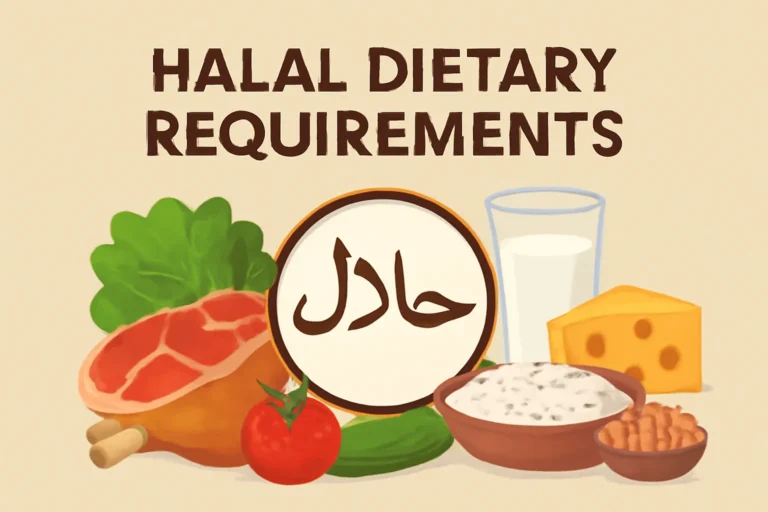
In broad terms, the category of halal food includes items that are permitted by Islamic law, with a special emphasis on the following areas:
Meat from properly slaughtered animals (zabiha or dhabihah) under humane conditions and with a blessing recited in the name of God.
Animal products (like dairy) from animals treated and processed in ways that meet halal requirements.
Plant-based foods that do not involve prohibited additives or cross-contamination with haram substances.
Seafood and certain other provisions that Islamic law considers permissible, though interpretations vary among scholars and communities.
Processed foods and beverages that are free from haram ingredients and prepared in a halal-compliant facility.
Key terms you will encounter include halal-certified, halal-compliant, and halal-friendly, which indicate different levels of certainty or scope. A halal-certified product has undergone formal verification by a recognized authority, whereas halal-compliant items may follow internal guidelines without external certification. The important thread is to ensure clarity about whether the product is guaranteed halal from a reputable source or simply aligns with halal principles.
Zabiha and Slaughter Requirements: How meat becomes halal
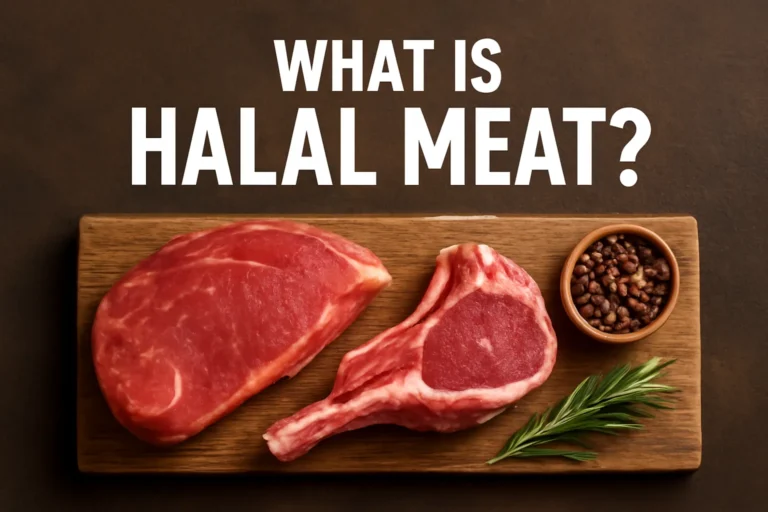
For meat to be considered halal, many communities require a zabiha or dhabihah slaughter—an intentional, humane ritual performed by a Muslim who pronounces a blessing. The following elements are commonly emphasized:
The animal must be healthy at the time of slaughter and slaughtered with a swift, humane cut to minimize suffering.
The person performing the slaughter must be trained in the requirements and must invoke the name of God (the Basmala) at the moment of slaughter.
The knife should be sharp, and the act should be performed with minimal stress to the animal.
All blood must be drained from the carcass as part of the process.
Products from animals that die of natural causes or are killed without proper slaughter are not considered halal.
It is important to note that interpretations differ. Some communities accept stunning prior to slaughter, while others require permanent religious procedure that explicitly includes the blessing. The debate around stunning is ongoing in public policy, animal welfare discussions, and certification standards. When you ask what does halal mean in slaughter?, you are encountering a balance of religious obligations, animal welfare concerns, and local regulatory frameworks.
Halal Standards, Certification, and Global Standards
To navigate the diverse landscape of halal, many governments and private organizations maintain halal standards and offer certification programs. These programs aim to ensure that products sold with the halal label meet a consistent set of criteria, even across borders. However, the ecosystem is not monolithic. Different regions rely on different authorities, and some manufacturers pursue multiple certifications to access broader markets. Below are core ideas to understand about halal standards:
National standards often reflect local religious authorities and consumer expectations. Examples include country-level guidelines and standard numbers that specify slaughter methods, permissible ingredients, and facility hygiene.
International and regional bodies may harmonize standards or provide mutual recognition in trade, helping to facilitate cross-border sales while maintaining trust with Muslim consumers.
Certification bodies issue certificates after reviewing supply chains, processing methods, labeling, and facility compliance. A product bearing a halal mark should indicate which body certified it and where to verify authenticity.
Labeling and traceability play a critical role. Consumers often look for lot numbers, production dates, and facility disclosures to ensure that a product remains halal through processing and packaging.
In practice, you may encounter a mix of standards such as national halal standards (for example, a country-specific standard like MS1500 in Malaysia or equivalent in other jurisdictions), ISO-based certification approaches that emphasize process controls, and private certification initiatives that brands pursue to reach global markets. The most important takeaway for everyday readers is that a credible halal certification should be transparent about the scope, the issuing body, and the premises covered by the certification.
Common Halal Certification Bodies and Standards
Some of the most widely recognized frameworks include:
National certification authorities that operate within individual countries and reflect local Islamic jurisprudence and production practices.
International organizations that publish guidelines or issue global standards to facilitate cross-border trade.
Industry standards tied to specific product types (meat, dairy, baked goods, cosmetics, and pharmaceuticals) that define permissible ingredients and processing safeguards.
Label verification processes that empower consumers to confirm authenticity through QR codes, batch numbers, or online databases.
When you encounter a halal label, ask questions such as which body certified this product?, which standards were used?, and where can I verify the certification? The ability to trace the certification path enhances trust and helps consumers make informed choices that align with their beliefs.
Practical Guidance: Following a Halal Diet in Daily Life
Reading labels and understanding ingredients
One of the most practical challenges is determining whether a product is truly halal. Here are steps to make label-reading more effective:
Look for a halal certification mark or a statement that clearly indicates compliance with a recognized standard.
Check the ingredient list for haram components such as alcohol, gelatin from non-halal sources, animal-derived enzymes, or any meat from non-slaughtered animals.
Be mindful of cross-contamination risk in factories that also process haram products. Some labels specify that the product is produced in a “halal facility” or that dedicated production lines are used.
When uncertain, consult the certifying body's database or customer service portal for product verification and recent updates.
In this context, you might ask what does hallal mean on a label? and then verify through the brand’s certification page or trusted databases. Language differences and translation variances can occur, so cross-checking is always prudent.
Eating halal when dining out or while traveling requires proactive steps, especially in areas where halal options are limited. Useful practices include:
Choose restaurants with clear halal certification or a reputable track record with Muslim diners.
Ask staff about the slaughter method, whether stunning is used, and how cross-contact is prevented in kitchen workflows.
When ordering, favor dishes with plain ingredients and minimal processing to reduce ambiguity about hidden haram additives.
Carry a small note or card describing dietary preferences in the local language to facilitate clear communication with servers or chefs.
For travelers, planning ahead can reduce stress. Many airports, hotel restaurants, and international chains publish halal-friendly menus or certifications, and online resources for halal dining guides are increasingly reliable and up-to-date.
Halal in Global Markets: Region-by-Region View
The halal market is a dynamic and expanding arena, driven by demographic trends, rising disposable incomes, and the globalization of supply chains. Here is a broad snapshot of how halal is approached in different regions:
Middle East and North Africa: Halal remains central to consumer choices across many countries. Retail markets feature a dense array of certified products, and government ministries often oversee certification regimes that align with local religious authorities.
South and Southeast Asia: Large Muslim populations in countries like Indonesia, Malaysia, Pakistan, and parts of India drive demand for both meat and processed halal foods. Malaysian standard MS1500 and similar frameworks influence product development, while international brands pursue multiple certifications for regional access.
Europe: Halal products have grown in mainstream supermarkets and specialty shops, with certifications from diverse bodies. Public labeling, consumer education, and transparent traceability are increasingly important in building trust among non-Muslim consumers who value food integrity and animal welfare.
North America: Halal products appear in many grocery aisles, and dedicated halal markets, restaurants, and online stores serve diverse communities. Certification bodies in the United States, Canada, and abroad help maintain consistent standards and facilitate cross-border trade.
Africa and beyond: In many countries with growing Muslim populations, halal logistics, packaging, and slaughter practices influence the competitiveness of local meat industries and the availability of halal-certified goods in urban centers.
As you read global markets, you will encounter a spectrum of certification marks, regional variations in acceptable slaughter practices, and ongoing conversations about sustainability and animal welfare. The evolving halal landscape reflects broader tensions between tradition, modern food science, and international commerce.
Common Myths and Misconceptions About Halal
Several myths circulate about halal, and addressing them helps consumers make informed decisions. Here are a few frequent misunderstandings, with clarifications:
Halal is only about meat. In fact, halal principles cover a broad range of products, including dairy, packaged foods, beverages, cosmetics, and medicines, provided all components meet halal criteria and are processed in compliant facilities.
Halal is the same as kosher. While both systems seek to ensure ethical and hygienic food production, they operate under different religious laws and terminology. There is overlap in some areas, but certification, slaughter rules, and permissible ingredients differ.
All stunning methods are prohibited. Views on stunning vary by region and school of thought. Some communities accept pre-slaughter stunning if it is reversible and does not harm the animal; others require a traditional zabiha method with blessing.
If a product is halal once, it remains halal forever. Halal status can change if the manufacturing process, ingredients, or facilities change. Ongoing verification is essential for maintaining halal integrity.
Halal labeling guarantees quality. Halal labels indicate compliance with religious and processing standards, not necessarily broader quality metrics. Verify provenance, hygiene practices, and certification credibility for a complete picture.
Common Ingredients and How to Check Halal Status
Halal compliance often hinges on the source of ingredients and the way they are processed. Here are some common ingredients and the questions you should ask when evaluating their halal status:
Gelatin: Derived from animal collagen; halal gelatin is available from certain sources (bovine, porcine-free, or marine-grade). Look for clear labeling indicating halal gelatin or plant-based alternatives like agar-agar where appropriate.
Rennet: Traditionally from the stomachs of calves, but microbial and vegetable rennets are used in some halal products. Check for halal certifications that specify the source.
Enzymes and emulsifiers (such as E471, several E-numbers): These can come from animal, vegetable, or microbial sources. Halal-certified products often disclose the source or bear certification marks to confirm halal status.
Alcohol and ethanol: Any alcohol content is typically haram; however, trace amounts in flavorings or extracts may be considered non-halal in many communities. Many manufacturers use non-alcoholic flavorings to avoid issues.
Beef, chicken, and poultry: Halal status depends on the slaughter method, cleanliness, and cross-contamination controls during processing.
Plant-based substitutes: Generally halal, but verify that no haram processing aids or cross-contact occur during production.
For those who want to be thorough, a practical approach includes maintaining a personal checklist: prefer certified products, examine ingredient disclosures for potential haram components, and verify that the product is processed in facilities with clear halal protocols. When in doubt, contact the manufacturer or consult the issuing halal certification organization for confirmation. If someone asks what does halal mean for ingredients?, the answer hinges on whether every component and its processing comply with halal principles and whether a reliable certification exists to prove it.
Halal Beyond Food: How Far Do Halal Standards Extend?
While halal is most commonly associated with food, many families and businesses apply halal principles to other areas of daily life. This broader application includes:
Cosmetics and personal care, where ingredients are checked for haram substances and facilities adhere to halal processing standards.
Pharmaceuticals and nutraceuticals, where halal adherence includes excipients, production methods, and labeling to ensure compliance for sensitive consumer groups.
Business ethics and supply chains, where halal practice emphasizes fairness, transparency, and responsibility in sourcing and manufacturing.
Education and information, where halal-related guidance informs dietary choices, health considerations, and community discussions.
This expansion is often driven by consumer demand and the recognition that many people expect consistency across all aspects of life, from the kitchen to the cosmetics cabinet. If you encounter the phrase halal lifestyle in a broader sense, it refers to an integrated approach to living that respects religious guidelines, natural welfare, and mindful consumption.
To help readers quickly navigate common queries, here are concise answers to two perennial questions. You can think of these as practical checkpoints when you encounter the phrase what does hallal mean in everyday conversations or product labels.
What does halal mean for meat? It typically means that the animal was slaughtered according to zabiha/dhabihah rules, with the name of God invoked, and the process followed with humane treatment and proper drainage of blood.
What does halal mean for processed foods? It means the product does not contain haram ingredients, is produced in a facility with halal controls, and carries a credible halal certification or clear labeling that verifies compliance.
Conclusion: Why Definitions Matter and How to Apply Them
The question what does halal mean opens a doorway to a modern, global, and deeply meaningful practice. It is more than a label on a packaged item; it is a framework that connects faith, ethics, (a few words intentionally highlighted for emphasis), and everyday choices about what we eat and how we live. By understanding the core meanings, recognizing the role of slaughter practices, and engaging with credible certification bodies, you can approach halal with confidence and clarity.
As markets evolve and consumer expectations become more nuanced, the halal conversation remains dynamic. The basic idea—that food and related products should be acceptable under Islamic law while upholding principles of cleanliness, fairness, and compassion—provides a stable compass for navigating the diverse world of global foods. Whether you are a practicing Muslim seeking strict adherence, a curious consumer exploring ethical consumption, or a professional dealing with supply chains and labeling, the core concepts outlined in this guide offer practical grounding. In short, what does halal mean is best understood as a living standard that combines spiritual guidance with practical safeguards in production, processing, and consumption.



Deja una respuesta