Introduction: What is Halal Makeup and Why It Matters
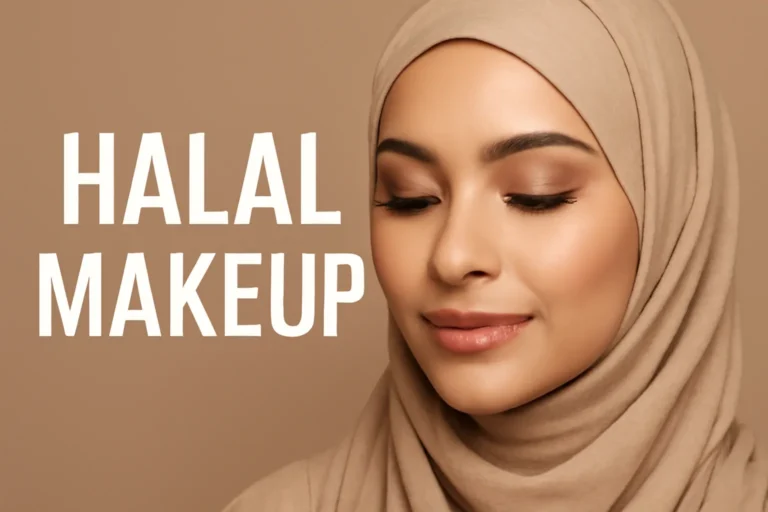
In today’s beauty landscape, the term halal makeup has moved from a niche concept to a mainstream consideration for many consumers. At its core, halal-certified cosmetics are products whose ingredients, production processes, and packaging comply with Islamic dietary and lifestyle guidance. This means that, in addition to being safe for the skin, these products should be free from haram (forbidden) substances such as porcine derivatives, alcohol in prohibited forms, and other ingredients deemed impermissible by certain interpretations. The idea of halal beauty products extends beyond the product itself to cover how it is manufactured, tested, and labeled.
This guide aims to be a comprehensive resource for anyone who wants to understand halal cosmetics, what to look for when shopping for halal-certified makeup, and how to navigate the marketplace without sacrificing quality, shade range, or performance. Whether you are Muslim, shopping for someone who follows halal guidelines, or simply curious about how conscientious beauty brands operate, this article provides a clear map of the landscape. We will use variations of the phrase halal makeup throughout to reflect the range of terminology you may encounter, from halal-certified cosmetics to halal-friendly beauty products.
What Makes Makeup Halal? Key Principles for Halal-Labeling
The question of what makes a lipstick, foundation, or eyeshadow halal touches on two broad domains: ingredients and production. Broadly speaking, a halal makeup product should avoid haram substances and comply with the standards set by a recognized halal-certification body. The major checkpoints include:
Ingredients that are permissible in Islam and free from porcine sources, blood, alcohol in certain forms, or chemically derived substitutes that are disallowed by particular scholars.
Animal-derived components (such as gelatin, stearates, or carmine) that are certified halal, fully synthetic, or derived from permitted animals processed in a halal way, where allowed by the certifying body.
Alcohol content and the form of alcohol used. Some interpretations prohibit all ethyl alcohol in cosmetics, while others permit certain alcohols if they are not intoxicating or if they are derived in a permissible context. A halal-certified label should clarify this clearly.
Cross-contamination controls in manufacturing facilities to ensure that haram ingredients do not unintentionally contaminate halal products.
Certification by a recognized halal body that conducts ingredient audits and facility inspections, and that provides a transparent labeling system.
It is important to recognize that halal makeup is not synonymous with “vegan makeup” or with “cruelty-free makeup,” though there can be overlap. Vegan cosmetics often avoid animal-derived ingredients, which many people also seek for ethical reasons. Halal-certified cosmetics focus primarily on compliance with Islamic dietary and lifestyle guidelines, which may or may not align with vegan standards. Always read the certificate and the INCI list (the ingredients list) to determine the exact alignment with your values.
How Halal Certification Works: The Path from Formulation to Label
Understanding the certification journey helps shoppers distinguish products that are truly compliant from those that merely carry a marketing claim. A typical halal certification process involves several stages:
Ingredient review: A halal-certification body assesses all ingredients for permissibility, sourcing, and potential haram derivatives. This includes an audit of any colorants, emulsifiers, fragrances, and additives.
Source tracing: Suppliers supply documentation proving the origin and processing of each ingredient. This reduces the risk of hidden haram components entering the formula.
Manufacturing audit: The production facility is evaluated to ensure proper segregation of halal and non-halal products, appropriate cleaning protocols, and no cross-contact with haram substances.
Labeling and sealing: Once approved, the product receives a halal certification seal and precise labeling that explains what is certified and for which markets.
Periodic re-certification: Certification is not a one-time event. Manufacturers often undergo ongoing audits to maintain the halal status of their products, especially if formulations or suppliers change.
For consumers, the practical upshot is straightforward: you should look for a recognized halal seal on packaging, alongside a clear list of ingredients and any caveats regarding taste, fragrance, or flavoring additives. If you see vague language such as “derivatives from permissible sources” without specific sourcing information, approach with caution and seek products with transparent documentation.
How to Verify Halal Makeup on Your Shelf: A Step-by-Step Guide
The marketplace is crowded with options, and not every product labeled as “halal” is equally reliable. Here is a practical checklist to help you verify halal makeup products before you buy:
Read the ingredient list: Look for any ingredients that could be haram (porcine derivatives, blood-related components, or questionable processing aids). If you’re unsure about an ingredient, search for its halal status or consult a reliable list.
Check for a halal certification seal: A legitimate halal seal from a recognized authority is your strongest signal. Verify that the seal corresponds to the country you are in if regional standards differ.
Review “derived from” statements: Some ingredients may be listed as derived from animal sources. If the label does not specify that the derivation is from halal or permissible sources, proceed with caution.
Assess cross-contamination controls: If a brand has multiple product lines (halal and non-halal) in the same facility, confirm that there are strict cleaning and containment protocols to prevent cross-contact.
Research the brand’s certification status: Some brands obtain halal certification for certain lines but not for others. Verify which products are certified and for which markets.
Ask for documentation if needed: If you are unsure, contact customer service for a certificate of authenticity, or request access to supplier certifications for the exact formulation you are considering.
A practical tip: many shoppers maintain a personal halal makeup journal or a digital note listing the products they trust. This can be especially helpful if you rotate products or rely on seasonal limited editions. The habit of verifying each product’s certificate can empower you to build a reliable, consistent routine.
Product Categories: Is Your Favorite Item Halal-Certified?
The halal status of cosmetics varies across categories. Below is a guide to common makeup items and the considerations you should keep in mind for each. Remember that individual products within a category may be certified differently, so always check the labeling and documentation.
Foundations and Powders
Foundations and loose or pressed powders are foundational to everyday makeup looks. In halal-certified ranges, you will find:
Non-alcohol-based formulations or alcohol used in a way that is allowed by the certification body.
Permissible pigments that are tested for purity and free from haram contaminants.
Mineral-based powders and liquid foundations with clear halal documentation for the entire supply chain.
If you have sensitive skin, choose halal-certified foundations that emphasize hypoallergenic formulations and fragrance-free options, unless the fragrance is explicitly certified as halal. Always verify that the shade range you need is covered and that the product performs well with your skin type.
Concealers and Color Correctors
Concealers are frequently formulated with similar base ingredients as foundations. When shopping for halal-certified concealers, look for:
Clear labeling of fragrance or taste additives, if any, and their halal status.
Stable colorants that remain true through wear without requiring animal-derived stabilizers.
Packaging that prevents contamination with non-halal products in shared facilities.
For blush and highlighter palettes, the key concerns are pigments, binders, and any shimmer components. Halal-certified options should provide documentation for:
Colorants such as mica and iron oxides that are sourced and processed within halal guidelines.
Non-harâm carrier oils and waxes, including beeswax or plant-based alternatives where permissible.
Certified fragrances or fragrance-free formulations to minimize risk of non-halal scent additives.
Lip Products: Lipsticks, Glosses, and Liners
Lip products must be examined closely because their ingredients often include colorants, waxes, and conditioning agents. Halal-certified lip products typically show explicit confirmation that:
Carmine and other colorants are approved or replaced with halal-certified alternatives when possible.
Fragrance-free or halal-certified fragrances are used to avoid unapproved extracts.
Preservatives and solvents align with halal guidelines to minimize concerns about alcohol content or animal-derived components.
Lip products can sometimes be misrepresented if only the outer packaging carries a seal. Always check the inner label and, if possible, request the product’s certificate from the manufacturer.
Eyeliner, Mascara, and Eyeshadow
Eye makeup has particular hygienic considerations because of application near the eyes. Halal-certified eye makeup should ensure:
Presence of safe, skin-friendly preservatives that comply with halal standards.
Non-harâm solvents and binders, with transparent sourcing.
In mascara, approved waxes and pigments that are compatible with sensitive eye areas.
Some people also consider whether the brush materials themselves are halal, especially if animal-derived components are used in the brush. Synthetic brushes and those made from plant-based fibers are often preferred for halal-conscious consumers.
Nail Polish and Nail Care
Nail products can pose a different challenge because some formulations use solvents or resins that may be scrutinized by halal authorities. For halal-certified nail polish options, you should verify:
That solvents and colorants are permissible and documented.
That there is no cross-contamination in the manufacturing line with haram products.
That topcoats and base coats are compatible with the certified status if they form part of a complete halal manicure routine.
The Practical Guide to Building a Halal Cosmetic Kit
If you are starting from scratch or trying to convert your existing kit to a halal makeup collection, a disciplined approach helps you build confidence and reduce waste. Here are practical steps to assemble a reliable set of halal-friendly cosmetics:
Inventory your current products and identify items that lack certification or disclose haram ingredients. Consider replacing them gradually.
Define your priorities: Are you focusing on base makeup, eye makeup, or lip products? Decide which category matters most and start there.
Choose a core brand or two with verifiable halal certification for multiple lines to minimize the risk of mismatched standards.
Read certification documents beyond the seal. Look for explicit ingredient disclosures, supplier attestations, and facility audits.
Track expiration and shelf life of halal products the same way you would with any cosmetics, since certification does not guarantee long-term stability once opened.
Consider travel-friendly options like compact powders or multi-use sticks that carry halal certification, reducing the need to carry multiple non-halal items.
A well-curated halal makeup kit should be cohesive, with consistent labeling, predictable performance, and clear assurance of halal status across your most-used items. This approach helps you maintain daily routines with less worry about ingredients or processes you rely on.
The market for halal-certified cosmetics has grown substantially, with many brands expanding lines dedicated to halal compliance. Some common realities you may encounter include:
Expanded halal lines: A growing number of brands offer entire ranges explicitly marketed as halal-certified, rather than trying to certify individual products post hoc.
Regional certification variations: The standards and seals vary by country or region, so a product certified halal in one market may require additional verification in another.
Transparency is evolving: More brands publish ingredient sources and supplier attestations, but there is still inconsistency in how much detail is provided.
Overlap with other certifications: Some products carry both halal and vegan or cruelty-free certifications, which can be advantageous for consumers seeking multiple assurances.
When evaluating a brand’s commitment to halal standards, look for consistency across product lines, a transparent certification process, and willingness to share documentation. A reliable brand will not merely rely on a single seal but will demonstrate ongoing stewardship of halal-compliant practices.
Store away from heat and sunlight to prevent premature degradation of pigments and oils, which can affect the product’s halal integrity.
Keep containers closed to prevent contamination and maintain fragrance profiles that are compliant with halal standards.
Hygiene practices: Use clean brushes or applicators, avoid double-dipping, and wash hands before applying makeup to reduce contamination risks.
Check expiry dates and practice the standard rule of replacement after a certain period or after exposure to moisture or contamination.
Follow certification updates: If a product’s formulation changes and certification is renewed, confirm that the new formulation retains halal status.
For many consumers, halal makeup is not only a matter of what is inside a product but also how it is handled, stored, and used day to day. Thoughtful hygiene practices help maintain a product’s halal integrity from production to point of sale to personal use.
As awareness grows, a number of myths persist about halal cosmetics. Here are some widely held beliefs and the facts behind them:
Myth: Halal makeup is always vegan. Reality: Halal status is about permissible ingredients and processes; vegan status depends on animal-derived ingredients being absent. Some halal products may include animal-derived ingredients that are permissible if certified, while vegan products avoid all animal derivatives.
Myth: If a product is labeled halal, it is automatically safe for sensitive skin. Reality: Halal certification focuses on permissible ingredients, not dermatological safety. Always check for hypoallergenic claims or dermatologist-tested language if you have sensitive skin.
Myth: All fragrances in halal makeup are guaranteed halal. Reality: Fragrance blends can include many components, and while certified, they may still vary in sensitivity. Look for explicit fragrance-related statements and test cautiously if you have allergies.
Myth: Certifications never change. Reality: Formulations can change, and certification status may be reevaluated. It’s wise to verify current certificates when you purchase.
What does “halal-certified” mean on a makeup product?
It means that a recognized halal-certification body has reviewed the product’s ingredients, production process, and labeling and has deemed the item compliant with its standards. The seal is a signal of ongoing compliance, but it does not guarantee universal acceptance across all Islamic schools of thought. Always verify the scope of the certification (which lines, which batches, which markets) and read the accompanying documentation.
Can a product be halal but not vegan?
Yes. Halal status concerns the permissibility of ingredients and processes, but vegan status concerns the absence of animal-derived ingredients. Some halal products use animal-derived ingredients that are permissible under certain interpretations; others substitute with plant-based or synthetic alternatives. If vegan status is important to you, look for both halal and vegan certifications or explicit ingredient declarations.
How reliable are halal seals compared to other certifications?
Halal seals are essential, but reliability varies by certifying body. Reputable certifiers conduct ingredient audits, supply-chain verification, and facility inspections. The most reliable approach is to check the issuer, verify the seal against a public registry, and, if possible, request the certificate for the exact product you intend to buy.
A thoughtful approach to halal cosmetics blends faith-based considerations with everyday beauty needs. By prioritizing halal-certified makeup, you can maintain your personal beliefs while enjoying a broad spectrum of textures, pigments, and finishes. The ideal practice combines diligent label-reading, awareness of manufacturing practices, and a curated selection of products that you trust for quality and safety.
In the end, the goal of this guide is to empower you to make informed decisions without compromising on style or performance. Whether you call it halal makeup, halal-certified cosmetics, or halal-friendly beauty products, the principles remain the same: transparency, traceability, and thoughtful choices that honor your values while enabling you to express yourself through color and texture.




Deja una respuesta