For many Muslim athletes, fueling the body with halal foods that support performance is essential. This article explores high-protein meal ideas and practical strategies to pair nutrition with faith-based requirements. Whether you’re a competitive lifter, a endurance runner, or a CrossFit enthusiast, the goal is to deliver meals that are not only delicious but also aligned with halal certification, free from prohibited ingredients, and prepared with clean, everyday ingredients. In the modern world of sport nutrition, a robust protein-centered approach helps with muscle growth, repair, and recovery, while thoughtful planning keeps energy steady throughout training and competition.
The concept of halal gym meals extends beyond a single recipe. It encompasses the quality of ingredients, the balance of macronutrients, and the timing of meals around workouts. This guide presents a broad spectrum of options, from halal breakfast bowls to protein-forward dinners, from quick lunch ideas to pre- and post-workout snacks, all designed to be practical, scalable, and friendly to a busy training schedule. Throughout, you will find variations of phrases like halal fitness meals, halal athlete meals, and halal gym-friendly dishes to reflect the breadth of ways people talk about this lifestyle.
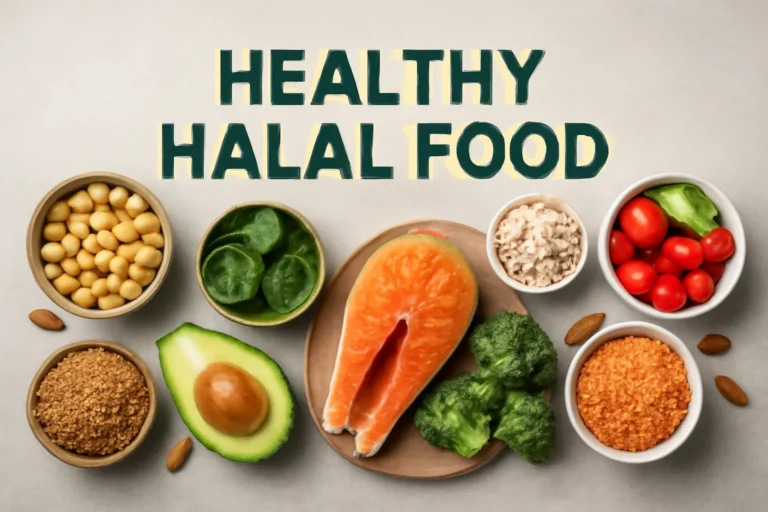
Before diving into individual recipes, remember a few guiding principles: prioritize lean protein sources, incorporate complex carbohydrates for sustained energy, include healthy fats, and ensure that every ingredient is halal-certified or inherently halal. Emphasize whole foods—think lean poultry, fish, eggs, legumes, yogurt, quinoa, oats, vegetables, and fruits—while using herbs, spices, and healthy oils to build flavor. With the right approach, halal gym meals can be vibrant, diverse, and perfectly suited to training demands.
Core Principles of Halal Gym Nutrition
Macronutrient targets for athletes
A starting point for most athletes is a protein-rich plan that supports muscle maintenance and growth. General guidelines suggest aiming for roughly 1.6–2.2 grams of protein per kilogram of body weight per day, distributed across meals. In practice, that means pairing each meal with a solid protein source, a measured portion of carbohydrates to fuel workouts, and enough fats to support hormonal health and satiety. For Muslims observing a fast or training during long days, it may be helpful to adjust portions to match training times while ensuring that neither the protein nor the halal integrity is compromised.
Halal-certified sources and cross-contamination precautions
The halal standard emphasizes both the source and the method. Choose halal-certified meat from reputable suppliers and ensure that cross-contamination with non-halal items is avoided in kitchens, gym facilities, and meal-prep containers. Even meal-ready options like ready-to-drink shakes should carry clear halal certification where possible. For vegetarian or plant-based meals, confirm that any added flavorings or supplements are halal-certified as well, especially protein powders and fortified foods.
Timing, portions, and daily rhythm
Meal timing can influence performance and recovery. A common rhythm includes a pre-workout meal containing both protein and carbohydrates about 1–3 hours before training, a post-workout recovery meal within 1–2 hours after exercise, and balanced meals throughout the day. Hydration is essential; water, electrolytes, and halal-friendly beverages should be part of every plan. The ideas in this section are designed to be flexible enough to adapt to training schedules, travel, and Ramadan or other religious observances.
Nutrition highlights: high-quality protein, micronutrients from greens, complex carbs from whole-grain bread
This bright, savory breakfast is quick to prepare and scales well. Start by heating a teaspoon of oil in a skillet over medium heat. Add a handful of spinach until it wilts, then stir in beaten eggs and a splash of egg whites for extra protein. Fold in crumbled feta until creamy. Serve with sliced tomatoes and a slice of whole-grain toast for a balanced halal breakfast that fuels training.
Nutrition highlights: plant-based protein, complete amino acids from quinoa, fiber-rich
A savory bowl that blends plant proteins with complex carbs. Cook quinoa according to package directions. Sauté chickpeas with cumin, paprika, and a pinch of salt, then mix with chopped cucumber, red onion, and chopped parsley. Dress with lemon juice and olive oil for a bright, halal vegetarian option that still provides a solid protein kick to start the day.
Nutrition highlights: rapid protein from dairy, healthy fats, antioxidants from berries
A simple, portable option that can be layered in a jar for on-the-go mornings. Use a halal-certified yogurt as a base, add a drizzle of honey for natural sweetness, top with nuts and berries, and finish with a sprinkle of chia seeds. This meal is ideal for a quick post-fast or a light training day when appetite is moderate but protein needs are high.
Nutrition highlights: lean protein, complete grains, fiber and micronutrients
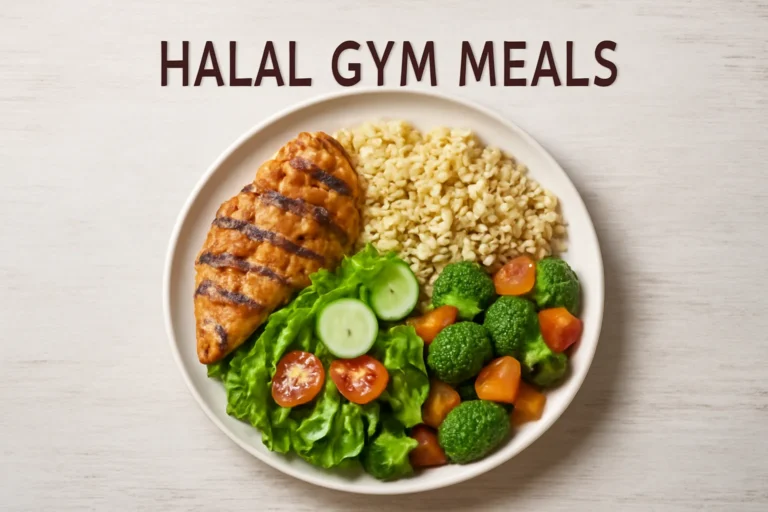
This bowl is a staple for athletes: season chicken with halal spices, grill or bake until juices run clear, and slice over a bed of fluffy quinoa. Add any combination of roasted vegetables for color, flavor, and texture. A light lemon-garlic drizzle ties the components together, providing flavor intensity without adding excess calories.
Nutrition highlights: protein-dense, fiber-rich, hearty and satisfying
Combine ground halal beef with cooked lentils for a protein punch, season with cumin, coriander, and pepper, and form into kebabs. Serve over bulgur with a fresh herb salad. This dish blends animal and plant proteins to create a nutritionally robust halal lunch option that travels well to work or the gym.
Nutrition highlights: omega-3 fats, plant-based protein, light and refreshing
A refreshing and nutrient-dense option that travels well for a midday fueling. Grill or bake the salmon with a light salt and pepper, toss with chickpeas and greens, and drizzle with a tangy tahini-lemon dressing. This halal lunch supports endurance and post-exercise recovery through healthy fats and protein.
A crowd-pleasing halal dinner that mirrors restaurant flavors without sacrificing your nutrition goals. Marinate thin strips of halal beef in shawarma spices, sear quickly, and serve over brown rice with cucumber-tan yogurt sauce and fresh vegetables. The combination of protein and whole grains makes this dish ideal for post-workout recovery and growth.
A nourishing, one-pot meal that comes together with pantry staples. Brown the chicken to develop flavor, simmer with beans, tomatoes, and greens, and finish with fresh thyme. This halal-friendly dinner is both satisfying and economical, making it ideal for weekly meal prep.
Salmon, Quinoa, and Roasted Veggie Tray Bake
Serves: 2
Key ingredients: salmon fillets, quinoa, zucchini, bell peppers, red onion, olive oil, lemon
A simple roast that yields multiple portions for future meals. Season salmon with salt and pepper, roast with vegetables, and serve over fluffy quinoa. The result is a high-protein halal dinner that delivers essential fats and minerals for muscle support and overall health.
Halal Snacks and Recovery Foods
Dates, Nuts, and Protein Bars (Halal)
Serves: 1–2 portions, as needed
Key ingredients: date paste or whole dates, almonds, pistachios, halal-certified protein powder, oats
A compact combination of natural sugars and protein that’s perfect immediately after training or during travel. Blend or press into bars to keep in the gym bag. Ensure protein powder or flavorings are halal-certified to stay true to dietary guidelines.
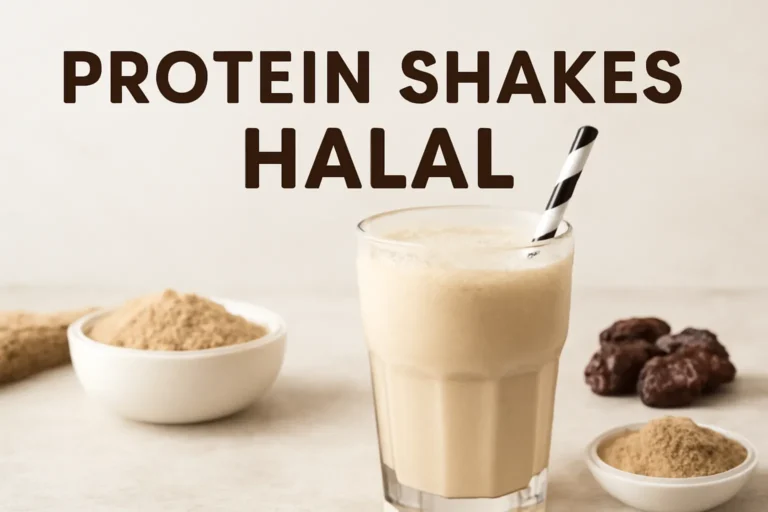
A balanced smoothie to sip on the way to the gym or as a light post-workout shake. Use halal yogurt and fortified almond milk to keep the drink both nutritious and compliant.
A no-fuss snack that travels well in a reusable container. Hard-boil a batch of eggs for the week and pair with fresh veggies and a modest portion of hummus for dipping. This simple option is a reliable halal snack to support daily protein goals.
Meal Prep, Planning, and Practical Tips
Consistency matters as much as variety. The following practical tips help maintain a steady supply of halal gym meals throughout the week:
Plan ahead: Create a simple weekly menu featuring two to three proteins (e.g., chicken, beef, fish) and two plant-based days to ensure nutritional balance and minimize cooking time.
Batch cook: Prepare grains (rice, quinoa, bulgur) and legumes (lentils, chickpeas) in large batches, then mix with fresh proteins and vegetables for quick meals.
Batch sauces: Make a few halal-friendly sauces (tzatziki, yogurt-curry, lemon-herb dressing) to transform basic bowls into varied meals.
Safe storage: Use labeled containers to avoid cross-contamination, and keep halal-certified protein separate if you’re cooking for multiple diets.
Seasoning and flavor: Use herbs and spices liberally. A few teaspoons of cumin, coriander, paprika, garlic, and lemon can elevate a simple chicken and rice dish into a restaurant-worthy meal while staying halal.
To broaden the semantic scope and keep things interesting, you’ll see references to various terms that describe the same concept: halal gym meals, halal fitness meals, halal athlete meals, and halal workout meals. All point to meals that support athletic performance while adhering to religious guidelines. Here are some practical ideas that illustrate these variations:
Halal fitness meals can include plant-based proteins like lentils or chickpeas combined with quinoa for complete amino acids.
Halal athlete meals emphasize a pre-workout snack with fast-dacting carbohydrates and a steady protein source to prime muscles for exercise.
Halal workout meals may favor quick, portable options such as yogurt parfaits, protein shakes, and whole-food bowls that travel well to the gym or the field.
When in doubt, look for certifications and ask about ingredients in sauces and spice blends to maintain halal integrity.
Safety, Certification, and Ethical Considerations
A robust approach to halal nutrition includes paying attention to ethical sourcing, religious considerations, and safety. This section highlights essential caveats for athletes and coaches:
Certification matters: When shopping for meat, dairy, or processed products, prioritize items with clear halal certification from reputable bodies.
Cross-contamination: Keep halal items separate in the kitchen, especially when preparing shared equipment or spaces in gym kitchens and meal-prep areas.
Ingredient transparency: Read labels for hidden non-halal additives or alcohol. If uncertainty exists, contact manufacturers for clarification.
Allergen awareness: Many halal-friendly meals also contain common allergens (gluten, dairy, soy). Plan to accommodate team members with dietary restrictions.
Conclusion: Embracing Halal Myriad of Options for Peak Performance
Building a successful training program requires nourishment that respects personal beliefs while fueling ambition. This guide demonstrates that high-protein, halal meals can be varied, flavorful, and practical enough for daily life. With a focus on quality protein sources, balanced macros, and careful attention to halal standards, athletes can sustain energy, accelerate recovery, and support long-term performance. Whether you’re exploring a halal lunch recipe after an intense morning session or planning a weekend meal-prep strategy full of diverse, halal gym meals, the core message remains: nutrition in alignment with faith can be powerful, delicious, and accessible to every athlete.
As you begin or continue your journey, consider keeping a simple log of meals and workouts to identify what works best for your body and training goals. Personalize recipes by swapping proteins, adjusting spice levels, or rotating vegetables to match seasonal produce. The combination of discipline, faith, and culinary creativity can elevate your athletic performance while maintaining the principles of halal living.



Deja una respuesta