Protein Shakes Halal: Best Halal Protein Shakes for Fitness
Protein Shakes Halal: Best Halal Protein Shakes for Fitness
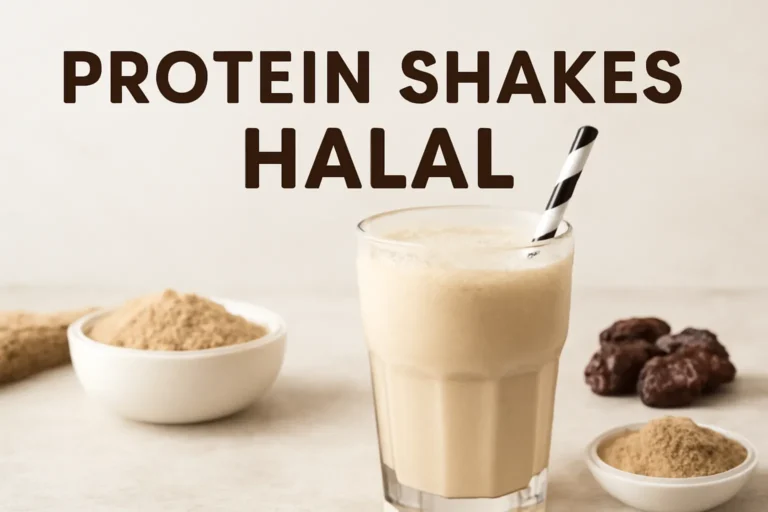
In the world of modern nutrition for athletes and active people, protein shakes halal offer a practical way to support training goals without compromising faith or dietary guidelines. Whether you are chasing lean muscle, faster recovery, or improved performance, choosing halal-certified protein shakes means you can align your nutrition with your values. This article explores the landscape of halal protein shakes, explains how to evaluate products, and provides practical guidance to help you select the best options for your fitness journey.
Understanding halal in the context of protein shakes
The term halal refers to foods and ingredients prepared according to Islamic dietary laws. For a protein shake to be considered truly halal, it must not contain any haram (forbidden) components such as porcine derivatives, non-permitted alcohol, or ingredients processed in ways that violate halal principles. It also means that the production process should minimize cross-contamination with haram products and that the facility uses equipment that is properly cleansed for halal use.
In practice, this translates to two key attributes you should look for when browsing the world of protein shakes halal:
Halal certification or a clearly disclosed halal status on the packaging. A credible certification body provides an audit trail and ensures suppliers adhere to established standards.
Ingredient transparency with no questionable additives—especially gelatin, alcohol-based flavorings, or enzymes derived from non-halal sources. If you see uncertain ingredients, it’s wise to contact the manufacturer or look for alternative products.
Some athletes prefer to prioritize plant-based options because these often present fewer questions about cross-contamination with animal products. Others rely on halal whey protein or blended halal protein powder formulas that provide a complete amino acid profile. The key is to align your choice with your dietary requirements and training goals while maintaining a clear standard for halal compliance.
Why halal protein shakes matter for fitness enthusiasts
For many people, nutrition is as important as training. Halal protein shakes respond to several concrete needs in sports and fitness contexts:
Muscle growth and repair require adequate daily protein. A halal shake can supply high-quality amino acids without forcing a compromise on beliefs.
Convenience and consistency—protein shakes provide a portable, easy-to-digest source of protein around workouts or as a quick meal replacement.
Recovery support—protein shakes with added ingredients such as creatine, BCAAs, or electrolytes can help with post-workout recovery while remaining halal.
Versatility—halal protein beverages come in many forms: ready-to-make powders, ready-to-drink bottles, and plant-based blends, which makes it easier to fit into different dietary patterns.
It’s also worth noting that the halal status of a shake can influence consumer trust. When brands pursue credible certification and maintain clean labeling, they often appeal not only to practicing Muslims but to a broader audience that prefers transparency and ethical sourcing. In that sense, protein shakes halal can be part of a broader movement toward better labeling and responsible production practices in the supplement industry.
Key ingredients to look for in halal shakes
If you are shopping for halal protein shakes, there are a few ingredient categories to pay attention to. The following guide can help you quickly assess the quality and halal suitability of a product.
Protein source—common halal options include whey protein (from cows or goats deemed halal), soy protein, pea protein, rice protein, hemp protein, and blends of plant proteins. Plant-based protein shakes are often naturally halal-friendly, but you should still verify certification and processing.
Sweeteners—look for natural or acceptable artificial sweeteners that do not come from prohibited sources. Common choices include sucralose, stevia, monk fruit, and erythritol. Some halal-certified products opt for erythritol or sugar alcohol blends for flavor balance.
Avoidance of haram additives—gelatin, pork-derived enzymes, and alcohol-based flavorings are examples of ingredients to watch out for. If in doubt, seek a product with clear halal labeling or certification.
Emulsifiers and thickeners—lecithin (soy or sunflower), xanthan gum, guar gum, and other plant-based emulsifiers are generally acceptable. Check that emulsifiers aren’t derived from haram sources.
Vitamins and minerals—many fortified shakes add minerals like calcium and vitamin D; ensure these additions come from halal-approved sources and do not introduce hidden haram components.
Allergen information—if you have allergies, make sure the product is produced in a facility that handles your allergen, and that allergen labeling is transparent.
When in doubt, contacting customer service or consulting the brand’s halal certification documents can clarify whether a specific protein shake halal product truly meets your standards.
Types of halal protein shakes
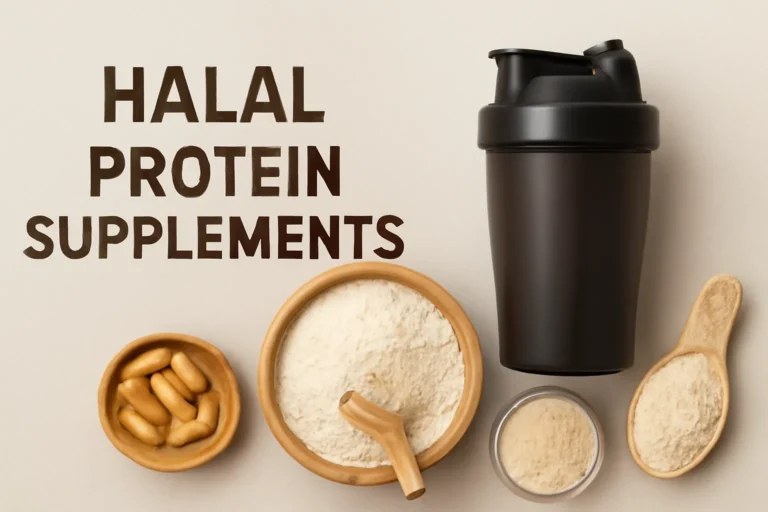
There are multiple categories of halal protein shakes that fitness-minded people commonly consider. Each category has its own advantages, depending on dietary preferences, tolerance, and training goals.
Whey-based halal shakes
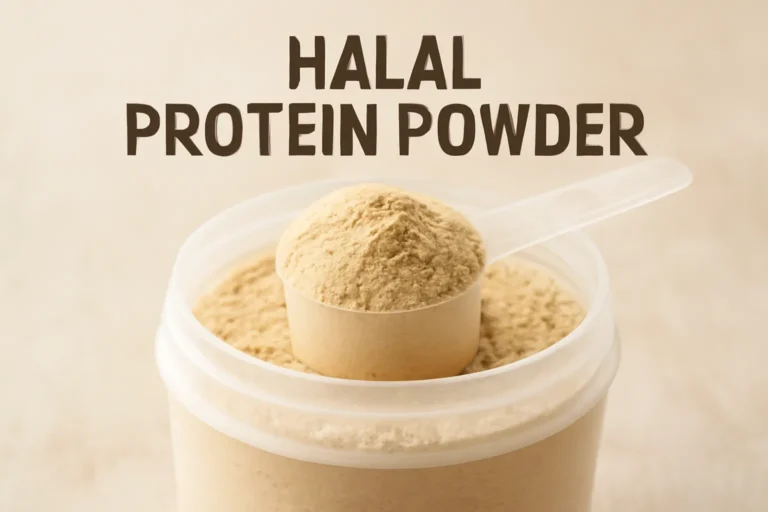
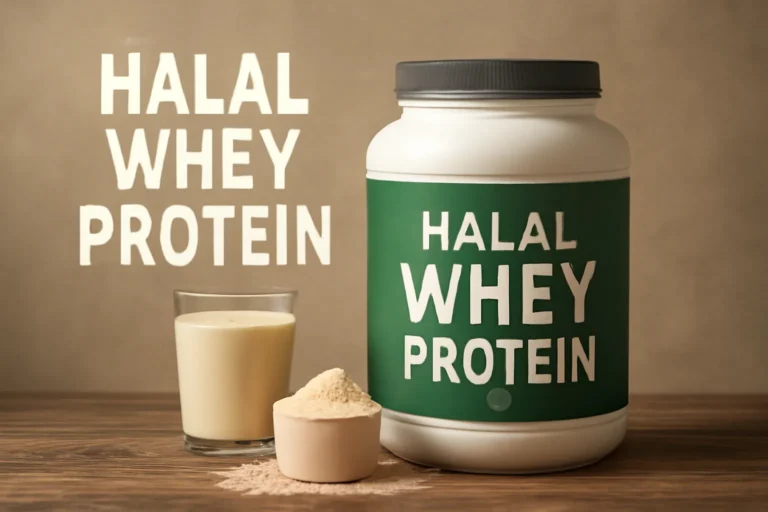
Whey protein remains a popular choice for athletes seeking rapid post-workout recovery and a complete amino acid profile. For the halal market, many whey products undergo halal certification to ensure the dairy source, processing, and packaging meet Islamic guidelines. Whey protein shakes halal often deliver high biological value, excellent digestibility, and a familiar flavor profile. However, it’s essential to ensure there is no alcohol-based extraction in any flavorings and that the packaging bears credible certification marks.
Plant-based halal shakes
Plant-based protein shakes are frequently favored for their clean labels and compatibility with vegan or dairy-free diets. Halal-certified plant proteins may derive from peas, fava beans, rice, hemp, or blends that maximize essential amino acids. These shakes are often hypoallergenic compared with dairy-based formulas and can be easier to digest for some people. When you choose a halal plant-based option, look for complete amino acid profiles or blends that compensate for limiting amino acids found in single-protein formulas.
Egg protein and dairy-egg blends
Egg white protein is another viable halal option, offering a high-quality protein source with minimal fat. Egg-based shakes can be appealing for people who want an alternative to dairy or soy. If you choose an egg-based product, verify halal certification and ensure there are no alcohol-based flavorings or other haram additives. Some athletes appreciate the clean taste and low allergen risk associated with egg proteins.
Hybrid and multi-protein blends
A growing segment of the market consists of hybrid protein shakes that combine whey, casein, plant proteins, and sometimes collagen or fortified ingredients. These blends can offer a sustained amino acid release, convenient for different training schedules. Halal-certified blends may balance fast-digesting and slow-digesting proteins, supporting both immediate recovery and longer-lasting satiety, depending on your needs.
Certification and trust: How to verify halal status
One of the most important steps when selecting protein shakes halal is to verify certification and the credibility of the label. Here are practical steps you can take:
Look for recognized halal logos from credible halal authorities. Certifications from established bodies like IFANCA, JAKIM, HMC, MUIS, or local recognized agencies provide a degree of trust that the product adheres to halal standards.
Read the packaging carefully for clear statements like “halal-certified,” “halal-compliant,” or “halal-compliant with certification.”
Check the ingredient list for haram components (porcine derivatives, alcohol, gelatin from non-halal sources, or enzymes of haram origin). If you are unsure about a specific ingredient, contact the manufacturer for clarity.
Consider the production facility—a credible halal program often requires equipment cleaning protocols and dedicated production lines or validated sanitization processes to prevent cross-contamination.
Review the certificate validity—certificates expire and require renewals. A product that once had halal certification may lose it if production processes change. Always check the current certification status on the packaging or the brand’s official site.
For many consumers, a combination of a clear halal certification and transparent labeling provides peace of mind. Some people prefer halal protein shakes that are not only certified but also backed by third-party audits and routine surveillance by the certifying body. The extra due diligence can be worthwhile, especially if you rely on protein shakes to support daily nutrition and training cycles.
Choosing the best halal protein shake for your goals
The best halal protein shake for you depends on your fitness objectives, dietary preferences, and tolerance for taste and texture. Here are practical guidelines to help you select the right option for your plan.
Muscle gain and strength—look for a higher protein per serving, typically in the range of 20–30 grams, with a balanced mix of essential amino acids. If you train intensely, consider blends that include a slightly higher leucine content and a fast-digesting protein source, such as whey, to optimize muscle protein synthesis.
Weight management—protein shakes with moderate calories and added fiber can help with satiety. Plant-based isolates or blends with healthy fats and fiber can be advantageous for a balanced, filling shake.
Endurance and recovery—some formulations add electrolytes or branched-chain amino acids to support recovery after long sessions. If you engage in endurance activities, you may prioritize products with easy digestibility and minimal digestive burden.
Allergen considerations—if you have dairy, soy, gluten, or nut allergies, select a product that explicitly states allergen information and uses allergen-free facilities where possible.
Flavor and mixability—taste preferences vary greatly. Some halal shakes are designed for smooth texture and minimal clumping, while others aim for bold flavors. If you’re sensitive to sweetness, consider options with natural sweeteners or lower sugar content.
In addition to these goals, you may want to consider clean-label decisions—products with minimal artificial additives, no artificial colors, and transparent sourcing. A good practice is to compare two or three halal-certified options, then rotate them to avoid flavor fatigue and maintain dietary interest.
Flavor, texture, and mixability considerations
One practical barrier for many users when choosing protein shakes halal is flavor and texture. The experience of drinking a shake should be enjoyable enough to sustain consistency, especially during busy training weeks. Here are factors to weigh when evaluating flavor and texture:
Flavor options—chocolate, vanilla, strawberry, banana, mocha, and specialty blends are common. Some brands offer desserts-inspired flavors like cookies and cream or salted caramel. If you have a preferred flavor profile, check whether the halal version aligns with that taste.
Texture—protein powders can vary from very smooth to slightly gritty. Plant-based blends often have a different mouthfeel than dairy-based options, due to fiber and different protein matrices. If possible, read reviews or try sample packs before committing to a large tub.
Mixability—consider how well the shake blends with water, milk, or non-dairy milk. On-the-go users benefit from fast-dissolving powders that require minimal shaking or blending time.
Digestibility—some people digest whey more easily, while others prefer plant-based options that avoid lactose. Halal status is independent of digestibility, but it can influence your personal experience with the product.
Texture enhancers—some formulas include fiber or gums to improve fullness, which can affect the perception of texture and satiety. Ensure these ingredients are halal and clearly labeled.
When you experiment with flavors and textures, keep notes about how each option supports your training, recovery, and daily protein intake. A short log can help you identify the best halal shakes for your routine, and you’ll be more likely to stay consistent with your protein timing.
Brands, products, and practical shopping tips
The market for halal protein shakes continues to grow, with many brands offering halal-certified lines or clearly disclosed halal status. Since product formulations change and certification statuses can evolve, here are practical tips to guide your shopping experience:
Start with the certification and source—ensure there is a recognized halal certificate on the packaging or the company’s product page, and that the protein source aligns with halal guidelines.
Read the full ingredient panel—transparency matters. Avoid ambiguous ingredients and be wary of unclear terms like “natural flavors” without disclosure of the source.
Check for cross-contamination statements—reputable brands may state their products are manufactured in facilities that adhere to halal clean-room practices or are segregated to avoid cross-contamination with haram ingredients.
Compare amino acid profiles—for muscle-building goals, ensure the shake provides a robust essential amino acid profile and, if possible, higher leucine content per serving.
Consider serving size and protein density—some shakes deliver 15–20 grams per scoop, while premium options may reach 25–35 grams. Depending on your daily protein target, you may need multiple servings or higher-density formulas.
Look for fortifications—some halal protein shakes include added vitamins, minerals, omega-3s, or probiotics. These can be beneficial for overall health and training adaptation, provided they align with halal standards.
In practice, the best approach is to create a short list of two to four halal-certified options that meet your budget and taste preferences. Try sample sizes if available and track which ones satisfy your protein needs without introducing digestive discomfort or flavor fatigue.
Recipes and practical ideas: incorporating halal shakes into your routine
Ready-to-use halal protein shakes are convenient, but you can also craft delicious, nutrition-dense beverages using halal-certified protein powders. Here are some practical ideas that showcase the versatility of protein shakes halal in everyday fitness routines.
Classic chocolate banana shake (halal)
1 scoop of halal-certified chocolate whey or plant-based protein
1 cup unsweetened almond milk or dairy milk (halal-certified if needed)
Milk-based vanilla protein shake with oats (halal)
1 scoop vanilla halal whey or blend
1 cup milk (dairy or plant-based, halal-approved)
1/4 cup rolled oats
1/2 teaspoon vanilla extract
Ice as needed
Oats add complex carbohydrates, helping to replenish glycogen after endurance training while the protein supports muscle repair.
Peanut butter energy shake (halal)
1 scoop peanut protein or plant-based protein
2 tablespoons natural peanut butter (check for halal status)
1 cup soy, almond, or cow’s milk (halal-certified)
1 small date or a teaspoon of honey (optional)
Combining protein with healthy fats helps with satiety and sustained energy, making this a good option for daytime fueling or a mid-afternoon snack.
Practical considerations for purchasing and storage
To maximize the benefit of halal protein shakes in daily life, keep a few practical considerations in mind:
Storage and shelf life—store protein powders in a cool, dry place. Once opened, seal tightly and use within the timeframe recommended by the manufacturer to preserve flavor and potency.
Portion control—measure scoops carefully if your shake plan relies on precise protein targets. Some brands use different scoop sizes, so always check the label.
Storage variety—if you rotate between flavors or protein sources, consider keeping two or three halal-certified options on hand to avoid flavor fatigue while maintaining nutritional balance.
Travel-friendly options—look for single-serving sachets or travel-ready bottle formats that keep you consistent when you’re away from your kitchen or gym.
Budget considerations—quality halal protein can be an investment. Compare price per gram of protein, not just per tub, and consider bulk purchases or loyalty programs when you find reliable halal-certified options.
By incorporating these halal protein shakes into your routine with a thoughtful shopping approach, you can maintain nutritional integrity and stay aligned with your faith while pursuing fitness goals.
Below are some common questions people have about protein shakes halal and how to use them effectively in a fitness plan.
Are all whey proteins halal? Not automatically. Look for a halal-certified label or certification from a recognized halal authority. Some whey proteins come from dairy sources with non-halal processing, so it’s essential to verify.
Can plant-based protein shakes be halal? Yes. Plant-based proteins such as pea, rice, hemp, and blended formulas are typically halal-friendly when produced in certified facilities and labeled accordingly. Always check the certification on the package.
Is there a difference between halal and kosher protein shakes? Both sets of standards emphasize clean sourcing and processing, but certification bodies and guidelines differ. Some products are certified as both halal and kosher, which can be a convenience for people who observe either set of laws.
What should I do if I’m unsure about an ingredient? Contact the manufacturer for clarification. You can also search the certifying body’s database for product approval status and certificate validity.
Do halal shakes contain alcohol? A properly certified halal product should not contain significant amounts of alcohol in flavorings or processing. Always read the label or certification details to confirm.
Conclusion: embracing halal protein shakes as part of a balanced fitness plan
The landscape of halal protein shakes offers a valuable pathway for fitness enthusiasts who want to honor their dietary and religious commitments while pursuing performance goals. By understanding what makes a product halal, evaluating ingredients and certifications, and exploring a range of protein sources—from halal whey to plant-based halal protein blends—you can tailor a supplementation strategy that fits your lifestyle. Whether you are focused on muscle gain, endurance, recovery, or overall wellness, the best halal protein shakes are those that combine reliable protein delivery with transparent labeling and robust certification. As the market evolves, you can expect more diverse options, flavorful choices, and innovative formulations that meet the needs of a global, diverse audience. With mindful selection and consistent use, protein shakes halal can play a meaningful role in helping you reach your fitness targets while staying true to your values.


Deja una respuesta