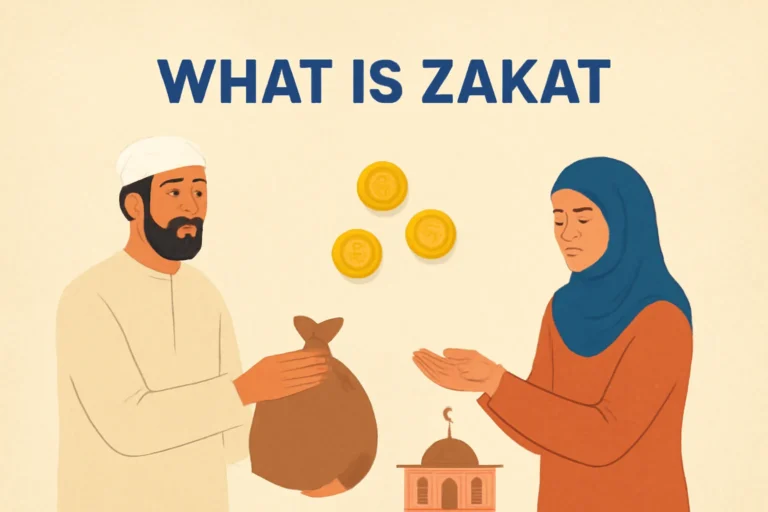
Zakat is one of the five pillars of Islam and functions as a formal, mandated form of charitable giving. It is more than philanthropy; it is a religious duty that seeks to purify wealth, redistribute resources, and support the social fabric of the Muslim community. In traditional terms, the word zakat means purification or growth—the idea that wealth becomes purer and more blessed when part of it is given to those who are less fortunate.
This article offers a practical guide to understanding zakat, including its main forms, the conditions that trigger it, how to calculate it, who may receive it, and the steps to fulfilling this obligation in daily life. We will use various terms that describe the same concept to reflect the semantic breadth you will encounter in Islamic scholarship and practice: zakat al-mal (zakat on wealth), zakat al-zakah (an emphatic way to say the same ritual duty), al-zakat or simply the zakat, alms as a broad English descriptor, and Zakat on wealth and assets as used by contemporary guides.
Categories of Zakat: What It Covers
Zakat is typically associated with wealth, cash, and assets. Yet there is also a distinct and widely observed obligation known as Zakat al-Fitr, commonly referred to as Fitra or Fitr al-Saadah, which is a community-wide charity due at the end of Ramadan to help the very poor celebrate Eid al-Fitr. In addition to traditional wealth-based zakat, some communities discuss zakat on agricultural produce or zakat on livestock as separate categories governed by specific rules.
What is Zakat al-Mal? Zakat on Wealth
The central form of zakat for most Muslims is zakat al-mal, the duty on accumulated wealth of a certain threshold. This obligatory zakat is not paid on every possession or item but on wealth that has been held for a full lunar year (a period known as hawl) and surpasses a specified minimum amount, called the nisab.
Zakat al-mal is designed to be a concrete, predictable act of social welfare. Its aims include:
Redistributing wealth from the affluent to the poor and needy.
Promoting economic balance by reducing disparity in access to resources.
Strengthening community solidarity and interdependence among Muslims.
Encouraging responsible stewardship of money, property, and business assets.
Zakat on Fitrah: The Fitr Charity
Zakat al-Fitr, commonly called Fitrah, is a separate obligation tied to the end of Ramadan. It is typically a fixed amount or a small bag of staple food that a Muslim person or household pays on behalf of themselves and dependents. Its purpose is to purify the fast and to provide for the less fortunate so they can participate in the celebratory meal of Eid.
The amount and form of zakat al-Fitr can vary by tradition and locality. It is often calculated in terms of a weight or currency equivalent of staple foods, such as barley, wheat, dates, or staple grains, and it is commonly paid before the Eid prayer.
Calculating Zakat: Core Principles and Terms
To properly fulfill the duty of zakat, you must understand a few core terms and conditions that determine eligibility, timing, and rate. Here are the most important concepts:
Nisab: the minimum wealth threshold that makes a person liable for zakat. If your wealth does not reach this threshold, zakat is not obligatory on you for that year.
Hawl: the lunar year during which your zakat-eligible wealth has remained in your possession. If you meet the nisab and maintain it for a full hawl, zakat becomes obligatory.
Ahliya or eligibility: not all wealth is zakatable. Personal necessities, debts, and certain liabilities can be deducted when calculating zakat on wealth.
Rates: the standard rate for zakat on wealth is typically 2.5% of zakatable assets that have been held for a hawl. Other forms of zakat (like agricultural zakat) may have different rates.
In practice, many Muslims adopt a modular approach: first determine the nisab, then assess which assets qualify after subtracting essential personal needs and debts, then apply the correct rate to the portion of wealth that remains zakatable.
Who Is Eligible to Receive Zakat?
The Qur’an specifies eight categories of recipients known as asnaf who may receive zakat. This division remains central to how charitable funds are allocated. The eight categories are:
The poor (al-fuqarā’) who lack enough to meet basic needs.
The needy (al-masākīn) who may have some resources but still struggle to satisfy essentials.
Those employed to collect zakat (al-’āmilīn) who help administer the zakat system.
Those whose hearts are to be reconciled (al-mu’allafū qulubuhum) — individuals whose support strengthens ties with the community or with Islamic causes.
To free slave or captive (rīqāb) in historical contexts; modern applications may include assisting prisoners or people in bondage in a broader sense when permissible.
Those in debt (al-gharīmīn) who cannot meet their obligations due to burdens they cannot bear alone.
Those in the path of Allah (fī sabīlillāh), which includes charitable activities that promote religious or social welfare.
The traveler in need (ibn as-sabīl), a person stranded or far from home with insufficient resources.
Knowing these categories helps ensure that zakat funds are distributed in a manner consistent with Islamic law and community norms. It also clarifies the intention behind zakat: it is not a charity in the general sense, but a structured obligation with a defined social purpose.
How to Calculate Zakat on Wealth: A Step-by-Step Guide
Calculating zakat on wealth can seem technical, but it becomes straightforward with a clear checklist. The following steps reflect a practical approach used by many Muslims today:
Identify zakatable assets in your possession. This typically includes cash, savings, stocks, retirement accounts, rental income, business inventory, and other liquid assets. It may also include certain receivables and cash equivalents.
Determine the nisab for the year. The nisab is often calculated using the current value of gold or silver. Many Muslims use the gold nisab (roughly equivalent to 85–90 grams of gold, but you should check the latest standard used in your community).
Subtract personal use and essential debts. Personal items, family living expenses, and essential debts that are payable should be excluded from zakatable wealth where possible.
Apply the hawl rule. If the remaining zakatable wealth has been in your possession for a full lunar year, you are generally obligated to pay zakat on it. If not, you must wait until a full hawl passes.
Calculate the zakat amount. The standard rate is 2.5% of the zakatable wealth that has reached the nisab and completed a hawl.
Distribute the zakat. Direct the payment to eligible recipients (the eight asnaf) or donate through a trusted zakat organization that adheres to the rules of zakat distribution.
A practical tip: keep a zakat journal or digital record. Note dates, asset values, debts paid, and distributions. This makes annual calculation easier and helps you provide receipts for accountability and transparency.
Zakat on Gold and Silver: Precious Metals and Wealth
Gold and silver are traditional forms of wealth that trigger zakat when held above the nisab threshold and after a hawl. The exact nisab can be calculated using the market value of gold or silver on the calculation date. Some communities prefer using the gold standard, while others use silver due to economic considerations. The general rule remains that when your gold and/or silver holdings exceed the nisab and have remained in your possession for a lunar year, you owe zakat at 2.5% of their value.
Important notes:
Personal possession (such as a wedding ring or a family heirloom) is typically exempt if used in daily life and not held primarily as an investment asset.
When accountants or wealth managers calculate zakat for a trust or company, they usually treat physical bullion and cash equivalents separately but apply the same 2.5% rate to zakatable portions above the nisab.
Some jurists distinguish between gold as wealth and coins that have no practical use beyond investment; the zakat rules apply to the wealth that is held for speculation or income. Always check with a qualified scholar if you are unsure about a specific asset class.
Agricultural zakat (zakat al-fuluh or zakat al-zara’) and livestock zakat have their own rules. The rates depend on whether irrigation is natural or artificial, and on the type and number of animals. This section provides a practical overview for farmers and rural communities.
If crops are irrigated naturally by rain or natural means without human intervention, the zakat rate is typically lower (often around 10%). If the irrigation requires significant human effort or equipment, the rate may be higher or the threshold adjusted per local scholarship. The precise rate can vary by school of thought and local practice.
In practical terms:
Keep accurate records of crop yields, acreage, and irrigation methods.
Consult local scholars or a trusted zakat organization for the applicable nisab and rate in your region.
Distribute the zakat to eligible recipients from the community, prioritizing those who need it most.
Livestock
Zakat on livestock is calculated according to the number and type of animals owned as assets at the zakat due date. Typical guidelines include:
For camels, a certain number triggers zakat at a specified rate, often paid as a single animal or its equivalent value.
For cattle (such as cows and bulls) and sheep, different thresholds apply. When the herd reaches those thresholds, zakat is due at a fixed percentage or proportion.
The practical process involves counting animals, determining the zakat category, and distributing the due portion to the eight asnaf.
Guidance from local scholars and zakat organizations is important here, since the exact figures depend on the number of animals and the local juristic opinions in your area.
Zakat on Business Inventory and Trade Goods
Business owners must often calculate zakat on inventory or goods held for sale. In this case, zakat is typically calculated on the merchandise stock that remains unsold at the zakat due date, not on everyday operational items. The regular rate is usually 2.5% of the net value of inventory that has sat for a hawl, after deducting debts and costs associated with the business.
Practical considerations for merchants:
Separate zakatable inventory from fixed assets and personal items.
Include accounts receivable and other cash equivalents that are expected to be collected.
Deduct legitimate business debts that reduce net zakatable wealth.
Distribute zakat to eligible recipients, prioritizing the eight asnaf as per Islamic guidance.
Zakat on Debts, Receivables, and Personal Liabilities
A common question is how to treat debts and receivables in zakat calculations. Many jurists agree that:
Debts owed by the zakat payer that are payable within the year generally reduce the amount of zakatable wealth.
Receivables may be counted as part of zakatable wealth if they are expected to be collected and have a reliable basis for belief.
When a person is in significant debt, zakat creditors may be more constrained and careful with calculation to avoid hardship while ensuring compliance with religious obligations.
The goal is to assess net wealth that is truly at the holder's disposal, not assets tied up in obligations or assets that cannot be easily accessed or converted to cash for the benefit of those in need.
Payment Timing, Methods, and Accountability
Practical execution of zakat payments depends on personal circumstances, community norms, and local financial infrastructure. Here are practical options:
Annual payment based on the hawl that ends in a particular month or time that you designate as your zakat anniversary.
Payment to recognized zakat organizations or directly to eligible recipients within your mosque, community center, or charitable programs.
Clear documentation and receipts for every zakat payout, which improves transparency and accountability.
When choosing how to pay, consider:
Alignment with the asnaf categories and ensuring the recipients are eligible for zakat.
Reliability and transparency of the organization or individual receiving the zakat.
Compatible reporting for personal or family records, especially for tax or charitable deduction purposes in jurisdictions that recognize charitable giving.
Common Mistakes and Best Practices in Zakat
As with any religious duty, avoiding common pitfalls helps ensure compliance and a meaningful experience. Some frequent mistakes include:
Paying zakat on items that do not meet the nisab or fail to reach hawl.
Double-counting or omitting certain assets like intangible investments without clear guidelines.
Confusing zakat with general sadaqa (voluntary charity) or community fundraising that is not zakat-eligible.
Neglecting to differentiate between zakat al-mal and zakat al-fitr, and missing the proper timing for each.
Distributing zakat to non-eligible recipients or failing to follow the eight asnaf categories.
Best practices include:
Consulting a knowledgeable scholar or a trusted zakat organization when in doubt about nisab, hawl, or rates in your locale.
Keeping meticulous records of assets, debts, and changes in wealth year by year.
Using reliable calculators or software designed for zakat computation that reflect current scholarship and local practice.
Practical Steps and a Simple Zakat Checklist
The following practical steps are designed to help individuals, families, and small business owners navigate zakat obligations with clarity:
Assess your wealth and determine which assets qualify for zakat.
Calculate the nisab using your local authority or a standard reference in your community.
Compute deductions for debts and essential living costs where applicable.
Check the hawl to confirm that zakatable wealth has remained for a lunar year.
Determine the zakat amount at the standard rate of 2.5% for wealth-based zakat, and apply appropriate rates for other types of zakat (agriculture, livestock, etc.).
Decide on recipients by choosing from the eight asnaf or a transparent, reputable zakat institution.
Pay promptly to maximize the social impact and spiritual benefit of the obligation.
Document the process with receipts, notes, and annual summaries for future reference and accountability.
Zakat and Social Impact: Why It Matters
Beyond the mechanics of payment, zakat represents a deeply communal practice. It is a formal mechanism for wealth circulation, social safety nets, and moral accountability. In many communities, zakat funds help:
Provide essential needs for the poor and the needy, ensuring basic food, shelter, and medical care.
Support education and skills development for individuals who otherwise could not access opportunities.
Strengthen familial and community bonds by demonstrating shared responsibility for vulnerable members.
Promote dignified ways for recipients to become independent and contributing members of society.
Frequently Asked Questions About Zakat
Here are concise answers to some common questions. If your situation is unusual, seek guidance from a qualified scholar or a reputable zakat organization.
Can I pay zakat directly to relatives?
You may, but some jurists advise prioritizing non-relatives who are in need or ensuring that you do not undermine family obligations. The key is that the recipients must be eligible and deserving according to the asnaf categories.
Is there a fixed amount for zakat al-Fitr?
The amount varies by community and local prices for staple foods. It is typically a modest sum or a fixed weight of staple food that is affordable and sufficient to meet basic needs for a family.
What if my wealth fluctuates a lot during the year?
If your wealth frequently crosses the nisab threshold, you should still calculate zakat at the end of the hawl on the wealth you hold that meets the nisab. Some scholars suggest giving zakat on the portion that has remained consistently above the threshold, while others apply the annual approach to fluctuations, so consult a trusted authority.
Can I pay zakat online?
Yes. Many reputable organizations offer secure online zakat payments. Ensure the organization is credible, follows Islamic guidelines for zakat distribution, and provides transparent receipts.
How do I ensure the zakat reaches those in need?
Work with recognized zakat programs, mosques, or charitable institutions that maintain strict eligibility criteria, track disbursements, and publish annual reports on how funds were used.
Conclusion: Zakat as a Practical Spiritual Discipline
Zakat is not merely a financial transaction; it is a practiced discipline that combines faith, ethics, and social responsibility. By fulfilling this duty, a Muslim participant aligns wealth with moral purpose, strengthens the social safety net, and expresses gratitude for divine provision. The scope of zakat covers not only cash and property, but also the health of families, the educational opportunities for children, and the economic vitality of entire communities.
Whether you are calculating zakat on cash, on gold and silver, on agricultural produce, or on business inventory, the underlying aim remains the same: to purify wealth, cultivate generosity, and promote social justice. In this sense, zakat can be understood as a practical instrument for holistic well-being—economic, spiritual, and communal.


Deja una respuesta