What is Zakat? An Overview of the Definition and Its Role in Islamic Charity
Zakat is frequently described in several ways, each capturing a facet of its meaning and function within a Muslim’s life. In its broadest sense, Zakat is the Islamic obligation to engage in charitable giving as a form of worship and social responsibility. In the narrow sense, it is a fixed percentage of certain types of wealth that a Muslim must pay annually to eligible recipients. Some scholars emphasize its linguistic roots, noting that the word zakat means both purification and growth, implying that wealth purifies one’s soul and that generosity leads to spiritual and social flourishing. In everyday practice, people describe it as obligatory charity, alms with a duty, or the purification of wealth through giving. The multiple shades of meaning are not contradictory; rather, they reflect the layered purposes of zakat: cleansing wealth from excess and miserliness, aiding those in need, and fostering a more just and cohesive community.
In many communities, you will encounter phrases like zakat al-mal (the zakat on wealth) to distinguish this annual duty from other forms of charitable giving such as sadaqah (voluntary charity) and kalimat of encouragement toward virtue. A helpful way to frame the idea is:
Definition breadth: Zakat can be described as a mandatory act of worship, a legislative measure for wealth distribution, and a means of spiritual refinement.
Definition depth: It is both a financial obligation and a moral motivation to use one’s resources for the common good.
Definition scope: It covers specific types of wealth and follows precise calculations and recipients as prescribed in Islamic law.
This article presents a comprehensive, clear guide to definition, calculation, and practical application of zakat. It aims to offer semantic breadth—so you can see zakat as concept, practice, and legal obligation—without losing sight of its spiritual and social aims.
Origins, Meaning, and the Thematic Purpose of Zakat
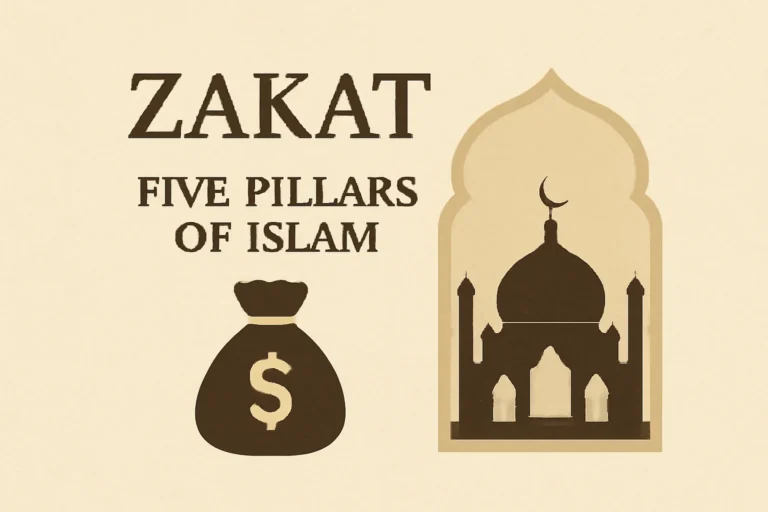
Islamic tradition frames zakat as one of the Five Pillars of Islam, alongside the declaration of faith, prayer, fasting during Ramadan, and the pilgrimage to Mecca. This placement signals that zakat is not merely a charitable act; it is an integral component of worship and personal discipline that shapes a Muslim’s relationship with wealth, society, and Allah. The root meaning of zakat emphasizes the idea of purification (from greed) and growth (in moral and social scales). Over time, scholars have expanded the definitions to include:
Purification of wealth from extravagance and miserliness, ensuring that money serves divine purposes rather than self-centered accumulation.
Social equity by redistributing wealth to those in need, thereby reducing poverty and strengthening community bonds.
Spiritual discipline through regular obedience, gratitude, and reliance on God’s provision.
In addition to its religious significance, zakat also functions as an economic tool—promoting liquidity and capital circulation within an economy. By moving money from those with surplus to those with need, zakat can help stabilize markets, reduce cycles of deprivation, and encourage investment in productive activities. For many Muslims, the practice of zakat embodies a continual reminder that wealth is a trust rather than an entitlement. This sense of responsibility helps frame zakat as not optional, but as a requirement for a healthy, balanced society.
Zakat as a Pillar of Islam: Definitions, Variants, and Distinctions
Different ways to define zakat
Because zakat sits at the intersection of faith, law, and ethics, it has several commonly used definitions. Here are some important variations:
Obligatory almsgiving within Islam, a divine command that obligates eligible Muslims to give a portion of their wealth.
Purification of wealth – a practical meaning that wealth is purified by removing the taint of greed and hoarding.
Fixed-rate charity – zakat is typically a fixed percentage (often 2.5%) applied to specific classes of wealth after the passing of a specified period (hawl).
Social welfare mechanism – a means of supporting vulnerable populations and enhancing social cohesion.
Economic redistribution – a system that channels funds toward the poor, debtors, travelers, and other categories in need.
These definitions are not contradictory; they reflect the multifaceted aims of zakat. In practice, many Muslims use the term interchangeably depending on context: religious observance, legal obligation, financial planning, or social service. Understanding zakat in this plural sense helps both laypeople and scholars articulate its significance in daily life.
One phrase you will hear: zakat al-mal
In Islamic jurisprudence, the phrase zakat al-mal refers specifically to zakat on wealth or property as opposed to zakat on livestock or agricultural produce, which have distinct rulings in classical fiqh (jurisprudence). The al-mal portion highlights that the zakat being discussed is tied to material possessions—money, gold and silver, business inventory, investments, and other forms of capital. A practical takeaway is that zakat al-mal involves calculating a 2.5% obligation on zakatable wealth under defined conditions.
Al-zakah – a transliteration used in many Muslim communities to refer to the same obligation.
Zakāt – another common transliteration; some scholars use it to emphasize the vocalization of the Arabic term.
Sadaqah – voluntary charity, distinct from zakat but often administered side by side in charitable programs.
Who Must Pay Zakat and Who Receives It?
The obligation of zakat rests on a person who possesses wealth beyond a certain threshold for a full lunar year and who meets other eligibility conditions. The payer is called a zakat payer or muztakki in some traditions, while the recipients are defined with specific categories in the Qur’an and hadith. Importantly, zakat is not universal charity; it is a targeted obligation with precise rules.
Eligibility for the payer
The person must be an adult and sane; minor children generally do not owe zakat themselves, though guardians may pay on behalf of dependents if applicable.
Your wealth must exceed the nisab threshold for a full hawl (lunar year). If you are under the nisab, you do not pay zakat on that wealth for that year.
The wealth must be in your possession for a full lunar year, unless specific conditions apply (for example, certain types of income or newly acquired wealth). The sentence and rules for different asset types can vary by school of law.
Eight categories of recipients
In Islamic law, the Qur’an specifies eight groups of zakat recipients, often organized into two broad purposes: relief for those in need and support for the community’s institutional infrastructure. The traditional eight categories are as follows:
Al-fuqara – the poor who have little to no means to meet basic needs.
Al-masakin – the needy whose condition is more severe or whose poverty is more evident, sometimes interpreted as those in a worse situation than the fuqara.
Al-amilina alayha – zakat collectors or administrators who are responsible for collecting and distributing zakat.
Al-muallafatu quloobuhum – those whose hearts are to be reconciled, often interpreted as new Muslims or others whom the community wants to strengthen in faith or social ties.
Ar-riqaab – freeing captives or slaves (in historical contexts); today, some scholars interpret this as support for freeing those from oppression or supporting prisoners and individuals who are in bondage due to debts or social conditions, depending on context.
Al-gharimin – debtors who cannot pay their debts and meet basic needs due to their obligations, provided the debt is legitimate and not incurred through extravagance or disreputable activity.
Fi-sabilillah – in the path of Allah, often understood to include charitable projects that advance communal welfare, education, and defense in historical contexts; in modern usage, it can cover a wide array of benevolent projects that benefit the public good.
Ibn as-sabil – travelers in need who have become stranded or destitute during their journey, and require support to complete their travel or return home.
These categories are guidelines that help determine who should receive zakat and how funds should be allocated. In practice, many mosques, charities, and Muslim communities tailor distribution to the local context while remaining faithful to these categories. Some contemporary interpretations add nuance to the categories or emphasize transparent governance and accountability in the distribution process.
What Counts as Zakatable Wealth? A Practical Guide to Eligible Assets
Cash, savings, and liquid assets
Most Muslims owe zakat on cash holdings and liquid assets once they reach nisab and survive the hawl. This includes money held in bank accounts, savings, and other readily liquid funds. The calculation is usually straightforward: determine the total zakatable cash and apply 2.5% if the year-long threshold is met. If you have debts you will pay within the year that are due, many scholars say you may deduct those from the zakatable wealth before applying nisab and the rate, though you should confirm with your local imam or school of thought because there can be slight differences in practice.
Gold and silver
Gold and silver are classic forms of zakatable wealth. The nisab for gold and silver is typically based on their current market values rather than a fixed weight, using the nisab threshold values appropriate for your community. The widely cited standard is a nisab of approximately 87.48 grams of gold or 612.36 grams of silver, though many communities use the gold-based nisab because it is easier to compare to liquid assets. If your gold or silver holdings exceed the nisab after a lunar year, you owe zakat on the wealth equivalent to 2.5% of its value. Small amounts of gold/silver that remain below nisab do not require zakat, but it’s important to track long-term holdings and reevaluate as market prices change.
Business assets and inventory
For business owners, zakat is typically calculated on inventory and trade goods that are held for sale at the zakat-specified rate. The calculation method varies by school, but a common approach is to evaluate the net zakatable value of business assets: cash, receivables, inventory, and other assets that are readily saleable, minus immediate liabilities and debts related to the business. In many cases, zakat is due on the inventory and accounts receivable at 2.5% if the goods have been held for a full year. Some scholars also require zakat to be paid on profits generated from business ventures, depending on the source of income and local regulations or customs; this is often handled through annual accounting and professional advice.
Investments such as stocks, mutual funds, real estate intended for rental income, and other capital assets may be zakatable depending on how they are used and the liquidity they offer. If an investor holds shares or funds that generate returns, those returns may be zakatable if the underlying wealth remains above nisab after debt and other obligations are accounted for. For property that is rented out for income, zakat on the property itself is not typically due unless the property is part of a trader’s stock-in-trade; however, the rental income earned during the year may be subject to zakat if the total wealth surpasses the nisab. For investors, it is important to work with a knowledgeable advisor to determine whether zakat applies to their holdings and how to calculate it properly.
Debts and obligations
Debts that are due within the year can affect zakat calculations. If you owe money that must be paid soon, many scholars permit deducting those debts from your zakatable wealth before applying nisab and the 2.5% rate. The logic is practical: you should not pay zakat on money you cannot access because you still owe it to others. However, debts that are owed to you, or non-maturity liabilities, are generally not deducted. Always verify with a qualified authority or your local imam to apply the rules correctly in your jurisdiction.
Calculation: Step-by-Step Guide to Paying Zakat Correctly
Calculating zakat can be approached with a practical, step-by-step method. Here is a structured guide to help you compute zakat accurately. The steps below assume you have a basic understanding of what constitutes zakatable wealth and the nisab threshold. Always consult with a local scholar for your particular circumstance and school of thought, as practices can differ slightly across communities.
Step 1: Identify zakatable wealth
List all assets that could be subject to zakat. This commonly includes:
Cash at home and in bank accounts
Gold, silver, and precious metals held for wealth storage
Investments such as stocks, mutual funds, and bonds (if they produce wealth or are highly liquid)
Business inventory and trade stock held for sale
Receivables and incoming revenue from business operations
Other liquid assets and savings that are readily convertible to cash
Step 2: Determine nisab and hawl
Compute the nisab based on your local standard (gold-based nisab is common). Confirm that your zakatable wealth exceeds nisab for a continuous lunar year (hawl). If the wealth drops below nisab at any point during the year, some jurisprudents say zakat may not be due for that year, while others say it should be calculated for the portion of the year when nisab was exceeded. Your local authority or scholar can provide guidance tailored to your context.
Step 3: Subtract immediate debts and obligations
From your zakatable wealth, deduct any debts that are due within the year and that would reduce your ability to provide for your basic needs or that are legally enforceable. After this adjustment, you will have a net zakatable amount.
Step 4: Apply the obligatory rate
The standard zakat rate on eligible wealth is typically 2.5%. Multiply your net zakatable wealth by 0.025 to calculate the zakat due. Some cases may require different rates for particular assets or circumstances, but 2.5% is the most common rate for zakat al-mal.
Step 5: Decide how to distribute zakat
Distribute zakat to eligible recipients in accordance with your tradition and community guidelines. Many Muslims distribute zakat through local mosques, charitable organizations, or direct personal assistance. When collecting or distributing zakat, transparency and accountability are important; keep records of the amount collected, the recipients, and the dates of distribution.
Step 6: Document and recalculate annually
Keep thorough records. Review your zakat calculation every year or whenever there is a significant change in your financial situation. If your wealth increases or decreases, recalculate and adjust your zakat accordingly. Consistent practice helps maintain accuracy and ensures ongoing fulfillment of this obligation.
Practical Guidelines: Applying Zakat in Modern Life
When to pay zakat?
Most Muslims pay zakat once per year after completing the hawl. If a person’s wealth remains above nisab for a whole year, zakat is due on the accumulated zakatable wealth. Some communities set up annual zakat campaigns tied to Ramadan or other times of the year for organizational purposes, but zakat can be paid at any time when the wealth criteria are met.
In markets where gold, silver, and other assets have volatile prices, use the current market value of the nisab threshold to determine whether you meet the threshold. If the market price of gold-based nisab changes, recalculate as appropriate. Don’t rely on last year’s figures; use current valuations to determine whether you owe zakat this year.
Ethical considerations in modern zakat giving
Many Muslims prefer to give zakat through trusted charities to ensure that funds reach the intended recipients. Ethical considerations include transparency, accountability, and the avoidance of double-dipping (i.e., giving zakat to someone who is already supported by other welfare programs). Some communities also encourage sadaqah in addition to zakat for additional generosity, while ensuring that the two categories do not cause confusion about what is obligatory and what is voluntary.
Common questions and answers
Can I pay zakat early? Yes, if you have the wealth and it is above nisab; many scholars allow paying zakat early. The important thing is that the wealth is zakatable for the entire hawl, and you have fulfilled the obligation at the appropriate time.
Do I owe zakat on inherited wealth? Zakat on inherited wealth can be complex. In many traditions, zakat is owed on wealth you possess and control, even if inherited, as long as it remains in your possession and meets nisab for a lunar year. Some schools of thought distinguish between inherited wealth and personal wealth. Consult a local scholar for precise guidance in your situation.
Is zakat different from tax? Zakat is a religious obligation in Islam, while taxes are state-imposed levies. In many countries, charitable giving may be deductible for tax purposes, but zakat itself remains a religious duty and is calculated independently of tax obligations.
Common Scenarios: Examples to Illustrate Zakat Calculations
Scenario A: A person with savings and gold
Ali has savings of $10,000 and 3 ounces of gold, valued at $2,000. The current nisab threshold is $3,000 (for illustration). Since Ali’s combined wealth exceeds nisab and has been held for a full year, he must pay 2.5% of the net zakatable wealth. If debts due this year total $1,000, Ali subtracts it from his wealth before calculating zakat. The net zakatable wealth is $11,000, and zakat would be $11,000 × 0.025 = $275. Ali distributes the $275 to eligible recipients per local guidelines.
Scenario B: A small business owner with inventory
Fatima runs a shop and holds inventory worth $20,000, cash reserves of $5,000, and owes $3,000 in regular debts due within the year. If the nisab threshold is exceeded by her total zakatable assets, Fatima calculates zakat on the net zakatable value. Assume her net zakatable wealth is $22,000 after debts deduction. Zakat would be 2.5% of $22,000, which equals $550. She distributes the zakat according to the eight categories of recipients.
Scenario C: An investor with stocks above nisab
Hassan owns a diversified portfolio valued at $50,000, with additional cash of $2,000. He owes $1,000 in short-term debt. The nisab is exceeded, so Hassan calculates zakat on the net zakatable wealth: $52,000 minus $1,000 = $51,000. Zakat would be $51,000 × 0.025 = $1,275. If some shares are non-liquid, consult a scholar to determine how to factor those assets into the calculation, since certain investments may be subject to different rulings.
Scenario D: No nisab, no zakat
Mina’s wealth is below the nisab threshold after accounting for debts. In this case, no zakat is due for that year. Even if Mina gives charitable donations or sadaqah, zakat itself is not obligatory unless the wealth surpasses nisab and meets the hawl requirement in the future.
Conclusion: The Purpose, Definition, and Practice of Zakat
In the best sense, Zakat is a balanced, principled approach to wealth that acknowledges God’s sovereignty over resources and our duty to others. Its definition has multiple valid expressions—from a strict legal obligation to a broader spiritual practice aimed at purifying wealth and fostering social justice. The calculation of zakat—whether on cash, gold, investments, or business inventory—follows structured rules that maintain consistency and fairness. The recipients are defined to prioritize relief for the vulnerable while supporting community infrastructure, institutions, and initiatives that promote justice and compassion. Finally, applying zakat in today’s world requires thoughtful planning, transparency, and a commitment to continual learning. With the right information and guidance, zakat can be a powerful instrument for personal growth, ethical stewardship, and the betterment of society.
As you engage with the practice, remember that the core idea behind all these definitions and calculations remains constant: giving with intention, accountability, and trust in God. Whether you describe it as al-zakah, zakat al-mal, or simply the obligatory charity, the fundamental aim is the same: to cleanse wealth of greed, support those in need, and contribute to a just and compassionate community.
For further study, consider consulting local scholars or a reliable charitable organization that specializes in zakat. They can help you navigate local customs, currency considerations, and jurisdiction-specific rulings, ensuring your zakat is calculated and distributed in a manner that aligns with both your faith and the needs of your community.



Deja una respuesta