What Meats Are Halal: A Quick Guide to Halal Meat and Certification
What Meats Are Halal: A Quick Guide to Halal Meat and Certification
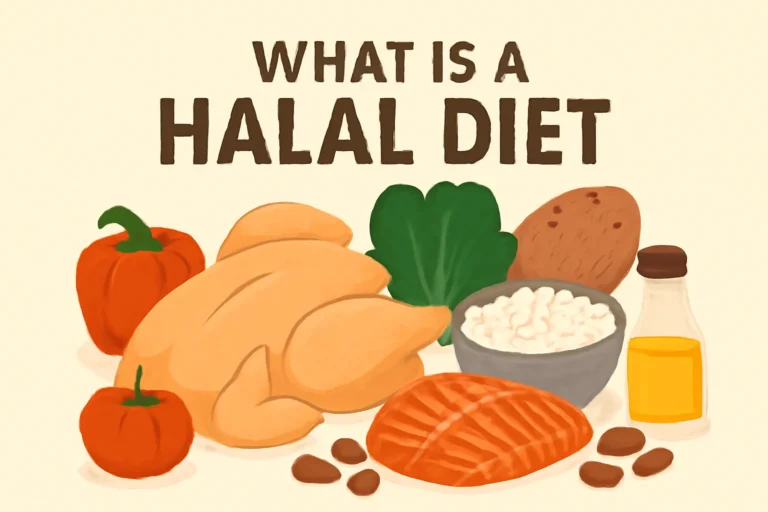
What Meats Are Halal: a quick guide to halal meat and certification helps shoppers and cooks navigate a complex landscape. Whether you are planning a family meal, stocking a halal butcher shop, or labeling products for a market, understanding halal rules, zabiha (the humane slaughter method), and the role of certification bodies can remove much of the guesswork. This article lays out the essentials in clear language, with details on which meats are typically considered permissible, how the slaughter process works, what counts as halal under different schools of thought, and how certification protects consumers and suppliers alike.
To understand halal meat, it helps to start with three core ideas:
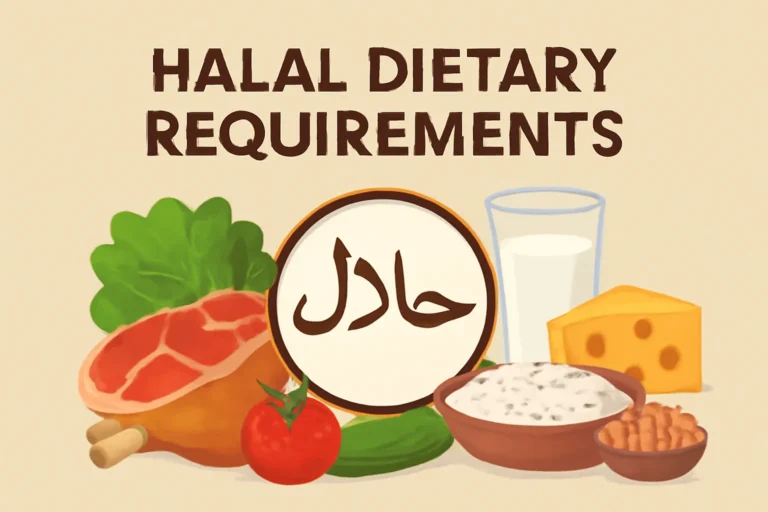
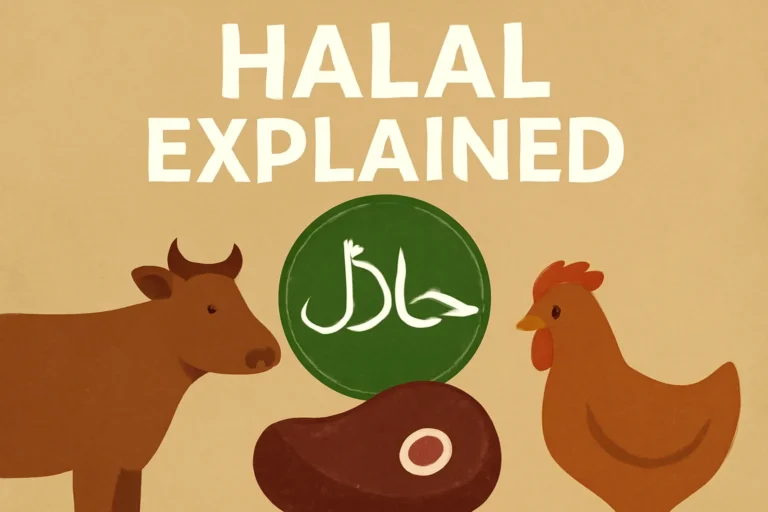
Halal means permissible or allowed under Islamic law. It applies to food, drink, and other actions, with specific rules about how animals are raised, treated, and slaughtered.
Haram means forbidden. Pork and pork by‑products are the most widely known haram foods, but other items must also be avoided if they are not prepared in a permissible way or contain prohibited substances.
Zabiha (sometimes spelled dhabīhah) refers to the humane slaughter method that complies with Islamic law. It emphasizes intention, blessing, minimal suffering, and proper technique.
The practical upshot is: for meat to be halal, the animal should be of a permissible species, be treated well during life, be slaughtered according to zabiha, and be free from haram additives or cross-contamination. Different jurisdictions and certifiers may interpret some details differently, but these principles are the common ground shared by most major halal standards worldwide.
What meats are halal?
The list of permissible animals is not a single menu; it evolves with religious rulings, cultural practices, and modern supply chains. Below are the most common categories people encounter.
Beef and veal
Beef and veal (the meat of cattle) are among the most frequently halal meats when the animal is slaughtered according to zabiha and the facility adheres to halal standards. In most halal markets, you will find beef and veal labeled with a halal certification sign or branding. The key points are: the animal must be slaughtered by a sane adult Muslim or under the supervision of a halal-certified facility, a blessing is invoked, the blood is drained, and no haram additives are used.
For consumers, the important signals are clear halal labeling, verification from a recognized certification body, and transparent supply chain documentation. Beef products can range from fresh steaks to ground beef, jerky, and processed items, and each product line should maintain halal integrity throughout processing and packaging.
Lamb, mutton, and goat
Lamb and goat meat are widely considered halal in traditional Islamic jurisprudence when obtained through proper slaughter methods. Sheep and goat meats have long been staples in many Muslim communities and cuisines, particularly in regions where such animals are abundant. Lamb and goat can also be produced as kebabs, stews, and roasts that are sold in halal markets. The same standard applies: the animal must be healthy at the time of slaughter, the slaughter is performed with a sharp instrument in a single cut, and the name of God is invoked.
Poultry: chicken, turkey, duck, and more
Poultry is a large and diverse category. Chicken is the most common halal meat in many parts of the world, but turkey, duck, goose, and other birds can also be halal when raised and slaughtered according to zabiha guidelines. Some halal standards accept conventional poultry farming with proper slaughter, while others emphasize animal welfare and traceability. In practice, consumers should look for certified products if they want assurance that all steps—from live farming to packaging—comply with halal requirements.
Note: In poultry, the acceptance of pre-slaughter stunning varies by certification and jurisdiction. Some halal certifiers permit reversible stunning (which does not kill the animal) if it does not cause lasting harm; others prefer slaughter without any stunning. This nuance is why many halal labels specify the slaughter method, and why checking the certification is important when you buy poultry.
Most Muslims regard fish as halal by default, and many schools of thought consider a wide range of seafood halal as well. The predominant view in many communities is that fish with scales is permissible, while some scholars restrict or differ on shellfish or other seafood. Because there is variation among legal opinions, halal certification for seafood often focuses on whether the product contains other non-halal ingredients or processing aids rather than the fish itself. If you rely on halal certification, you can be confident that the product has been scrutinized for ingredients and processing methods in addition to the species.
Other land animals
In general, other mammals and birds that are compatible with halal slaughter can be halal if prepared properly. This includes camel in some regions, buffalo, and in certain communities, rabbit when slaughtered according to the rules. Each of these depends on local adoption of halal standards and the presence of a certified facility. If you live in an area with limited supply, it’s wise to confirm with the seller whether a product is halal and which standards they follow.
What about processed meats?
Processed meats can be halal or haram depending on ingredients and processing. A halal-certified sausage, for example, must be made with permissible meat and halal-friendly seasonings, and it must be produced in a facility that avoids cross‑contamination with non‑halal substances. Gelatin, collagen, rennet, and flavorings—often derived from animal sources—need to be halal-certified or derived from permissible sources. Some products use plant-based substitutes or animal ingredients that are automatically halal, but this varies by product and region.
What meats are not halal?
While the list of halal options is broad, there are clear prohibitions that consumers should recognize to avoid accidental non-halal consumption.
Pork and its by‑products in any form. This includes gelatin from porcine sources, pork fat, and lard in many cases.
Animals slaughtered improperly or without the proper intention or blessing. If the slaughter method is not performed according to the rules, the meat may be considered haram.
Carnivorous animals and birds of prey. Animals that feed on other animals and certain predatory species are typically not considered halal.
Non-permissible substances in the meat, such as alcohol used in processing, non-halal additives, or meat that has been cross‑contaminated with haram products without proper cleansing.
Blood consumption in the product itself, or meat that has not been drained adequately of blood, may be rejected by most halal authorities.
The slaughter method: zabiha explained
The zabiha method is central to many halal meat programs. It is not merely a ritual; it is a set of humane and hygienic practices intended to minimize suffering and ensure that the meat is conducive to a halal lifestyle.
The animal must be healthy at the time of slaughter. Ill animals are not acceptable for halal meat in most standards because illness can affect the animal’s ability to withstand the slaughter process and may complicate the slaughter’s religious requirements.
The person performing the slaughter should be a Muslim who is of sound mind and preferably trained in the proper technique.
A blessing is invoked—typically the phrase Bismillah, Allahu Akbar is spoken as the knife is applied to the neck, guaranteeing the action is performed with reverence and intention.
A single swift cut severes the trachea, esophagus, and the major blood vessels in the neck, leading to rapid loss of consciousness and death. The goal is to minimize pain and suffering while ensuring complete drainage of blood.
The animal must not be restrained in a way that causes unnecessary distress, and the slaughter should occur in humane conditions, with clean tools and a clean environment.
The blood must be drained completely or to a level required by local halal standards. Blood is considered impure in many interpretations, so its removal is important for the meat to be considered halal.
Exceptions or adaptations exist, particularly in regions with varying legal frameworks on stunning, transport, and equipment. Some standards allow modern innovations like reversible stunning if it does not cause death or lasting harm. Consumers who require precise details should consult the certification body used by their supplier to understand how slaughter is performed and validated.
Halal certification is a multi-step process designed to ensure a product, facility, or brand adheres to Islamic dietary laws. Certification can cover farms, slaughterhouses, processing plants, and finished goods. The process typically includes audits, documentation reviews, supplier verification, and ongoing compliance checks.
Initial assessment: The producer or importer submits product specifications, supply chain maps, and an overview of slaughter methods and facility practices. The certifier reviews the information for halal compliance.
Facility audit: An on-site inspection verifies animal welfare practices, cleanliness, segregation of halal and non-halal lines, storage, and handling protocols. This is crucial to avoid cross-contamination.
ingredient and additive review: All ingredients, processing aids, and packaging materials are checked to ensure they are halal-compliant and free from haram contaminants.
Documentation and traceability: The supply chain is mapped so that a product can be traced from farm to fork. Records should be precise and up-to-date.
Certification decision: Based on audit results and documentation, a halal certificate is issued if the product and facility meet the required standards. The certificate often includes scope, expiry date, and certification body details.
Ongoing audits: Regular follow-up inspections and ongoing monitoring ensure continued compliance. Non-conformances must be corrected within a defined timeframe.
Labeling and consumer assurance: Certified products carry a halal logo or a certification mark, making it easier for retailers and consumers to identify compliant items.
Certification bodies vary by country and region. Some of the well-known organizations include IFANCA (Islamic Food and Nutrition Council of America), Halal Certification Board, HMA (Halal Monitoring Authority), HCS (Halal Compliance Services), and national or regional authorities that maintain halal lists for public markets. Businesses may obtain certifications from one or more bodies depending on their markets and supply chains.
Labeling, packaging, and consumer guidance
When shopping, the best practice is to look for clear labeling that indicates halal compliance. For consumers, these cues help distinguish between truly halal products and items that merely claim to be halal without proper certification. Useful cues include:
Certified Halal logos from recognized certification bodies
Full contact details and certificate numbers on packaging or supplier websites
End-to-end traceability information (farm, processing facility, and transport)
Ingredient lists that exclude haram substances (pork-derived products, alcoholic extracts, non-halal gelatin, etc.)
Clear indication of slaughter methodology for meat products (zabiha vs. standard slaughter) where applicable
In addition to certification, many halal brands publish supplier declarations and welfare statements. For shoppers with concerns about cross-contamination, it is prudent to verify whether a product is produced in a dedicated halal facility or has strict segregation practices to prevent contact with non-halal items.
Common questions and practical distinctions
Below are quick answers to questions frequently raised by consumers, retailers, and culinary professionals.
Is all chicken halal? Not automatically. Chicken is generally considered halal if slaughtered according to zabiha and processed in a facility that adheres to halal standards. Look for certification on packaging or from a trusted authority.
Can halal meat come from animals raised without stunning? Some certifiers require or prefer no stunning, while others permit reversible stunning under strict conditions. Check the specific certification policy if this is important to you.
Are canned or precooked meats halal? Yes, provided the entire product, including additives and processing aids, complies with halal rules and the facility follows halal practices.
Is halal the same as kosher? No. Halal and kosher norms share some similarities in humane slaughter, but they come from different religious traditions and have distinct rules about permissible ingredients, slaughter rites, and certification processes.
Can I trust a halal label from a non-Muslim country? Many non-Muslim countries have robust halal certification programs that adhere to international standards. Look for well-known halal logos and verify the issuing organization on the label or the company’s website.
Halal practices are shaped by regional food cultures, local laws, and the availability of slaughterhouses and processing facilities. In some regions, halal poultry farming emphasizes farm-to-table traceability, with live animal welfare standards that align with local regulations. In other places, the emphasis is on packaged goods with comprehensive documentation and robust labelling. Because halal is not a centralized global monopoly, there is variability in:
Requirements for glazing or processing aids in canned or bottled products
Guidelines about gelatin, collagen, and other additives
Definitions of permissible seafood and the inclusion of shellfish in halal lists
Labeling standards and the presence of local or international logos on packaging
For consumers who travel or shop internationally, it is prudent to review the halal standards of the country where the product is produced and to rely on the certification of the product rather than general assumptions. The same product can carry different certifications in different markets, and some markets may allow a broader interpretation of halal than others.
Myths vs. realities: clarifying common misunderstandings
As halal markets expand, several myths persist. Here are a few to help separate fact from fiction:
Myth: All fish are halal. Reality: Many scholars accept fish as halal, but seafood rules vary and some communities restrict certain shellfish or unusual seafood. Always check the product’s certification if fish is a concern.
Myth: Halal is the same as organic. Reality: Halal refers to the methods of slaughter and permissible ingredients, while organic refers to farming practices and inputs. They can overlap but are not the same concept.
Myth: Any halal label is trustworthy. Reality: The credibility of halal labels depends on the issuing body. Prefer certifications from internationally or regionally recognized authorities and verify the logo on the product.
Myth: Halal slaughter requires pain for the animal. Reality: The intention behind zabiha is to minimize suffering, and many halal standards emphasize humane handling, swift slaughter, and proper conditioning of the animal.
Practical tips for consumers and cooks
Whether you are a home cook, a chef, or a retailer, here are actionable tips to ensure you are working with halal meat:
Always check for a certification mark or a certificate number on the packaging or supplier website.
Ask questions about the slaughter method, whether the facility uses dedicated halal lines, and how cross‑contamination is prevented.
Inspect the ingredient list for non‑permissible additives and ensure the entire product is compliant.
Favor suppliers with traceable supply chains, especially for multi‑ingredient products and ready‑to‑eat meals.
Ask about the farm’s animals’ welfare, transport, and holding times, since good welfare practices often align with halal expectations.
Cooking with halal meat: flavor and preparation considerations
Cooking halal meat is not fundamentally different from cooking non-halal meat, but there are some practical considerations to keep in mind:
Keep halal meat separate from non‑halal items in the kitchen, using dedicated boards, knives, and storage containers to prevent cross‑contamination.
Marinades and spices should be free from haram ingredients. If you use stock or flavorings, confirm that they’re halal certified or made from permissible ingredients.
For grilling, roasting, or braising, halal cuts from beef, lamb, chicken, or other permissible animals respond well to a wide range of cuisines—from Middle Eastern and South Asian dishes to Mediterranean and East African preparations.
When exploring halal seafood, remember to account for regional preferences on certain shellfish or crustaceans if applicable in your area’s interpretation.
Conclusion: embracing a trusted, informed approach to halal meat
The landscape of halal meat and certification can be intricate, reflecting a blend of religious guidelines, modern supply chains, and regional variability. By understanding the core concepts—what makes meat halal, the zabiha slaughter method, the role of certification, and how to read labels—you can shop and cook with confidence. Whether you purchase beef, lamb, poultry, or seafood, a thoughtful approach to sourcing and verification helps ensure that your meals align with personal beliefs, ethical considerations, and cultural expectations.

Deja una respuesta