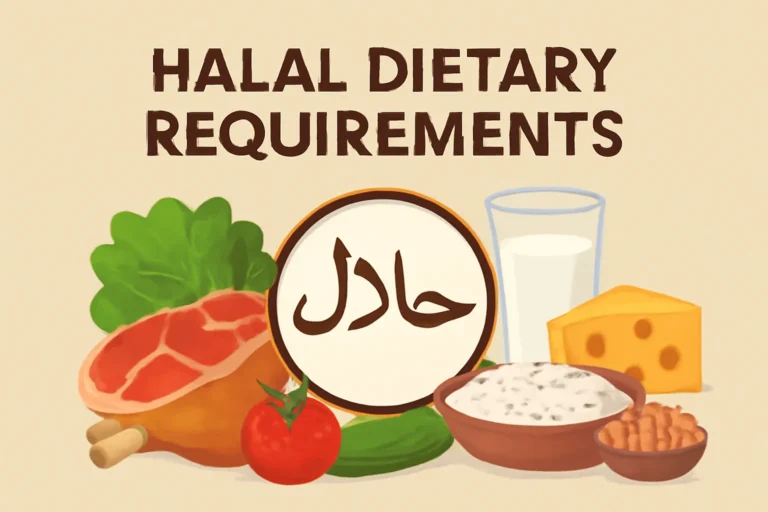
Halal dietary requirements define a framework for what Muslims may consume and how food should be prepared, stored, and served. This article offers a comprehensive guide to halal eating and compliance that is practical for families, travelers, chefs, and food industry professionals. Although the term halal is rooted in religious law, its contemporary interpretation intersects with nutrition, animal welfare, food safety, and cultural identity. In many communities, halal is not simply a label on a product; it is a lifestyle standard that shapes shopping choices, meal planning, and hospitality practices. This guide uses variations of the term to reflect semantic breadth, including halal, halaal, hallal, and halal-certified when appropriate, while staying faithful to core concepts.
As you read, you will encounter practical checklists, definitions, and best practices that help ensure compliance with halal principles in a wide range of settings—from private kitchens to international supply chains. The material below also highlights regional variations and how different halal authorities approach similar questions about what is permissible and what constitutes proper slaughter, processing, and labeling. Whether you are charting a personal diet, managing a halal-certified restaurant, or evaluating packaged foods, this guide aims to be a reliable, well-rounded resource.
Foundational Principles of Halal Compliance
At the heart of halal dietary rules are several foundational concepts that recur across jurisdictions and schools of thought. Understanding these pillars helps explain why certain foods are allowed, while others are prohibited.
Permissible (Halal) foods and practices are those that meet specific criteria for ingredients, processing, and preparation.
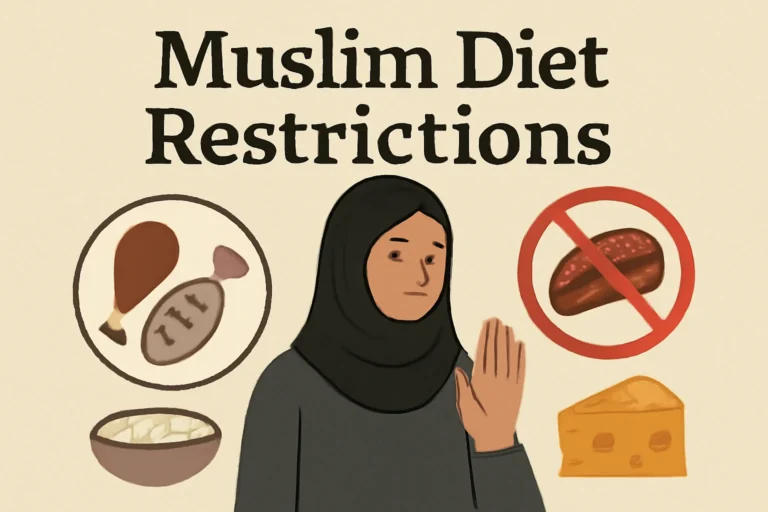
Prohibited (Haram) items include substances such as pork products, blood, intoxicants, and animals not slaughtered according to halal methods.
Slaughtering methods (dhabiḥah or zabihah) must meet requirements that ensure humane treatment and proper invocation in the name of God at the moment of slaughter.
Cleanliness and purity (taharah) play a central role in maintaining the sanctity of halal food from production to plate.
Certification and labeling provide a mechanism for trust, accountability, and consumer confidence in markets with diverse supply chains.
Key terms you will encounter
A working vocabulary helps in navigating products and menus. Here are essential terms, with variations you might see in different regions:
Halal (or halaal, hallal) – permissible according to Islamic law.
Haram – forbidden or prohibited substances or actions.
Zabihah (also zabihah or dhabihah) – a specific method of slaughter intended to be humane and in the name of God.
Tayyib – wholesome, clean, and pure; often paired with halal in discussions of diet and lifestyle.
Halal certification – a formal process whereby a competent authority or organization approves a product or facility as meeting halal standards.
Permissible Foods: What Counts as Halal
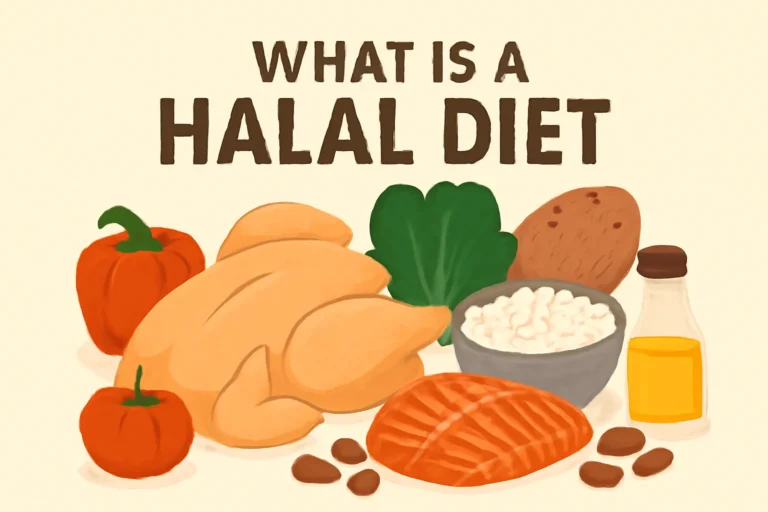
The category of halal foods is broad, ranging from whole vegetables to controlled meat products, with nuanced rules about ingredients, processing aids, and potential cross-contamination. Below are the major food groups and considerations that commonly appear in halal guidelines.
Meat and poultry
Meat that is slaughtered according to zabihah requirements is typically considered halal, provided there are no disqualifying additives or practices. Variations exist by country and authority, but the core idea is consistent: humane slaughter, proper invocation, and avoidance of forbidden animals.
Animals must be healthy at the time of slaughter, with the exception of accidental losses in some jurisdictions.
The slaughtering procedure should minimize suffering and be performed by a sane adult Muslim, Jew, or Christian in some interpretations, or strictly by a Muslim in others.
Non-Halal animals include pigs and their derivatives, carnivorous animals, birds of prey, and animals improperly slaughtered or dead before processing.
Processed meats must not contain non-halal additives, such as certain enzymes, gelatin, or supplements derived from haram animals or alcohol.
Dairy products and eggs are typically halal, but they can become haram if they are contaminated during processing or contain non-halal ingredients. Plant-based foods are naturally halal in most cases, though cross-contamination with non-halal equipment or flavorings can occur.
Rennet used in some cheeses may be derived from non-halal animals; look for microbial or plant-based rennet as an alternative.
Flavors and emulsifiers should be reviewed for halal compliance, especially if alcohol or animal derivatives could be present.
Gelatin, gel dextrin, and similar additives may derive from haram sources; many halal products use approved alternatives.
Processing, Ingredients, and Manufacturing: What to Watch For
A halal-compliant manufacturing process strives to prevent cross-contact with haram substances and to ensure that all ingredients and processing aids meet halal standards. This section highlights common concerns and practical checks.
Alcohol and its derivatives are generally avoided in halal products, including flavorings and solvents.
Gelatin and pectin sources vary by supplier; plant-based or microbial options are often preferred in halal supply chains.
Enzymes, vitamins, and minerals may be derived from haram animals; confirm sourcing and certification when in doubt.
Carryover and cross-contamination: facilities handling haram products should maintain separate lines or time-separated processing to protect halal items.
Incoming ingredients should come with halal certificates or verifiable documentation outlining origin and processing.
Labeling, certificates, and verification
Halal labeling and certification provide essential assurance to consumers. However, the presence of a halal logo does not always guarantee universal acceptance; differences between certifying bodies can lead to discrepancies in interpretation. When evaluating products, consider the following:
Which certification body issued the halal mark, and is it recognized in your country or by your organization?
Does the label indicate that the product is halal for all ingredients, or are there caveats (for example, “halal but produced on shared equipment”)?
Are there expiration dates, batch numbers, and contact information for the certifier to enable traceability?
Do restaurant menus or product listings provide shadow certifications or supplier attestations for ingredients?
Preparation, Slaughter, and Ethical Considerations
The method of slaughter and the ethical handling of animals are central to halal practice. The doctrine emphasizes humane treatment, the invocation of God at the moment of slaughter, and adherence to strict hygienic standards. The process is commonly referred to as dhabiḥah or zabihah and is often supplemented by regional guidelines that reflect local practices and regulatory requirements.
Ethical treatment and welfare
A growing body of halal guidance intersects with animal welfare standards. Even when a method is deemed permissible, many consumers expect that animals are raised and slaughtered under humane conditions, with clean facilities, proper handling, and minimized suffering.
Species-appropriate housing and feed
Minimization of stress and pain during handling
Transparent audit trails and welfare certifications where available
Invocation and intention
In traditional practice, the slaughterer recites a blessing or declaration in the name of God before the act. The precise wording varies by tradition, but the underlying concept is that the animal’s life is ended with intention and reverence. For many households and producers, this ritual component is a meaningful symbol that accompanies practical efforts to ensure halal integrity.
Cross-Contamination: Keeping Halal Safe in Kitchens and Facilities
Even when ingredients are halal, cross-contamination with haram substances can compromise the final product. This is a practical concern for households, restaurants, and manufacturing facilities alike.
Separate equipment for halal and non-halal foods reduces risk of cross-contact.
Dedicated storage areas and color-coded utensils help prevent mix-ups.
Clear cleaning protocols and validated surfaces support consistent halal compliance.
Staff training on halal terminology and handling procedures improves overall adherence.
Regional Variations and Cultural Contexts
Halal practices vary across regions, reflecting religious interpretations, local food culture, and regulatory environments. While the core principles remain constant, practical implementations may differ. This section highlights some regional nuances that readers may encounter.
In many Gulf countries and parts of the Arab world, strict halal certification is routine for both domestic products and international imports. Restaurants often emphasize zabihah-approved meat, clean kitchen practices, and explicit avoidance of haram ingredients.
South Asia and Southeast Asia
In countries such as Pakistan, India, Indonesia, and Malaysia, halal certification programs are widespread and often integrated with national food safety authorities. The use of local terminology such as halāl and halal-certified signage is common, and plant-based options frequently appear on menus with halal assurances.
Europe and North America
In Western markets, halal labeling has become a global feature in many supermarkets, eateries, and food service providers. Consumers increasingly rely on recognized halal certifiers and transparent ingredient disclosure to navigate products within diverse multicultural communities.
Halal Diets for Travelers and Dining Out
Traveling presents unique challenges for maintaining halal standards. Whether you’re boarding a flight, dining in a restaurant, or shopping in a new country, a few practical steps can help you stay aligned with halal expectations.
Check for halal-certified options on restaurant menus or product packaging before you travel.
Learn key phrases in the local language to request halal meals or to ask about animal welfare and slaughter practices.
Ask about cross-contamination, especially in kitchens that handle both halal and non-halal foods.
Carry portable snacks with halal certification when possible to avoid substitutes in moments of uncertainty.
Use apps or trusted halal directories to verify restaurant ratings and certification status.
Halal in the Modern Food Industry: Certifications and Supply Chains
The growth of halal markets has spurred the development of more robust certification schemes and supply chain controls. For manufacturers and retailers, establishing a credible halal program involves governance, supplier verification, and ongoing monitoring.
Certification bodies and credibility
Several recognized halal authorities operate internationally, offering product certification, facility audits, and ongoing compliance checks. The credibility of a halal program often rests on:
The transparency and accessibility of certification documentation.
Rigorous supplier verification and facility audits.
Clear rules about cross-contamination prevention and segregation of halal and non-halal lines.
Consistent enforcement of standards across all stages of production and distribution.
Nutritional Considerations and Health Implications
While the halal framework primarily addresses permissible substances and methods, it also intersects with nutrition and public health. Consumers often seek halal products that are balanced, wholesome, and aligned with dietary goals.
Balanced meals that include protein, whole grains, vegetables, and healthy fats are consistent with many halal dietary practices.
Some halal products may emphasize natural ingredients and minimal processing, aligning with tahyib principles.
Label claims such as “no alcohol” or “no pork-derived ingredients” help consumers avoid haram components.
Allergen labeling remains important for halal-compliant cooking, particularly in mixed kitchens or shared facilities.
Halal Diets and Cultural Identity
For many communities, the halal lifestyle is more than a set of rules—it is a cultural identity that connects families, religious observance, and communal meals. Embracing halal means recognizing diverse culinary traditions, preserving faith-based practices, and supporting ethical production methods.
Practical Guides for Home Cooks
Home cooks can integrate halal principles into everyday cooking with thoughtful planning and reputable sourcing. The following practical tips help maintain consistency and transparency in the kitchen.
Maintain separate cutting boards and utensils for halal and non-halal foods when possible.
Inspect ingredient lists for haram substances such as pork, alcohol, and animal-derived enzymes from non-halal sources.
Prefer halal-certified products, or request certification details from suppliers when cooking for guests with halal needs.
Educate household members about what constitutes halal and haram so everyone participates in compliant cooking.
Common Misconceptions and Myths
As halal products become more mainstream, several myths persist. Debunking these misconceptions helps consumers make informed choices.
Halal equals “kosher”: While there are parallels in ethical food handling, halal and kosher standards differ in requirements, ingredients, and slaughter practices. A product can be halal but not kosher, and vice versa.
All halal labeled foods are the same: Certification standards vary by certifying body and region. It’s important to check the certifier’s credibility and the scope of the certification.
Halal means no alcohol in any form: Some halal products may use alcohol in trace amounts not intended as a beverage; however, many halal certifications require alcohol-free formulations or ensure that alcohol is not detectable in the final product.
Below are responses to frequently asked questions that arise in everyday life when navigating halal dietary requirements.
Q: Is all seafood halal?
A: In most interpretations, seafood is considered halal, but some scholars or authorities may have reservations about specific creatures. Always check regional guidance and labeling when uncertainty arises.
Q: Can halal-certified meat be used in mixed kitchens?
A: Yes, with careful controls to prevent cross-contamination. Use separate storage, utensils, and cooking surfaces, and maintain clean protocols for both halal and non-halal foods.
Q: Do I need certification for personal use at home?
A: Certification is typically a concern for producers and retailers. Home cooks can follow the core rules—avoid haram ingredients, ensure clean equipment, and respect proper slaughter practices when dealing with meat.
Q: How can I verify a halal claim on a product?
A: Look for an approved halal logo from a reputable certifying body, review the certificate number and scope, and consult the certifier if you have questions about ingredients or processes.
Conclusion: Embracing Halal Eating with Confidence
Halal dietary requirements offer a structured approach to food that blends faith, ethics, and practicality. By understanding the core rules—what is allowed, what is forbidden, how slaughter should be conducted, and how processing can affect halal status—consumers can make informed choices with confidence. The modern halal landscape is dynamic, reflecting advancements in food science, globalization of supply chains, and evolving consumer expectations. Whether you are a devoted follower of halal principles, a chef seeking to serve diverse communities, or a consumer curious about different food systems, the goal remains the same: to eat with intention, to source responsibly, and to uphold the principles of halal in everyday life.
Appendix: Quick Reference Checklist for Halal Compliance
Use this checklist as a practical quick-start guide for households, kitchens, and retail environments.
Confirm that all ingredients are halal-friendly and free from haram additives.
Verify the halal certification on products and review the scope of the certificate (ingredients, processing, and facility).
Confirm that utensils, equipment, and surfaces are clean and free from cross-contact with haram substances.
Ensure proper storage separation for halal and non-halal items, including spices, meats, and dairy.
Request clarity on slaughter methods for meats, including whether zabihah is practiced and who performs the ritual.
Maintain records or access to supplier certificates for traceability.
Provide clear labeling and informational signage for halal-conscious diners and buyers.
This article has explored the halal dietary requirements landscape in depth, emphasizing diverse terminologies, practical strategies for compliance, and the nuts and bolts of halal production and consumption. By adopting a mindful approach to ingredients, processing, equipment, and labeling, individuals and organizations can support halal integrity while meeting the needs of a global, culturally rich marketplace.




Deja una respuesta