Introduction to Muslim Food: A Global Tapestry of Halal Cuisine
The landscape of food of Muslims spans continents, cultures, and centuries. From bustling markets in Istanbul to quiet kitchens in Dakar, the Muslim culinary tradition is a living, breathing tapestry woven from faith, seasonality, family rituals, and the everyday practice of living a halal lifestyle. In this article, we explore Islamic cuisine as a broad category that includes halal food, regional specialties, and modern adaptations that keep pace with global dietary trends. Whether you refer to it as Muslim cuisine, halal dishes, or foods for Muslims, the core idea remains the same: food prepared and consumed in accordance with traditions that honor ritual propriety, ethical sourcing, and communal sharing.
This comprehensive guide aims to help readers understand not only what makes a dish halal, but also how traditions shape grocery lists, kitchen practices, and table manners. We will cover key principles, regional variations, and practical tips for cooks, travelers, and curious eaters who want to explore the vast world of halal gastronomy. By blending cultural histories with contemporary considerations, this article provides a robust map of Islamic dietary practices and the diverse flavors that define the food of Muslims today.
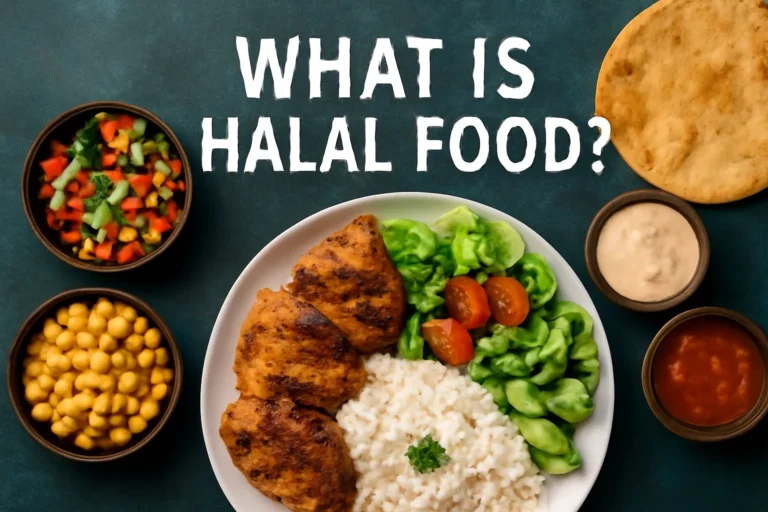
What Is Halal Food, and How Do Halal Standards Work?
The term halal (Arabic for "permissible") distinguishes foods and practices that are allowed under Islamic law from those considered haram (forbidden). A broad view of Muslim cuisine centers on ingredients, preparation methods, and supervision that align with religious guidelines. In practice, halal food means more than the absence of forbidden items; it also encompasses ethical sourcing, humane handling of animals, and transparent labeling.
What makes a dish halal?
The main ingredients must not be haram, such as pork or its by-products, and products derived from alcohol.
Meat should come from an animal slaughtered in a specific manner known as zabiha (or dhabiha in some cultural spellings), performed with intention and in humane conditions.
Cross-contamination with non-halal foods should be avoided during processing, handling, and cooking.
All additives, flavorings, and processing aids must be halal-certified or derived from permissible sources.
What is zabiha?
Zabiha refers to the humane slaughtering ritual required for meat to be considered halal in many traditions. The method emphasizes swift, humane slaughter, invoking the name of God at the moment of slaughter, and draining the blood. While there are variations in practice across regions, the underlying intent is to minimize suffering and to ensure the animal is treated with respect up to the moment of death. For many Muslims, halal meat produced by proper zabiha remains a foundational element of Islamic dietary patterns.
Key Principles of the Islamic Diet: Core Concepts
Ethical sourcing and animal welfare
A central idea in the world of Muslim cuisine is the emphasis on ethical sourcing. Beyond the technicalities of what is halal, cooks and consumers are encouraged to consider the treatment of animals, the sustainability of farming practices, and the welfare standards of producers. Ethical concerns extend to the avoidance of waste, the humane handling of animals, and transparent supply chains in the realm of halal foods.
Cleanliness and ritual purity
In many communities, the concept of ritual cleanliness intersects with everyday cooking. While levels of observance vary, a common thread in Islamic cuisine is the attention given to cleanliness in kitchens, utensils, and food prep. This emphasis does not require perfection but rather a mindful approach to avoid contamination and to honor the sacred dimension of meals.
Intent, gratitude, and sharing
The act of eating is often understood as a moment to acknowledge blessing and to share with others. In this sense, foods for Muslims are not only about personal sustenance but also about communal harmony, hospitality, and gratitude. Table manners, prayers before meals, and generous portions for guests all reflect these values.
Halal standards interact with local legal frameworks, food safety systems, and cultural norms. In some places, certification bodies issue official marks that appear on packaging, while in others, trusted vendors and community-led verification provide guidance. Regardless of the system, the essential aim is to enable consumers to identify products that align with Islamic dietary laws and personal convictions.
Label literacy and informed choices
For everyone exploring Muslim cuisine, the ability to read labels and ask clarifying questions is invaluable. Look for halal certification marks, ingredient lists free of porcine derivatives, and announcements about alcohol content. This glossary of vigilance helps ensure that the dishes you choose—whether a simple weekly staple or an elaborate feast—adhere to your standards for halal gastronomy.
Variations in terminology
It is common to encounter different terms describing the same idea: halal food, Islamic dietary laws, halal-certified products, and zabiha-compliant meat. Though phrased differently, these phrases point to a shared commitment: respecting faith-based guidelines while enjoying the rich flavors that define the food of Muslims.
Halal Certification: How the Global Network Works
The global market for halal cuisine has grown into a complex ecosystem of producers, certifiers, and retailers. Certification bodies assess slaughter methods, processing practices, and facility standards to ensure compliance with Islamic dietary laws. While every region may follow its own regulatory nuances, the overarching goal is consistency, transparency, and consumer confidence.
Retailers often display certification marks on meat, dairy, and packaged goods to assist shoppers seeking compliant options.
Farm-to-fork traceability helps assure that products labeled halal are sourced, processed, and delivered according to established guidelines.
What to expect in a halal-certified facility
Dedicated equipment and processing lines to minimize mixing with non-halal products.
Clear segregation of pork products and alcohol in storage areas.
Documentation that records supplier approvals, slaughter methods, and product sequencing.
Periodic audits by certificants, with corrective action plans if gaps are found.
For someone exploring Islamic dietary practices in unfamiliar markets, certification marks can serve as a practical compass. However, it is also common to rely on trusted local vendors, community networks, or personal research when official marks are scarce. The essential principle is to prioritize sincerity, safety, and compliance in all stages of halal gastronomy.
Regional Traditions: Halal Cuisines Across the World
Around the Middle East and North Africa
In this broad region, Muslim cuisine blends desert-dry spices with lush herbs, creating iconic dishes that emphasize aroma, balance, and hospitality. Staples often feature grains, legumes, citrus, and olive oil, with meat playing a central but not exclusive role.
Shawarma and other spit-roasted meats, wrapped in warm flatbreads with tahini, garlic sauce, and vegetables.
Hummus, falafel, and other chickpea-based dishes that pair well with bread like pita or taboon.
Stews such as tagine (in some North African adaptations) and hearty lentil soups that comfort in cooler evenings.
Meze-style platters featuring a mosaic of dips, grilled vegetables, and olive oil-emulsified sauces.
South Asia and Central Asia
In South Asia, halal food often showcases fragrant rice dishes, slow-cooked meats, and a lively use of spices. Central Asia contributes hearty breads, dumplings, and dairy-forward flavors that reflect nomadic heritage and long-distance trade routes.
Biryani and pulav/pilaf variants celebrate layering of meat, saffron, and aromatics.
Kebabs and skewered meats infused with cumin, coriander, and chili, accompanied by chutneys and breads.
Shorba or savory soups that warm the soul in winter markets.
Flatbreads such as roti, naan, and paratha used to scoop curries and gravies.
Southeast Asia
The archipelago and mainland Southeast Asia have a vibrant halal kitchen tradition that blends Malay, Indonesian, Thai, and Chinese influences. The result is flavorsome, comforting, and often sweet-savory in balance.
nasi lemak and nasi bubur with fragrant coconut rice and sambals.
Satay skewers served with peanut sauce—an emblem of communal eating.
Rendang (spiced beef or other meat) slow-cooked in coconut milk and spices, a hallmark of Indonesian halal cooking.
Iconic curries and soups that layer lemongrass, galangal, and kaffir lime leaves for bright, complex profiles.
Across African nations with strong Muslim communities, halal gastronomy often centers on hearty grains, legumes, and slow-cooked stews that sustain labor and daily life.
Jollof rice and other tomato-based one-pot dishes enriched with spices and meat.
Stews featuring sorghum, millet, or maize, often cooked with local greens and peppers.
Flatbreads and fried doughs paired with bean stews and relishes that highlight community sharing.
Delicacies such as mafe (peanut-based stews) and other regional specialties that reflect centuries of cross-cultural exchange.
Western Europe and North America
In Western contexts, halal cuisine blends immigrant traditions with local ingredients and modern dietary sensibilities. The result is an increasingly diverse landscape of restaurants, markets, and home kitchens that celebrate halal authenticity and convenience.
Halal burgers, kebabs, and street-food-inspired dishes that mirror urban food cultures.
Fusion recipes that respect halal guidelines while embracing global flavors and techniques.
Grocery aisles stocked with certified halal meats, dairy, snacks, and ready-to-eat meals for busy families.
Community events that feature shared feasts, recipe exchanges, and halal cooking demonstrations.
Traditions, Etiquette, and the Social Fabric of Halal Dining
Meal times, prayers, and blessings
The social fabric of Islamic cuisine often weaves in moments of reflection and gratitude. In many communities, meals begin with a brief blessing, a moment of gratitude, or a prayer that acknowledges the nourishment provided and the hands that prepared it.
Ramadan: fasting, feasting, and communal meals
During the holy month of Ramadan, Muslims fast from dawn until sunset. The fast is traditionally broken with iftar—a communal meal that begins with dates, water, and light foods, followed by a larger spread featuring soups, breads, proteins, vegetables, and desserts. Suhoor is the pre-dawn meal that sustains worshippers through the day. In many communities, the social dimension of Ramadan is as important as the spiritual one, with neighbors sharing food and hospitality extended to guests and travelers.
Hospitality and sharing
A defining feature of Muslim cuisine is hospitality. Guests are welcomed with generous portions, diverse dishes, and the sense that food is a bridge between generations, families, and cultures. Shared meals reinforce community bonds and honor traditions that have evolved over centuries.
Etiquette at the table
Table manners vary by culture, but common themes recur: wash hands before and after meals, eat with the right hand in many Muslim-majority regions, and avoid waste by taking appropriate portions. Narratives around halal food also include respect for those who prepare, serve, and share meals, recognizing the labor and love embedded in every dish.
Kids and recipes: passing down culinary heritage
Family cooks often pass down cherished recipes that emphasize halal ingredients, seasonal produce, and traditional spice blends. Teaching children to measure spices, negotiate flavors, and appreciate patience in long-simmered dishes helps preserve a living culinary heritage—an essential aspect of the food of Muslims.
Ingredients, Dishes, and Recipe Ideas Across Halal Cuisines
Meat, seafood, and poultry
The halal framework covers meat, seafood, and poultry in diverse ways. While seafood is generally permissible in many communities, some traditions emphasize the humane treatment and slaughter of land animals. When selecting meat, look for halal-certified products and inquire about the origin of the animal, the method of slaughter, and handling practices.
Popular halal meats include chicken, beef, lamb, goat, and camel in some regions.
Seafood variety includes fish and shellfish, with regional preferences shaping acceptance.
For flavor and depth, marinades often feature garlic, cumin, coriander, paprika, turmeric, and chili in balanced measures.
Dairy, grains, and legumes
Dairy products, grains, and legumes form the backbone of many halal dishes. Fermented products, ghee, yogurt, and cheese appear in a wide range of recipes, while grains like rice, bulgur, millet, couscous, and lentils provide structure and nourishment.
Rice dishes from various regions showcase fragrant, aromatic profiles.
Legume-based stews and curries highlight protein-rich sustenance.
Dairies contribute creaminess and tang, balancing spices and heat.
Popular dishes by genre
The following examples illustrate the breadth of halal cuisine across cultures. Note how regional ingredients lift familiar concepts into distinct flavors.
Biryani (spiced rice and meat layering) – South Asia and the Middle East have cherished variants.
Haleem (slow-cooked wheat, lentils, and meat) – a nourishing staple during certain seasons.
Shakshuka (eggs simmered in tomato-pepper sauce) – popular in North Africa and the Levant, adapted with halal ingredients.
Tagine (slow-cooked stews) – a Moroccan icon that exemplifies aromatics and balance.
Kebabs and grilled meats – widely enjoyed with flatbreads, salads, and chutneys.
Falafel (fried chickpea patties) – a versatile, plant-forward option in Middle Eastern street food culture.
Many questions arise around halal practice in multicultural settings. Some key points:
Seafood is generally permissible in many traditions, but interpretations vary. When in doubt, consult your community authorities or certification bodies.
Not all soups or sauces labeled halal are created equal; check for cross-contamination concerns and processing practices.
Halal does not equal vegetarian or vegan. A dish can be halal and still include meat, eggs, or dairy if permissible and properly prepared.
Practical Considerations for Travelers and Global Eaters
For travelers seeking the food of Muslims in unfamiliar places, a few practical strategies help ensure authentic, respectful experiences while maintaining dietary guidelines.
Locate certified halal restaurants or markets via community networks, local mosques, or reputable halal directories.
Ask about slaughter methods, product sourcing, and the presence of alcohol in sauces, marinades, and flavor enhancers.
When cooking away from home, bring essential spices, halal-certified meat substitutes, or shelf-stable ingredients that support safe dining.
In many cities, long-standing communities keep vibrant Muslim cuisine scenes alive with colorful street foods, home-style dinners, and formal banquets. The diversity you will encounter reflects a global journey through halal gastronomy, where flavor, faith, and hospitality meet at the table.
Conclusion: Embracing the Richness of Halal Food Culture
The food of Muslims—in its many names and forms—offers a window into faith, culture, and shared human experience. Whether you describe it as Muslim cuisine, Islamic cuisine, or simply halal food, the core themes remain: ethical sourcing, respect for animals and the environment, mindful preparation, and a spirit of hospitality that invites others to share in a meal. From the stews of North Africa to the spice-laden curries of South Asia, from the clean lines of modern halal dining to the comforting familiarity of family recipes, the world of halal gastronomy is a thriving, evolving panorama.
We hope this guide has helped you see how Islamic dietary laws shape choices at the market, in the kitchen, and around the table. By embracing diverse halal cuisines and honoring regional traditions, you can explore the food of Muslims with curiosity, respect, and delight. May your culinary journey be flavorful, ethical, and nourishing for body and soul.






Deja una respuesta