Islam Food Restrictions: A Practical Guide to Halal Diet Rules
Islam Food Restrictions: A Practical Guide to Halal Diet Rules
This article offers a practical guide to Halal diet rules within the broader framework of Islamic dietary laws. It covers what makes food permitted or forbidden,
how the Zabihah and dhabihah methods work, what questions to ask
when dining out, and how to navigate modern food processing in a way that respects Halal
standards. Whether you are Muslim seeking a clear set of guidelines or a non-Muslim looking to understand Islamic food restrictions for cultural or culinary reasons, this guide aims to be practical, precise, and easy to use.
The scope here includes not only meat and poultry but also everyday ingredients such as sauces, snacks,
beverages, and supplements. It also addresses common concerns about certification, cross-contamination,
and the realities of global halal practices. By the end, readers should feel equipped to determine the halal status of foods they encounter, whether at home, in restaurants, or while traveling.
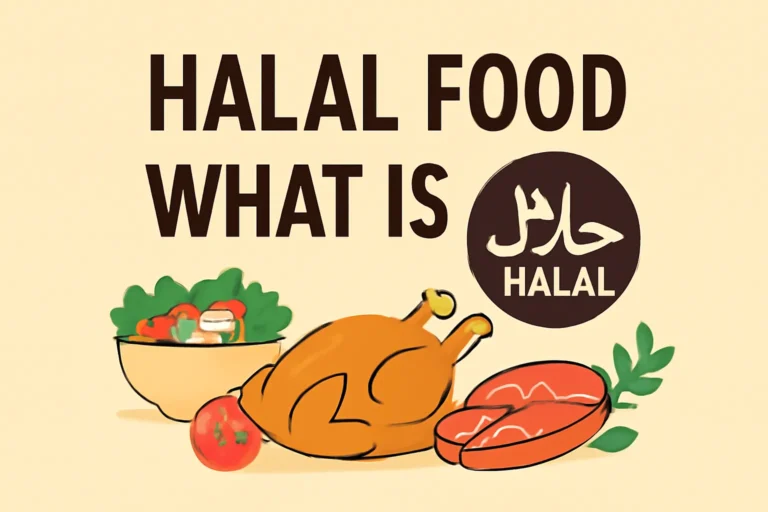
In Arabic, Halal literally means permissible, and in the world of food,
it signals that a product or ingredient is allowed for consumption under Islamic law.
The notion of Halal extends far beyond meat. It encompasses how animals are raised, how foods are prepared,
and how ingredients are sourced. The idea is to ensure that what one eats supports a lifestyle that honors
God's guidance while avoiding anything that falls into Haram, the category of things that are forbidden.
Important related terms you will often encounter include Islamic dietary guidelines, Sharia-compliant food rules,
and Muslim dietary laws. Each phrase conveys the same essential concept: foods and flavors must be aligned with
religious principles. In practice, this means paying attention to ingredient sourcing, processing methods,
and the intent and method of preparation.
The distinction between permitted foods and forbidden foods is rooted in primary sources of Islamic law,
including the Qur'an and the sayings of the Prophet Muhammad (hadith). While some details vary by school of thought,
there is broad consensus on core prohibitions and essential requirements for a product to be considered halal.
Core principles of the Islamic food system
Permitted foods and the concept of mubah
The vast majority of foods are considered permissible (mubah) from a general Islamic perspective,
provided they do not violate explicit prohibitions. Examples include grains, fruits, vegetables, legumes, dairy, and
many forms of meat that meet the proper slaughter and sourcing standards. In practice, a Halal diet emphasizes purity, spiritual mindfulness, and ethical sourcing.
A practical takeaway is to view Islamic dietary rules as a framework rather than a narrow set of rules.
When a product is clearly halal, it aligns with the idea of being permissible and clean; when there is doubt,
it requires closer examination or certification to determine its halal status.
Prohibited foods and substances
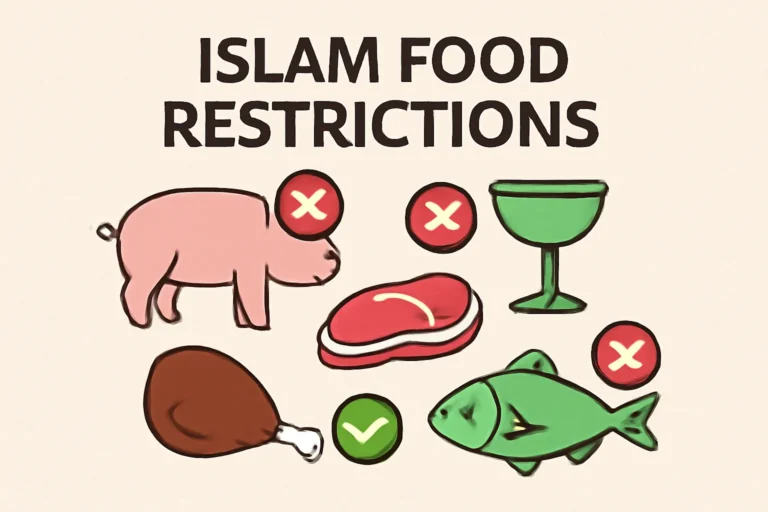
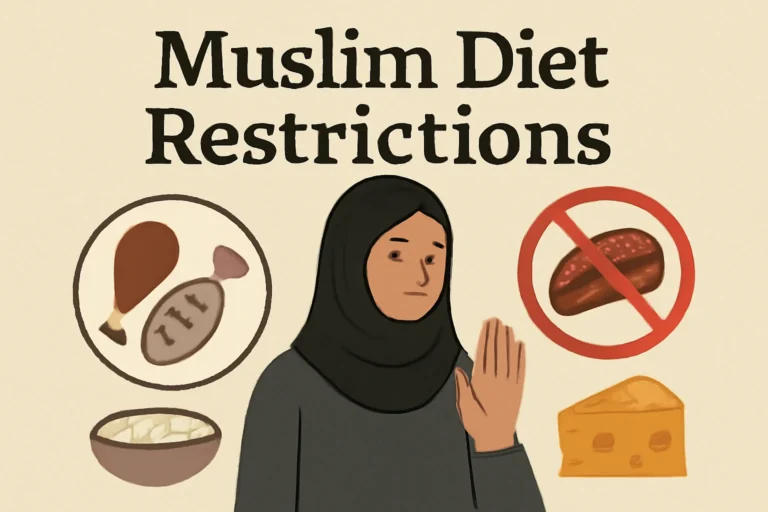
The central list of haram foods includes:
Pork and pork products, in any form including gelatin or flavorings derived from pork if no halal alternative is available
Blood and blood-derived ingredients
Carrion (dead animals) and flesh that dies before slaughter
Alcohol and intoxicants in foods and beverages
Animals not slaughtered in the correct manner (see below) or animals sacrificed to other gods
Improperly processed foods that involve cross-contamination with haram ingredients or equipment
Beyond these core prohibitions, there are nuanced positions on certain items such as animal byproducts, flavor enhancers,
and processing aids. In some cases, scholars permit certain substitutions or alternatives (for example, vegetarian products that
are certified as halal) when the main concern is avoidance of non-halal elements rather than a direct prohibition.
Cross-contamination and preparation
A practical aspect of Islamic dietary rules is the concern for cross-contamination and the cleanliness of preparation
environments. Even if a product's ingredients are halal, contact with non-halal surfaces, utensils, or shared fryers can compromise
its status. For this reason, many households and restaurants implement dedicated equipment or strict cleaning protocols to maintain halal integrity.
In most traditional interpretations, seafood is considered halal, with broad acceptance across schools. Some communities
recognize diversity in practice and may rely on certification to reflect local customs. Other items in the realm of plants,
minerals, and certain additives may require case-by-case assessment, especially when processing involves animal-derived components.
Methods of slaughter and the Zabihah principle
The dhabihah method and invocation of God
A cornerstone of Islamic meat rules is the Zabihah or dhabiha method, sometimes described
as the slaughtering technique that renders the animal permissible for consumption. In its simplest form, this method involves
a swift, humane cut to the neck with a sharp instrument, aiming to minimize suffering and ensure rapid blood drainage.
A defining feature is the invocation of God at the moment of slaughter, commonly expressed as Bismillah and often completed
with Allahu Akbar. This blessing is a sign of intention and recognition of the animal’s role within a halal framework.
Stunning and halal slaughter debates
Some modern practices include pre-slaughter stunning to reduce animal suffering. The permissibility of stunning varies among
scholars and communities. The key criterion in many interpretations is that the stunning must be reversible and must not cause
death prior to the actual slaughter. If the animal dies from stunning, the meat would generally be considered haram.
In places where stunning is used, many halal authorities require certification that the stunning method meets these conditions and that
the subsequent Zabihah process is performed according to the rules. Other communities adhere to a strict interpretation that
the animal must be slaughtered without any prior stunning. In practice, travelers and residents should check with local authorities or
trusted halal certifiers to understand the prevailing standard in their region.
Non-slaughtered sources and exceptions
There is consensus that some foods do not come from slaughtered animals, such as fish, certain plants, and many processed
items of animal origin that use halal-certified sources. For many Muslims, meat from animals not raised or slaughtered under halal conditions is not
permissible, while fish or seafood can be an acceptable substitute in places where slaughter standards are uncertain.
Ingredients, processing, and labeling
Processed foods and potential pitfalls
A practical guide to halal labeling involves checking for specific indicators beyond the word Halal.
Look for certifications from recognized bodies, traceability on ingredients, and transparency about processing facilities. Common
ingredients to scrutinize include gelatin, enzymes, emulsifiers, flavors, colorings, and thickeners that may originate from non-halal animal sources. Even when the primary product
seems dairy-free or meat-free, the presence of these additives can affect the halal status.
Gelatin, enzymes, and other animal-derived additives
Gelatin and some enzymes are frequently scrutinized. If gelatin is sourced from pork or non-halal animals, it is generally
considered haram. Some producers use halal-certified gelatin or plant-based alternatives. Similarly, enzymes and
other processing aids may be derived from animals, microorganisms, or plants. When in doubt, seek products with explicit halal certification
or contact the manufacturer for sourcing details.
Alcohol and flavorings
Even trace amounts of alcohol in a product can render it non-halal for some communities, despite the fact that certain
beverages use small amounts as solvents or carriers. Other flavorings may be derived from non-halal sources. As a result, reading the label
and confirming halal certification is a prudent practice, particularly for desserts, sauces, and processed snacks.
Non-meat ingredients and vegetarian items
Not all vegetarian products are automatically halal, and not all meat products are automatically haram. The determining factors
include the origin of the ingredients, whether the product uses rennet from non-halal animals, and whether any animal-derived ingredients
were present during processing. When you see a well-known halal logo, it often indicates that the product has undergone an
evaluation of ingredients, manufacturing, and packaging for compliance.
When dining at a restaurant or ordering in a new city, articulate your concerns clearly:
Is the meat halal-certified and slaughtered according to dhabihah?
Are there separate cooking surfaces or utensils to prevent cross-contamination with non-halal foods?
Are flavorings, sauces, and additives halal or haram?
Is the kitchen willing to disclose sourcing for meat, poultry, dairy, and processed ingredients?
Restaurants and quick-service options
Look for establishments with explicit halal certification, especially in areas with diverse cuisines. If certification is not
visible, seek places known for their adherence to halal standards, and ask about dual-use equipment, raw meat handling,
and whether alcohol-containing ingredients are used in sauces or marinades. In many regions, reputable halal restaurants post their
certifications online or display them visibly in the dining area.
Travel considerations
When traveling, prepare by researching local halal options, carrying a compact halal guide, and downloading apps that help identify
halal-certified outlets. For long trips, consider packing snacks that you know are halal to avoid dependence on uncertain options.
Halal certification and credible organizations
Why certification matters
Halal certification provides independent verification that a product or establishment upholds the stated rules. Certifications help
consumers identify products that meet specific standards, facilitate import/export across borders, and support accountability in supply chains.
How certification works
Certification typically involves a formal application, inspection of facilities, review of ingredient lists, and ongoing audits. A certifying
body will issue a certificate and mark products with its logo. However, certification is not universal, and different regions may rely on
different authorities. It is wise to understand the reputation and standards of the certifier you trust.
Common certifying bodies and regional variation
The landscape includes a mix of international, regional, and local certifiers. Some well-known labels come from organizations that emphasize
strict slaughter methods, robust supplier surveillance, and frequent facility inspections. Given regional differences in supply chains, many
Muslims rely on both local and international certification, depending on availability and trust in the certifier.
Ramadan, fasting, and dietary considerations
Fasting rules and meals that sustain
During Ramadan, Muslims fast from dawn until sunset, refraining from all food and drink. When breaking the fast at sunset,
the meal should align with halal dietary guidelines, ensuring that the foods consumed are permissible and prepared in a clean,
mindful manner. Hydration and nutrient balance are also important, given the long fasting hours.
Special considerations for suhoor and iftar
At suhoor (pre-dawn meal), plan light, easily digestible options that are halal and avoid excessive caffeine or alcohol-containing beverages.
At iftar (sunset meal), prioritize meals rich in protein, fiber, and hydration. This is a practical opportunity to emphasize whole foods,
fresh fruits, vegetables, and halal protein sources to maintain energy levels throughout the fast.
Dietary flexibility during Ramadan
Even within the framework of Islamic dietary rules, there is room for cultural variety and personal preference. Communities celebrate
with diverse cuisines while keeping the core principles intact. The goal is to maintain spiritual focus, gratitude, and a healthy routine that respects halal standards.
Common myths and clarifications
Myth: Halal means “kosher” or “vegetarian” equivalence
While both halal and kosher refer to religious dietary laws, they are distinct systems with different rules about
slaughter, ingredients, and permissible foods. A halal product is not automatically kosher, and vice versa.
Similarly, a vegetarian product may be halal but isn’t guaranteed to meet every meat-based rule; always check the specifics.
Myth: All fish are halal and all pork is haram everywhere
Most Muslims consider seafood broadly halal, though some communities hold nuanced positions. It is universally agreed that Pork is haram across all major schools of thought.
Myth: Halal certification guarantees ethical treatment of animals
Halal certification primarily addresses the permissibility of ingredients and the slaughter process. While many certifiers emphasize humane
treatment and welfare, this is a separate area often handled by animal welfare standards and local laws. Consumers may seek both halal
certification and welfare certifications to cover all concerns.
Halal practice varies around the world due to cultural, legal, and market differences. In some regions, local butchers and restaurants rely on
trusted personal networks, while others rely on formal certification. A number of communities maintain strict interpretations of slaughter
protocols, whereas others accommodate a broader range of acceptable practices, especially in multicultural urban centers.
Urban centers with diverse halal markets may feature a mix of certified and non-certified options. Always verify the source.
Rural settings might depend on family-owned slaughterers who follow traditional methods. Transparency about the source remains essential.
Global supply chains increasingly standardize labeling and traceability, but regional differences persist in certification recognition.
Regardless of locale, the guiding principles remain consistent: halal status is about accessibility to food that aligns with Islamic dietary rules, with
attention to how animals are raised, how foods are prepared, and how ingredients are sourced.
Practical checklist for everyday life
Know the sources: Identify where your meat comes from and whether it was slaughtered according to dhabihah.
Read labels: Look for clear halal certification, ingredient lists, and potential non-halal additives.
Ask questions: In restaurants, inquire about cross-contamination, cooking oils, and the use of alcohol in marinades or sauces.
Consider cross-contamination: If your kitchen uses shared equipment, plan a separate cooking area or ensure strict cleaning protocols.
Plan ahead while traveling: Research halal outlets, carry safe snacks, and verify certification in advance.
By adopting this practical approach, you can enjoy a varied cuisine while staying aligned with the Islamic dietary rules.
The goal is harmony between faith, flavor, and daily life, not to create unnecessary hardship or confusion.
Key terms recap
A quick glossary of important phrases:
Halal: permissible or lawful under Islamic law
Haram: forbidden or unlawful under Islamic law
Zabihah / dhabihah: the slaughter method that satisfies halal criteria
Bismillah / Tasmiyah: invocation of God at slaughter
Halal certification: verification by a recognized authority that a product/establishment meets halal standards
Cross-contamination: contact with non-halal substances or surfaces that could render a product non-halal
Frequently asked questions
Is it enough to be vegetarian to be halal?
A vegetarian diet can be halal in terms of ingredients, but it does not automatically guarantee that every product is free from
non-halal processing aids or cross-contamination. Always check labeling and certification if you require strict adherence.
How strict should I be about certification?
If you rely on a halal lifestyle for religious reasons, certification provides assurance, consistency, and ease of decision-making. In areas with limited options,
some people may accept trusted sources or community guidance. When possible, choose products with widely recognized accreditation to minimize doubt.
Most halal foods—including dairy, beverages, snacks, and many prepared meals—can be certified. The key is to verify ingredient sources,
processing methods, and potential cross-contamination with non-halal items.
Are there differences among Muslim communities?
Yes. Different cultural practices, schools of thought, and local authorities can influence how strict or permissive a particular product or restaurant’s
approach to halal is. The common thread is a shared commitment to upholding Islamic dietary rules, with variations in interpretation and
implementation.
In summary, Islamic food restrictions form a coherent system designed to help Muslims make mindful choices about what they eat.
The Halal diet rules protect the moral, spiritual, and physical welfare of individuals and communities by emphasizing legitimate
sourcing, humane treatment of animals, and careful avoidance of prohibited substances. The practical guide above is intended to make these principles
actionable in everyday life—from home cooking to dining out and traveling. By focusing on clear labeling, credible certification,
and a thoughtful approach to ingREDIENTS and preparation, you can maintain a healthy, diverse, and faith-consistent diet.




Deja una respuesta