Introduction to Muslim dietary requirements and halal concepts
Food matters in many faith traditions, but for Muslims, Muslim dietary requirements are not only about taste or nutrition; they are a lens into faith, ethics, and daily practice. This comprehensive guide explores the halal rules, identifies permitted foods and forbidden foods, and outlines practical steps for navigating meals in homes, restaurants, schools, and during travel. Whether you are a Muslim seeking to align your eating with your beliefs, a friend or family member supporting someone observing these guidelines, or a curious reader wanting to understand how Islamic dietary laws influence modern life, you will find structured explanations, actionable tips, and clear definitions throughout these sections.
The foundation of these guidelines lies in sources that Muslims revere: the Qur’an and the sayings and traditions of the Prophet Muhammad (peace be upon him). While interpretations can vary by culture and school of thought, there is broad consensus on core principles: the distinction between what is halal (permissible) and haram (forbidden), the method by which animals are prepared for consumption, and the importance of avoiding substances that invalidate ritual purity or faith commitments. In this guide, you will encounter halal foods, haram ingredients, and the practicalities of halal certification that help shoppers and eaters make informed choices.
The term halal describes anything that is allowed under Islamic law. In the context of food, it means that the product and its processing meet specific criteria and have not relied on forbidden substances. Conversely, haram refers to items or practices that are explicitly prohibited. Some people also refer to intermediate categories like makruh (discouraged) and mubah (neutral or permissible under ordinary circumstances), but the most widely discussed categories are halal and haram.
Key prohibitions and why they matter
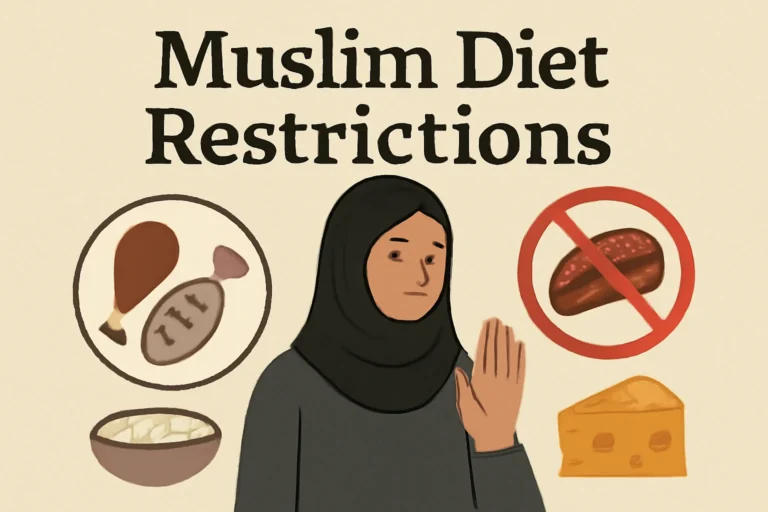
Pork and pork by-products: Pork is universally prohibited, as are many items derived from pork such as certain tallow, gelatin, or flavorings that originate from pigs.
Blood and blood by-products: Consuming blood or blood-based ingredients is forbidden, even if processed into substitutes.
Alcohol and intoxicants: Products containing ethanol or other intoxicants are not allowed, as consumption can impair judgment and spiritual state.
Improperly slaughtered animals: Animals killed without invoking the name of God, or in a manner considered cruel or deficient, are generally not permissible.
Meats from animals that die naturally or are killed by strangulation, a fall, or a blow: Such death cannot be deemed halal unless properly prepared after proper slaughter.
Animals of prey and birds with sharp claws: Carnivorous animals, birds of prey, and similar creatures are typically not permissible to eat.
Beyond these explicit prohibitions, many Muslims follow additional guidelines informed by cultural practices or scholarly opinions. Some communities also distinguish between animal welfare considerations and ritual purity, which can shape choices about cross-contamination, utensils, and storage. Understanding these foundations helps in decoding the many labels and ingredients you may encounter on grocery shelves and restaurant menus.
Other concepts to know
Zabiha or dhabiha: the Islamic method of slaughter, typically conducted with a swift, humane cut while reciting a blessing. This ritual aims to minimize suffering and to honor the life taken for sustenance.
Makruh: actions or foods that are discouraged but not strictly forbidden; some scholars view them as better avoided, especially in ethical or spiritual contexts.
Mubah: actions that are neutral or permissible without strong religious recommendation either for or against.
Halal certification: a process by which a product or establishment verifies that its practices and ingredients meet halal standards, often issuing a seal or certificate for consumers to recognize.
Central to many interpretations of halal slaughter is the requirement that the animal be alive and healthy at the time of slaughter, that the name of God be invoked (typically by saying Bismillah and sometimes Allahu Akbar), and that the slaughter be performed with a swift, single-cut incision to minimize pain. In practice, many global markets now accommodate a range of acceptable methods, but the underlying intention remains to respect life and to ensure the meat is clean and pure for consumption.
Stunning and halal considerations
A common point of discussion is whether stunning before slaughter is compatible with halal rules. Opinions vary across schools of thought and communities:
Some scholars permit pre-slaughter stunning if it does not cause death and if the animal regains life before slaughtered, ensuring the proper abzah process.
Other scholars require a direct slaughter without prior stunning or place conditions on the type and duration of stun to preserve animal welfare while maintaining ritual validity.
In many regions, certification bodies provide guidance and certifiers assess whether local practices meet halal standards for slaughterhouses and meat processors.
Regardless of the debate over stunning, the central aims of humane treatment, proper slaughter, and cleaning processes remain at the heart of halal meat production. For consumers, this often translates into looking for a trusted halal certification label on packaged products or asking questions at market stalls or restaurants about their slaughter and processing practices.
Halal in practice: from farm to table
What makes a product halal?
A product is considered halal when its ingredients, processing methods, and handling meet Islamic guidelines. This includes:
Authorized ingredients that are not haram, such as fresh vegetables, grains, poultry, beef, and fish that meet halal standards.
Avoidance of prohibited additives, flavorings, and processing aids that derive from haram sources.
Clean processing facilities to avoid cross-contamination with haram items, or dedicated halal facilities when possible.
Proper documentation and, often, a formal certification or endorsement from a recognized halal authority.
In broad terms, many items you find in everyday meals can be halal when prepared according to guidelines. This includes:
Meat from animals slaughtered by the zabihah method, such as beef, lamb, goat, and certain poultry that meet halal standards.
Seafood in most Muslim communities is considered halal, with the majority of scholars recognizing all fish and many shellfish as permissible; rules can vary, so it’s wise to verify with local authorities if in doubt.
Fruits, vegetables, grains, legumes, and many plant-based foods that are processed or seasoned without haram additives.
Processed foods that do not contain alcohol, haram fats, or forbidden enzymes and that are produced in a halal-certified facility.
Common haram ingredients to watch for
Be mindful of items often labeled in confusing ways. Some examples include:
Pork-derived ingredients such as gelatin from porcine sources or certain collagens and enzymes.
Alcohol-based ingredients including ethanol-based extracts, flavorings, or preservatives used in small amounts.
Non-halal meat sources that may come from animals improperly slaughtered or killed otherwise.
By-products from haram animals, and certain modern food additives whose source or processing is not halal.
Certification, labeling, and how to shop for halal
What is halal certification and why it matters
Halal certification is a formal recognition by an authorized body that a product, restaurant, or facility adheres to halal standards. Certification provides consumer confidence, especially in international markets where ingredients and processing steps may vary widely. The presence of a halal seal or certificate on packaging or a restaurant menu helps a shopper quickly determine compliance, though you should still review product ingredients and the scope of the certification (for example, meat products vs. cosmetics).
Tips for identifying halal when shopping or dining out
Look for a current halal certification logo from a reputable certifying authority familiar to your region.
Read ingredient lists attentively for hidden haram sources such as pork derivatives, alcohol, or questionable gelatin and enzymes.
Ask questions about the slaughter method and the facility's handling practices if you are buying meat.
Prefer products produced in dedicated halal facilities or with stringent cross-contamination controls.
Recognize that labeling can vary by region; what is acceptable in one country may have different standards elsewhere, so know the local halal landscape.
Practical guidance for different contexts
Eating halal at home
Home cooking offers a reliable way to maintain control over ingredients and preparation. Planning ahead can reduce stress and ensure adherence to Islamic dietary rules. Consider:
Keeping a simple pantry of halal-certified staples: spices, grains, canned legumes, and halal meats if you consume meat.
Using separate utensils or dedicated cutting boards for halal meat to prevent cross-contamination with non-halal items.
Labeling ingredients with their halal status and expiration dates, so you can quickly verify meals for family members with different sensitivities or preferences.
Halal dining in restaurants and cafeterias
Eating out can pose challenges, but with a few strategies you can enjoy a wide range of options:
Ask about the slaughter method for meat and whether the kitchen uses shared equipment with non-halal items.
Check for a halal certification on the restaurant or on the meat served, if available.
In casual settings, request dishes prepared with halal ingredients and avoid alcohol-based sauces or flavorings unless they are clearly non-alcoholic and compliant.
When in doubt, opt for clearly vegetarian dishes or plant-based proteins that align with halal principles.
Halal considerations while traveling and in schools
Travel often introduces complexity due to unfamiliar menus and limited options. Planning ahead helps. If you’re in a school or university setting, you can:
Consult campus dining services about halal-certified menus and the possibility of a dedicated halal station.
Carry portable, halal-certified snacks for times when meals aren’t available.
Educate peers and staff about Islamic dietary guidelines to foster a respectful and inclusive dining environment.
Seafood, dairy, and other nuanced categories
Seafood and fish: is it all halal?
In most Islamic traditions, seafood is considered halal and acceptable for consumption. The status of fish and other sea creatures is generally agreed upon in major schools of Islamic law, making seafood a common option for Muslims seeking permitted foods in diverse cuisines. Some communities, however, may follow more conservative interpretations, so it is useful to know local guidance and preferences.
Dairy products and plant-based alternatives
Dairy products are typically halal as long as they do not incorporate haram ingredients (for example, alcohol-based flavorings) and the dairy source comes from halal-appropriate livestock. Plant-based foods, grains, and legumes are inherently halal when free from prohibited additives. If you are avoiding certain processing aids or fermentation products, verify those processes as well.
Gelatin, enzymes, and processed ingredients
A frequent source of confusion is gelatin, collagen blends, and certain enzymes used in processed foods. Gelatin derived from pork is haram, while gelatin sourced from halal-slaughtered animals or from plants may be acceptable in some communities. Similarly, some enzymes and colorings originate from animal, microbial, or plant sources, and their halal status may depend on source and processing. Always review the certification and ingredients for these complex additives.
Common questions and myths about Muslim dietary requirements
Do all Muslims eat only halal meat?
While many Muslims aim to consume halal meat, dietary practices vary. Some individuals may be vegetarian or vegan for health, personal, or ethical reasons, and still adhere to other halal guidelines. The central obligation is to avoid haram substances and to observe the proper method for meat when it is consumed.
The prohibition of alcohol and intoxicants is a common feature of Muslim dietary rules. Some scholars distinguish between intoxicants and small amounts used in flavorings, while others advise complete avoidance of any alcohol-containing ingredients in food and beverage products.
Can Muslims eat meat from animals slaughtered by non-Muslims?
In some contexts, meat slaughtered by non-Muslims may be considered permissible if the animal is butchered in a manner consistent with halalan tayyiban expectations and if the meat is not contaminated with haram ingredients. In other communities, stricter interpretations require specific slaughter practices or halal certification. When in doubt, seek guidance from a trusted local authority or halal certification body.
Building a practical framework for daily life
Reading labels and understanding ingredients
Learning to read ingredient lists is essential for maintaining halal-compliant eating. Look for clear halal certification symbols and examine terms that may signal haram sources, such as pork-derived products, grape seed extract or other alcohol-based flavorings. When you encounter unfamiliar terms, consider checking reputable sources or contacting manufacturers for clarification.
Cross-contamination and kitchen practices
Cross-contamination is a common concern for households and restaurants alike. Practical steps include:
Using dedicated utensils, cutting boards, and cookware for halal foods when possible.
Cleaning surfaces thoroughly between preparing halal and non-halal items.
Labeling containers clearly to reduce mix-ups in shared kitchens or cafeterias.
Religious observance and personal choice
For many Muslims, dietary choices are intertwined with spiritual and ethical reflections. Some people prioritize the most stringent interpretation of halal, while others balance religious obligations with practical realities, such as availability and cost. The overarching aim remains: to honor God, to avoid prohibited substances, and to nourish the body and soul in a balanced way.
Wrapping up: the halal journey in a global context
The field of Muslim dietary requirements continues to evolve as global supply chains expand, new processing technologies emerge, and communities seek greater clarity around halal labeling. The concept of halal rules is not merely about avoiding forbidden items; it is a framework for conscientious living, mindful sourcing, and respect for diverse culinary traditions. By understanding the core principles—what is allowed, what is prohibited, how slaughter is conducted, and how to verify certification—consumers, cooks, and educators can navigate meals with confidence and sensitivity.
Variations across regions and cultures
Halal practices are implemented in countless ways around the world. In some regions, strict adherence to traditional slaughter methods and rigorous certification schemes prevail. In others, a more flexible approach may prioritize accessibility and practicality while still honoring the essential rules. Regardless of location, the emphasis on clean handling, ethical treatment of animals, and avoidance of haram ingredients remains a common thread across communities.
Key takeaways for a long-term halal lifestyle
Familiarize yourself with the core terms: halal, haram, zabiha, certification.
When in doubt, seek evidence from reputable halal authorities and trusted sources in your region.
Prioritize clear labeling, reputable certification, and transparent ingredient sourcing when shopping or eating out.
Respect cultural differences while maintaining your own standards, especially when traveling or dining in multicultural settings.
Remember that the goal of these guidelines is nourishment that supports spiritual mindfulness, ethical conduct, and community well-being.
Conclusion: embracing the complete guide to Halal Rules, Foods, and Practices
The journey through Islamic dietary laws is a continuous one—an ongoing conversation between faith, science, and everyday life. This guide has endeavored to present a coherent, practical framework for understanding Halal rules, knowing what constitutes permitted foods, recognizing prohibited items, and applying these principles to shopping, cooking, and dining in diverse environments. By cultivating awareness of halal certification, learning to recognize common haram ingredients, and embracing thoughtful dining practices, you can navigate the complex landscape of modern food culture with confidence, dignity, and integrity.




Deja una respuesta