Halal and Healthy: A Practical Guide to Nutritious Halal Eating
Food is more than sustenance; it is nourishment for the body, mind, and spirit. In today’s kitchens, many people seek meals that are halal—permissible under Islamic law—and healthy—promoting well-being and vitality. This guide explores how to combine these aims into a practical, flavorful approach to eating. We will examine the core principles that tie halal choices to nutritious outcomes, offer actionable tips for home cooking, shopping, and dining out, and provide simple, sustainable strategies that help you plan, prepare, and enjoy meals that are both halal-certified where needed and truly nourishing.
Core Principles of Halal Nutrition
Understanding the foundation helps you make confident decisions at every table. Below are several essential concepts that guide halal eating in a health-forward way.
What counts as halal?
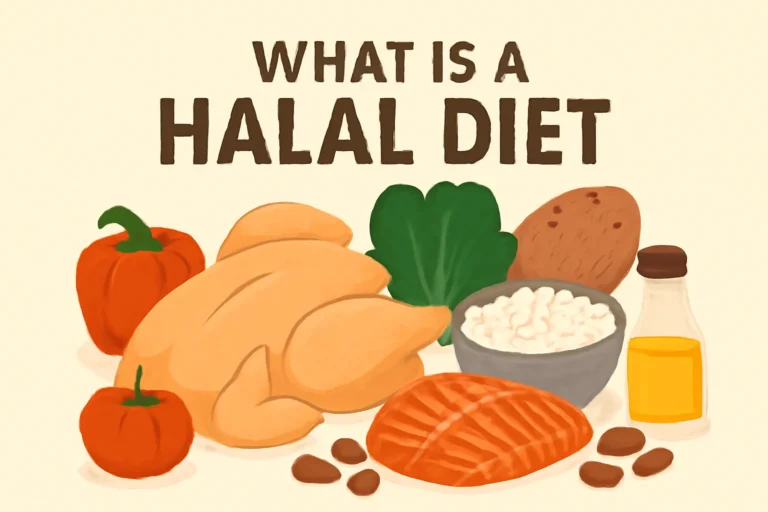
Foods and ingredients that comply with Islamic dietary law, including verification by a reputable halal certification when appropriate.
Meat from animals slaughtered in accordance with proper invocation and humane practices, with blood drained from the carcass.
Purified or permissible animal by-products that are derived from lawful sources and processed in a way that maintains cleanliness and safety.
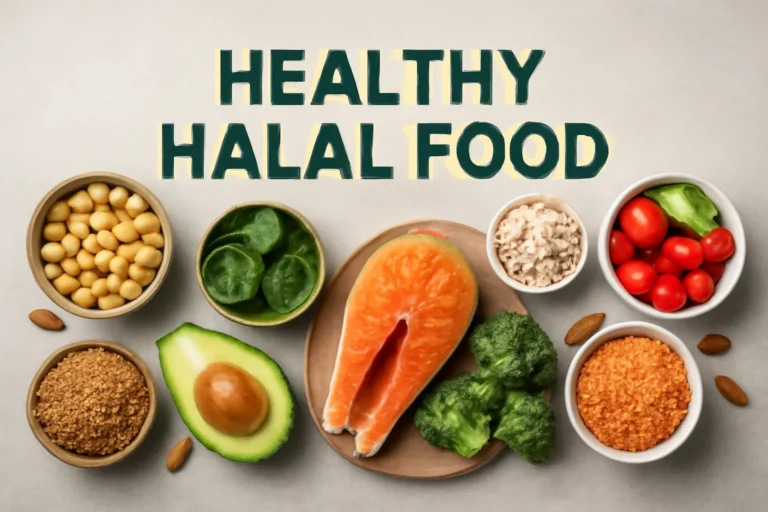
Plant-based foods, dairy, grains, legumes, fruits, nuts, and seeds that are inherently halal and can contribute to a balanced diet.
What is tayyib and why does it matter for health?
The term tayyib translates roughly to “wholesome” or “goodness”—not just permissible, but beneficial for the body and environment. When we prioritize tayyib nutrition, we focus on foods that are fresh, minimally processed, and produced in ways that respect health, animal welfare, and ecological sustainability. Seen this way, halal and healthy are not opposing forces but complementary aims that can reinforce each other.
Prohibited items and common concerns
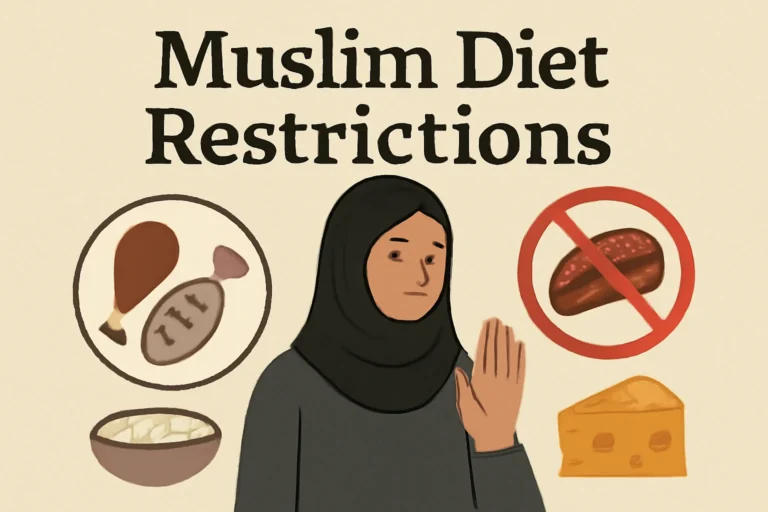
Forbidden substances include pork and pork by-products, alcohol, and intoxicants. Cross-contamination with non-halal items should be avoided in both home kitchens and commercial facilities.
Some processed foods contain gelatin, enzymes, or emulsifiers from non-halal sources. Look for halal-certified or plant-based alternatives when possible.
Seafood rules vary among different schools of thought; in many contexts, most seafood is allowed, but individual certifiers may have specific guidance—verify when in doubt.
The Health Connection: Why Halal Aligns with Healthy Eating
At first glance, the idea of “halal” is a religious requirement, while “healthy” is a health metric. Yet the two often converge in meaningful ways. The following points explain how halal practices can promote nutrient-dense choices and reduce exposure to potentially harmful ingredients.
Protein quality and portioning: Halal meat, when sourced from reputable providers, can be part of a balanced protein plan that supports muscle health, immune function, and satiety.
Less processed foods: In many halal-conscious diets, consumers gravitate toward whole foods and minimally processed ingredients, which are typically higher in fiber and micronutrients.
Lower risk of alcohol-containing products: Avoiding alcohol in flavorings, sauces, and marinades reduces caloric intake from alcohol and supports overall health goals for many people.
Transparency and label-reading: The emphasis on certification and clear labeling encourages better consumer skills, leading to safer, more predictable nutrition.
Animal welfare and sustainability: Some halal practices emphasize humane treatment and ethical sourcing, qualities linked to environmental stewardship and, in turn, long-term health benefits for communities and ecosystems.
Healthful practices that naturally fit halal standards
Prioritize whole grains such as brown rice, quinoa, bulgur, and oats to support digestion and sustained energy.
Incorporate a wide range of vegetables and fruits for vitamins, minerals, and fiber.
Choose healthy fats from sources like olive oil, nuts, seeds, and fatty fish to support heart health and satiety.
Opt for lean proteins—chicken, turkey, fish, legumes, and plant-based options—paired with vegetables and whole grains.
Limit added sugars and highly processed snacks that undermine energy and metabolic health.
Practical Ways to Eat Halal and Healthfully
Turning theory into practice requires a mix of planning, mindfulness, and pragmatic choices. The following sections offer concrete steps you can take to eat in a way that respects halal guidelines while promoting good health.
At home: Shopping, cooking, and meal planning
Plan your meals around a protein, a vegetable, and a whole grain to ensure balance in every plate.
Create a two-day rotation of meals to reduce decision fatigue and improve consistency in healthy habits.
Cook in batches and portion into meal-prep containers for grab-and-go options that stay halal and nutritious.
Use herbs, spices, and aromatics to flavor foods instead of relying on high-sodium sauces or alcohol-based marinades.
In restaurants and cafeterias
Seek halal-certified options and ask about ingredient sourcing and preparation methods to avoid cross-contamination.
Favor dishes with vegetable-forward sides, grains, and lean proteins rather than heavy, fried entrees.
When in doubt, request modifications such as no alcohol-based sauces, no pork-related ingredients, and separate cookware to prevent cross-contact.
Practice mindful eating by listening to hunger cues, prioritizing portions that satisfy without overeating.
Reading labels and choosing ingredients
Look for halal certification logos on packaged foods and verify the scope of the certification (ingredients, processing, and facility).
Check for unlikely haram ingredients such as gelatin from non-halal animals, enzymes of questionable source, and alcohol-based flavorings.
Prefer plant-based substitutes when you are unsure about animal-based ingredients.
Weekly Meal Planning and Shopping Guide
A strategic approach to planning, shopping, and cooking can make halal, nutritious eating effortless and enjoyable. The following sections provide a framework you can adapt to your tastes and cultural preferences.
Day 1: Grilled chicken with quinoa and roasted vegetables; yogurt with berries for dessert.
Day 2: Lentil soup with whole-grain bread; side salad with olive oil-lemon dressing.
Day 3: Baked fish, brown rice, steamed greens; fruit salad as a light finish.
Day 4: Chickpea curry with basmati rice and cucumber-tomato salad.
Day 5: Stir-fried tofu with mixed vegetables and whole-wheat noodles; sesame-ginger glaze.
Day 6: Turkey or chicken kebabs, couscous, roasted peppers, and yogurt dip.
Day 7: Hearty vegetable and lentil stew with whole-grain bread; seasonal fruit.
Tips for making the plan work:
Choose repeatable base meals (e.g., a protein + grain + veg bowl) and rotate add-ons to keep things interesting without extra planning pressure.
Keep a shopping list template that you update weekly with favorite halal options.
Prep ingredients in advance, such as washing vegetables, portioning proteins, and pre-cooking grains, to reduce weekday cooking time.
Easy Weeknight Dinners and Meal Prep Ideas
When energy is low after a long day, simple and flavorful meals that align with halal and health goals are especially valuable. The following ideas emphasize speed, simplicity, and nutrient density.
One-pan meals: chicken thighs with vegetables and spices baked together; serve over quinoa or brown rice.
Sheet-pan suppers: salmon, broccoli, and sweet potatoes with a lemon-olive oil dressing.
Stir-fries with tofu or shrimp, a rainbow of vegetables, and a light soy-ginger glaze; pair with whole grains.
Soups and stews: lentil soup or chickpea stew that feeds a crowd and freezes well.
Salads that fill you up: hearty greens with beans, roasted vegetables, a scoop of grains, and a tahini-lemon dressing.
Dining Out: Halal Choices on the Go
Eating away from home requires flexibility and proactive communication. The goal is to enjoy meals that are halal-friendly and nutritionally balanced.
Ask about halal certification for proteins and the restaurant’s sourcing practices.
Request grilled or baked proteins with vegetables and a modest portion of whole grains, avoiding heavy sauces that may add excess sugar or fat.
Avoid cross-contact by requesting clean utensils and separate preparation surfaces if possible.
When possible, choose dishes with lots of vegetables, legumes, and whole grains.
Special Considerations: Vegetarian, Vegan, and Mixed Diets Within Halal Frameworks
Halal eating is compatible with a wide range of dietary patterns. If you are vegetarian or vegan or if someone in your household follows a plant-based approach, you can still align with halal principles while prioritizing health.
Plant-based halal options
Legumes (beans, lentils, chickpeas) provide plant-based protein and fiber.
To cultivate lasting habits, many people find value in the broader concept of tayyib—wholesomeness that extends to the source of foods, the way they are produced, and the impact on communities and the environment. This broader view can enrich your relationship with food in several ways.
Choose organic or sustainable sources when possible, especially for produce and dairy, to support soil health and animal welfare.
Support local farmers and markets to reduce food miles and build community resilience.
Prefer humane and transparent practices in meat production, aligning with both halal standards and ethical considerations.
Incorporate seasonal produce for freshness, flavor, and nutrient retention.
Safety and Hygiene: Practical Tips for Clean Halal Eating
Safety is central to both halal compliance and healthy living. The following guidelines help safeguard your meals at home and when eating out.
Maintain a clean kitchen, with separate cutting boards for meat and produce when possible to prevent cross-contamination.
Store halal products separately from non-halal items in the refrigerator and freezer to preserve integrity.
Cook meats to safe internal temperatures and use a food thermometer to verify doneness.
Wash hands thoroughly before handling food and after handling raw meat or poultry.
Label and date leftovers to ensure freshness and prevent spoilage.
Common Myths and Realities About Halal and Health
As with any dietary framework, misconceptions can arise. Here are a few common myths and the realities behind them, clarified to support a balanced approach to nutrition.
Myth: “All halal foods are unhealthy or heavily processed.
Reality: Halal encompasses a wide spectrum—from whole, plant-forward foods to lean protein sources—so you can build a nutrient-dense and well-balanced diet that suits your tastes and needs.
Reality: Certification confirms permissible sources and processing; it does not automatically indicate nutritional quality. Reading labels and choosing whole foods remain essential.
Myth: “Halal means you must eat only meat.”
Reality: Halal food encompasses a broad range of plant-based options that can be delicious, affordable, and incredibly healthy.
Conclusion: A Practical Path to Nutritious Halal Eating
Integrating halal guidelines with healthy eating is a practical, empowering approach to food. By focusing on core principles—clarity about what is permissible, attention to tayyib wholesomeness, and a commitment to nutrition—the path becomes clear and sustainable. You can, with intention, craft meals that honor faith, support physical well-being, and delight the palate. Whether you are cooking at home, navigating a busy work week, or dining out with family and friends, the strategies outlined in this guide are designed to help you make choices that are both halal-compliant and health-promoting.
Remember, the aim is not to restrict joy, but to deepen the pleasure of eating through choices that nourish the body and respect the values you hold dear. By embracing the harmony between halal and healthy, you can enjoy a vibrant, varied, and satisfying diet that supports vitality, faith, and a positive relationship with food.






Deja una respuesta