Introduction: Understanding Halal Eating in Everyday Life
In a world of diverse cuisines and global supply chains, Muslim dietary practices offer a practical framework for choosing foods that align with faith and health. Whether you are a practicing Muslim navigating local markets, a student traveling abroad, or someone simply curious about how Islamic dietary rules translate into daily meals, this guide provides a clear, actionable overview. The term halal is often paired with its complement, haram, to describe what is permissible and what is forbidden under Islamic law. But halal living extends beyond mere avoidance of prohibited items; it encompasses humane slaughter, ethical sourcing, transparent labeling, and mindful preparation. In this guide we will explore the key concepts, practical steps, and everyday strategies to make halal eating accessible, consistent, and culturally respectful wherever you find yourself.
Foundations of Halal: Core Concepts in Islamic Dietary Law
What “halal” means in practice
The word halal literally means “permissible” or “lawful.” When applied to food, it designates items and production methods that are allowed under Sharia (Islamic law). Halal encompasses not only the kinds of foods that may be eaten but also the way they are prepared, processed, and handled. In practice, this often means:
Foods derived from permissible animals slaughtered according to prescribed methods, or from permissible non-meat sources.
Ingredients that do not contravene Islamic prohibitions, such as pork and its by-products, blood, or substances that cause intoxication.
Preparation that avoids cross-contact with haram foods and implements clean, wholesome handling.
It is important to recognize that halal standards can vary by country, culture, and certification body. While the fundamental aim is consistent across communities—to enable Muslims to eat with confidence—the methods used to ensure halal compliance may differ. Some communities emphasize traditional slaughter traditions (often called zabiha), while others focus on certified processing facilities and documented traceability. In practice, many Muslims rely on a combination of knowledge, certification marks, and direct inquiries when choosing food.
What “haram” means and why it matters
The term haram refers to foods and practices that are forbidden in Islam. The core categories include:
Pork and pork-derived products
Blood and blood by-products
Animals not slaughtered according to proper ritual procedures
Carnivorous animals and birds of prey
Intoxicants, including alcoholic beverages and certain distilled products
Certain additives or processing aids whose halal status is uncertain or prohibited
It is worth noting that interpretations can vary, particularly around issues like permissible stunning of animals before slaughter, or the use of certain enzymes or gelatin. In some jurisdictions, evidence-based guidance helps balance humane treatment of animals with adherence to halal requirements. The overarching aim is to prevent harm or deception and to protect the sanctity of dietary choices for Muslims.
What Foods Are Halal and What Are Not: A Practical Food Guide
Halal-friendly categories
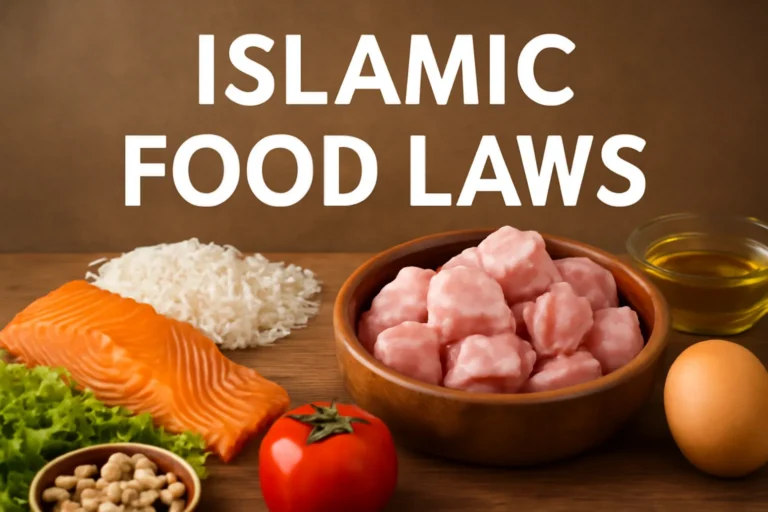
In broad terms, the following categories are typically accepted as halal, when produced and handled in accordance with Islamic guidelines:
Fresh meat and poultry from animals slaughtered according to zabiha or dhabiha standards (subject to local acceptance of slaughter methods).
Fish and most seafood (generally considered halal across major schools, though some communities have nuanced views on specific species).
Dairy products that come from halal-certified sources and do not contain haram additives.
Fruits, vegetables, grains, legumes, and other plant-based foods with no haram processing.
Processed foods that carry reliable halal certification or transparent labeling confirming halal compliance.
Eggs, honey, and other animal-derived products that do not involve prohibited ingredients or cross-contamination.
Commonly prohibited items and questionable ingredients
Being aware of potential pitfalls can help avoid inadvertent violations of halal standards. Some items to scrutinize include:
Pork and any pork by-products (gelatin from pork, lard, certain enzymes, and flavorings).
Blood and blood-derived substances (sometimes present in processed meats, sausages, and certain sauces).
Alcohol and alcohol-based flavorings or fragrances, even in small amounts.
Animal-derived rennet or enzymes if sourced from haram animals, unless clearly certified halal or derived from non-haram sources (like microbial rennet or algae-based alternatives).
Gelatin sources that could be porcine or non-halal unless clearly labeled as halal or fish-based gelatin.
Cross-contamination with haram foods in shared facilities or utensils unless proper separation is maintained.
Slaughter and Preparation: The Zabiha Method and Related Practices
What is zabiha and why it matters
Zabiha (also spelled dhabiha) refers to the Islamic method of slaughtering animals in a specific, humane way, with a swift action and a blessing (du’a) recited by the slaughterer. The intention is to minimize suffering, ensure rapid death, and drain the blood from the carcass. This method is a cornerstone for many Muslims seeking halal meat, though interpretations on the necessity of recitation and on stunning vary among communities and scholars.
Key steps in traditional zabiha slaughter
Ensure the animal is healthy, permissible to eat, and alive at the time of slaughter.
Invoke the name of God (the blessing or bismillah and often Allah-u Akbar), while performing the cut.
Make a swift, uninterrupted cut to sever the windpipe, esophagus, and major blood vessels in the neck.
Drain the majority of the blood from the carcass before further processing, in line with guidelines for humane slaughter.
Handle the meat and by-products in a clean, hygienic environment to prevent contamination.
It is important to note that there is diversity in how communities interpret and apply slaughter rules. Some Muslims accept humane stunning as a prerequisite if it is reversible and followed by proper slaughter, while others require no stunning at all. In many countries, authorities permit stunning if it is reversible and does not cause death before halal slaughter. Others insist on traditional methods without stunning. When in doubt, consult a local imam, halal-certified supplier, or your country’s halal authority.
Regional and school-based variations
Across the Muslim world, different schools of thought (madhhabs) and regional practices shape the acceptance of certain techniques. For instance, some communities in Europe and North America emphasize halal certification and traceability from farm to fork, while others may place more emphasis on the exact method of slaughter described in traditional texts. The common thread remains: the animal should be healthy, the act should be purposeful, and the process should aim to minimize harm as much as possible.
Halal at Home: Making Your Kitchen a Space for Faithful, Healthy Cooking
Creating a halal-friendly pantry
A practical first step is to audit your pantry and plan your shopping around halal-certified products. Look for certification logos from recognized bodies, read ingredient panels, and be mindful of ambiguous terms. In some regions, “halal” may appear on the package, but the product could still be processed using shared equipment with haram ingredients. When you encounter uncertain items, set them aside and seek further information.
Even if individual ingredients are halal, cross-contamination with haram items can render a dish unsuitable. Practical steps include:
Use separate cutting boards, utensils, and cookware for halal foods, especially if you prepare pork or non-halal items at home.
Store halal goods separately from haram products, ideally in clearly labeled containers or shelves.
Clean surfaces thoroughly between handling different types of foods, and sanitize kitchen tools after contact with non-halal items.
Prefer dedicated halal pantries and cleaning supplies to minimize risk of inadvertent contamination.
Cooking techniques and recipe ideas
Halal cooking can be diverse and flavorful. Consider building meals around lean cuts of halal meat or plant-based dishes that emphasize fresh vegetables, legumes, grains, and spices. Some practical ideas include:
Slow-simmered stews with permissible meat, chickpeas, and seasonal vegetables.
One-pot curries that rely on spices, coconut milk, and herbs instead of alcohol-based sauces.
Grilled skewers with zabiha chicken or beef and flavorful marinades crafted from diaspora-inspired spice blends.
Vegetarian or vegan dishes that highlight lentils, beans, grains, and fragrant sauces.
Eating Out and Travel: Navigating Halal Compliance on the Fly
Questions to ask at restaurants
When dining outside, clear communication is essential. Consider asking:
Do you source halal meat, and is it slaughtered according to zabiha or equivalent standards?
Is alcohol used in cooking or in sauces, and how is it avoided in the final dish?
Do you have a certified halal kitchen, or do ingredients come from a halal-certified supplier?
What measures exist to prevent cross-contamination with haram ingredients?
Hotels, airlines, and event catering
Large-scale services often work with halal-certified suppliers and designated halal kitchens. If you have a special dietary request for an event or travel, contact organizers in advance and request documentation or certification details. In some regions, official halal certification is displayed on menus or near food stations; in others, you may rely on the reputation of the brand and direct inquiry.
Global Halal Certification and Labeling: Understanding the Landscape
Major halal certification bodies and their roles
Halal certification is a system of oversight that helps consumers identify compliant products. Some widely recognized authorities include:
JAKIM (Department of Islamic Development Malaysia) – Malaysia’s official halal certification body, widely respected for its rigorous standards.
MUIS (Majelis Ulama Islam Singapura) – Singapore’s halal authority, collaborating with regional producers.
MUI (Majelis Ulama Indonesia) – Indonesia’s national halal certification framework, shaping many Southeast Asian markets.
Regional and private organizations such as the Halal Standard groups, which may operate with national or international recognition.
In addition to formal certification, many countries host local halal councils or private certification bodies that work with producers to verify ingredients, processing, and handling practices. When buying internationally, look for certification marks, official certificates, or explicit declarations from the producer about halal compliance.
The halal landscape is evolving, with increasing attention to sustainability, ethical sourcing, and clear labeling. Some producers pursue “green” or “ethical halal” labels that emphasize humane treatment of animals, non-GMO sourcing, or environmentally responsible processing. While these attributes align with broader values, it is important to distinguish them from halal status. The halal assessment remains centered on whether the product adheres to Islamic dietary rules, including the sources of ingredients and the methods used in production.
Common Pitfalls and Misinterpretations: What to Watch For
Ambiguity in processing aids and additives
A frequent source of confusion is the designation of certain processing aids—such as enzymes, gelatin, pectin, or glycerin—that may originate from haram sources. Even when the final product appears halal, the origin of these ingredients can determine its status. When possible, seek products that clearly disclose the source or carry reputable halal certification.
“Natural flavors” and other vague ingredient terms
The label natural flavors can, in some cases, include alcohol or animal-derived components. Depending on regional regulations, the exact composition may not be disclosed. If you rely on halal labeling, consider contacting the manufacturer or choosing products with explicit ingredient declarations or strong certification.
Cross-contact and shared facilities
Even if a product is halal, it may be produced in facilities that also process haram items. This cross-contact risk can be mitigated by selecting products designed for clean-divide production, with dedicated facilities or lines for halal items. Consumers who require strict adherence should seek products that explicitly state their separation practices.
Practical Checklist for Everyday Halal Living
A simple, action-oriented guide
Identify reliable sources of halal guidance in your locale (certification bodies, mosque committees, or trusted halal markets).
Choose halal-certified products whenever possible and read ingredient panels carefully.
Ask questions when dining out or shopping internationally, and carry contact information for the local halal authority when traveling.
Maintain a halal-friendly kitchen with separate utensils and storage for halal foods to prevent cross-contamination.
Keep a personal reference of common haram ingredients and their alternatives, so you can make quick, informed decisions on the go.
A practical weekly plan for halal meal planning
Plan meals around halal protein sources (meat from zabiha slaughter, poultry, dairy, or legumes) and a variety of vegetables, grains, and spices.
Prepare a shopping list that prioritizes certified halal products and fresh produce.
Designate a dedicated cooking space or set of utensils for halal cooking, especially if you share a kitchen with others who may prepare haram foods.
Label leftovers with dates and ingredients to avoid confusion and ensure freshness.
The practice of halal eating in today’s global context is about more than simply avoiding forbidden items. It is a holistic approach that blends faith, health, ethics, and practical living. By understanding the core concepts of Islamic dietary law, recognizing the importance of humane slaughter and transparent labeling, and applying mindful kitchen practices, Muslims can enjoy a broad spectrum of nutritious foods while staying true to their beliefs. For many, halal is not a limitation but a pathway to more deliberate, respectful, and connected eating—whether at home, in a school cafeteria, in a bustling city market, or while traveling across borders. This guide aims to empower you with knowledge, clear expectations, and practical steps so that every meal is a deliberate choice aligned with your values. May your table be blessed with nourishment, clarity, and peace as you navigate the diverse world of halal cooking and dining.




Deja una respuesta