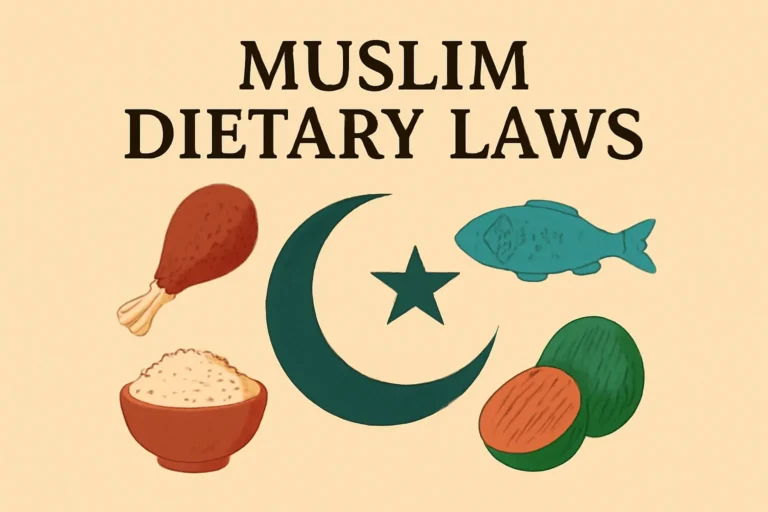
Muslim dietary laws describe a comprehensive system of ethical, spiritual, and practical guidelines about what may be eaten, how foods are prepared, and how meals fit into daily life. These rules are rooted in the belief that Allah has provided guidance on sustenance to promote health, hygiene, compassion, and social responsibility. While many readers first encounter these rules in the context of halal meat, they extend far beyond meat alone, touching every aspect of food production, handling, and consumption. This article offers a thorough overview of the halāl rules, their sources, practical applications, and the ways communities interpret them across different cultures and time periods.
Key Terms and Core Concepts
The study of Islamic dietary jurisprudence relies on several core terms. Understanding these terms helps in navigating questions about what is permissible and what is prohibited.
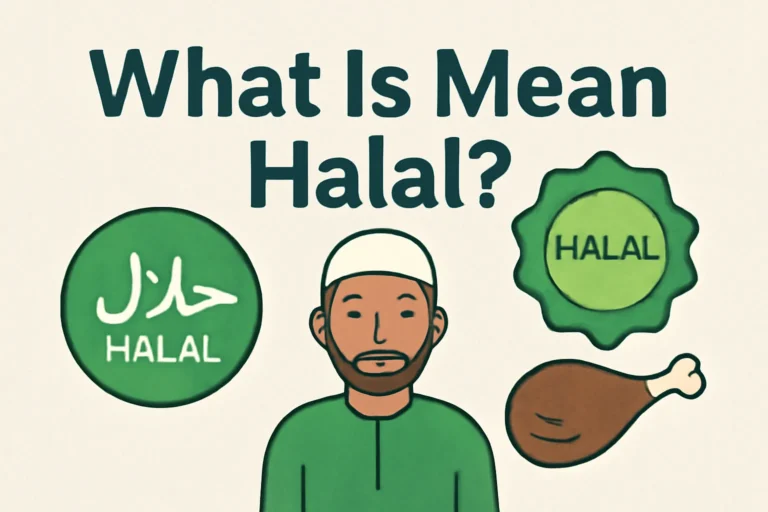
Halal – permissible or lawful according to Islamic law. This applies to food, drinks, and sometimes entire processes, including business practices surrounding food.
Haram – forbidden or prohibited. Items designated as haram include a range of substances and practices that are considered inconsistent with Islamic ethics.
Tayyib – wholesome, clean, and pure. Some scholars emphasize the broader moral and sensory quality of food as part of the definition of halal, not merely its legality.
Zabiha (often called dhabiha or zabihah) – the islamic method of slaughter for permitted animals. This term is central to meat that is considered halal when performed correctly.
Ummān al-fiqh (jurisprudence) – the school of Islamic legal interpretation that informs contemporary practice, including dietary rules. Different communities may emphasize different scholarly opinions.
Zabiha Slaughter and Ethical Slaughter Methods
Central to halal meat is the method by which an animal is slaughtered. The concept of zabiha is designed to ensure humane treatment, minimize suffering, and invoke a specific invocation (tasmiyah or shahadah) at the moment of slaughter.
Animal eligibility – Only certain land animals that are considered clean and edible in Islamic sources are eligible for halal slaughter. Birds and fish have their own distinct considerations.
Method – The slaughter must be performed with a sharp implement, causing minimal distress and a swift, humane death. The blessing is pronounced in Arabic, typically the shahada: “In the name of Allah, Allah is the Greatest.”
Direction – In many places, the animal is laid on its side or kept in a steady position during the process, with the neck exposed and the blood vessels properly severed to drain blood quickly.
Blood removal – Blood must be drained from the carcass. Consuming blood itself is prohibited in Islamic law because it is considered impure and unhealthy.
Exclusions – Animals that die of themselves or are killed by other means, or animals sacrificed in idol-worship or non-Islamic rituals, are not permissible even if the meat comes from a halal species.
Common Variations and Practical Realities
Across different Muslim communities, the exact requirements for zabiha can vary slightly. Some communities emphasize the presence of a Muslim slaughterer, the immediacy of the blessing, or the specific tool used. Others emphasize strict separation of halal-slaughtered animals from non-halal products in processing facilities. In modern supply chains, halal certification is often used to indicate that the slaughter and handling meet widely accepted standards.
What is Haram? Prohibited Substances and Practices
Haram covers more than simply foods that are not halal. It includes substances, practices, and processes that Islamically prohibit consumption or use, either because they cause harm to the body, threaten moral integrity, or conflict with the purpose of nourishment.
Alcohol and intoxicants – The consumption of alcoholic beverages and any substance that causes intoxication is generally prohibited. Some communities distinguish between alcohol in cooking and beverages, but the underlying prohibition often remains.
Pork and its by-products – Pigs are explicitly prohibited in the Qur’an, and any product derived from them, including gelatin and flavorings, may be considered haram unless proven halal through a reliable process.
Blood – Direct consumption of blood or blood-rich products is forbidden.
Improper slaughter or animal cruelty – Meat that was not slaughtered in accordance with zabiha or that involved cruelty may be considered haram in many traditions.
Forbidden animals – Certain animals (e.g., predatory birds, carrion, and animals dedicated to other deities) are explicitly forbidden, regardless of preparation.
Permissible Foods and Special Rules
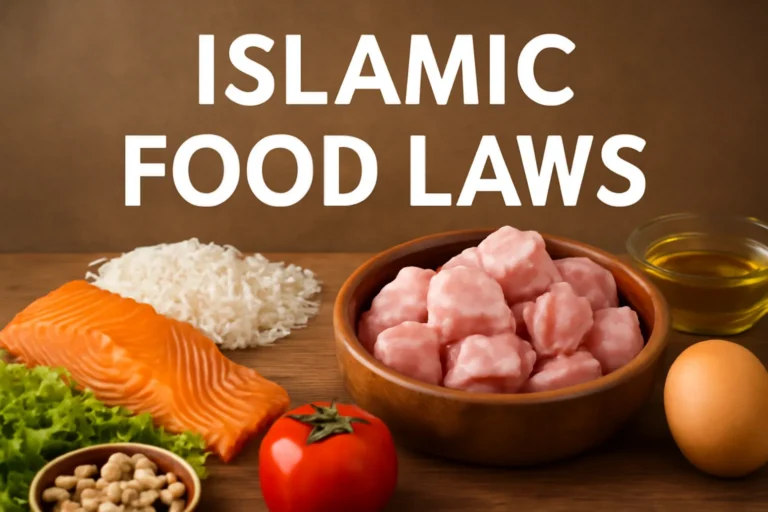
Beyond halal meat, many foods are considered permissible under Islamic dietary laws, provided they do not involve haram ingredients or improper processing. The framework covers dairy, grains, fruits, vegetables, beverages, and prepared foods.
Meat and Poultry: Requirements for Halal Slaughter
Source – The animal must come from a permissible species and come from a lawful source; cross-species contamination should be avoided.
Slaughterer – A sane adult Muslim, Jew, or Christian is often considered an acceptable slaughterer in some traditions, though local standards may vary. In other contexts, the requirement may be stricter about a Muslim slaughterer.
Invocation – The pronouncement of Allah’s name at the time of slaughter is typically required, though some scholars permit the declaration to be implied if the slaughterer is quoting the tradition.
Processing – The meat should be processed in a facility that separates halal from non-halal products and maintains cleanliness and proper labeling.
Seafood and Other Animals
Many Muslims consider all fish and seafood to be halal, though some scholars have more conservative views about certain sea creatures. Plant-based foods remain halal so long as they are not contaminated with haram additives.
Dietary Practices: Fasting, Festivals, and Daily Life
Islamic dietary practices are not limited to the meat on a plate. They intersect with daily routines, fasting periods, and religious observances. These practices shape how Muslims approach meals, nutrition, and community life.
Fasting in Ramadan – The daily fast from dawn to sunset teaches self-discipline and spiritual reflection. Foods consumed during non-fasting hours are encouraged to be wholesome and nutritious.
Eid al-Fitr and Eid al-Adha – Festive meals may feature halal-certified dishes, but celebrations emphasize charity, gratitude, and gratitude for sustenance provided by Allah.
Sponsoring meals for others – Sharing halal meals with family, neighbors, and guests is a valued virtue in many communities.
Grain, dairy, and plant-based diets – Many Muslims emphasize natural, wholesome foods (tayyib) that support health and environmental stewardship.
Halal Certification: How It Works in Practice
In today’s global food system, halal certification provides assurance that products meet recognized halal standards. Certification bodies inspect farms, processing plants, and packaging, and they verify labeling, storage, and transport practices.
Certification bodies – Independent organizations that issue halal certificates after audits of ingredients, slaughter methods, and facility practices.
Ingredient scrutiny – Every ingredient, including additives, flavorings, and processing aids, is reviewed for halal status. Non-halal components must be avoided or properly processed.
Facilities and separation – Proper segregation of halal and non-halal lines is crucial to prevent cross-contamination.
Periodic audits – Certification is not a one-time event; ongoing compliance is typically required to maintain certification.
Consumers should look for reliable halal symbols and understand what they signify. Different regions may recognize different certification marks, and some products may be labeled as “halal by default” in markets with strong halal demand. It is prudent to verify product provenance, especially for processed foods with complex ingredient lists.
Eating Out, Travel, and Practical Tips
Eating away from home can be challenging, but practical strategies help ensure meals align with halal principles. Knowledge, courtesy, and preparation empower travelers and diners alike.
Ask before ordering – Do not hesitate to ask about slaughter methods, ingredients, and cross-contamination controls. Clear questions help avoid accidental non-halal choices.
Choose trusted venues – Restaurants with visible halal certification, dedicated halal kitchens, or a track record of halal compliance can reduce risk.
Check ingredients – Some common ingredients derived from haram sources (e.g., gelatin from non-halal animals, certain emulsifiers) require verification.
Plan ahead for travel – Carry halal snacks and research halal markets or neighborhoods in advance to maintain dietary consistency.
Global Perspectives: Variations Across Cultures
Halal practice is not monolithic. It reflects local customs, available livestock, and national regulatory frameworks. While the core principles remain constant, diverse cultural expressions influence how halal is interpreted and implemented.
Regional certification standards – Some regions emphasize strict zabiha methods, while others focus on imported halal products and certifications from well-known authorities.
Industrial vs. traditional contexts – In rural areas, small family farms may manage slaughtering in ways that align with tradition, while modern facilities in cities emphasize scale and formal certification.
Product labeling nuances – In some markets, “halal” on a label may be backed by a local or international certificate, while in others it may be a marketing claim requiring independent verification.
Ethical and Health Considerations in Halal Eating
For many Muslims, halal dietary practice aligns with broader concerns about health, animal welfare, environmental stewardship, and social justice. The emphasis on cleanliness, humane slaughter, and careful handling echoes public health goals and ethical metabolism.
Animal welfare – Humane treatment of animals is often highlighted as part of halal practice, including the minimization of suffering and stress during handling and slaughter.
Hygiene and cleanliness – Ritual cleanliness (taharah) complements the secular expectations of food safety and sanitation.
Food processing aids – The acceptance of certain processing aids or enzymes can vary by school; many communities require proof that an additive is derived from halal sources and does not involve haram byproducts.
Common Questions and Myths About Halal
As interest in halal grows, several questions and misunderstandings persist. Clarifying these points helps readers make informed choices grounded in authentic sources.
Is all seafood halal? – In many traditions, fish and seafood are halal, but certain communities maintain reservations about specific sea creatures or preparation practices.
Can halal and non-halal foods be mixed? – Proper segregation and labeling are essential to prevent cross-contamination; mixing is generally avoided in strict halal operations.
Is gelatin always haram? – Gelatin can be haram if derived from haram animals or non-halal processing. Some gelling agents may be certified halal if produced under strict controls.
Do all Muslims require halal certification? – Certification is a practical tool, but individuals may rely on trusted brands, family practices, or local authority guidance; the essential standard remains adherence to halal principles.
Variations in Halal Practices Across Denominations
Islamic jurisprudence encompasses several schools of thought, and dietary rulings can vary. The fundamental framework—permissible sources, slaughter method, and cleanliness—remains consistent, but the details can differ, particularly in the interpretation of slaughter prerequisites or the permissibility of certain additives. Travelers and consumers should consider regional norms and seek guidance from trusted religious authorities when uncertainties arise.
Historical and Contemporary Context
Halal dietary rules have evolved with globalization, urbanization, and the expansion of food processing technologies. Historical practices, such as traditional dhabihah, coexisted with modern slaughterhouses and mass-market seasoning blends. Contemporary debates sometimes center on standardization, compliance verification, and the role of technology in ensuring traceability and integrity of halal supply chains. Yet the core aim remains stable: to promote sustenance that is lawful, wholesome, and ethically aligned with Islamic principles.
The Role of Education and Community in Halal Living
Education about halal is not merely a set of rules; it is a pathway to informed decision-making and responsible consumption. Communities invest in teaching young people and new families how to read ingredient lists, how to identify trustworthy certification marks, and how to engage with food culture in a way that honors tradition while embracing safe, modern practices.
Practical Education Points
Reading labels – Learn how to interpret symbols and terms related to halal status. Some terms to watch for include “certified halal,” “zabiha approved,” and region-specific halal marks.
Ingredient awareness – Be mindful of hidden haram ingredients such as certain emulsifiers, enzymes, or gelatin from non-halal animals. When in doubt, seek clarification from the manufacturer or a trusted authority.
Kitchen practices – If cooking at home, maintain separate utensils or clearly labeled zones for halal and non-halal foods to prevent cross-contact.
Integrating Halal Guidelines into Modern Lifestyles
Adopting halal rules in contemporary life includes balancing tradition with convenience. Innovations in plant-based alternatives, cultured meats, and clearly labeled products offer new opportunities for Muslims seeking halal-compliant lifestyles without sacrificing taste, nutrition, or cultural identity.
At its heart, the study of halal rules is about more than compliance; it is a lived discipline that integrates faith, health, ethics, and community. From the precise rituals of zabiha slaughter to the everyday choices about ingredients, Muslims strive to nourish themselves and others in ways that honor both spiritual obligations and human welfare. While the details may differ across regions and schools of thought, the overarching aim remains constant: to seek permissible nourishment that is wholesome, ethical, and conscientiously sourced. By understanding the core concepts, engaging with reliable certification, and practicing mindful consumption, readers can navigate the diverse landscape of halal foods with confidence and respect for a tradition that has sustained communities for centuries.
Whether you are a curious reader, a traveler seeking halal options abroad, or a family preparing meals at home, this guide offers a comprehensive framework to understand Muslim dietary laws and the many variations that enrich the global practice of halal living.




Deja una respuesta