Islam Diet Restrictions: A Comprehensive Guide to Halal Foods, Fasting, and Everyday Eating
Islam Diet Restrictions: A Comprehensive Guide to Halal Foods, Fasting, and Everyday Eating
In a world where food choices intersect with faith, culture, health, and lifestyle, understanding Islamic dietary rules can be both empowering and practical. This article offers a thorough overview of halal foods, the concept of haram and halal, how fasting works in Islam, and how Muslims navigate everyday eating with balance and intention. Whether you are a Muslim seeking clarity for daily meals, a host planning halal menus, or a curious reader exploring different dietary frameworks, this guide explains the core ideas, common questions, and practical steps for aligning food choices with Sharia-compliant eating in a modern context.
To appreciate how Islamic dietary laws operate, it helps to distinguish between the major categories: halal, haram, and other related terms. These categories are rooted in the Qur'an, the Hadith, and the juristic traditions that interpret what is allowed, restricted, or discouraged when it comes to what we eat and drink.
What is Halal?
Halal means permissible or lawful. In food terms, it refers to ingredients, methods of slaughter, and processing that comply with Islamic law. Halal foods are prepared in a way that respects animal welfare, cleanliness, and the sanctity of the meal. Some highlights include:
Animals must be animals that are allowed in Islam (e.g., cattle, sheep, goats, camels, and certain types of poultry) and slaughtered in a humane manner with the zabiha method.
Ingredients and processing must not involve prohibited substances like alcohol or pork products.
Proper nikkah of the meat or a declaration that the animal was slaughtered according to Islamic rites is often required for meat to be labeled halal.
What is Haram?
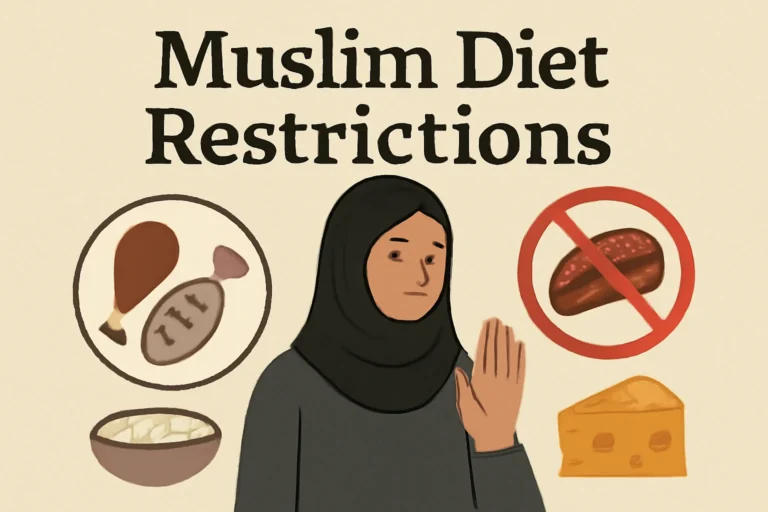
Haram refers to things that are prohibited. In dietary terms, haram encompasses:
Pork and pork by-products.
Meat not slaughtered according to zabiha or meat from animals improperly slaughtered.
Blood and blood by-products.
Alcoholic beverages and intoxicants, as well as foods prepared with or contaminated by these substances.
Unknown or doubtful ingredients without clear halal certification, unless there is a clear safe alternative.
Other Related Terms
To broaden semantic breadth, it helps to know a few adjacent terms that frequently appear in discussions of Islamic dietary guidelines:
Mustahab or recommended acts related to eating and fasting that bring reward but are not obligatory.
Mubah or neutral actions that are permissible without particular merit or vice.
Makruh foods or acts that are discouraged but not strictly forbidden in some schools of thought.
Wajib or fard obligations that may relate to health or ritual cleanliness in some contexts.
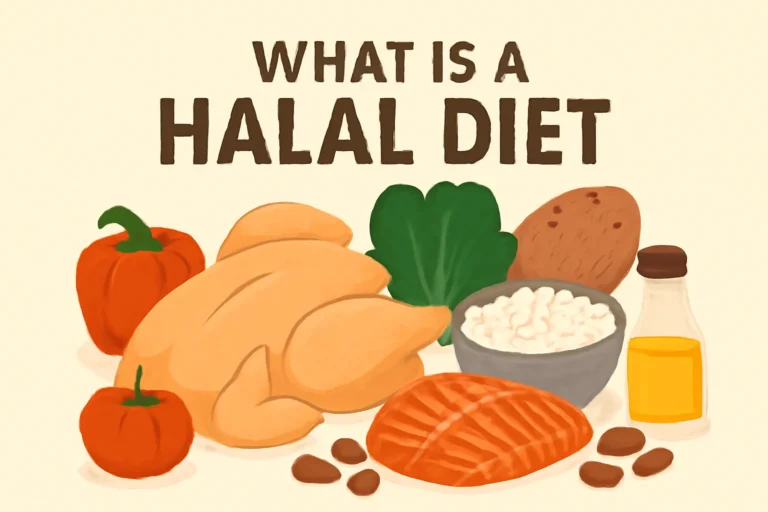
Halal Foods: A Practical Guide
Understanding the foods that fit a Halal-diet framework requires looking at animal products, seafood, plants, and processed items. Here is a practical, kitchen-ready guide to common categories and how to recognize them.
Animal-based foods
Animal-derived products form a large portion of daily meals. The key is ensuring the source and the method meet halal standards:
Beef, lamb, goat, and poultry can be halal if slaughtered in accordance with zabiha guidelines.
Milk, yogurt, and other dairy products are halal as long as they do not contain haram additives or alcohol-based flavorings.
Eggs are generally halal, provided they are free from mixing with alcohol or non-halal processing.
Gelatin and rennet can be halal or haram depending on their source; plant-based or microbial alternatives are often preferred in strict households.
Seafood and fish
In many Muslim-majority communities, seafood is widely accepted as halal. The standard practice is:
Pescatarian-friendly options include fish and sea creatures with proper identification.
Some scholars differentiate between fish with scales and other sea life; most modern opinions permit a broad range of seafood, but always check local guidance when in doubt.
All seafood is generally considered halal in many schools of Islamic jurisprudence, but regional practice may vary.
Vegetables, fruits, grains, legumes, nuts, and seeds are naturally halal provided they are free from contamination with haram substances during processing or packaging.
Whole grains, rice, pasta, bread, and cereals are halal when produced without prohibited ingredients or alcohol-based flavorings.
Fruit and vegetables are inherently halal, though washed and prepared using clean equipment to avoid cross-contamination.
Processed foods and labeling
In a global supply chain, many processed foods require careful scrutiny. Consider these steps when shopping:
Look for a reliable halal certification symbol from recognized authorities on the packaging.
Read ingredient lists for haram additives like pork derivatives, certain emulsifiers, or alcohol-based flavorings.
Be aware of cross-contamination risks in facilities that also process non-halal products.
When in doubt, contact manufacturers or choose products with transparent halal assurances.
Fasting in Islam: Obligations, Practices, and Practicalities
Fasting is one of the core pillars of Islamic practice. While the most well-known form is the annual observance of Ramadan, Muslims also observe other fasts that offer spiritual discipline, health benefits, and communal solidarity.
Ramadan: The obligatory fast
During Ramadan, Muslims fast from dawn (fajr) until sunset (maghrib). The fast is broken with iftar, typically beginning with dates and water. Key aspects include:
The intention to fast is expressed as niyyah, a personal commitment to observe the fast for the sake of Allah.
Meals at dawn are called suhoor, a pre-dawn meal that sustains energy for the day ahead.
Healthy, balanced eating during Ramadan is important to maintain strength for worship and daily obligations.
Optional and voluntary fasts
In addition to Ramadan, Muslims observe voluntary fasts to gain spiritual rewards or to commemorate certain occasions. These include:
Mondays and Thursdays of each week, or specific days in the Islamic calendar.
Six days of Shawwal after Ramadan, the Ayyam al-Beed (the 13th-15th of each lunar month), and other recommended days.
Fasting on the Day of Arafat for those not performing Hajj, and the Day of Ashura, among others.
Guidelines for fasting and health
Fasting is a spiritual act, but practical guidelines help maintain health and well-being during the fast:
Hydration is essential during non-fasting hours to avoid dehydration and headaches.
Balanced suhoor should include slowly digesting foods (e.g., complex carbohydrates, protein, fiber) to sustain energy.
Avoiding excessive caffeine or spicy foods near fasting hours can prevent discomfort during the day.
People with medical conditions, pregnant or nursing individuals, and travelers have specific exemptions or allowances under Islamic jurisprudence.
Everyday Eating: Planning, Shopping, and Social Considerations
Everyday eating involves practical decisions about meal planning, grocery shopping, and social situations such as family meals, dining out, and travel. The goal is to align daily choices with Islamic dietary guidelines while maintaining flexibility and joy in eating.
Meal planning and grocery lists
A typical halal-friendly planning approach includes:
Creating a weekly menu that prioritizes halal-certified protein sources and plant-based staples.
Reading ingredient labels to avoid haram additives such as pork-derived substances, alcohol-based flavorings, or gelatin from non-halal sources.
Preparing simple, healthy meals with halal meat or plant-based proteins, complemented by vegetables and whole grains.
Having a few standby pantry items (rice, beans, canned tomatoes, spices) to enable quick, halal-friendly meals.
Eating out and social occasions
When dining away from home, Muslims may encounter various challenges. Practical tips include:
Ask about the slaughter method and whether meat is zabiha or certified halal.
Check for halal certification on menus or restaurant partners, especially when the kitchen handles non-halal ingredients.
Request substitutes for non-halal items such as pork or alcohol-based products, and verify fat or flavoring sources in sauces and dressings.
In social gatherings, communicate dietary needs with hosts respectfully and plan to bring a halal dish if needed.
Travel often presents additional questions about access to halal meals, the availability of prayer spaces, and timing of fasting. Helpful approaches include:
Research halal-friendly restaurants and markets at your destination in advance.
Carry halal-certified snacks for long journeys or unexpected delays.
Be mindful of local customs and seasonal variations in food availability, adapting recipes and shopping lists accordingly.
Halal Certification and Labeling: Making Informed Choices
Certification and transparent labeling play a crucial role in ensuring that foods meet halal standards. The landscape includes a range of certifying bodies, regional differences, and evolving product ingredients. Here are practical notes for consumers, producers, and educators seeking clarity.
What does halal certification entail?
A credible halal certification program generally covers:
Verification that the meat comes from an animal slaughtered according to zabiha principles.
Conformity of processing, packaging, and storage with halal requirements to prevent contamination (cross-contact) with haram substances.
Ongoing audits of suppliers, facilities, and labeling to ensure continued compliance.
Reading labels and recognizing certification marks
When assessing product labels, consider:
Clear halal marks from recognized authorities; some regions have government-backed or widely accepted independent bodies.
Ingredient lists that avoid haram components (pork derivatives, glycerin from non-halal sources, animal fats not processed in halal facilities).
Cross-contamination statements or facility disclosures indicating whether the product is produced in a dedicated halal facility or under strict separation protocols.
Common challenges and solutions
Real-world scenarios require flexible thinking and proactive steps:
If a product lacks certification but ingredients appear halal, consider contacting the manufacturer for clarification.
When traveling, seek local halal markets or restaurants with strong reputations, and don’t hesitate to ask questions about ingredients and preparation.
Educate family and friends about halal basics to foster understanding and support during gatherings.
Common Questions and Misconceptions
As with any subject touching faith, questions and myths abound. This section addresses some frequently asked questions to provide clarity and confidence.
Is all seafood halal?
In most Islamic traditions, all seafood is considered halal; however, regional interpretations may vary, and some scholars prefer to restrict to fish with scales. When in doubt, consult your local authority or community practice for guidance.
Can Muslims eat food prepared with alcohol?
The general consensus is that alcohol is prohibited, including as an ingredient or in flavorings, because it is an intoxicant. In some cases, trace amounts used for processing may be discouraged or forbidden unless completely evaporated, depending on the jurisprudential school. When possible, choose products with clear halal labeling and avoid ambiguity.
No. Meat must come from a permissible animal and be slaughtered following zabiha guidelines and processed in a clean environment free from prohibited substances. Without proper slaughter and handling, meat cannot be regarded as halal even if the animal itself is permissible.
What about gelatin, rennet, and other animal-derived ingredients?
These ingredients can be halal or haram depending on their source. Plant-based or microbial alternatives are often preferred in strict practice. Always check the ingredient source and certification when possible.
How does halal relate to vegetarian and vegan eating?
Vegetarian or vegan diets can align with halal principles when meals avoid haram additives and cross-contamination. However, some vegetarians may still encounter haram processing environments or ingredients; it’s important to verify labels and facilities.
Islamic dietary practice exhibits diversity across cultures and countries. While the core principles are shared, local traditions, culinary styles, and certification landscapes influence how people observe halal in daily life.
In some regions, traditional dishes emphasize blessed meat and communal meals during festive periods, with careful attention to halal-certified ingredients.
Regional variations in permissible seafood or dairy practices exist, often reflecting historical jurisprudence and local markets.
Different countries may recognize different halal certification bodies, so travelers should verify the validity of marks in new jurisdictions.
Practical Tips for a Balanced Halal Lifestyle
Adopting a halal-friendly lifestyle is not only about restriction; it’s also about nourishment, mindfulness, and joy in eating. Here are practical tips to help you implement the principles with balance:
Healthy meal patterns within Halal guidelines
Prioritize whole foods—fruits, vegetables, whole grains, legumes, and lean proteins—that support sustained energy and wellness.
Incorporate a variety of protein sources across the week to ensure complete amino acid intake, whether from halal meat, fish, eggs, dairy, or plant-based proteins.
Limit highly processed foods and seek products with transparent halal-certification and clean labeling.
Maintain separate prep areas or utensils for halal and non-halal foods to prevent cross-contamination.
Label pantry and fridge items clearly, especially if you share a kitchen with non-halal foods.
Stock ready-to-eat halal snacks for busy days, such as nuts, fruit, and yogurt labeled halal-certified.
Education, dialogue, and community
Educate family members about halal principles with simple explanations and practical examples.
Engage with local mosques, imams, or halal-certification bodies to stay updated on best practices and regional guidelines.
Encourage ongoing dialogue about food choices, health goals, and spiritual intentions at home and in communities.
Ethics, Health, and Spirituality in Everyday Eating
For many Muslims, Islamic dietary restrictions weave together health, ethics, and spirituality. Food becomes a means to practice gratitude, discipline, and care for the body—an integral aspect of faith that extends beyond ritual obligations.
Key values include:
Respect for animal welfare and humane slaughter practices as a reflection of stewardship over creation.
Mindful consumption, avoiding waste, and sharing meals with others as a form of community building.
Intentional fasting and feasting cycles that align food choices with spiritual rhythms and social responsibility.
Conclusion: A Practical, Compassionate Approach to Halal Living
Whether you are navigating a crowded supermarket, planning family meals, or implementing a halal-friendly menu for a restaurant, understanding the core principles of Islamic dietary guidance helps you make informed, respectful, and nourishing choices. By recognizing what makes food halal or haram, knowing the significance of zabiha slaughter, understanding certification, and embracing the fasting rhythms that poetry and devotion pen across the year, you can cultivate a lifestyle that honors faith, health, and happiness. The practices described in this guide aim to be practical, scalable, and adaptable to diverse contexts, so that the guidance remains meaningful whether you are at home, at school, at work, or in a cultural kitchen abroad.
In short, the journey through Islam diet restrictions is not only about lists and labels—it's about developing a thoughtful approach to food that honors God, respects life, and nourishes body and soul. By embracing the variations of halal-foods, the discipline of fasting, and the everyday rituals of mindful eating, one can enjoy a rich, diverse, and compassionate dietary experience that reflects the beauty and breadth of Islamic dietary principles.





Deja una respuesta