What is a Halal Diet? Defining the Concept of Halal Eating
A halal diet is a way of eating that aligns with Islamic law, or Sharia, and emphasizes what is permissible for consumption by practicing Muslims. The word halal itself means "allowed" or "sanctioned" in Arabic, and it stands in contrast to haram, which means "forbidden." The concept is broader than simply selecting certain foods; it encompasses the entire approach to food, including how animals are treated, how meat is prepared, what ingredients are used in processed foods, and how meals are prepared and served. In everyday life, many people use the phrase what makes a diet halal? or what counts as halal eating? to describe this set of beliefs and practices. This article explores the full landscape of halal eating, from its religious foundations to practical guidance for modern kitchens, schools, workplaces, and travel.
Throughout this guide you will see variations on the question what is a halal diet, including phrasing such as halal dietary practices, halal nutrition principles, halal-friendly eating, and dietary halal guidelines. Each variation points to the same core idea: foods and food preparation that comply with Islamic law, with attention given to ethics, health, and cleanliness. By understanding the core ideas behind a halal diet—permissibility, avoidance of prohibited substances, humane treatment of animals, and careful product labeling—you can navigate labels, menus, and culture with confidence.
In this overview, we will distinguish between what is halal and what is not, explain common certification systems, offer practical tips for implementing a halal lifestyle in daily routines, and highlight how halal eating intersects with nutrition, culture, and global food systems. Whether you are Muslim seeking a robust religious framework for meals, a friend or family member seeking to understand a loved one’s practices, or someone curious about how dietary laws shape food culture, this guide provides a thorough roadmap to the wide world of halal eating.
Definition and scope
At its core, the halal dietary framework defines two broad ideas: first, what foods may be consumed, and second, how those foods are prepared, stored, and served. The scope includes not only meat but also ingredients, processing aids, contaminants, and even the ethics of production. A broader view of halal living often extends beyond food to cover personal care products, medications, and even supplements, because all of these can carry ingredients or processing methods that would render them haram or halal.
Historical and religious context
The concept of edible rules in Islam developed over centuries through the interpretation of sacred texts and juristic reasoning. While the basic prohibition against pork and alcohol is widely accepted, there are nuanced rules about zabiha (the specific method of slaughter), inspection, and the handling of meat and by-products. As Muslims migrate, travel, and shop in global markets, halal eating has grown into a practical, worldwide system of standards and certifications designed to help people identify items that meet these criteria. Understanding the historical roots helps explain why many people care deeply about sourcing, labeling, and the integrity of food production.
Core Principles of a Halal Diet
The core principles of a halal diet revolve around three pillars: the prohibition of certain substances, the method by which permissible foods are prepared, and the ongoing concern for ethical and hygienic food handling. These pillars work together to shape what is considered acceptable for consumption and how meals should be assembled in homes, restaurants, and factories.
Fundamental prohibitions and allowances
The most widely recognized provisions are:
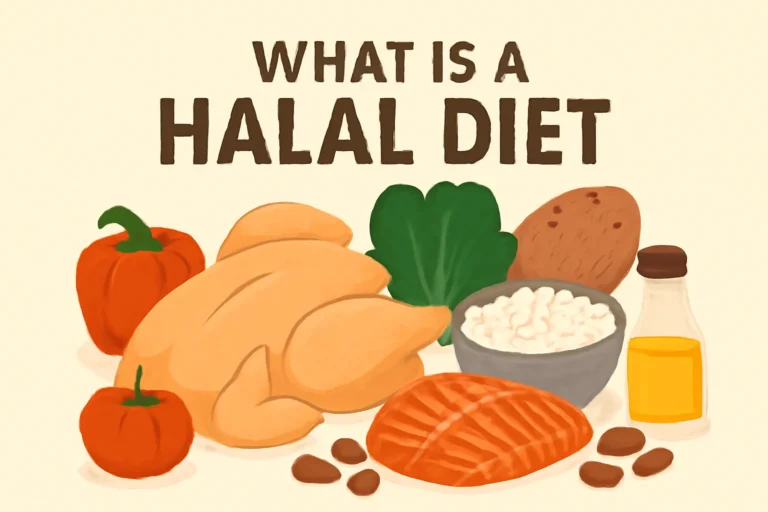
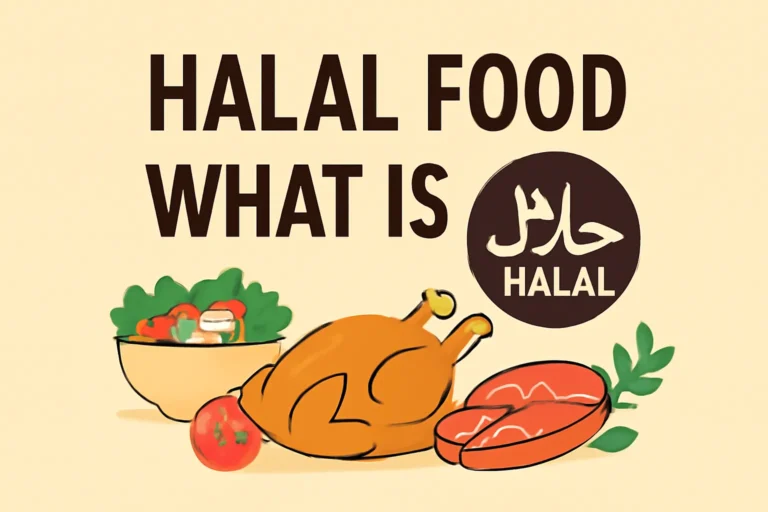
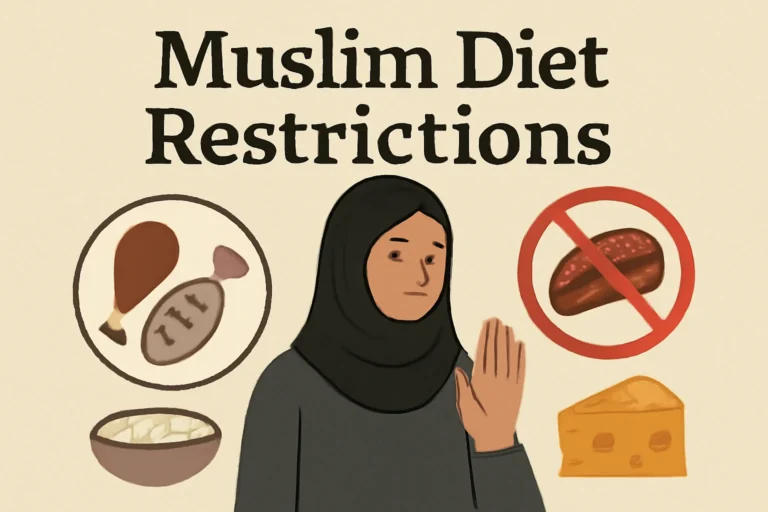
Permissible foods (halal) include fruits, vegetables, grains, legumes, dairy, fish (in most schools of Islam), and livestock that have been slaughtered or processed in a halal manner.
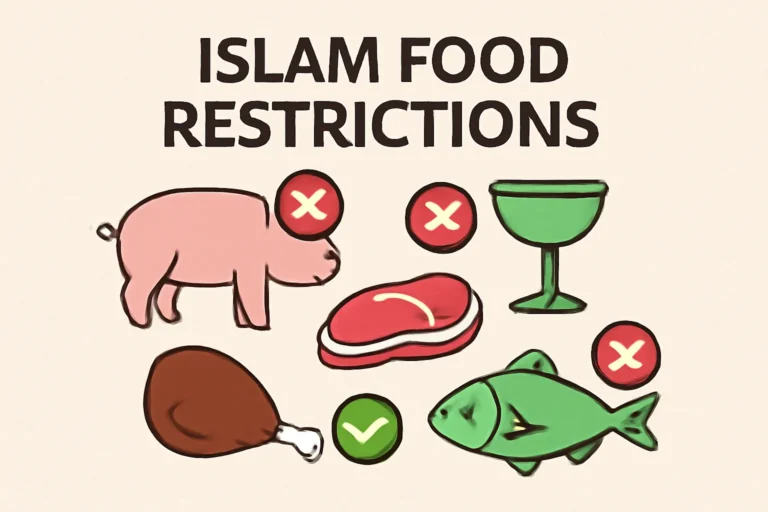
Forbidden foods (haram) include pork and its derivatives, animals improperly slaughtered, blood, intoxicants (notably alcoholic beverages), and any animal products derived from haram sources unless certified halal.
Any ingredient that is derived from haram sources or that involves contamination with haram substances may render a product non-halal.
Beyond the ingredients themselves, the way a food item is prepared matters. Important considerations include cross-contamination (for example, using utensils or surfaces that have touched haram substances without proper cleansing), cleanliness in food preparation, and the use of halal-certified equipment when possible. This is why many halal-conscious households advocate dedicated utensils and cookwares, especially when preparing meals that mix halal and non-halal items.
Ethical considerations
A number of Muslims prioritize the humane treatment of animals and sustainable farming practices as part of the halal framework. For many, the concept of ethical slaughter aligns with compassion toward animals, proper animal welfare, and minimizing distress. While there is variation in practice and interpretation, the overarching aim is to ensure that the entire chain—from farm to fork—reflects values of respect, cleanliness, and responsibility.
What Foods Are Halal? A Practical Guide to Halal Edibles
Knowing what foods are halal involves understanding not just meat but all items that may appear on a plate or in a recipe. The following breakdown highlights categories and common considerations, with emphasis on the sources of ingredients and the implications for certification.
Meat and poultry can be halal when they come from an animal that is healthy and has been slaughtered in accordance with the zabiha method or other recognized halal protocols. If the animal dies of natural causes, is killed in a non-slaughter context, or is not slaughtered in the name of God according to the prescribed rules, the meat is generally considered haram.
Beef, lamb, goat, and other land animals can be halal when properly slaughtered and processed.
Birds such as chicken, turkey, and duck are commonly halal when they are slaughtered and handled according to halal requirements.
Processed meats require careful labeling to ensure no haram additives or cross-contamination.
Seafood
In many Islamic traditions, seafood is considered halal, though there are varying opinions on certain shellfish or aquatic animals. The majority of scholars in Sunni practice permit fish and most sea creatures, while some communities hold more restricted views. When in doubt, consult local scholars or refer to the practice endorsed by your community.
Dairy, grains, and plant-based foods
Dairy products, grains, fruits, vegetables, legumes, nuts, seeds, and plant-based foods are typically halal provided they do not contain non-halal additives or cross-contamination. Some processed plant-based items may include alcohol, non-halal flavorings, or animal derivatives; always read labels carefully.
Cheeses, yogurts, and butter labeled halal are generally acceptable when produced with halal methods and ingredients.
Processed foods like breads, cereals, candy, and snacks can be halal if they are free from haram ingredients and prepared with halal equipment.
Usual caution is advised for items like gelatin, gelatin flavors, and some emulsifiers that may come from non-halal animal sources.
Ingredients and processed foods
Processed foods often present the most complex challenges for the halal consumer. You should check for:
Alcohol or alcohol-based flavorings
Gelatin from non-halal animals or other haram sources
Enzymes, rennet, or microbial cultures derived from prohibited sources
Natural flavorings or extracts that may be sourced from haram animals
Cross-contamination risks in manufacturing facilities
What Foods Are Not Halal (Haram) and Why
It is important to be able to identify items that are generally considered not permissible in a halal framework. Understanding these categories helps in menu planning, shopping, and when evaluating product labels.
Pork and pork by-products, including gelatin or enzymes derived from pigs.
Blood and blood by-products, which may appear in processed products or as part of certain sauces and soups.
Alcoholic beverages and any food prepared with intoxicants.
Animals that are dead before slaughter or not slaughtered according to halal rules.
Improperly slaughtered meat or meat processed using non-halal equipment without proper cleansing.
Slaughter, Certification, and Ethical Considerations
The process by which meat becomes halal is central to many Muslims' understanding of the diet. The term zabiha refers to a specific method of slaughter in which the animal is healthy at the time of slaughter, the name of God is invoked, the blade is sharp, and the blood is drained efficiently. Certification and oversight help ensure that these standards are met, especially in complex supply chains.
While practices may vary across communities, several elements are commonly emphasized:
Framing the act of slaughter as a humane act and a spiritual act, with intention and blessing.
Ensuring the animal is alive and healthy at the time of slaughter.
Using a single, swift cut to the throat with a sharp blade to minimize suffering.
Draining the blood completely from the carcass.
Securing the animal's welfare by avoiding needless stress pre-slaughter.
Certification and labels
Halal certification is a widely used system to verify that products meet halal standards. Certification bodies review ingredients, processing methods, and the supply chain. Products bearing a halal certification mark indicate compliance with the certifier’s standards. When you encounter a certified label, you can typically trust that the product has passed a third-party review, though it is wise to consider the certifier’s reputation and the scope of the certification (some bodies certify only the meat, others the entire product). In addition, many countries have government or industry standards that support halal labeling, increasing transparency for consumers.
In daily life, you may encounter lines of products that are halal-certified versus items that are “halal-leaning” or simply labeled as halal without formal certification. The level of assurance can vary, so it is useful to understand what the label means in your local market.
Halal Diet in Everyday Life: Practical Guidance and Tips
Implementing a halal lifestyle involves practical steps that help you cook, eat, shop, and dine in a way that aligns with your beliefs. The following guidance covers home cooking, grocery shopping, and social eating.
Planning meals around halal principles begins with ingredient selection and careful label-reading. Building a pantry with halal-certified staples can reduce last-minute questions.
Read labels for hidden ingredients derived from haram sources, such as certain gelatins, enzymes, emulsifiers, or flavorings.
Stock halal meats or alternatives, dairy, grains, legumes, and spices for versatile cooking.
Use separate utensils and cutting boards for halal foods if possible, or ensure thorough cleaning to avoid cross-contamination.
Incorporate plant-based meals as a reliable way to maintain variety while avoiding potential ingredient concerns.
Reading labels and choosing products
When you shop, you’ll encounter a range of labeling practices. It helps to know how to interpret information:
Look for a halal certification logo from a trusted certifier on meat products, snacks, and ready-made meals.
Check for ingredients like gelatin, enzymes, glycerin, lactic acid, and flavors that could be from non-halal sources.
Beware of cross-contamination risks in facilities that also process haram products.
When in doubt, contact the manufacturer or consult local halal authorities for guidance.
Eating out and social dining
Dining outside the home adds another layer of consideration. The goal is to enjoy meals without compromising your halal standards.
Choose restaurants that clearly advertise halal options or have halal-certified meat on their menus.
Ask about cooking methods, ingredients, and whether separate utensils are used for halal foods.
Be prepared to request substitutions or omit ingredients that might be haram, such as alcohol-based sauces.
When hosting events, communicate your dietary requirements in advance to ensure appropriate menu planning.
Halal Eating on the Road: Travel, Work, and Social Situations
Travel and work life can present extra challenges for maintaining a halal diet. The key is proactive planning, clear communication, and flexibility.
Before traveling, research halal-friendly destinations, groceries, and restaurants. Pack snacks that meet halal requirements and identify nearby halal-certified restaurants to minimize uncertainty during meals.
Use travel apps and guides that specialize in halal dining options.
Carry a halal-friendly language card or notes to explain dietary needs when language barriers exist.
When booking accommodations, inquire about kitchen facilities and whether you can prepare halal meals independently.
Workplaces and school environments
In workplaces and schools, accommodating halal needs often involves a combination of awareness and practical arrangements.
Suggest halal options for catered events or provide a list of permitted dishes for catering staff.
Advocate for clear ingredient lists and transparent labeling in cafeterias and vending machines.
Encourage labeling that differentiates halal and non-halal items to prevent cross-contact on shared serving surfaces.
Social life can be enriched by sharing halal-friendly dishes and explaining dietary choices with kindness and clarity. When hosting, consider a menu that includes a variety of halal meats, vegetarian dishes, and desserts prepared with halal ingredients.
Halal Diet vs. Kosher: Similarities, Differences, and Overlaps
People often compare halal and kosher dietary laws because both address ethical slaughter, forbiddances, and clear labeling. Yet there are important distinctions in rules, exceptions, and cultural contexts.
Common ground
Both prohibit pork and many of its derivatives.
Beverage and ingredient safety are important in both systems, and both rely on supervision and certification in many cases.
Both emphasize humane treatment of animals and careful handling in the slaughter and processing chain.
Key differences
Halal rules generally permit seafood, while kosher dietary laws have stricter categories for certain sea creatures depending on interpretation.
In halal practice, Muslims may be allowed to have meat that is halal-certified even in emergencies or places without specialized kosher supervision, whereas in strict kosher contexts, separate dairy and meat meals must be observed, and there are distinct slaughter and certification processes for dairy- and meat-containing products.
The blessing and invocation in halal slaughter differ from the Jewish shechita ritual, though both require a humane method and a proper intention.
Food labeling frameworks differ: halal certification bodies operate independently of kosher certification, though some products hold both certifications when applicable.
Practical implications
For consumers and food industry professionals, understanding these differences helps with cross-cultural dining, product development, and accurate labeling. If you are navigating both systems, you may encounter terms like dual-certified or multicertified to indicate compliance with multiple jurisdictions. The key is to verify the validity and scope of any certificate and to be mindful of regional variations in rules and practices.
Common Myths About Halal Eating
Misinformation can cloud understanding, so it helps to address some frequent myths head-on.
Halal means unsafe or unhealthy food. This is not accurate; halal practices focus on permissible ingredients and humane handling, but nutritional quality depends on the specific product and how it’s prepared.
Halal is only for Muslims. While rooted in Islamic law, halal labeling is used by some non-Muslims who prefer certain standards of animal welfare or ingredient sourcing. In many places, halal options are widely available in supermarkets and restaurants for diverse consumers.
All halal meat is bland or tasteless. Halal meat can be prepared in countless flavorful ways, just like any other meat, and many halal dishes are celebrated for their rich spices and regional techniques.
Halal certification is optional or unreliable. While gaps exist in markets, reputable certifiers provide structured oversight, and many regions rely on well-established certification bodies to ensure compliance.
Halal and kosher diets are identical. There are similarities, but the rules, methodologies, and implications differ in meaningful ways, especially regarding fasting, dairy-meat combinations, and species-specific regulations.
Conclusion: Embracing a Thoughtful Halal Lifestyle
A thoughtful approach to halal eating combines religious observance, ethical considerations, and practical everyday choices. It is not merely about a list of allowed or forbidden foods; it is a holistic approach to how and what we eat, how we source ingredients, and how we care for others who share the table. Whether you are exploring the halal diet for personal reasons, curiosity, or professional interest in the food industry, you can find a meaningful path by focusing on three pillars: do your due diligence when reading labels and certifications, respect diverse interpretations within the Muslim community, and strive for transparency and cleanliness across your cooking and dining environments.
As global food markets expand and more people travel or migrate with diverse dietary needs, the practice of halal eating becomes a bridge between cultural traditions and modern nutritional science. The goal is to enable safe, nutritious, and culturally respectful meals that honor the beliefs of individuals and communities. By embracing the core principles, staying informed about ingredient sources, and planning ahead for travel or social events, you can confidently participate in halal eating wherever you are. The journey toward a clear understanding of what is a halal diet is ongoing for many people, and this guide is intended to be a helpful companion along that path.





Deja una respuesta