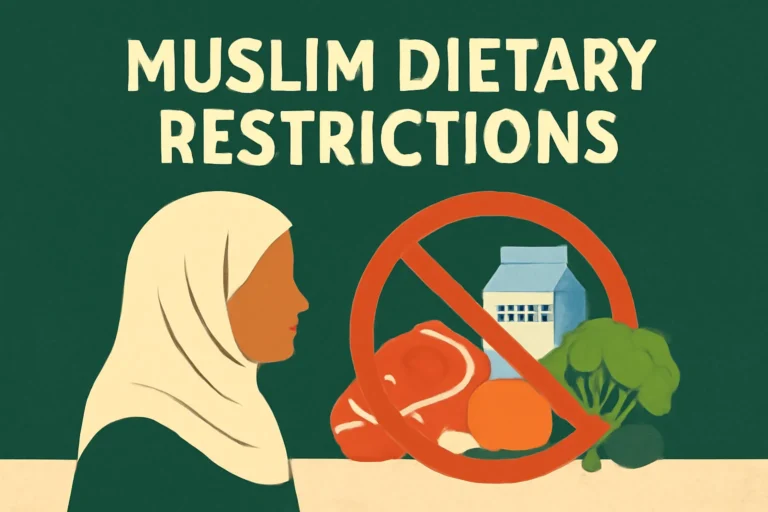
Muslim Dietary Restrictions: A Practical Guide to Halal, Haram, and Ramadan
Muslim Dietary Restrictions: A Practical Guide to Halal, Haram, and Ramadan
For many Muslims, daily meals are more than a matter of taste or convenience—they are a reflection of faith in Islamic dietary principles. Across cultures and cuisines, the core ideas of halal (what is permissible) and haram (what is forbidden) shape choices in markets, kitchens, and dining rooms. The annual rhythm of Ramadan adds a focused layer of practice, as believers observe fasting from dawn until sunset and seek nourishment that honors both spiritual discipline and physical well‑being. This guide aims to be practical and accessible, offering clear explanations of the main terms, common scenarios, and helpful tips for navigating meals at home, in restaurants, and while traveling. It also uses several linguistic variations of the broad topic—from Islamic dietary laws and Muslim dietary guidelines to food laws in Islam—to reflect the breadth of discussion around these ideas and to assist readers with different vocabularies.
Core Concepts: Halal, Haram, and the Notion of Purity
At the heart of Muslim dietary restrictions are two interrelated categories: what is halal (lawfully permitted) and what is haram (forbidden). These terms come from the broader field of Islamic jurisprudence and dictate how food is produced, processed, and prepared. Alongside these terms, many Muslims consider the idea of taharah—spiritual or ritual cleanliness—as a companion to dietary observance in everyday life.
The practical impact of these concepts is that a product may be allowed in one circumstance and disallowed in another, depending on how it is sourced, processed, and labeled. For example, a meat product might be considered halal if the animal was slaughtered according to zabiha (the Islamic method of slaughter) and if no prohibited ingredients were used. By contrast, the same product could be haram if it relies on forbidden animal by‑products, intoxicants, or cross‑contamination with non‑halal substances.
Because halal and haram rules touch on areas such as animal welfare, food processing, and labeling, many people encounter a spectrum of questions: What about fish? Is alcohol ever permissible in trace amounts? How should one handle ingredients like gelatin, vitamins, or enzymes derived from uncertain sources? The sections below address these questions with practical guidance while acknowledging that there can be differences among schools of thought within Islamic dietary law.
What Counts as Halal: Sources and Criteria
The determination of what is halal rests on a combination of textual sources, jurisprudential reasoning, and practical consensus. The primary categories people consult include:
Quran and Hadith: Foundational texts that establish general principles about permissible foods and forbidden substances, as well as specific guidance on how animals should be treated and prepared.
Ijma (scholarly consensus): The agreement of recognized scholars on matters of dietary law, especially when the text does not provide explicit instruction.
Qiyas (analogical reasoning): Applying established rules to new situations, such as evaluating new food ingredients or processing techniques that did not exist in classical times.
Fuqaha’ rulings (jurisprudential opinions): Individual jurists or schools of thought may interpret sources differently, leading to variations in what is considered halal in practice.
In everyday life, most Muslims also rely on halal certification and product labeling as practical signals. A certified halal seal from a reputable organization can be helpful, but it is important to understand what the certification covers—some schemes focus on slaughter methods, others on complete production lines, including processing and packaging. The key is to be aware of how ingredients and manufacturing processes interact with religious requirements.
An essential part of the practical guide to Muslim dietary restrictions is recognizing items that are explicitly off limits. This list is not exhaustive, but it covers the most widespread prohibitions encountered in daily life and during special occasions.
Pork and pork by‑products, including additives and enzymes derived from pigs.
Blood and blood products, as well as any food designed to preserve or contain blood.
Animals not slaughtered according to zabiha (or animals that die of themselves without proper slaughter or before slaughter).
Alcohol and intoxicants, including beverages and foods prepared with alcoholic ingredients or flavors.
Meats from carnivorous animals or birds of prey unless there is a clear, acceptable reason under specific juristic judgments.
Non‑halal gelatins and enzymes derived from forbidden animals, as well as rennet from non‑halal sources.
Certain processed foods that rely on doubtful esters, emulsifiers, or flavorings of uncertain origin without proper verification.
Cross‑contamination with non‑halal foods in kitchens, manufacturing plants, or restaurants when proper precautions are not taken.
It is also common to encounter soft questions about items that sit in a legal gray area in some traditions, such as seafood or certain dairy products. The general approach in modern practice is to seek clear, reliable information from trusted sources and to favor transparency in labeling and sourcing.
Which Foods Are Halal: A Practical Guide to Safe Choices
When building habits around halal dietary guidelines, it helps to categorize foods by their source and processing. The following lists present practical guidance for everyday meals, shopping, and cooking.
Meat and Poultry: Requirements for the Animal Source
Meat from animals slaughtered according to the zabiha method, with the name of God invoked during the slaughter and the animal healthy at the time of slaughter.
Meat from animals that die of natural causes without slaughter is not permissible.
Meat from animals killed by non‑Muslim or non‑humane methods may be considered haram in many communities, depending on local jurisprudence.
Processed meats should be checked for haram additives such as non‑halal binders, flavor enhancers, or bacon‑flavorings that may be derived from prohibited animals.
Seafood, Dairy, and Plant‑Based Foods
Seafood is widely regarded as halal in the majority of schools, though a minority historically restricts to fish with fins and scales; the mainstream approach accepts a broad range of seafood as permissible.
Dairy products are halal provided they come from halāl animals and are processed with permissible methods; watch for animal‑based rennet that is not sourced from halal sources.
Plant‑based foods—fruits, vegetables, grains, legumes, and other plant products—are generally halal, but caution is advised for any processing aids or flavorings that might be derived from haram sources.
Processed Foods, Additives, and Label Reading
Always read ingredient lists for potential haram substances: alcohol in flavorings, gelatin from non‑halal sources, or animal by‑products not certified as halal.
Be aware of enriched products or vitamins that include gelatin, glycerin, or emulsifiers of uncertain origin; many options are now clearly labeled as halal or plant‑based.
When in doubt, contact manufacturers or rely on reputable halal certification bodies that provide product lists or appraisals for your locale.
Household Cooking and Kitchen Practices
Maintain separate cooking utensils, pans, and storage for halal and non‑halal foods if possible, or ensure thorough cleaning between uses to avoid cross‑contamination.
Use halal‑certified meats and verify that spices, sauces, and condiments do not include non‑halal additives.
Label leftovers clearly and avoid sharing utensils that could transfer non‑halal residues into halal foods.
Understanding Slaughter: Zabihah, Dhabiha, and the Ethical Dimension
A distinctive element of Islamic dietary law is the ritual slaughter process. The method of slaughter, known as zabiha (also spelled dhabiha), is intended to minimize animal suffering and to ensure humane handling, with the animal blessed in the name of God. The precise requirements can vary by tradition, but the core ideas include swift and humane cutting of the throat, ensuring the blood is drained, and invoking a blessing. For many Muslims, adherence to zabiha is a basic criterion for a meat product to be considered halal.
It is also important to consider how animals are raised and transported, the cleanliness of facilities, and the avoidance of prohibited by‑products. In practice, shoppers may encounter products labeled as zabiha‑halal, kosher‑halal, or simply halal—and each label may reflect different standards or certifiers. The key is transparency and familiarity: asking questions about how meat was produced, how the animals were treated, and whether the certification aligns with your own community's standards.
Ramadan: Dietary Practices, Fasting, and Spiritual Nourishment
The annual month of Ramadan is a time of heightened spiritual focus, fasting from dawn to sunset, increased prayer, and communal meals. The dietary guidance during this period is not only about what to eat, but also about how to eat in a way that sustains energy, gratitude, and self‑restraint.
Sahur (pre‑dawn meal) is typically eaten early, before the fast begins. It is encouraged to include slow‑burning carbohydrates, proteins, and fluids to sustain energy through the day.
Iftar (meal to break the fast) traditionally begins with dates and water, followed by a balanced meal that includes fluids, protein, fiber, and minerals to restore nourishment after a long day of fasting.
Avoiding excessive fried foods, heavy desserts, and caffeinated beverages late in the day can help manage thirst and fatigue during the fast.
What to Eat and What to Avoid During Ramadan
Hydration is essential; water and hydrating soups help maintain electrolytes.
Nutritious staples such as whole grains, legumes, leafy greens, lean proteins, and healthy fats support energy levels without causing indigestion.
Fasting does not imply abstaining from all pleasures, but it does call for mindful consumption: choose foods that sustain rather than those that induce a quick spike and crash.
For travelers or Muslims with special health concerns, religious allowances can permit accommodation or adjusting fasts, as guided by scholars or local authorities.
Practical Tips for Ramadan Observance
Plan meals in advance to ensure balanced nutrition and avoid last‑minute, less healthy choices.
Label and store halal foods in clearly marked containers to minimize confusion during busy evenings.
Coordinate with family or hosts when eating outside: ask about preparation methods, ingredients, and whether a dish is halal.
Certification, Labeling, and Common Pitfalls in the Marketplace
In contemporary markets, halal certification and product labeling play a crucial role in helping Muslims make quick and confident choices. However, not all certifications are equal, and some products may be labeled as halal without covering all ingredients or processing steps. Consumers should be aware of what a certificate covers, which certification body issued it, and whether it is recognized in their local community.
Common pitfalls include:
Assuming that a seal guarantees halal status for all ingredients without verifying the scope of the certification.
Relying solely on brand reputation without reviewing the specific product's ingredient list and processing claims.
Failing to check for hidden haram components in flavorings, coatings, or packaging materials.
To navigate these challenges, consider practices such as keeping a personal list of trusted products, consulting local scholars or community leaders for ambiguous cases, and supporting brands that provide transparent, up‑to‑date ingredient information. Label transparency is a growing trend in many regions, making it easier to identify foods that align with Islamic dietary guidelines.
Living with these Rules: Dining Out, Travel, and Social Occasions
Everyday life often involves meals outside the home. Whether at family gatherings, at a restaurant, or while traveling, adherence to Muslim dietary laws can require proactive steps.
Dining Out and Restaurant Etiquette
Ask clear questions about halal preparation, including how the meat was slaughtered and whether utensils were kept separate from non‑halal foods.
Request ingredient lists for sauces, marinades, and flavorings; some condiments may contain alcohol or animal-derived stabilizers.
Choose places that publish a halal menu or have a certified halal kitchen, if possible. When unsure, choose vegetarian dishes or plant‑based options that are less likely to contain haram ingredients.
Before travel, research hotels and airlines that offer halal meals or clearly labeled vegetarian options and be prepared to request special accommodations.
Carry a compact list of ingredients to watch for, especially in packaged snacks and beverages that might include alcohol or gelatin from uncertain sources.
When in doubt, opt for fresh fruit, dairy‑free yogurt, nuts, legumes, and whole grains that fit within the broader framework of Islamic dietary ethics.
Social Gatherings and Family Occasions
Politely communicate dietary requirements ahead of time and offer to bring a halal dish that can be shared with others.
Respect others’ practices while staying true to your own commitments, recognizing that communities differ in how strictly they apply rules in mixed settings.
Teach and learn collaboratively: conversations about halal cooking and respectful substitutions can foster understanding and inclusion.
Health, Wellness, and Inclusivity in the Practice of Dietary Rules
Beyond religious obligation, many Muslims also aim to maintain personal health and wellness. The framework of Islamic dietary guidelines can intersect with nutrition science to promote balanced meals, mindful eating, and avoidance of excess. In some cases, individuals with allergies, intolerances, or medical needs may require adjustments that still respect the basic prohibitions and allowances of their faith.
It is common to see muslim dietary observances adapted for modern life. For example, a family might explore halal‑certified plant-based products as a way to reduce meat consumption while staying within religious guidelines. A community center might host a Ramadan iftar with a range of options—fish, beans, lentils, whole grains, vegetables, and halal meats—to accommodate diverse preferences while maintaining halal standards.
Glossary: Quick Reference for Key Terms
Halal — permissible or lawful in Islam; the category of foods and practices allowed for Muslims.
Haram — prohibited or forbidden in Islam; anything that is not allowed under Islamic law.
Zabiha / Dhabiha — the method of slaughter prescribed in some Islamic traditions, conducted under specific conditions and with a short invocation of God.
Ramadan — the Islamic month of fasting from dawn to sunset, observing spiritual discipline and communal meals.
Sahur — the pre‑dawn meal consumed before the fast begins each day during Ramadan.
Iftar — the meal eaten to break the fast at sunset during Ramadan.
Halal certification — verification by an authorized body that a product or facility complies with halal standards.
Cross‑contamination — the transfer of haram substances to halal foods, often a concern in kitchens and manufacturing.
A Practical Checklist for Everyday Observance
Identify trusted halal sources: keep a list of brands, markets, and certification bodies known to you and your local community.
Always read ingredient labels carefully, especially for processed foods, snacks, and supplements.
Separate utensils and cookware when cooking halal foods to avoid cross‑contamination with haram ingredients.
Ask questions at restaurants or events when you are unsure about a dish's sourcing or preparation.
Plan ahead for Ramadan: map out sahur and iftar meals, keeping hydration and balanced nutrition in mind.
Educate others in your circle about halal and haram distinctions to foster understanding and respect in shared meals.
Conclusion: Balancing Faith, Food, and Community
The landscape of Muslim dietary restrictions is rich and nuanced, blending theological principles with practical realities of modern life. Understanding the core categories of halal and haram, recognizing the role of zabiha slaughter where applicable, and navigating the observances of Ramadan can empower individuals and families to make choices that honor their faith while contributing to a healthy, inclusive eating culture. This guide has offered a structured overview, practical tips, and a spectrum of terminology to help readers find reliable information, ask informed questions, and participate confidently in meals—whether at home, in restaurants, or on the road.
Remember that the journey through Islamic dietary law is not merely about rules; it is about intention, stewardship of the body, respect for others, and the shared joy of nourishment. By approaching food with mindfulness, seeking clarity about ingredients and methods, and using trustworthy sources for verification, you can fulfill your dietary obligations while embracing the diversity and abundance of halal cuisine around the world.




Deja una respuesta