Meaning of Ramadan: A Comprehensive Guide to Its Origins, Significance, and Traditions
Meaning of Ramadan: A Comprehensive Guide to Its Origins, Significance, and Traditions
Ramadan is often described in many ways, yet its core truth remains consistent across cultures and generations: it is a time of self-discipline, spiritual renewal, and community generosity set within the rhythm of a lunar calendar. This article offers a thorough exploration of the meaning of Ramadan, including its origins, the range of its significances, and the diverse traditions that accompany it around the world. Rather than treating Ramadan as a single recipe for observance, we will look at its multiple shades of meaning—the month as a theological phenomenon, a social practice, and a personal journey.
What Ramadan Means: Definitions, Context, and Etymology
Origins of the term
The word Ramadan (Arabic: رمضان) is commonly connected to the root ramida or ramad, which is often translated as scorching heat or dryness. In the traditional understanding, the term evokes the heat of desert days and the inner heat of the soul seeking purification. Some scholars also point to the idea that fasting during this month can burn away sins, much in the way a fire purges impurities. In practice, the term encompasses more than heat: it signals a season of mercy, a period of restraint, and a time for unveiling gratitude for the divine blessings that sustain life.
Another important layer is the historical and theological context. Ramadan is the ninth month of the Islamic lunar calendar, a system that shifts about ten or eleven days earlier each solar year. The lunar setting makes Ramadan move through different seasons over the years, inviting Muslims to witness the same spiritual commitments under a variety of circumstances. The timing itself becomes a spiritual reminder: the faithful adjust ordinary routines to accommodate a higher purpose during these days, regardless of climate or culture.
In broader terms, Ramadan is often described as the holy month, the blessed month, or the month of fasting—yet each label carries nuances. The holy character emphasizes reverence; the blessing highlights divine mercy; the fasting frame stresses self-regulation and empathy for the hungry. Taken together, these descriptions convey a composite meaning that invites a deeper look at what people do, and why it matters.
The Origins and Significance in Islamic Tradition
Historical foundations
From the earliest days of Islam, the community has associated Ramadan with both fasting and revelation. Muslims believe that during the month of Ramadan, the Qur’an was revealed to the Prophet Muhammad, beginning with Laylat al-Qadr, the Night of Power. This connection lends the month a double significance: a period of abstention from food and drink during daylight hours, and a season of revelation and study of the sacred text. The interplay between fasting and Qur’anic contemplation creates a unique atmosphere in which discipline and divine guidance intersect.
Across generations, Muslims have described Ramadan as a time when the ordinary routines of life are reframed toward moral reflection. The observance invites believers to consider questions of intentions (niyyah), gratitude, and compassion for others. The month thus operates on several levels at once: as a practice, as a rite of passage, and as a social contract that binds communities through shared rituals and mutual aid.
Though local customs vary, several core practices define the Ramadan experience in most Muslim communities. The combination of restraint, worship, and generosity forms a cohesive rhythm that shapes daily life for roughly 29 or 30 days. The following sections highlight the main elements that structure the month.
Fasting (sawm): the central spiritual discipline
Sawm is the formal Arabic term for fasting. It entails abstaining from food, drink, and intimate relations from pre-dawn (al-fajr) until sunset (maghrib). The fast begins with a pre-dawn meal called suhoor and ends with the iftar—the sunset meal that frequently begins with breaking the fast and reciting the adhan (call to prayer).
Fasting is obligatory for adult Muslims who are physically able to fast. It is a personal duty that also serves as a communal practice because millions observe it simultaneously, enhancing feelings of solidarity and shared purpose.
There are exemptions for certain categories of people, including children who have not reached puberty, the elderly, the pregnant or nursing (if fasting would harm the mother or child), the sick, travelers, and those experiencing hardship. In many cases, exempt individuals are encouraged to make up the fast later or provide a fidya (charity) in lieu of fasting, depending on the situation and religious guidance.
Suhoor and Iftar: daily rhythms of nourishment and gratitude
Suhoor is the pre-dawn meal that prepares worshippers for the day ahead. It is valued for its spiritual awareness as well as its practical role in sustaining energy for the day’s fast. The timing of suhoor can vary with location and routine, but it is often consumed in the last portion of the night.
Iftar is the sunset meal that ends the daily fast. In many cultures, it begins with dates and water, following the example of the Prophet Muhammad, and then proceeds to a larger meal that includes soups, grains, vegetables, and proteins. The act of sharing iftar with family, neighbors, and guests reinforces bonds and expresses gratitude for sustenance received.
Prayers, Qur’an recitation, and spiritual reflection
Many Muslims increase their prayers during Ramadan. Extra nightly prayers known as Taraweeh are performed in congregations at mosques or at home. These prayers feature long portions of the Qur’an recited over the course of the month, offering a structured approach to completing the entire book during Ramadan.
Recitation of the Qur’an is often emphasized as a primary devotional activity. Believers may aim to complete a full reading—Khatm al-Qur’an—during the month, though individual paces vary. The ongoing engagement with the sacred text deepens comprehension and heightens spiritual awareness.
Charity, mercy, and social responsibility
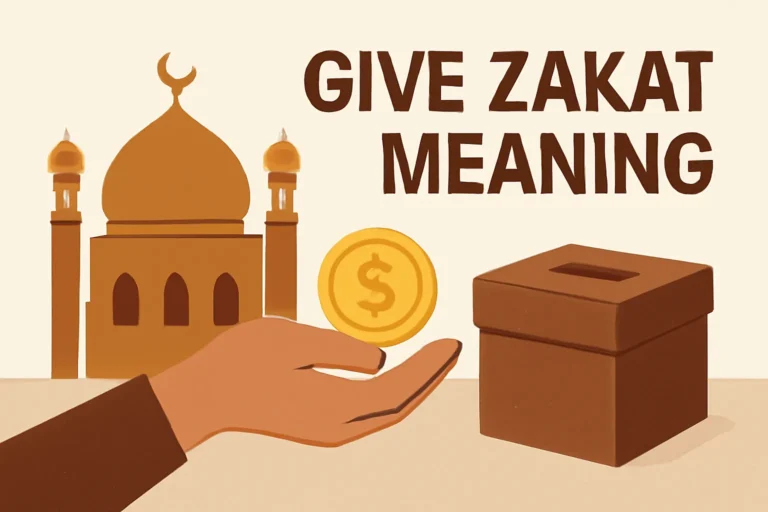
Charity is a central dimension of Ramadan. Beyond general acts of kindness, Muslims are encouraged to give Sadaqah (voluntary charity) and, in many communities, to observe Zakat al-Fitr at the end of Ramadan. Zakat al-Fitr is a specific charity designed to purify the fasting person from frivolous talk or behavior and to help those who are less fortunate celebrate Eid al-Fitr.
The month is understood not merely as personal purification but also as a collective commitment to alleviate suffering. Feeding the hungry, supporting the poor, and extending generosity to neighbors and strangers are typical expressions of this obligation.
While the core spiritual aims of Ramadan are shared, the expressions of devotion reflect regional histories, climates, cuisines, and social norms. Across communities, you may notice differences in meals, dress, greetings, and even the cadence of daily life. Together these variations illustrate the universal values embedded in the month—restraint, mercy, gratitude, and solidarity—while also revealing the rich tapestry of human experience in Islam.
Common cultural patterns and notable distinctions
In many Arab-majority societies, iftar often features traditional soups, savory pastries, and a wide array of small dishes designed to share with family and guests.
South Asian communities may bring festive flavors to iftar with dishes such as lentil stews, samosas, biryanis, and flavorful desserts, creating a tapestry of tastes that travelers discover around public iftar events.
Southeast Asian practices, including Indonesian and Malaysian communities, may incorporate local tastes like rendang, ketupat, and festive sweets, reflecting long-standing culinary heritage alongside religious observance.
Turkish customs might celebrate with hearty stews and breads that pair with sweets such as güllaç during the month’s evenings.
African and West African traditions show remarkable diversity, with communal prayers, shared meals, and strong emphasis on family ties and helping neighbors.
Ramadan is not an isolated retreat; it interacts with work, school, family responsibilities, and civic duties. The practical dimensions of observing the month thoughtfully can deepen its meaning. The following considerations help illustrate how Ramadan can harmonize inner aims with outer obligations.
Intentions, self-discipline, and the psychology of fasting
One concept central to Ramadan is niyyah, or intention. The deliberate intention to observe fasts and engage in worship shapes the acceptability of acts and their spiritual weight.
Fasting is a test of self-control, not merely a diet discipline. The challenge involves resisting not only food and drink but also unkind speech, deceit, gossip, and harmful behavior, making the month a practice ground for ethical conduct.
Work, school, and public life
In many places, employers and institutions recognize Ramadan and adjust schedules to support fasting employees or students. This might include flexible hours, shorter workdays, or space for prayer breaks in mosques or quiet rooms.
Hydration and nutrition during non-fasting hours become important for health and wellbeing. Balanced suhoor and iftar help maintain energy, concentration, and mood throughout the month.
Family life often centers around shared meals at sunset, with parents guiding children through the routine of suhoor and iftar. In Muslim households worldwide, Ramadan can strengthen intergenerational bonds and reinforce teachings about compassion and service.
Community mosques and centers frequently host Iftar events, Ramadan lectures, and volunteer opportunities, expanding the circle of social belonging beyond the immediate family.
For many, the essence of Ramadan lies not only in abstention but in a broader spiritual transformation. The remembrance of God, the awakening of conscience, and the cultivation of virtue can reverberate long after the month ends. The following themes capture how believers interpret the deeper meaning of Ramadan beyond the rhythm of meals and prayers.
Purification and inner renewal
Fasting acts as a mirror that reveals personal weaknesses and highlights areas for improvement, whether in patience, generosity, or honesty. The month is seen as an opportunity to re-align intention with action and to renew one’s spiritual commitment.
The Qur’anic message that Ramadan is a time of mercy and guidance reinforces the idea that the month is less about deprivation and more about restoration—restoring balance between body, heart, and mind.
Empathy and social justice
Experiencing hunger during the day is, for many, a reminder of the plight of those who do not have enough to eat. Ramadan deepens compassion and motivates acts of charity, justice, and equitable distribution of resources.
Charitable giving and community service opportunities during Ramadan are intended to strengthen social bonds and reduce disparities within society.
Knowledge, contemplation, and gratitude
Increased Qur’anic reading and reflection invites believers to study scriptures more closely, raising questions about ethics, spirituality, and the nature of human responsibility before God.
Gratitude is emphasized as an essential response to nourishment, health, family, and the opportunity to practice faith with others. Gratitude, in turn, nourishes a sense of contentment and humility.
The conclusion of Ramadan culminates in Eid al-Fitr, a festive breaker of the fast and a day of communal prayers, feasting, and thanksgiving. The transition from the discipline of the month to a more relaxed schedule is marked by certain rites and social customs. The Eid al-Fitr celebration is also a reminder that the spiritual harvest of Ramadan must be shared with others, especially through the obligatory charity known as Zakat al-Fitr.
Key elements of Eid al-Fitr
Special communal prayers observed in mosques or open spaces, typically followed by social gatherings and meals.
Visiting relatives and friends, giving gifts, and wearing new or festive clothing.
Giving Zakat al-Fitr to the needy so that everyone can participate in the celebration and the happiness of Eid is accessible to all.
Following Ramadan, many Muslims practice a balanced approach to daily life, carrying forward the discipline, compassion, and spiritual awareness cultivated during the month. Some may continue voluntary fasting on specific days, or maintain habits of Qur’anic study and charitable work as ongoing spiritual practices that extend beyond the calendar's edge.
As with any widely observed religious practice, questions and misunderstandings arise. The following notes address some common concerns without presuming universal agreement on every detail.
Does Ramadan involve abstaining from all food and drink?
During the daylight hours of Ramadan, Muslims fast by refraining from food and drink, including water. Exceptions apply for those who are ill, pregnant, nursing, traveling, or otherwise unable to fast. The fast is intended to be a wholehearted act of worship that includes thoughts, speech, and actions—so it is about more than mere abstention.
Is Ramadan about punishment or deprivation?
Ramadan is better understood as a period of discipline and spiritual growth rather than punishment. The emphasis is on removing distractions and cultivating virtuous behavior, such that the soul is lightened and refined rather than burdened. The experience is meant to be uplifting, guiding believers toward a more meaningful relationship with God and with their fellow humans.
Why do Muslims recite the Qur’an more during Ramadan?
The Qur’anic revelation is historically linked to the nights of Laylat al-Qadr within Ramadan. This connection motivates extra reading and study; many Muslims aim to complete the entire Qur’an over the course of the month, though the emphasis is on deep engagement rather than speed. The practice invites deliberate reflection, insight, and renewed devotion.
People of other faiths or no faith tradition can still learn from Ramadan’s broad themes, such as self-control, compassion, and community service. Observing Ramadan can foster intercultural understanding and respect for religious diversity, even for those who do not partake in fasting themselves.
Across its many expressions, the meaning of Ramadan can be summarized as a dynamic, multi-layered practice. It is a month-long invitation to pause the ordinary, attend to the divine, and extend mercy to others. It is a time for inner purification, ethical learning, and the strengthening of community ties. The month’s rituals—a blend of fast, prayer, Qur’anic recitation, and charitable giving—create a coherent spiritual ecosystem that supports transformation. For many, Ramadan is a journey into intentional living—a chance to reorient daily life toward higher purposes and to return to everyday responsibilities with a renewed sense of purpose and humility.
In the contemporary era, Ramadan interacts with urban life, global communication networks, and diverse workplaces. The following ideas offer practical guidance for engaging meaningfully with the month while navigating modern realities.
Plan and pace with intention
Set personal goals for Ramadan that go beyond abstaining from food. Consider goals related to prayer, Qur’anic study, kindness, or helping the poor.
Develop a sustainable nightly rhythm that accommodates family life, work, and rest. Consider equal emphasis on spiritual practices and self-care.
Utilize community and technology
Many mosques and community centers offer lectures, reflections, and online resources. Participating in these can deepen understanding and connect you with others who share the month’s aims.
Prayer times apps, Qur’an reading plans, and charity platforms can support regular practice and accountability.
Practice inclusive hospitality
Hosting or attending iftar gatherings can bring people together across generations and backgrounds, fostering mutual respect and social cohesion.
Sharing food with neighbors and coworkers who observe different schedules can be a powerful expression of goodwill and hospitality.
Ultimately, the significance of Ramadan is profoundly personal. The same month can feel like a reset button for some, a rigorous training program for others, and a communal celebration of mercy for many. Reflect on questions such as: What personal qualities do you wish to cultivate during Ramadan? How can acts of fasting translate into everyday actions that benefit others? How can you maintain the spirit of gratitude and service once Eid has passed? The answers will vary, but the underlying invitation remains consistent: to engage with the world more consciously, with greater self-discipline and a deeper sense of care for all living beings.
In its essence, Ramadan is a living tradition that invites believers to turn inward and outward at the same time. It is a period that blends fasting, worship, and charity into a holistic practice aimed at spiritual growth, social justice, and communal harmony. The month’s traditions—whether the quiet contemplation of dawn, the communal joy of iftar, the nightly prayers, or the charitable acts that illuminate the days—craft a narrative of faith that endures long after the crescent moon fades from the sky. The meaning of Ramadan thus encompasses multiple dimensions: an inner journey toward taqwa (consciousness of God), a social commitment to mercy and justice, and a cultural heritage that connects Muslims across continents. This comprehensive guide has sketched the broad contours of that meaning, inviting readers to explore their own relationship with a month that is at once ancient and ever-new.





Deja una respuesta