Healthy Halal Food: Nutritious Recipes and Diet Tips
Welcome to a practical guide on healthy halal food, where the principles of halal nutrition meet modern dietary science. This article explores how to build meals that are not only permissible under Islamic dietary laws but also nutrient-dense, balanced, and delicious. We’ll cover foundational ideas, shopping guidance, meal planning strategies, and a collection of nutritious recipes designed to sustain energy, support heart health, and promote long-term well-being. Whether you are cooking for yourself, family, or a community, you will find insights that help you create meals that are fulfilling, flavorful, and aligned with halal standards.
Core Principles: What makes halal nutrition healthy
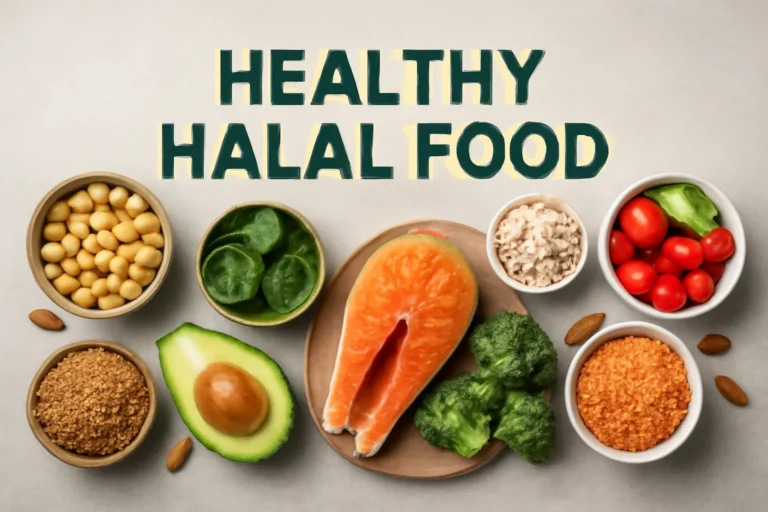
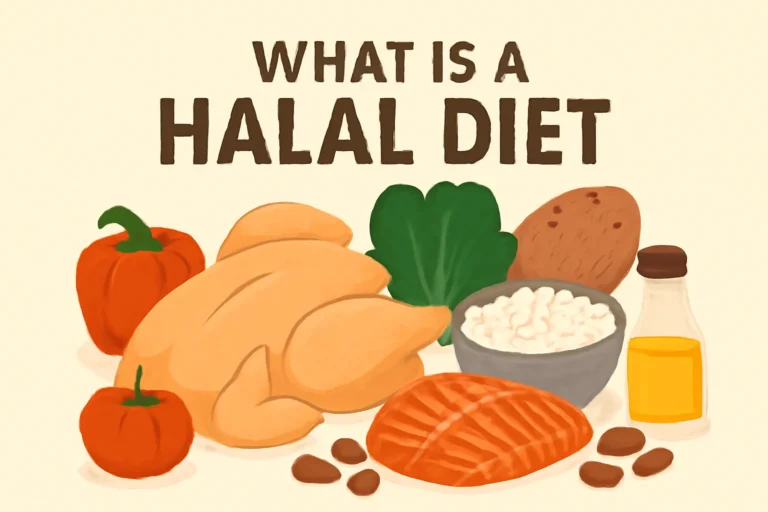
At its heart, halal nutrition is about choosing foods that are pure, clean, and safe while ensuring that the ingredients themselves are permissible and ethically sourced. A practical framework for healthy halal eating includes:
Quality protein from halal-certified sources such as poultry, beef, lamb, fish, eggs, and dairy.
Whole grains and legumes for sustained energy and fiber.
Vibrant vegetables and fruits to provide vitamins, minerals, antioxidants, and hydration.
Healthy fats from sources like olive oil, nuts, seeds, and fatty fish.
Limited processed foods and added sugars to maintain energy stability and metabolic health.
Hydration and mindful portion control to support overall wellness.
In practice, a healthy halal plate emphasizes balance: fiber-rich carbohydrates paired with lean protein and colorful vegetables, plus a dose of healthy fats. It also respects cultural preferences and regional flavors, so you can enjoy halal kebabs, halal curries, halal seafood dishes, and vegetarian halal options without compromising nutrition.
Designing a balanced halal plate: practical guidance
A simple heuristic for meals is to aim for a quarter-plate protein, half-plate vegetables and fruits, and quarter-plate whole grains or starchy carbohydrates, with a small portion of healthy fats. This approach helps maintain steady blood sugar, supports satiety, and provides a broad spectrum of micronutrients.
Choose halal poultry or seafood prepared with minimal added fats and salt.
Incorporate plant-based proteins like lentils, chickpeas, and beans to diversify amino acid profiles.
Select whole grains such as brown rice, quinoa, barley, oats, and whole-wheat variants.
Include colorful vegetables for phytonutrients and hydration.
Use olive oil, canola oil, or other heart-healthy fats in moderation.
Protein power: halal sources and ideas
Protein is foundational for every halal diet. It supports growth, muscle maintenance, immune function, and satiety. The variety of halal-approved proteins is broad, ranging from traditional staples to modern plant-based options. Below are categories and ideas you can mix and match.
Animal-based halal proteins
Chicken (breast, thigh, or whole roasted), preferably bone-in for richer flavor and nutrients like collagen in stock.
Beef and lamb cuts that are lean or trimmed to reduce saturated fat.
Fish and seafood rich in omega-3 fatty acids, such as salmon, sardines, and mackerel.
Eggs as an inexpensive, versatile protein source.
Low-fat dairy choices like yogurt, cheese, and milk for calcium and protein.
Plant-based halal proteins
Lentils and chickpeas for fiber and minerals.
Beans (black beans, kidney beans, cannellini) in soups, stews, and salads.
Tofu and tempeh, which absorb spices beautifully in halal recipes.
Quinoa as a complete protein with essential amino acids.
Seitan (if permitted in your tradition) as a protein alternative for vegetable-forward meals.
The best carbohydrate choices are those that deliver sustained energy, fiber, and micronutrients. Favor unrefined grains, whole fruits, vegetables, and legumes over refined, ultra-processed options. Adapting meals to halal guidelines does not mean sacrificing flavor or variety; it means making deliberate selections that align with health goals.
Brown rice and basmati brown rice for aroma and texture.
Quinoa for a protein-boosting grain that pairs well with vegetables and proteins.
Oats for a heart-healthy breakfast with fiber.
Barley in soups and salads for a chewy, satisfying bite.
Whole-wheat pasta and multigrain breads to maintain energy and fullness.
Fruits, vegetables, and the colors of nutrition
A colorful plate signals a variety of vitamins, minerals, and phytonutrients. In halal cooking, vegetables and fruits can shine in salads, stews, curries, and sides. Try to include a rainbow of hues every day, from crisp greens and leafy vegetables to bright peppers and sweet fruits.
Leafy greens (spinach, kale, Swiss chard) for iron and folate.
Cruciferous vegetables (broccoli, Brussels sprouts) for fiber and sulfur compounds.
Bright peppers, tomatoes, cucumbers for vitamin C and hydration.
Root vegetables (carrots, beets, sweet potatoes) for complex carbs and micronutrients.
Seasonal fruits (apples, berries, oranges) for antioxidants and fiber.
Healthy fats and flavor enhancers in halal cooking
Fats are essential for energy and the absorption of fat-soluble vitamins, but portions matter. Focus on monounsaturated fats and polyunsaturated fats from natural sources, and minimize trans fats. Flavor can come from herbs, spices, citrus, and minimal added fats that fit halal standards.
Olive oil as a primary cooking fat and dressing base.
Nuts and seeds (almonds, walnuts, chia, flax) for crunch and omega-3 fats.
Avocados for creaminess and heart-healthy fats.
Sesame and tahini for Middle Eastern-inspired sauces and dressings.
Flavorful halal meals: planning, cooking, and portion control
Creating flavorful meals that adhere to halal guidelines is not about deprivation. It’s about balance, planning, and technique. Well-chosen spices can elevate dishes without adding excessive salt or unhealthy fats. Cooking methods like grilling, baking, steaming, and simmering preserve nutrients while delivering satisfying textures and aromas.
Plan meals around a protein source, a vegetable variety, and a whole grain.
Prepare a couple of base sauces with halal ingredients to keep meals cohesive throughout the week.
Stock a pantry with staples such as canned beans, tomatoes, spices, and halal-certified stock.
Invest in reusable containers for meal prepping to maintain freshness and portion control.
Listen to your body: aim for steady energy rather than quick spikes in hunger.
In halal nutrition, mindful eating also means recognizing cultural preferences and family dynamics. You can adapt family recipes to be healthier by reducing oil, increasing vegetables, and using lean proteins, while preserving familiar flavors. The emphasis on balance, variety, and quality ingredients helps sustain a healthy lifestyle without feeling restrictive.
Meal planning: a practical one-week halal plan
Below is a flexible outline you can customize to your taste and schedule. Each day highlights nutrient-dense options and halal-compliant ingredients.
One-week plan: overview
Day 1: Lean protein + whole grain + vegetables in a flavorful stir-fry.
Day 2: Plant-based meal with legumes, quinoa, and roasted veggies.
Day 3: Fish-based dish with a tomato-based sauce and brown rice.
Day 4: Lentil soup with whole-grain bread and a side salad.
Day 5: Grilled chicken with bulgur pilaf and cucumber-t tomato salad.
Day 6: Chickpea curry with basmati brown rice and steamed greens.
Day 7: Egg and vegetable frittata with whole-wheat toast and fruit on the side.
Sample daily breakdown
Breakfast: Oats with yogurt, chopped nuts, and fresh fruit; or a vegetable omelet with whole-grain toast.
Lunch: Lentil soup with a side of mixed greens and a piece of whole-wheat pita.
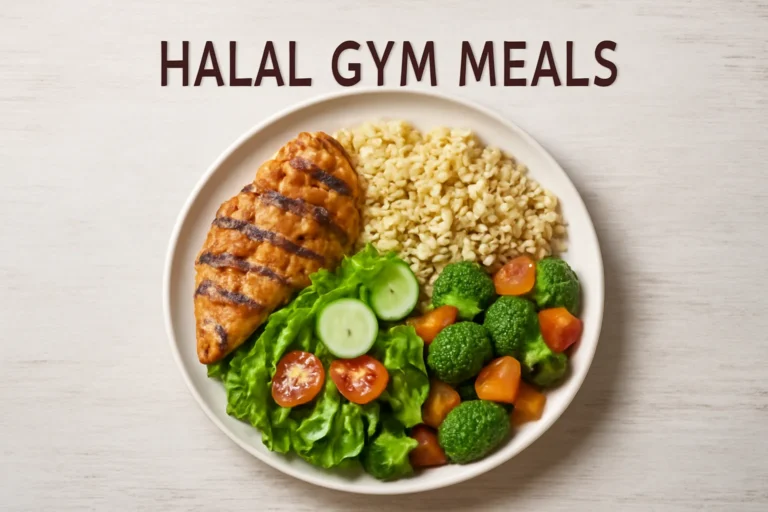
Dinner: Grilled chicken or fish, quinoa or brown rice, and roasted vegetables.
Snacks: Fresh fruit, a handful of nuts, or hummus with carrot sticks.
If you prefer to cook in bulk, consider preparing a large pot of lentil soup or a big tray of roasted vegetables to combine with different proteins across the week. This approach supports time efficiency and helps you stay aligned with halal guidelines while maintaining nutritional balance.
Recipes: nutritious halal dishes you can cook now
The following recipes emphasize halal safety, flavor, and nutrition. Each recipe provides ingredients and steps that you can follow or modify to suit your pantry and preferences.
Herbed chicken with quinoa and roasted vegetables
Servings: 4
Time: 45–50 minutes
Ingredients
4 halal-certified chicken thighs or breasts, trimmed
Preheat oven to 425°F (220°C). Toss vegetables with 1 tablespoon olive oil, salt, pepper, oregano, and thyme. Spread on a baking sheet and roast for 20–25 minutes until tender and slightly caramelized.
Meanwhile, rinse quinoa and simmer in 2 cups water or halal stock for about 12–15 minutes until fluffy.
Season chicken with salt, pepper, and a drizzle of olive oil. Sear in a skillet over medium-high heat until browned on both sides, then finish in the oven for 8–12 minutes, until cooked through.
Serve chicken over quinoa with roasted vegetables. Squeeze lemon over the top for brightness.
Nutrition note: This dish provides lean protein, complete protein from quinoa, and a colorful array of vegetables, delivering fiber, vitamins, and minerals. It’s a balanced option that aligns with halal requirements and supports everyday energy.
Lentil and spinach soup with lemon
Servings: 4–6
Time: 40 minutes
Ingredients
1 tablespoon olive oil
1 onion, diced
2 cloves garlic, minced
1 cup red lentils, rinsed
4 cups halal-certified stock or water
2 cups spinach, chopped
1 teaspoon ground cumin, 1/2 teaspoon turmeric
Salt, pepper to taste
Juice of 1 lemon and chopped parsley for garnish
Steps
In a pot, heat olive oil over medium heat. Sauté onion until translucent, then add garlic and spices for a minute until fragrant.
Add lentils and stock. Bring to a boil, then reduce heat and simmer 20–25 minutes until lentils are soft.
Add spinach and simmer until wilted. Season with salt, pepper, and lemon juice.
Serve hot with a sprinkle of parsley. This soup pairs well with a slice of whole-grain bread if desired.
Health focus: Lentils provide plant-based protein and soluble fiber that supports gut health and satiety in halal meals. Spinach adds iron and vitamin K, while lemon juice enhances iron absorption and brightens flavor.
Chickpea salad with tahini dressing and whole-wheat pita
Servings: 4
Time: 15–20 minutes
Ingredients
1 can chickpeas, rinsed and drained
1 cup chopped cucumber, tomato, and red onion
2 tablespoons tahini
Juice of 1 lemon
2 tablespoons olive oil
1 clove garlic, minced
Salt, pepper, paprika for garnish
4 small whole-wheat pitas or wraps
Steps
In a bowl, combine chickpeas and vegetables.
Whisk tahini, lemon juice, olive oil, garlic, salt, and pepper to make a thick dressing.
Toss the chickpea mixture with the dressing until evenly coated.
Serve with warm pita and a dusting of paprika for color.
This recipe highlights a plant-forward approach with a creamy yet light tahini dressing. It is ideal for picnics, lunches, or quick dinners and remains within halal guidelines while delivering protein and fiber.
Breakfasts and snacks that sustain a halal lifestyle
Breakfast sets the tone for the day, and snacks can bridge gaps between meals without undermining nutrition goals. Here are halal-friendly options that are quick to prepare and portable.
Oatmeal bowls with yogurt, berries, and a sprinkle of chopped nuts.
Whole-grain toast with avocado and a poached egg.
Fruit smoothies with unsweetened yogurt, spinach, and chia seeds.
Homemade hummus with vegetable sticks or whole-wheat crackers.
Boiled eggs with a side of tomato slices and olives for a savory start.
For snacks, aim for combinations that include protein, fiber, and healthy fats—think yogurt with fruit, a handful of nuts with dried fruit, or chopped vegetables with tahini dip. These choices help regulate appetite and support steady energy.
Shopping tips: building a halal-friendly pantry
A well-stocked pantry makes healthy halal cooking practical and enjoyable. Here are essential categories and product ideas.
When possible, choose products with clear halal certification or from brands you trust to maintain confidence in permissible ingredients. Reading labels for hidden alcohol, animal fats, or questionable processing helps you maintain a consistent halal approach without compromising health goals.
Hydration and mindful eating: optional tips for success
Hydration supports digestion, energy, and cognitive function. Water is always primary, but halal-friendly beverages such as unsweetened tea, herbal infusions, or low-sugar dairy drinks can be embraced in moderation.
Carry a reusable water bottle to encourage steady hydration.
Limit sugared drinks and opt for naturally flavored water with slices of citrus or cucumber.
Practice mindful eating by slowing down, savoring flavors, and listening for fullness cues.
Special considerations: halal for families and communities
Healthy halal eating can be a communal practice that supports family health goals and cultural expression. In families, you may have different preferences, ages, and dietary needs. By focusing on balanced plates, meal planning, and conscious shopping, you can create meals that accommodate kids, adults, and elders alike while preserving halal integrity.
Adapt spice levels and salt to suit younger palates or sensitive individuals.
Offer vegetarian or seafood options alongside meat-based dishes.
Encourage homemade meals over takeout to control ingredients and portions.
Include halal-certified snacks during gatherings to support healthy choices for guests.
Putting it all together: a sustainable halal nutrition plan
A sustainable halal nutrition plan centers on consistency, variety, and respect for halal guidelines. It should feel doable, enjoyable, and empowering rather than restrictive. By prioritizing whole foods, colorful vegetables, and nutrient-dense proteins, you create meals that nourish both body and spirit.
For many people, the most effective approach is to choose a few core meals and rotate toppings and sides so flavors stay exciting. For example, a halal-friendly weekly menu could feature:
Two protein-forward mains (chicken and fish) with a side of whole grains.
One legume-heavy dish (lentil soup or chickpea curry).
Two vegetable-forward plates with grains or beans.
One breakfast-tasting meal that combines fiber, protein, and healthy fats.
Regularly revisiting your plan, listening to your body, and adjusting portions helps you stay on track. Remember that halal nutrition is not a rigidity test; it is a framework that supports wellbeing through consistency, care, and informed choices.
In summary, adopting a lifestyle that centers on halal dietary principles and nutritious ingredients can be delicious, varied, and deeply satisfying. The recipes, tips, and planning strategies outlined above aim to empower you to prepare meals that are permissible, nutritious, and full of flavor. With thoughtful shopping, mindful cooking, and a spirit of experimentation, you can enjoy a robust, healthy halal diet that supports energy, mood, and long-term health.





Deja una respuesta