Halal and Organic Meat: A Practical Guide to Halal-Certified Organic Options
Halal and Organic Meat: A Practical Guide to Halal-Certified Organic Options
In a world where dietary choices are informed by faith, health, and environmental awareness, many people are seeking halal-certified organic options that align with both religious guidelines and sustainable farming practices. This practical guide explores what halal meat means in practice, what organic meat entails, and how to navigate the market to find halal-certified organic meat that fits your budget, location, and preferences. Whether you are a devoted follower of halal dietary laws, an environmentalist looking for organic farming ethics, or a curious shopper seeking clear labels, this article provides a comprehensive map for locating and using meat products that meet both sets of standards. We will use a variety of terms—such as halal meat, halāl options, organic animal products, and organic halal meat—to capture the semantic breadth of the topic and to help you recognize different phrasing you might encounter on packaging and in stores.
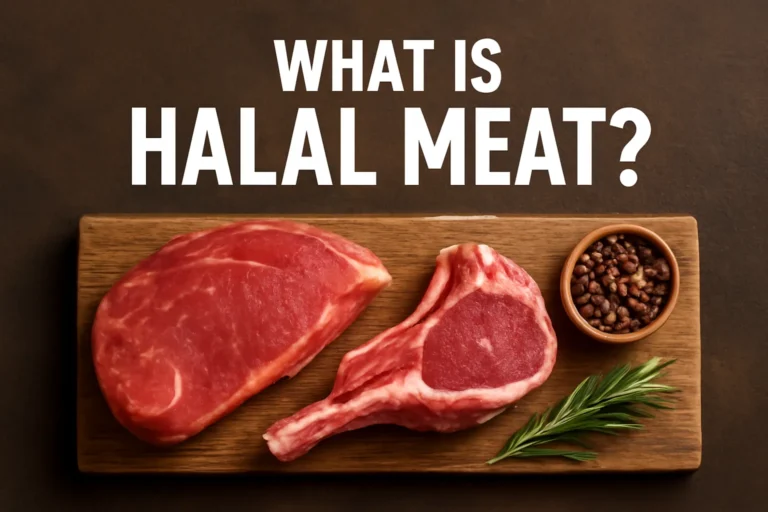
“Halal” is an Arabic term meaning permissible. In the context of meat, it refers to the slaughtering and processing practices that comply with Islamic law. The core requirements typically involve ethical animal handling, a specific method of slaughter (often called dhabiha or zabihah), recitation of a blessing, and a swift, humane process that minimizes suffering and blood retention. Beyond the act of slaughter, many halal standards emphasize sanctity of labeling, accountability, and traceability. When you encounter halal-certified meat, you are looking for products that have been vetted by a credible Islamic authority or certification body to meet these requirements.
What is organic and why is it valued in meat production?
“Organic” refers to a production standard that prioritizes natural methods, no synthetic fertilizers, no prohibited pesticides, and a prohibition on routine antibiotics or growth hormones in most organic programs. In meat production, organic certification typically requires that animals are fed organic feed, access to the outdoors or pasture (where appropriate), and humane handling throughout life. Organic meat is often associated with enhanced animal welfare practices, lower environmental impact, and restrictions on processing additives. When a product is labeled organic beef, organic chicken, or organic lamb, you are seeing compliance with an organic standard set by a recognized certification body, such as USDA Organic in the United States or corresponding bodies in other regions.
Combining the concepts: halal-certified organic meat
In many markets you can find halal-certified organic options, meaning the product is produced to organic standards and also certified as halal. These dual-label products have to satisfy both sets of criteria: the organic standard for farming and processing practices, and the halal standard for permissible slaughter and handling. The intersection of these two frameworks is sometimes called organic halal meat or halal organic meat, and it can involve one or more layers of certification. The practical upshot is that you can purchase meat with confidence that it adheres to both religious and environmental expectations, while also knowing the source is traceable and appropriately labeled.
Certifications and Labels: How to Read Them
Halal certification: who certifies and what to look for
Halal certification is issued by independent organizations or councils that verify that the animal welfare, slaughter method, processing, and handling meet halal standards. Look for:
Clear halal certification on packaging or the product page.
The name of the certification body (for example, IFANCA, Halal Trust, Muslims in various regions, or regional authorities) and a certificate or license number.
Proof that the facility maintains a dedicated halal production line or segregation to prevent cross-contamination.
Consistency across products from the same supplier—one label is good, but a trusted brand should show ongoing certification across lines.
Be mindful that halal certification varies by country and that some products may be labeled “halal-certified” while others carry the name of the certifier but lack a current certification period. When in doubt, verify the certifier’s website or contact customer service for up-to-date confirmation.
Organic certification: what the labels guarantee
Organic meat labels are governed by national or regional organic programs. Key indicators include:
USDA Organic, EU Organic, or other national organic marks showing the product meets organic farming and processing standards.
A seal or logo and often an organic standards code or certificate number.
Details about feed, veterinary treatments, and farming practices that comply with organic rules (e.g., no synthetic pesticides, no routine antibiotics).
Potentially, information about animal welfare requirements (pasture access, space standards, etc.).
If you are shopping online or in a supermarket, you may see a single label that says organic and another that says certified halal, or you may see a combined label like halal-certified organic. The most reliable products will display both certifications clearly, often with the certifier names and numbers. When labels are ambiguous, contact the producer or retailer for documentation.
Where to Find Halal-Certified Organic Meat
Local farms and farmers’ markets
One of the most reliable ways to obtain premium halal meat options that are also organic is to shop directly at farms or farmers’ markets. Farm visits allow you to observe animal welfare practices, feed sources, and handling facilities firsthand. Ask farmers about:
Whether the animals are fed organic feed and never fed conventional GMOs or prohibited substances.
Access to pasture or free-range arrangements that meet organic standards.
How the animals are cared for and whether they are slaughtered under halal guidelines.
Which certifications the farm holds for both organic and halal status.
Direct sourcing often yields fresher products, helps support local communities, and gives you a transparent view of the production chain. If a farm offers both organic and halal options, you may be able to purchase whole animals, cuts, or processed products that align with your dietary boundaries.
Specialty halal butcher shops and organic meat providers
Specialty butcher shops frequently stock halal-certified organic meat and can provide guidance on certification, processing facilities, and storage. When visiting a shop, consider asking for:
Proof of halal certification for the products you intend to purchase.
Certification details for organic meat—whether the farm or facility is fully organic, and whether processing lines are segregated to avoid cross-contamination.
Information about slaughter methods and whether the facility uses a dedicated halal line.
Online retailers and subscription boxes
Online options can broaden your access to organic halal meat beyond your immediate region. Reputable online retailers may offer:
Pre-packaged halal-certified organic肉 with clear labeling of organic and halal certifications.
Flexible bundles, including beef, chicken, lamb, and specialty cuts, with delivery to home or pickup locations.
Traceability data such as farm of origin, processing plant, and certification documentation attached to product pages.
When buying online, read reviews regarding freshness, shipping times, and packaging. Confirm the certification status and ensure that products are shipped in temperature-controlled conditions to maintain quality and safety.
Raising Standards: What to Look For on the Farm
Practices that support both halal compliance and organic farming
Farm practices influence the integrity of halal-certified organic meat from start to finish. Important considerations include:
Organic feed that is free from synthetic fertilizers, pesticides, or GMOs, ensuring the entire diet supports organic status.
Adequate space, clean housing, and enrichment that support welfare standards.
Limited or no use of antibiotics, only under veterinary supervision, with documented withdrawal periods to retain organic status.
Non-GMO feeds and compliance with organic feed requirements.
Controlled environments to minimize stress and disease, which can influence meat quality and halal slaughter outcomes.
Feed, health, and welfare as a combined criterion
For many shoppers, the decision to purchase organic halal meat hinges on intersecting factors: how the animal was fed, how it lived, and how it was slaughtered. When animal welfare is prioritized, you often see higher-quality meat with better texture and flavor. Ethical farming practices can also reduce the risk of antibiotic residues, which is an additional benefit for health-conscious consumers. Look for statements from farms that combine organic feed with pasture access or humane handling certifications, and note any independent welfare audits that accompany the organic and halal seals.
Identify your priority: Do you want halal compliance, organic production, or both? Decide whether you need a fully organic product or a mixed approach (organic-fed animals with halal slaughter, for example).
Check labels and certifiers: Look for explicit halal certification and organic certification marks, along with certificate numbers.
Confirm processing details: If you buy processed products (like sausages or ground meat), verify that the processing facility maintains halal lines and organic handling to prevent cross-contamination.
Ask about sourcing: Inquire about the farm of origin, feed sources, and whether meat is sourced from animals that were raised on organic pasture or feedlots that meet organic standards.
Evaluate freshness and storage: Check sell-by dates, packaging integrity, and whether the product has been kept at appropriate temperatures throughout distribution.
Consider price and value: Halal-certified organic meat can be more expensive; compare prices across retailers and consider smaller portions that meet your needs without waste.
Plan meals around cuts: Some cuts are more suitable for halal and organic cooking methods; plan recipes that maximize flavor and minimize waste.
Trip ideas for a halal-organic kitchen
Incorporate the two pillars of halal and organic into your meal planning with ease. Try weeknight one-pot dishes using organic chicken thighs with turmeric and cumin, or braised halal lamb shanks that come from a certified organic farm. For quick meals, select organic ground beef or organic ground turkey labeled as halal-certified, then mix with fresh vegetables and herbs. If you enjoy seafood, remember that halal guidelines apply to fish and shellfish differently in various interpretations, but many halal-certified seafood products align with organic labeling as well.
Preparing Halal-Certified Organic Meat: Cooking and Storage
Safe handling and thawing practices
For halal certified organic meat, safe handling begins at home. Always thaw frozen meat in the refrigerator or using a cold-water method in a sealed package, avoiding room-temperature thawing which can compromise safety. Keep raw meat separate from other foods, and use dedicated utensils and cutting boards to prevent cross-contamination. When you defrost a piece of halal meat, plan to cook it within a day or two to maintain quality and safety.
Cooking tips for maximum flavor
Organic farming practices can yield richer flavors due to diverse grazing and natural feeds. To highlight these qualities in your cooking, try:
Marinating with natural spices (garlic, cumin, coriander, paprika) to enhance depth without relying on additives.
Low-and-slow braising for tougher cuts like organic beef chuck or halal lamb shanks to achieve tenderness and aroma.
Roasting whole birds or large cuts to render fat slowly and preserve moisture, which is often more pronounced in organic and pasture-raised meat.
Using a meat thermometer to avoid overcooking and to preserve juiciness and nutrients.
Storage and shelf life
Proper storage extends the life of halal-certified organic meat. Refrigerate at or below 40°F (4°C) and use within the recommended window on the package. Freeze portions you won’t use within a few days. Label packages with the date of purchase to track freshness, especially if you buy in bulk or from a farm that sells quarter or half animals. When thawed, cook promptly for best texture and flavor.
Common Questions and Myths
Q: Is all organic meat halal by default?
A: No. Organic meat follows production standards, but halal compliance depends on the slaughter method and handling. You may find products labeled as organic without halal certification, halal-certified without organic standards, or halal-certified organic meat that meets both criteria. Always verify both certifications on the label or product page.
Q: Can meat be processed in facilities that handle non-halal meat?
A: It can, but reliable halal certification requires segregation and proper controls to prevent cross-contamination. You should look for information about dedicated halal processing lines or strict cleaning protocols and, if available, a facility audit certificate. This helps ensure you are buying truly halal-organic processing rather than a product that was produced in a mixed facility without proper safeguards.
Q: Are there regional differences in halal and organic interpretation?
A: Yes. Different countries recognize different halal certification bodies, and organic standards can vary by jurisdiction. In some regions, a product may be halal without organic certification, and vice versa. When shopping internationally, research the local certifiers and cross-check with your personal interpretation or guidance from your community leaders if needed.
Q: How do I verify a certification number or certificate online?
A: Many certifiers maintain searchable databases or contact directories. If you have a certificate number, you can often verify it on the certifier’s official website. If you cannot locate a public database, contact the retailer or producer and request formal documentation. Reputable suppliers should supply copies of certificates upon request and be able to explain their traceability chain from farm to table.
Ethical and Environmental Considerations
Choosing halal meat that is also organic often aligns with broader ethical and environmental goals. Organic farming tends to emphasize soil health, biodiversity, and reduced chemical use, while halal guidelines stress humane treatment of animals and responsible stewardship. When combined, these values reflect an integrated approach to food production that respects religious obligations, animal welfare, and ecological integrity. Consumers who prioritize these principles may also explore additional labels such as pasture-raised, free-range, or grass-fed, which often appear in conjunction with halal and organic branding. While not all certifications require these exact phrases, they frequently accompany organic or halal designations on product packaging.
Practical Scenarios: Choosing for Diets, Budgets, and Lifestyles
Scenario A: A family wants weekly halal meat that is organic and affordable
In this case, plan ahead by purchasing a combination of more affordable cuts (like organic ground beef or organic chicken thighs) and reserving premium cuts for special occasions. Look for local farmers who offer bulk options or subscriptions, which can reduce per-pound costs while maintaining organic and halal standards. Seasonal sales and community-supported agriculture (CSA) programs that emphasize halal and organic options can also provide value without compromising certification.
Scenario B: A busy household seeks convenience without sacrificing standards
Online retailers with clear halal and organic certifications allow you to stock a freezer with minimal trips to the store. Choose trusted brands with transparent sourcing, farm details, and robust documentation. Build a rotating menu around a few core cuts (e.g., halal organic chicken breast, halal organic beef stew meat, halal organic lamb shoulder) and pair with fresh produce for balanced meals.
Scenario C: A community program or school cafeteria aims to serve halal-certified organic meals
Partner with suppliers who can provide bulk orders of halal-certified organic meat with school-safe packaging and clear labeling. Work with certification bodies to ensure ongoing compliance, and consider labeling menus with simple explanations to help students and families understand the distinctions between halal, organic, and halal-organic options.
Conclusion: A Practical Path to Halal-Certified Organic Options
For shoppers seeking meat that respects religious guidelines and sustainable farming practices, the intersection of halal and organic provides a meaningful path to ethical consumption. By understanding what the terms mean, how certifications work, and where to find trustworthy products, you can confidently select halal-certified organic options that align with your values and dietary needs. The practical steps outlined in this guide—checking certificates, questioning processing lines, verifying farm origin, and practicing careful storage and preparation—help ensure you get what you pay for and what you believe in. Whether you call it halal-conscious organic meat, organic halal options, or simply halal organic meat, the core message remains the same: responsible sourcing, transparent labeling, and respect for both faith and the environment. As you embark on your journey, remember that clear labels and credible certifications are your best allies in navigating the diverse landscape of halal and organic meat products.





Deja una respuesta