In the modern wellness landscape, the term halal vitamins refers to dietary supplements that meet
the requirements of halal dietary law. This means the products are free from prohibited (haram)
substances and are produced in a way that aligns with Islamic principles. While the idea of vitamins and minerals
may seem universal, the halal certification adds a layer of assurance about ingredients,
processing methods, and labeling.
The category of halal-certified supplements spans multivitamins, single-nutrient formulas (such as
halal-friendly vitamin C or halal calcium), minerals, omega fatty acids, probiotics, and specialized blends designed
for health goals like immunity, energy, or cognitive support. The overarching goal is to provide options that Muslim
consumers, as well as anyone seeking ethically produced nutrients, can trust.
Why Halal Certification Matters
Certification is more than a label. It is a structured process that ensures products adhere to halal
standards across every stage—from ingredient sourcing to final packaging. The reasons people seek
halal-certified vitamins include:
Religious compliance: Adherents want products that align with Islamic dietary rules.
Transparency: Halal certification often requires detailed ingredient disclosure and supply chain clarity.
Quality assurance: Many certification programs include third-party audits, document verification, and
ongoing surveillance.
Global accessibility: For travelers and expatriates, halal-certified supplements provide consistent
options across borders.
How Halal-Certified Supplements Are Different from Conventional Vitamins
While a conventional vitamin might focus solely on the nutrient content, a halal-certified vitamin
also considers the ingredient provenance and the manufacturing environment.
Differences you may encounter include:
Ingredient sources: No porcine derivatives, no alcohol-based solvents, and no haram animal fats.
Processing methods: Facilities may be audited for compliance, and batch testing may verify purity.
Label accuracy: Clear disclosures of all ingredients, including colorants, binding agents, and fillers.
Supply chain integrity: A transparent chain of custody from raw materials to finished product.
Common Halal-Certified Supplements
The spectrum of halal vitamins and supplements covers many popular categories. The following
representative groups are frequently requested by consumers seeking halal options:
Multivitamins formulated to cover daily micronutrient needs while avoiding haram ingredients.
Vitamin D and Calcium supplements, especially for bone health, available in halal-certified forms.
Vitamin C (often as ascorbic acid) sourced from halal-approved fermentation or chemical processes.
Omega-3 fatty acids derived from halal-certified fish oil or algae sources, avoiding porcine gel caps.
Probiotics with strains tested for halal-friendly capsules and no haram additives.
Iron and minerals supplements produced under halal supervision to avoid haram carriers.
Herbal and botanical blends meeting halal standards, with careful evaluation of any alcohol or animal-derived ingredients.
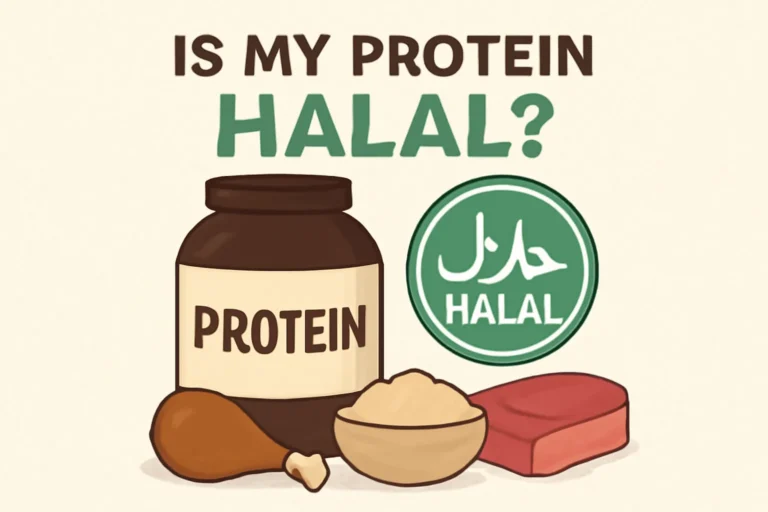
Amino acid blends and protein supplements that comply with halal guidelines for ingredients and processing.
In practice, brands may label products as halal-certified, halal-compliant, or halal-friendly. Consumers often encounter variations such as:
Halal-certified multivitamins for adults with vegan capsule options.
Halal omega-3 supplements sourced from algae rather than fish oil, in halal capsules.
Halal probiotic blends with clearly listed strains and no alcohol-based carriers.
Halal vitamin D counts paired with calcium in a single tablet, suitable for bone health management.
How to Identify Halal Labels and Certification on Supplements
Reading labels is essential in finding true halal-certified supplements. Here are practical steps:
Look for the official halal certification mark from a recognized body on the packaging.
Check the certificate number and the issuing authority mentioned in the label or the company’s website.
Review the ingredient list for any prohibited items such as porcine derivatives or alcohol.
Be wary of vague language like “halal-friendly” if no third-party certification is shown.
Visit the brand’s official site to download the certification scope or audit report for transparency.
The Certification Process
A credible halal certification is not issued casually. It involves a multi-step process designed to protect
consumers and ensure ongoing compliance. While the specifics vary by certifier, the typical steps include:
Ingredient review: Each ingredient is evaluated for halal status, including solvents, binders,
colorants, and pr sauces or coatings.
Supplier audits: Raw material suppliers are audited to confirm halal status of inputs upstream.
Manufacturing facility inspection: The production site is inspected for cleanliness, handling of haram
substances, and adherence to proper segregation protocols.
Documentation: Documentation such as product specifications, SDS, and batch records are verified.
Batch testing: Random sampling and testing for contamination, including cross-contact risk, may be performed.
Certification decision: The certifying body issues a halal certificate and logo usage guidelines.
Surveillance: Ongoing audits and annual renewals maintain certification status.
Ingredients to Watch Out For
The most common stumbling blocks for halal diets in supplements often involve certain animal-derived ingredients and
alcohol. Being vigilant about these can prevent purchasing non-halal products unintentionally.
Common haram ingredients to avoid
Porcine derivatives such as gelatin from pig sources, certain enzymes, and rennet from non-halal animals.
Alcohol used as a solvent or in flavorings, as well as certain liquid carriers.
Harsh processing aids like certain solvents or processing aids that are not halal-certified.
Animal-derived emulsifiers or binders that are not clearly sourced from halal animals or plants.
Common halal-friendly ingredients you might see
Vegetarian or vegan capsules (such as plant-based cellulose) that avoid animal-derived gelatin.
Beef-free enzymes or microbial enzymes used in fermentation with halal approval.
Glycerin labeled as vegetable-based or derived from non-pork sources.
Natural and synthetic vitamins with non-haram carriers and colorants that are clearly disclosed.
Popular Forms of Halal Vitamins and Supplements
Consumers look for the forms that fit their lifestyle, dietary restrictions, and preferences. Common formats include:
Tablets and capsules that use halal-certified capsules or plant-based shells.
Softgels where the gelatin is replaced with halal-certified alternatives, or where the content is not restricted by haram ingredients.
Gummies produced with halal pectin or agar and free from alcohol-based flavors.
Powders for mixing into beverages or smoothies, often chosen for their clean ingredient lists and halal-friendly sourcing.
Liposomal or enhanced absorption formulas that aim to improve nutrient uptake while remaining halal.
Special Considerations for Children, Pregnant Women, and the Elderly
Halal-certified supplements are not one-size-fits-all. Different life stages require tailored nutrient
profiles, and certification often extends to products designed for these groups with clear safety notes.
Children: Look for age-appropriate dosages, child-safe packaging, and halal-certified gummy or chewable forms.
Avoid high-dose products not intended for pediatric use unless the label explicitly states suitability.
Pregnant and lactating individuals: Prioritize supplements that address iron, folate, calcium, and iodine
needs, with medical guidance and halal certification. Check for avoidance of substances contraindicated in pregnancy.
Elderly: Consider nutrients like calcium, vitamin D, B vitamins, and minerals that support bone health and
cognitive function, while ensuring the product is easy to swallow and halal-certified.
Practical Tips for Building a Halal Vitamin Routine
Crafting a reliable daily routine around halal supplements involves planning, verification, and ongoing attention to
label details. Here are practical steps:
Assess your needs: Start with a baseline multivitamin or targeted nutrients based on age, gender, and health
goals. Consider halal-certified options as your primary choice.
Verify halal status: Before purchasing, check that the product is certified by a recognized halal
organization and that the certification is current.
Read the full ingredient list: Inspect binders, coatings, colorants, and any solvents for haram content.
Check the certificate scope: Some products are certified for certain markets or batches; ensure your product is within scope.
Choose trusted brands: Prefer brands with visible audits, traceable supply chains, and transparent labeling.
The Role of Third-Party Verification
Third-party verification is a cornerstone of consumer confidence in halal supplements. Independent inspections
and testing help ensure that claimed halal status is not merely marketing. Key aspects include:
Audit reports: Access to facility and supplier audit reports demonstrates ongoing compliance.
Product testing: Independent laboratories may test for contamination by non-halal substances and verify
contents align with label claims.
Certification validity: Certificates typically have expiry dates and renewal requirements to ensure current status.
Label integrity: Third-party seals reinforce trust in the accuracy of ingredient lists and halal claims.
Global Landscape: Halal Certification Bodies and Recognition
Halal certification operates within a diverse global ecosystem. Different regions recognize various certifiers,
which can influence product availability and consumer trust. Notable considerations include:
Regional certifiers: Organizations such as JAKIM (Malaysia), IFANCA (USA), and regional bodies in the Middle East and Europe.
Mutual recognition: Some certifiers have mutual recognition agreements, easing cross-border supply and labeling.
Consistency of standards: While standards share core halal principles, interpretation and scope can vary slightly among bodies.
Brand transparency: Some brands pursue multiple certifications to access broader markets.
“Halal means vegan.” Not necessarily. Halal relates to permissible sources and processes; plant-based products
can be halal, but some animal-derived ingredients can be halal if sourced appropriately.
“All halal vitamins are expensive.” Price varies widely. While certification adds cost, many brands offer
affordable halal options and occasional promotions.
“Halal certification guarantees medical efficacy.” Certification ensures compliance with dietary rules, not
clinical efficacy. Always review available clinical data for health claims.
“If it’s not halal-certified, it’s automatically haram.” Absence of certification does not prove haram status;
it simply means there is no verified halal assurance at that time. A lack of proof is not proof of prohibition.
Ethical and Environmental Considerations
Halal certification often intersects with broader ethical and environmental concerns. Consumers may value:
Ethical sourcing: Animal welfare practices in meat-based ingredients, as well as plant-based supply chains.
Environmental impact: Sustainable farming, reduced waste, and responsible packaging.
Traceability: Full visibility into the origin of ingredients and supply chain transparency.
Social accountability: Fair labor practices and ethical business conduct.
The Future of Halal Supplements
The field of halal vitamins is likely to become more sophisticated with advances in
formulation, certification processes, and digital tracking. Trends to expect include:
Blockchain and traceability: Digital ledgers to verify ingredient origin and production steps.
Plant-based and algae-derived ingredients: Growing demand for halal-certified vegan options.
Personalized nutrition: Halal-certified formulations tailored to age, gender, and health conditions.
Expanded global access: More brands achieving cross-border halal recognition to serve diverse markets.
FAQs about Halal Vitamins
Here are answers to frequently asked questions that people often have when navigating halal-certified supplements:
Q: Are all vitamins halal by default? A: No. Halal status depends on the ingredients, solvents, processing aids, and the
production facility. Certification confirms conformity with halal standards.
Q: Can I trust a product with a “halal-friendly” label? A: It depends. “Halal-friendly” can indicate an intention, but it may lack formal certification. Look for a recognizable halal mark or certification scope.
Q: How can I verify halal certification? A: Check the logo, certificate number, issuing organization, and the brand’s website for access to verification documents or audit reports.
Q: Do halal vitamins have to be organic? A: Halal certification and organic status are separate designations. Some halal products are organic, but not all; verify labels accordingly.
In sum, the landscape of halal vitamins and halal-certified supplements is vast and evolving.
For consumers who want to maintain religious compliance without sacrificing quality, a thoughtful approach to certification,
ingredient sourcing, and transparent labeling is essential. The right product should harmonize your health goals with your values.
When in doubt, consult healthcare professionals, check multiple sources of information, and favor brands that publish clear halal
documentation and third-party verification.
Conclusion: Making Informed Choices in Halal Nutrition
Choosing the right halal-certified vitamins is a proactive health decision that reflects a commitment to
dietary integrity, transparency, and quality. By understanding what halal certification entails, knowing where to look for
reliable labels, and recognizing the common ingredients that can disqualify a product, you can build a supplements routine that
supports your wellbeing while remaining faithful to your beliefs. Whether you are seeking a comprehensive halal multivitamin,
a targeted nutrient like halal vitamin D, or a sustainable source of omega-3s through halal-certified fish oil
or algae-based alternatives, the market today offers abundant options. Arm yourself with knowledge, verify
your sources, and choose brands that demonstrate a genuine commitment to halal principles and consumer safety.



Deja una respuesta