What Is Halal in Muslim? A Clear Guide to Halal Practices
What Is Halal in Muslim? A Clear Guide to Halal Practices
In many communities around the world, the term halal is heard daily—from grocery aisles to butcher shops, from cosmetics counters to financial services. Yet the word often invites questions: What makes something halal? How strictly do Muslims need to follow halal guidelines in modern life? And what should non-Muslims know when they encounter halal certificates or halal products? This article offers a clear, thorough overview of halal practices as understood in Islamic law, with emphasis on practical, everyday applications. We use a broad, semantic approach, referring to halal foods, halal drinks, halal cosmetics, halal finance, and related concepts, to capture the many dimensions of what is permissible in the Muslim tradition.
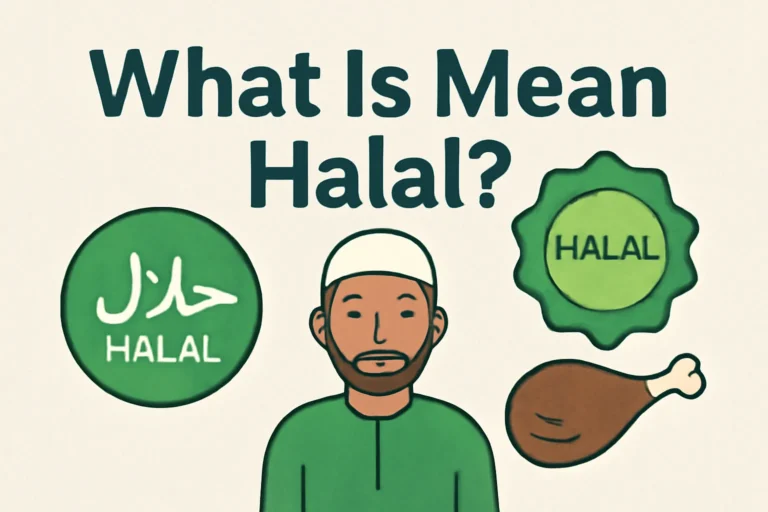
At its root, halal means permissible, allowed, or lawful under Islamic law. The opposite concept is haram, which means forbidden or unlawful. The framework of halal and haram is not limited to one category of life; it spans food, but it also encompasses actions, business practices, financial transactions, medicine, cosmetics, and personal conduct. When Muslims describe something as halal, they usually mean that it aligns with Sharia (Islamic law) as derived from primary sources such as the Qur’an and the documented practices of the Prophet Muhammad, known as the Sunnah, as well as the regulations of juristic schools (madhahib) and contemporary fatwas or guidelines.
Besides halal and haram there is an additional, closely related concept: tayyib, often translated as wholesome or good. Tayyib refers to the overall benefit, purity, freshness, and moral goodness of something. In practice, many Muslims look for both halal and tayyib when evaluating food, drink, consumer goods, and services. A product may be technically halal from an ingredient perspective but still be considered less desirable if it fails to meet standards of cleanliness, ethical sourcing, or environmental responsibility. In this way, halal is often paired with tayyib to describe a product or practice that is both allowed and wholesome.
Dietary Halal: Food, Beverages, and Ingredients
The most familiar realm of halal is dietary. For many Muslims, food rules are among the first things people learn about halal, but the scope extends beyond the dinner plate into every stage of production. Below are the core categories and criteria that define halal diet in everyday life.
What makes food halal?
Source and slaughter: For meat and poultry to be halal, the animal must be slaughtered according to the rules of zabihah, the method of ritual slaughter. The name of God (Allah) is invoked during the process, and the animal should be treated with care, ensuring minimal suffering. The slaughter method is intended to be swift, humane, and done by a sane adult Muslim, Jew, or Christian in many traditions, depending on regional jurisprudence.
Prohibited animals: Pork and its by-products are strictly forbidden (haram). Other prohibited animals include carnivorous predators and birds of prey, unless a particular community has nuanced rulings. Certain animals may be allowed (permissible) if they meet specific conditions, but common guidance is to avoid doubt and rely on scholars and reliable certification.
Forbidden substances: Alcohol and intoxicants are commonly forbidden in dietary contexts because they impair judgment and harm the body. This has led to broad caution about alcohol-based flavorings, additives, and processing aids. Some Christians, Jews, or others may encounter different rules, but within Islamic law, intoxicants are considered haram.
Ingredients and processing: Even if meat is halal, other ingredients in a product (sauce, seasoning, hydrolyzed proteins, emulsifiers, enzymes) must also be halal. Some additives come from uncertain sources, so many Muslims look for halal certification on processed foods to avoid doubt about gelatin, enzymes, or modified starch derived from non-halal sources.
Cross-contamination: Utmost care is taken to avoid cross-contamination with haram products in kitchens, factories, or during transport. This means dedicated equipment, separate storage, and clear labeling in many cases.
Seafood considerations: In many schools, fish and seafood are considered halal, but there are nuanced opinions about certain sea creatures. Muslims often follow their local scholar’s guidance. In practice, seafood is widely accepted as halal in many communities, though some households exercise caution with certain shellfish or crustaceans based on sectarian advice.
Labels and certification: A halal certificate or logo from a trusted certification body indicates that a product adheres to standard halal protocols. Certification often covers the entire supply chain—from raw ingredients to packaging and handling.
Non-meat halal: Dairy, grains, fruits, vegetables, and flavorings
Many Muslims observe halal principles for all edible goods, not just meat. Dairy products are halal provided the ingredients and processing do not involve haram components. Some cheeses, for example, may use rennet derived from non-halal sources; thus, those seeking halal products look for labels that confirm compliant sourcing. Grains, fruits, and vegetables are generally halal, though they may be processed with haram additives or contaminated equipment. Flavorings, ozonated water, and preservatives should be checked if there is any doubt about their source.
Non-Dietary Halal: Personal Care, Cosmetics, Medicines, and Household Products
Halal practice extends beyond food into everyday items. Consumers may seek products that do not contain haram ingredients or that are manufactured using halal-compliant processes. This includes cosmetics, lotions, perfumes, shampoos, and sanitizers, as well as over-the-counter and prescription medicines. Some medicines may contain alcohol or gelatin, which raises questions. In many cases, Muslims consult halal-certified products, seek alternatives, or discuss permissible substitutes with knowledgeable scholars.
Cosmetics and personal care
Cosmetic ingredients: Some colorings, emulsifiers, and fortifying agents may come from animal fats or other haram sources. If there is doubt, many Muslims prefer products with halal certification or those explicitly labeled as cruelty-free and devoid of haram components.
Water-based products vs. oil-based ones: Some scholars emphasize that products applied externally and not ingested may still need caution regarding porosity and absorption, but the core rule remains the presence of haram ingredients. Consumers may seek guidance on halal skincare and halal makeup.
Testing and contamination: Cross-contamination with haram substances in manufacturing facilities is a concern for some consumers. Certification can help ensure compliance across the supply chain.
Medicines and nutraceuticals
Pharmaceuticals: Some medicines include alcohol, gelatine, or animal-derived ingredients. In many cases, when no halal alternative exists, Muslims may accept a haram ingredient if the medicine is essential for life and there is no permissible alternative (a concept known as darura, or necessity).
Vaccines: Vaccines may include adjuvants or stabilizers derived from animal products. Many scholars have weighed in to allow vaccine use in situations of public health necessity, while emphasizing the importance of seeking halal-certified products when possible.
Supplements: Like foods, halal supplements should avoid haram ingredients and follow certification standards if available.
Halal Certification: What It Means and How to Use It
Certification plays a pivotal role in communicating that a product or service conforms to halal standards. Halal certification is not a single global authority; rather, it is issued by a variety of organizations with regional and national scopes. The core idea is to provide assurance to Muslims and to help businesses access markets with halal-conscious consumers. Here are some practical points about halal certification.
What the certification typically covers
Ingredients and raw materials
Manufacturing processes and facilities
Storage and handling to avoid cross-contamination
Packaging and labeling to clearly indicate halal status
Supply chain transparency and traceability
When you encounter a halal logo, look for the certifying body's name, a validity period, and the scope of certification. Some products carry a broad, international halal certificate, while others may be certified for a specific region or market. Muslims may also use judgment based on the reputation of the certifier, availability of sources, and alignment with local practice.
Halal in Business and Finance: Ethics and Economic Life
Halal concepts also shape how Muslims conduct business and manage money. The field of halal finance has grown worldwide, offering banking, investment, and insurance products designed to comply with Islamic law. Key principles include avoidance of riba (interest), prohibition of gharar (excessive uncertainty), and restriction on investments in haram industries (such as alcohol, gambling, or weapons). A broader sense of ethical commerce also includes honest labeling, fair pricing, transparent contracts, and social responsibility.
Key elements of halal finance and business practice
Interest-free banking or profit-and-loss sharing arrangements
Sharia-compliant investments that avoid haram sectors
Clear contracts and disclosure in all forms of trade
Ethical screening of products and services for social impact
Zakat and charitable giving as part of personal and corporate responsibility
In everyday life, Muslims may seek halal-certified insurance, credit cards, or investment funds. Businesses targeting Muslim customers often display halal or sharia-compliant labels to facilitate trust and participation in the market. For non-Muslim readers, halal finance can be understood as a framework for ethical, transparent, and responsible economic activity that aligns with religious guidelines for permissible conduct.
Practical Guidance: Adopting Halal Practices in Daily Life
For many people, understanding halal means turning principles into practical habits. Here is a concise guide to applying halal principles in daily routines, from shopping to dining to travel.
Shopping and consumption
Read ingredient lists carefully; when in doubt, consult official halal certifications or trusted scholars.
Prefer products with reliable halal logos from recognized certification bodies.
Be mindful of cross-contamination in kitchens, restaurants, and factories; use dedicated utensils and storage where possible.
Choose cosmetics and personal care items with clear halal labeling if you wish to avoid haram ingredients.
Support companies with ethical sourcing, environmental stewardship, and social responsibility that align with tawhid—the oneness of God reflected in respect for creation.
Cooking at home and on the go
Ensure meat is slaughtered according to zabihah if you are cooking for others who require halal beef, chicken, or lamb.
Use separate cutting boards and knives for meat and non-meat items if you want to minimize cross-contamination.
Ask about ingredients used in sauces, seasonings, and marination; some products may use hidden haram components.
Explore halal-certified restaurants and menus; many establishments now provide halal options and transparent sourcing information.
Travel and community life
Identify mosques, halal eateries, and halal-certified facilities in travel destinations.
Carry a small card or app with your halal requirements for easy communication in unfamiliar places.
Respect local customs while ensuring your practice remains consistent with your beliefs; many communities welcome constructive dialogue and mutual understanding.
Common Questions and Myths About Halal
As halal becomes a global topic, myths and misunderstandings can arise. Here are responses to some frequent questions with concise explanations to help readers discern fact from fiction.
Is all seafood halal?
Most scholars permit seafood as halal, but there are varying opinions about certain sea creatures. The general practice in many Muslim communities is to consider seafood halal, but you should consult your local scholars or certification standards if you want precise guidance for your tradition.
Does halal require ritual slaughter for all meat?
For meat to be considered halal, many communities require that the animal be slaughtered according to the rules of zabihah with the invocation of Allah’s name. Some traditions also allow certain alternative arrangements depending on local jurisprudence and necessity. If you are in a setting where no halal slaughter is available, you might seek alternatives (e.g., fish, plant-based protein, or certified halal products) while respecting your community’s guidance.
Is halal the same as kosher?
Halal and kosher are distinct systems rooted in two different religious frameworks. While there are overlaps—such as rules about prohibited animals and specific slaughter practices—each has its own sources, terminology, and certification standards. Some principles align, but they are not interchangeable. Muslims may respect kosher products when they meet halal requirements, but not all kosher foods meet halal standards, and vice versa.
Medicines can pose dilemmas when ingredients or production methods include haram elements. In urgent medical situations, many scholars allow exceptions to preserve life or health. When possible, patients and caregivers should consult healthcare professionals and knowledgeable scholars about acceptable alternatives or substitutes that comply with halal guidelines.
Are halal and halal-certified cosmetics safe and trustworthy?
Certification aims to enhance trust by validating compliance with halal standards. However, the reliability of certifications varies by organization. Consumers should verify the credibility of the certifier, check the certificate’s scope, and look for up-to-date documentation. In addition to certification, consumers can research product ingredients and manufacturing practices to ensure alignment with personal values.
Halal is not merely a checklist of prohibited items. For many Muslims, it represents a holistic approach to living in a way that is mindful of God, promotes physical health, supports ethical commerce, and respects the environment and other living beings. The broader meanings of halal emphasize:
Respect for life and humane treatment of animals in farming and slaughter
Honesty and transparency in labeling, sourcing, and business practices
Cleanliness and purity in food, products, and spaces
Moderation in consumption, to avoid waste and excess
Stewardship of resources and concern for the well-being of communities
These dimensions underscore why halal continues to evolve in response to modern supply chains, globalization, and technology. The goal is not to create barriers but to provide Muslims with reliable means to practice their faith while engaging constructively with the wider world. As a result, halal standards often emerge as a form of ethics in practice, guiding not only what people eat or use, but how they conduct business, care for others, and protect the planet.
Halal, Hyphenation, and Language: How to Talk About Halal Practices
Terminology matters when discussing halal. Some common phrases you may encounter include halal-certified, zabihah-slaughter, halal food, halal products, halal cosmetics, sharia-compliant finance, and halal labeling. The precise wording can vary by region or language, but the core ideas remain consistent: the product or service adheres to Islamic law and the standards of the certifying body. When communicating with Muslims about halal, it is helpful to be precise about the scope (food, cosmetics, finance, etc.) and to recognize the diversity of opinions among scholars and communities around the world.
Whether you are a Muslim seeking practical guidance or a non-Muslim seeking to understand and engage respectfully with halal practices, the following quick-reference points can help:
Know the basics: Halal means permissible; haram means forbidden; tayyib means wholesome. These concepts provide the foundation for decision-making in various aspects of life.
Look for credible certification: For foods, cosmetics, and other products, halal logos from trusted certifiers help identify compliance. Always check the scope and validity of the certification.
Consider the full supply chain: Halal compliance involves sourcing, processing, packaging, and handling. A product might be halal in ingredients but compromised by cross-contamination or non-halal processing.
Ask questions: If you are unsure about a product, hospitality establishment, or service, ask staff or seek guidance from knowledgeable scholars or local halal authorities.
Respect differences: Jurisprudence varies by school of thought and region. What is considered halal can differ slightly; approach with curiosity and respect for diverse practices.
Conclusion: A Practical, Global, and Evolving Guideline
Halal in Islam encompasses far more than a food label. It is a comprehensive, living framework that informs what Muslims eat, what they use on their bodies, how they conduct business, how they handle money, and how they relate to the world around them. By understanding the core distinctions—halal versus haram—as well as the related concepts of tayyib, zabihah, and sharia-compliant practices, people can navigate both the complexity of modern markets and the depth of religious guidance with clarity and confidence.
Ultimately, the aim of a clear guide to halal practices is to empower individuals to make informed choices that reflect their faith, values, and responsibilities. Whether you are preparing meals, selecting beauty or healthcare products, or engaging in financial planning, the same principles apply: seek transparency, prioritize ethical sourcing, respect religious guidelines, and strive for wholesome, beneficial outcomes. In this way, halal becomes not just a set of restrictions, but a holistic approach to living with intention, compassion, and integrity in today’s interconnected world.




Deja una respuesta