Introduction: Halal Meat, What Is It and Why It Matters
When people ask halal meat what is it, the answer goes beyond a simple label. At its core, halal means permissible according to Islamic law. But in practice, the phrase halal meat carries a suite of criteria that touch on animal welfare, slaughter practices, ingredient sources, and the integrity of production and labeling. This article is a definitive guide to halal standards, halal certification, and halal preparation. Whether you are a consumer seeking reliable products, a restaurant manager aiming to serve confidently halal meals, or a producer building a compliant supply chain, understanding halal meat what is it in a concrete way helps you make informed choices.
What Is Halal Meat? Variations on the Question
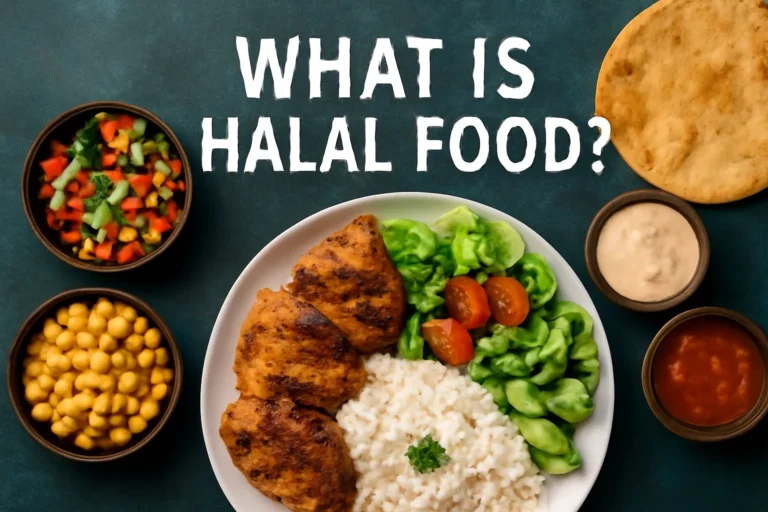
For many readers the simplest way to phrase the inquiry is what is halal meat or halal meat what is it exactly. The short answer is that halal meat is meat derived from animals slaughtered and prepared in accordance with Islamic law, known as zabiha, and certified as permissible by an authority recognized within a given community. But the long answer is nuanced:
Source animals: Only animals that are considered lawful to eat under Islamic law may be slaughtered for halal meat. This excludes all forms of pork and any animal that is not properly slaughtered or is otherwise forbidden by scripture.
Method of slaughter: The animal must be slaughtered in a specific way, typically by a sane adult Muslim quickly and humanely, with the name of God invoked at the moment of slaughter. This is the zabiha principle.
Drainage of blood: A critical component of halal slaughter is the thorough drainage of blood from the carcass, as blood and blood byproducts are generally prohibited in halal dietary law.
Purity and avoidance of prohibited substances: The meat should be free from haram ingredients (pork, alcohol, and other forbidden substances) and should not come into contact with haram materials during processing unless properly segregated and cleaned.
Handling and processing: Throughout the production chain—from slaughter to packaging—care must be taken to prevent cross-contamination with non-halal items.
Some readers might encounter phrases like halal meat — what is it in a modern supply chain? or halal meat what is it in practice? The practical definition encompasses not only the ritual slaughter but also the standards that govern farming, transport, processing, labeling, and verification. In short, halal is a holistic concept that touches ethics, religion, and consumer protection.
Halal Standards: The Core Principles
The heart of halal lies in a set of principles and rules that are implemented by producers, certifiers, and regulators. While exact requirements can vary by country and certifying body, several core elements are widely accepted:
Permissible animals (food animals must be halal-admissible and not from species that are haram or restricted).
Proper slaughter methods (zabiha) with intention and blessing and a swift, humane process that minimizes suffering.
Invocation of God (the name of God is spoken at the time of slaughter in many traditions) and the pronouncement is witnessed by a certified official when required.
Drainage of blood and avoidance of blood products as far as possible.
Sanitation and avoidance of cross-contamination: equipment, facilities, and handling practices must prevent contact with haram items and non-halal products.
Ingredient transparency: all ingredients and processing aids must be halal, and any questionable additives must be disclosed and approved by a certifying body.
Ethical treatment of animals: many certifiers emphasize humane handling, appropriate housing, and adherence to welfare standards.
The term zabiha (sometimes spelled zebihah or dhabihah) refers to the Islamic method of slaughter. It is more than a ritual phrase; it is a set of actions designed to respect the animal, minimize suffering, and ensure rapid, clean halting of the animal's life. In practice, zabiha includes:
Using a sharp knife or blade to cut the throat with a single precise action.
Ensuring the animal is alive and healthy at the time of slaughter (in most schools of thought).
Invoking the name of God at the moment of slaughter (though practices vary by community and certifier).
Ensuring the process results in rapid loss of consciousness and minimal pain as a matter of welfare.
Guarding against pre-slaughter stress, which some authorities argue affects meat quality and compliance.
It is important to recognize that there are debates about stunning and whether it is permissible under different halal interpretations. Some certifying bodies allow permissible electrical or humane stunning if it does not cause death and is compatible with zabiha traditions, while others require slaughter to occur without stunning at all. Consumers should consult their local certifier if they need precise guidance for their community.
Certification and Certification Bodies: How Halal Status Is Granted
Halal certification is the formal recognition that a product or establishment complies with halal standards. Certification bodies issue certificates, approve logos, conduct audits, and perform ongoing surveillance to maintain status. The process typically involves documentation, facility inspections, staff training verification, and sometimes laboratory testing of ingredients and processing aids.
The Certification Process: Step by Step
Pre-assessment: The facility assesses whether products and processes have the potential to meet halal standards and what changes might be needed.
Application and documentation: The company submits ingredient lists, supplier attestations, equipment descriptions, and any relevant certifications.
Facility audit: An on-site or remote audit verifies handling, storage, production lines, warehousing, and cleaning protocols to prevent contamination with haram materials.
Ingredient compliance: All ingredients, enzymes, processing aids, and additives are checked for halal status, including pet food and feed if relevant.
Certification decision: Based on audit results, the certifier approves or requires corrective actions before certification is granted.
Issuance of license and logo use: The company receives a halal certificate and a logo or mark they may use on packaging and menus.
Surveillance and renewal: Ongoing monitoring ensures continued compliance; certifications typically require periodic renewal and re-audits.
Notable Halal Certification Bodies
The global halal ecosystem includes many reputable organizations. Some well-known names include:
IFANCA (Islamic Food and Nutrition Council of America) – a major certifier with a broad international footprint.
JAKIM (Department of Islamic Development Malaysia) – the national authority for halal certification in Malaysia; widely recognized in Asia and beyond.
MUIS (Islamic Religious Council of Singapore) – provides halal certification and oversight for products marketed in Singapore and the region.
MUI (Majelis Ulama Indonesia) – the national body that certifies halal status for many Indonesian producers.
Other regional certifiers in North America, Europe, the Middle East, and Africa, each with logos and cross-border recognition depending on trade networks and retail partners.
When shopping, look for a halal-certified logo from a recognized authority and the country of origin. Some products may carry multiple certifications if they are distributed globally. In border regions or multicultural markets, you may encounter differing standards, making it important to understand which certifier is controlling the halal claim on a given product.
Global Landscape: What Halal Means in Different Regions
The interpretation and enforcement of halal standards vary around the world. Understanding regional differences helps with practical decisions in travel, cooking, and purchasing:
Malaysia and Indonesia: Strong emphasis on zabiha slaughter and strict adherence to national certifying bodies. Certification often carries significant market authority in Southeast Asia.
Europe and North America: A mix of international certifiers and local religious councils. Retailers commonly display logos from big certifiers like IFANCA, and some national bodies also operate in these markets.
The Middle East: Halal standards are tightly regulated, and some markets rely on regional authorities that integrate with export rules and global supply chains.
Africa and the Indian subcontinent: A broad spectrum of certifiers and practices; many communities follow local councils that align with traditional halal interpretations, with increasing integration into global certification networks.
For the consumer, this regional diversity means that a product labeled “halal” may be certified by different authorities depending on where it is produced and sold. The principle to remember is not just the word halal, but the accompanying certification and the traceability that supports it.
Preparation and Processing: How Halal Principles Translate to Kitchen and Factory Floors
Halal slaughter and certification set the stage, but the real test is how meat is handled from farm to fork. This section explains how preparation, processing, and cooking align with halal requirements.
Ingredient integrity: Halal meat relies on ingredients and processing aids that are themselves halal or deemed acceptable by a certifying body. This includes seasonings, emulsifiers, and preservatives that must be free of haram components.
Facility segregation: Production lines handling halal products should be clearly segregated from lines processing haram products to prevent cross-contamination.
Packaging and labeling: Packaging should reflect halal status with the appropriate logo and certifier information, along with batch numbers for traceability.
Storage and transport: Halal products must be stored separately, with dedicated refrigeration or designated areas to avoid contact with non-halal items.
Cleaning and sanitation: Cleaning agents and sanitizers used on halal equipment should be permissible under the relevant certification, and rinse procedures should ensure no cross-contact remains.
Handling by staff: Staff training is essential to ensure proper handling, such as avoiding contact with alcohol-based marinades or using non-halal equipment.
In the kitchen, practical steps include checking ingredients, avoiding cross-contact with non-halal foods, and maintaining clean utensils and surfaces. If you ask halal meat what is it in the kitchen, the answer includes careful procurement, traceability, and diligent hygiene practices to ensure every meal remains compliant.
Preparation Guidelines for Consumers and Food Service Providers
This section offers actionable guidance to ensure that the halal standard is preserved in everyday cooking and service environments.
Read ingredient labels and verify that all additives and flavorings are halal-compliant.
Ask questions when dining out or buying prepared foods. If in doubt, request documentation or contact the supplier for certification details.
Prefer certified products with a recognized halal logo and certificate number for traceability.
Maintain separate storage for halal meat and non-halal products, including dedicated knives, cutting boards, and utensils where possible.
Cook with halal ingredients and avoid alcohol-based marinades or extract additives unless specifically certified as halal.
Respect regional differences: Since certification standards differ by country and certifier, be aware that a product certified halal in one country may require additional verification when imported elsewhere.
For halal meat what is it in culinary practice, you’ll often see chefs focusing on clean labeling, transparent sourcing, and mindful preparation. A chef who emphasizes halal integrity will communicate the certification, the origin of the meat, and any processing aids used in the dish.
Common Myths and Realities About Halal Meat
Like many dietary labels, halal carries some myths. Separating fact from fiction helps consumers navigate products without fear or confusion.
Myth: Halal meat tastes different from non-halal meat. Reality: There is no inherent flavor difference due to halal status; flavor comes from breed, diet, aging, and cooking method, though some people believe that the way meat is slaughtered can influence taste or texture.
Myth: Halal requires animal suffering. Reality: Halal standards emphasize humane handling and minimal suffering, and many communities value welfare in practice as part of ethical practice.
Myth: Halal equals “pork-free only.” Reality: Halal applies to all permissible meats; pork is forbidden, but other animals (like cattle, sheep, goats, poultry) can be halal if slaughter and processing rules are followed.
Myth: Halal certification is the same everywhere. Reality: Certification bodies and regional regulations differ, so certification logos and requirements can vary across markets.
For those who pursue halal meat what is it in practice in a restaurant, the safest approach is to ask for the certifier’s name, verify the logo, and request the certificate number. In homes, keep a record of the halal status of ingredients, and maintain clear separation between halal and non-halal cooking utensils and surfaces.
Case Studies: Real-World Scenarios in Halal Certification
Illustrative cases help demonstrate how principles translate into day-to-day operations.
Case 1: A multinational processor implements a global halal program. They establish a central compliance team, train staff across factories, and maintain a database of supplier attestations. The company uses a single halal logo that is valid in multiple markets and undergoes periodic audits to retain certification across continents.
Case 2: A local butcher shop seeks halal certification for poultry. They install separate cutting boards, purchase certified halal chickens, and display a clear certificate at the counter. The shop coordinates with a regional certifier to renew annually and ensure product labeling is consistent with local regulations.
Case 3: A restaurant chain expands into a new country. They align menu labeling with the local certifier, train kitchen staff in halal handling, and institute cross-contamination controls in all outlets. They publish supplier lists and certification numbers for transparency.
Here are concise answers to common questions that readers often search for:
What does Halal mean?
Halal means permissible or lawful under Islamic law, including food that is prepared and processed according to specific rules.
Is halal meat the same as kosher?
No. Halal and kosher have overlapping but distinct requirements. Some halal standards emphasize different slaughter practices and permissible additives than kosher standards.
Can halal meat be found in non-Muslim countries?
Yes. Halal meat is widely available in many non-Muslim countries, facilitated by international certifiers and local religious councils.
What about stunning?
Stunning rules vary by certifier and country. Some allow certain forms of humane stunning if they are compatible with zabiha, while others require slaughter without stunning.
Conclusion: The Halal Meat Journey
The question halal meat what is it blends theology, ethics, science, and commerce. Halal meat is not merely a label; it is a validated system that seeks to ensure that meat products respect religious requirements, support animal welfare, and promote consumer trust through transparent supply chains. From the farm to the table, the journey of halal meat involves a chain of custody, clear communication, and ongoing verification by recognized authorities. By understanding halal standards, the role of certification, and best practices for preparation, consumers and professionals can navigate the market with confidence. Whether you are asking what is halal meat in general or exploring the specifics of halal meat what is it exactly in your region, the guiding principles remain consistent: halal is about permissible, humane, and traceable meat that respects the beliefs of billions of people around the world.



Deja una respuesta