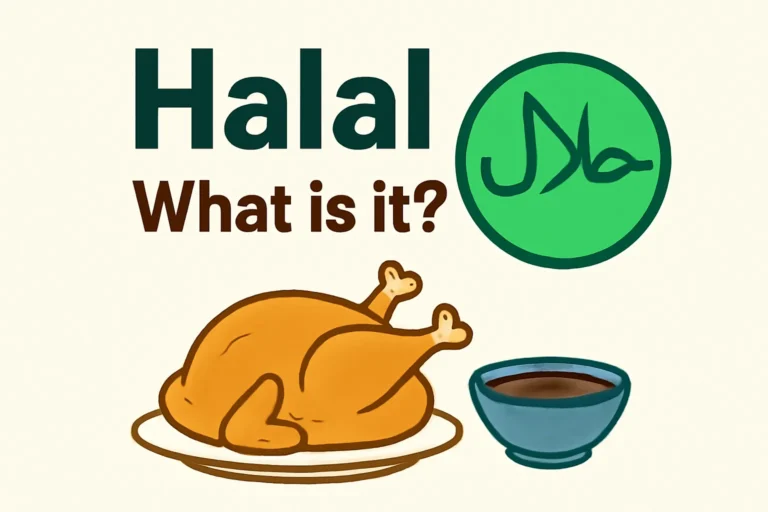
In the broad field of Islamic dietary laws, the term halal describes what is permissible for Muslims to eat and drink according to Shariah, the divine guidance Muslims follow. This is not merely a list of forbidden items; it is a holistic framework that connects belief, ethical conduct, and daily nourishment. For many people, adopting a halal diet is both a spiritual practice and a practical decision about health, safety, and respect for religious norms.
The word halal translates to "permissible" or "lawful." In daily life, it is used to refer to food that has fulfilled the required ritual slaughter of meat, is free from prohibited substances, and has been processed in a way that preserves purity. A closely related idea is tayyib, often translated as "wholesome" or "good," which emphasizes quality, environmental responsibility, and the wholesome character of what a Muslim consumes. Together, these concepts shape a dietary ethic that goes beyond mere taste.
Throughout history, Muslims have faced new foods and new production methods. The modern food system introduces processed products, cross-contamination risks, and global supply chains. For this reason, many Muslims consult local scholars, trusted halal certification labels, and reputable organizations to navigate the complexities of modern halal living. The aim is to maintain the core values—purity, ethical treatment of animals, humane slaughter, and avoidance of substances that are harmful or forbidden—while allowing for a diverse and satisfying dietary repertoire.
Core Prohibitions: Haram Foods and Substances
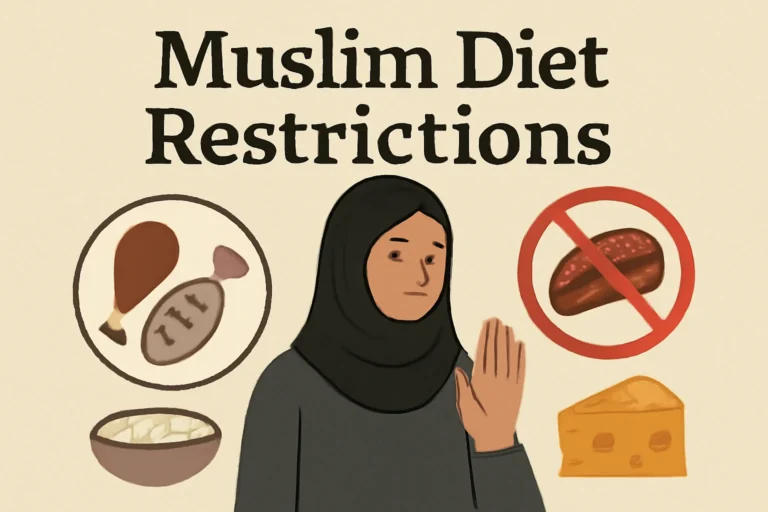
A central pillar of muslim dietary restrictions concerns what must be avoided. The category of haram includes foods and substances that Islam explicitly prohibits, either because they harm the body, undermine moral and spiritual goals, or violate the method by which animals are treated and prepared.
Pork and pork by-products, including gelatin from porcine sources, are universally considered haram across schools of thought.
Alcohol and intoxicants that alter perception or behavior are prohibited. This includes beverages, as well as foods or flavorings that contain ethanol or other intoxicants.
Blood and blood by-products, whether in sauce, broth, or other forms, are not permissible.
Animals not slaughtered in accordance with Islamic law (e.g., those not blessed with the name of God at the time of slaughter, or slaughter that does not meet halal standards).
Animals that die of themselves (carrion) or those killed by other animals are not halal.
Animals prohibited in Islam by explicit textual guidance, such as certain birds of prey and carnivorous animals, fall into haram.
Forbidden blends or additives where haram ingredients are present or substances derived from forbidden sources that cannot be verified as halal.
In practice, people encounter questions about gelatin, enzymes, vitamins, and other additives. The guidance centers on whether these substances come from halal sources and whether they have had contact with haram materials during processing. In uncertain cases, many people consult with a trusted halal-certification authority or seek products with clear halal labeling to reduce doubt.
The Halal Diet: Key Principles and Practices
A practical approach to living within halal dietary rules involves understanding not just the foods themselves but the processes that keep food halal from farm to table. This section outlines principles that help make everyday decisions easier, from meat choices to packaged snacks and beverages.
A frequent point of discussion is the method of slaughter, often described as zabiha or dhabiha (terms used to refer to the Islamic slaughter method). The core requirement is that the animal is healthy at slaughter, the animal is slaughtered with a swift, humane cut to the throat while invoking God’s name, and the blood is drained from the carcass. While this practice has deep religious significance, the practical aim is to ensure the meat is clean, wholesome, and prepared with respect for the animal.
It is important to note that there are differences of opinion among scholars on details such as the use of stunning prior to slaughter. Some communities accept humane stunning as long as the animal is slaughtered in the prescribed manner, while others require slaughter without prior stunning. For Muslims, the most important is to seek guidance from a trusted local authority or respected halal-certification body in their region, and to choose products that align with their personal interpretation and community norms.
Purity (tahara) and cleanliness (tazkiyah) are continuous concerns in a modern kitchen. This includes how meat is stored, prepared, and served, as well as how utensils and surfaces are cleaned to avoid cross-contamination with haram ingredients.
Practical tips include dedicating separate cutting boards or utensils for halal meat, thoroughly washing surfaces after handling non-halal items, and using trusted, clearly labeled equipment for halal cooking. For many households, these steps are part of a routine that reinforces discipline, mindfulness, and respect for dietary laws.
Certification and Oversight: How Halal Certification Works
In today’s global market, certification provides a practical bridge between religious guidelines and commercial food production. Halal certification is granted by recognized authorities that audit supply chains, slaughter practices, processing facilities, and labeling. The aim is to provide consumers with confidence about whether a product is truly halal according to widely accepted standards.
Certification bodies typically assess:
The slaughtering process and whether it conforms to halal requirements.
Whether ingredient lists and additives originate from permissible sources.
Potential for cross-contamination with haram substances in production facilities.
Availability of traceability and clear labeling that allows the consumer to verify halal status.
It’s common to encounter different halal certification logos from various countries. Some communities follow stricter guidelines, while others accept a broader interpretation of halal, especially in areas with limited options. When in doubt, look for a reputable certification mark and read the product’s ingredients carefully.
For travelers and families, understanding the global landscape of halal labeling can save time and prevent unintended consumption. Some regions rely on local scholars or regional bodies, while others align with international organizations that publish lists of certified products and facilities.
Eating Out: Navigating Restaurants and Travel
Dining out presents its own set of challenges and opportunities. For Muslims who follow dietary restrictions, it’s important to communicate clearly with waitstaff, chefs, and management about what is permissible and what is not. With growing global awareness, many restaurants now provide halal options, clearly labeled menus, or dedicated halal sections.
Ask about meat sources (whether the meat is halal-certified and the slaughter method used).
Inquire about ingredients like flavor enhancers, emulsifiers, and additives that may come from non-halal sources.
Request separate utensils and pans for halal cooking to avoid cross-contamination.
Check if alcohol or non-halal ingredients are used in sauces or marinades, and select dishes with straightforward, halal-friendly ingredients.
Be mindful of cross-contact in shared grills or fryers; some venues use the same equipment for halal and non-halal items.
For travelers, carrying a small, reputable guides or halal-friendly apps can help locate reliable options. It is also common to request a chef’s guidance or to ask about the restaurant’s policy on halal food preparation. In many places, consultation and patience lead to enjoyable dining experiences that respect religious guidelines.
Ramadan, Fasting, and Seasonal Diets
The holy month of Ramadan introduces a distinctive rhythm to the halal diet. Fasting from dawn to sunset reframes daily eating patterns and imposes practical considerations for nutrition and hydration. The pre-dawn meal, suhoor, should provide steady energy, while the sunset meal, iftar, traditionally begins with dates and water, followed by a balanced meal that mirrors regular halal dietary rules.
During Ramadan, Muslims prioritize foods that are easy to digest, provide long-lasting energy, and maintain hydration. Foods rich in complex carbohydrates (such as whole grains, fruits, vegetables) and protein-rich options help sustain energy until the next fast. It is common to avoid overly rich or heavily fried items during iftar, as these can cause discomfort after a day of fasting.
Even outside Ramadan, many people pay particular attention to seasonal foods and the quality of nutrition. A practical approach is to plan meals that align with halal dietary requirements and emphasize wholesome and nutritious choices while avoiding excess sugar, processed fats, and artificial additives when possible.
The modern food landscape offers a growing array of halal-certified plant-based, vegetarian, and vegan products. For Muslims seeking to reduce meat consumption or explore dietary variety, the halal plant-based market presents opportunities to enjoy flavorful foods while adhering to halal rules.
It’s important to examine product labeling carefully, as some plant-based items may include ingredients derived from non-halal sources or use processing aids that require halal verification. Many manufacturers now pursue halal certification for their vegetarian or vegan lines to meet consumer demand and ensure consistency across markets.
Beyond meat substitutes, globally available halal-certified seafood, dairy, grains, snacks, and beverages expand the possibilities for a healthy, varied, and ethical dietary regimen. Consumers are encouraged to read ingredient lists, seek reliable halal certification, and consider the overall nutritional profile of items they choose.
Shopping and Kitchen Practices to Maintain Purity
Creating and maintaining a halal kitchen involves practical steps that help uphold the integrity of the diet. The following guidelines are commonly adopted in households that prioritize halal living.
Separate storage for halal and non-halal items, including shelves, containers, and utensils, helps prevent cross-contact.
Dedicated preparation areas for halal meat, seafood, dairy, and produce, including separate knives and cutting boards.
Clear labeling of foods and ingredients, especially for processed items with complex ingredient lists or ambiguous sources.
Use of certified halal products whenever possible, and regular review of labels for changes in sourcing or production.
Maintenance practices that ensure equipment is thoroughly cleaned between uses, particularly when switching between halal and non-halal items.
Facility considerations for communal kitchens, schools, workplaces, and religious centers where many different foods are prepared.
In households and institutions, food safety and religious compliance go hand in hand. Adopting a methodical approach—planning menus, reviewing supplier certifications, and communicating with cooks—helps ensure that meals align with muslim dietary restrictions while remaining appealing and nourishing.
The landscape of Islamic dietary guidelines includes a number of common questions that arise in daily life. Here are some clarifications that readers often seek, along with practical guidance.
Is seafood halal? Across many communities, seafood is generally considered halal, though some scholars distinguish between kinds of seafood. When in doubt, check local guidance or consult a trusted authority.
Can dairy be halal if it includes animal-derived enzymes? Many processed dairy products use microbial or plant-based coagulants. If there is any concern about a specific enzyme source, look for halal-certified or clearly labeled products.
What about gelatin? Gelatin can be problematic if derived from non-halal sources. Seek halal-certified gelatin or alternatives like fish gelatin (which some scholars accept) or plant-based gelling agents where appropriate.
Is vinegar halal? Most vinegar, including those derived from wine or other fermented products, is considered halal by many scholars, but some communities maintain caution for certain types of vinegar. When uncertain, verify with local guidance or the certifying body.
What about flavor enhancers and additives? Flavorings, emulsifiers, and colorings should be evaluated for their source material. When labeled halal-certified, these items are typically acceptable; otherwise, verification is prudent.
It is normal to encounter a spectrum of viewpoints on edge cases. The essential practice is to seek reliable information and make choices in line with one’s own beliefs and community guidance. Maintaining a respectful dialogue about halal standards fosters understanding and helps individuals navigate dilemmas with confidence.
Consistency, Convenience, and Faithful Living
A practical guide to muslim diet restrictions recognizes the need to balance faith, health, and daily life. For many people, the halal lifestyle is not a rigid rulebook but a flexible framework that supports ethical choices, cultural practices, and spiritual discipline. As products, restaurants, and certification processes evolve, Muslims often adopt adaptive strategies—planning ahead for meals, asking questions, and choosing trusted sources—so that their dietary habits remain meaningful and sustainable.
In modern life, the harmony of halal foods and modern consumer choices is possible when individuals:
Prioritize transparency in ingredient lists and labeling.
Support certified halal producers and retailers.
Practice mindful consumption that respects ethical treatment of animals and environmental stewardship.
Share knowledge with family, friends, and community members to promote broader understanding of Islamic dietary rules.
By embracing these principles, a household or institution can maintain a vibrant, diverse, and lawful diet while honoring the core values that guide Islamic dietary ethics.
Practical Takeaways for Everyday Life
To help you implement a robust, everyday practice of halal living, here is a concise list of practical steps:
Read ingredient lists carefully and look for halal certification logos on packaged foods.
Ask questions at restaurants about meat sources, preparation methods, and cross-contamination controls.
Keep a simple halal pantry checklist and rotate items to maintain freshness and compliance.
When uncertain, choose plant-based options or certified halal meat substitutes to widen the range of permissible choices.
Educate family members about dietary restrictions to foster mutual support and shared accountability.
The long-term goal is to integrate the principles of halal, tayyib, and cleanliness into routine meals, celebrations, and travel. With thoughtful planning, it is possible to enjoy a varied, delicious, and spiritually meaningful diet that aligns with Islamic guidance and personal convictions.
If you would like, I can tailor this guide to a specific context—such as a family kitchen, a university dining hall, or a restaurant menu—by focusing on local halal-certification bodies, regional food traditions, and practical shopping strategies.






Deja una respuesta