What makes halal meat halal? An introduction to slaughter rules, certification, and the path from farm to table
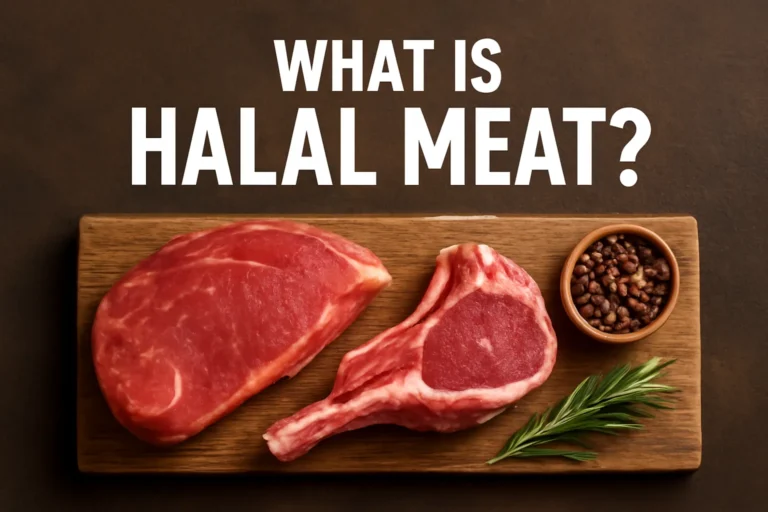
When people explore the question what makes halal meat halal, they encounter a blend of religious principles, animal welfare considerations, and practical industry standards. The word halal itself means permissible, lawful, or allowed within Islamic law, and it covers not only the act of slaughter but also the broader supply chain, including feed, processing, handling, and labeling. This article unpacks the core elements that define halal slaughter, the procedural rules that must be followed to render meat halal, and the role of certification in maintaining trust across different markets and communities. The discussion also situates halal rules in a wider context: how ethical concerns, public health, and market expectations intersect with religious requirements to shape modern practice.
Foundational concepts: what makes something halal, what makes it not
At the heart of the question is a set of clear categories. Understanding these terms helps readers evaluate meat products with confidence:
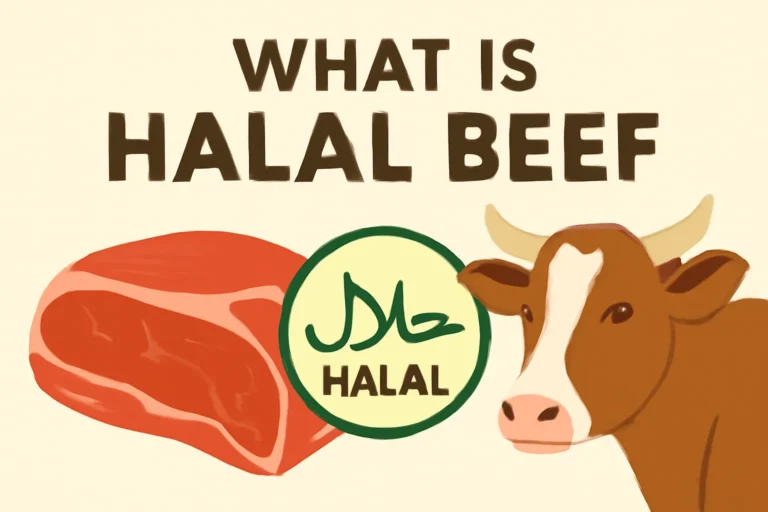
Halal refers to what is lawfully permitted under Islamic law. It applies to food, processes, and handling protocols that conform to religious guidelines.
Haram describes what is forbidden, such as pork products, intoxicants, carrion, and any substance or method deemed prohibited.
Zabihah (often transliterated as zabihah or zabih) designates the specific method of slaughter that renders the meat permissible, assuming all other requirements are met.
Tayyib is a related concept that emphasizes wholesomeness, cleanliness, and ethical quality. It is frequently invoked in discussions about the moral and nutritional character of halal meat.
Certification and standards provide external verification that a product meets the applicable rules across the supply chain.
In practice, many readers encounter the phrase slaughter rules as the hinge that links belief to practice. Those rules specify how the animal must be treated, what must be true at the moment of slaughter, and how the blood is managed. Taken together, these elements distinguish halal meat from other forms of meat in a way that is meaningful to Muslims around the world and to consumers seeking halal products.
Slaughter rules and procedures: the practical and theological core
The slaughter rules for halal are more than ritual words; they are instructions about humane handling, correct technique, and explicit invocation. The exact details can vary by tradition and jurisdiction, but several core requirements recur across major communities:
Invocation and intention: the Bismillah and the intention of halal
Before slaughter begins, the slaughterer should be a mature, sane adult Muslim, though some regions may recognize alternative lawful authorities or licensed practitioners who meet the required standards.
At the moment of slaughter, the name of God should be pronounced—traditionally the recitation of Bismillah or In the name of الله—to fulfill the requirement of divine invocation. This is not merely ceremonial; it signifies consent to the act and acknowledges the sanctity of life.
For many scholars and certifiers, the absence of God’s name would render the meat non-halal, unless a different, jurisdiction-accepted protocol is explicitly allowed by the certifying body.
The animal’s condition and the timing of slaughter
The animal must be healthy, alive and well immediately before the act of slaughter. Illness or distress at the moment of slaughter can compromise the permissibility of the meat.
Some halal guidelines require the animal to be of a specific species and to have certain anatomical features that indicate it is suitable for consumption following slaughter.
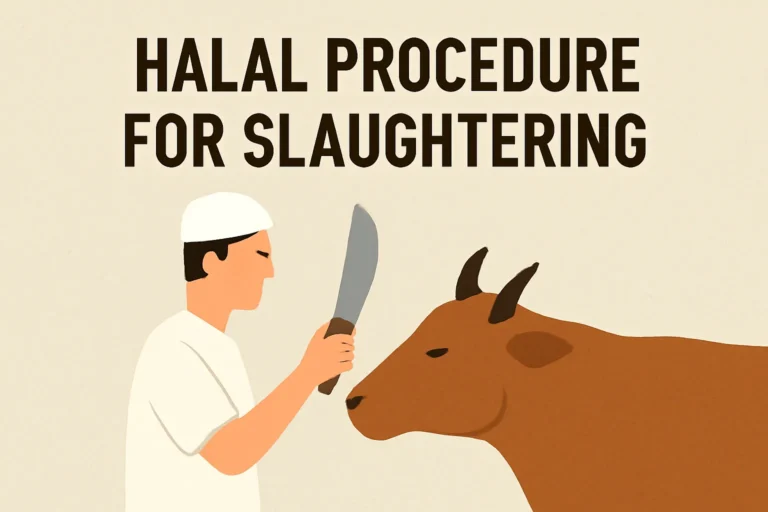
The slaughter must occur with a single decisive cut that severes the major vessels of the neck. The goal is rapid, humane death with efficient drainage of blood, which is an important aspect of the halal process.
Technical method: the blade, the cut, and the blood course
The blade used for the cut should be sharp and clean, reducing suffering and ensuring a swift death. A dull blade can cause prolonged distress and is not acceptable under halal standards.
The cut should be to the neck area, specifically severing the trachea, esophagus, and major blood vessels, while avoiding damage to the spinal cord unless required by local guidelines.
The aim of the procedure is blood drainage after the incision, which is considered part of the purification and proper processing of the meat.
Stunning: a nuanced area with regional differences
Stunning is a topic of ongoing discussion within halal circles. Reversible stunning, where the animal is rendered unconscious temporarily but can recover if not killed, is accepted by some authorities under strict conditions that ensure it does not cause death or long-term harm. Other authorities interpret traditional halal law as requiring no stunning at all or accepting only certain forms of stunning that are carefully controlled. Because certification bodies vary in their rulings, many producers rely on the guidance of their certifier to determine whether a given stunning method is permissible for their products.
Prohibited practices and permissible alternatives
Practices that cause death before the slaughter, or that inflict avoidable suffering without necessity, are generally deemed haram or disallowed under halal guidelines.
Methods that avoid blood contamination, preserve animal dignity, and minimize stress are aligned with both religious expectations and humane standards, which some muslim consumers see as essential to being truly halal.
Cross-contact with non-halal substances, contaminated equipment, or processing lines, is a common reason for a product to be disqualified as halal unless proper cleansing and separation are documented.
Certification and standards: how halal is verified in practice
Even though the religious framework provides the conceptual baseline, the practical assurance of halal status relies on certification, independent audits, and ongoing compliance. Certifications serve to bridge the gap between belief and business, giving consumers confidence about what they buy.
What certification covers
Ingredients and additives: certifiers review every component to ensure it does not contain prohibited substances and that processing aids or flavorings are halal-compliant.
Processing equipment and facility hygiene: equipment is cleaned in accordance with halal standards to prevent cross-contamination with haram products.
Supply chain integrity: traceability from farm to fork ensures that the animal’s origin, feed, and handling meet halal requirements.
Handling and storage: strict separation of halal and non-halal items, proper labeling, and clean storage to prevent mingling.
Slaughter supplier qualifications: slaughterhouses and personnel are trained in halal procedures, and the method of slaughter is verified by the certifier.
Record keeping: documentation of procedures, audits, and corrective actions is maintained to demonstrate ongoing compliance.
Who issues halal certification and how does verification work?
Halal certification is typically issued by specialized organizations that operate under Islamic scholarship and industry practice. These bodies perform on-site inspections, review supplier documentation, and conduct regular audits. The certification may be region-specific or multinational, and it is often accompanied by a recognizable certification seal that appears on packaging and in marketing materials. The seal indicates that the product has met the stated standards and has passed the most recent audit.
Some important elements commonly found in certification programs include:
Regular audits of slaughter facilities, processing plants, and storage areas.
Unannounced visits to verify ongoing compliance.
Requirements for training programs for staff to ensure understanding of halal rules and humane procedures.
Clear rules on cross-contamination prevention and cleaning protocols between halal and non-halal lines.
Establishment of a mechanism for recall and corrective action in case of non-compliance.
How regional variation shapes certification
Because halal practice grows out of diverse cultural and legal landscapes, certifications vary in emphasis and interpretation. In some regions, particularly where laws regulate animal welfare and food safety, halal certification works hand-in-hand with national health and consumer protection standards. In other areas with a strong Muslim diaspora, certification bodies collaborate with local authorities to harmonize halal requirements with existing meat safety frameworks. The result is a system in which certificate validity and the scope of coverage (e.g., single product vs. entire brand) are clearly defined, allowing consumers to understand what their seal means in a given market.
Regional and global perspectives: how halal principles travel across borders
Halal practices have spread far beyond their places of origin, and today consumers in many countries expect halal options across supermarkets, restaurants, and food service. The idea of what makes halal meat halal travels with traders, exporters, and certification bodies, but it also adapts to local environmental conditions, regulatory regimes, and supply chain realities. The following considerations help explain how halal meat remains authentic while meeting global demand:
Global supply chains require robust traceability and standardized documentation to demonstrate halal compliance from farm to plate.
Local mosque communities or Islamic centers often provide guidance, review slaughter practices, and help interpret regional regulations.
Interoperability of certs: many certifying bodies work toward mutual recognition or equivalence to reduce barriers for products that are halal in one market to be accepted in another.
Public health and safety: halal rules overlap with food safety laws, so facilities must meet both sets of standards to operate legally.
Common misconceptions and clarifications about halal meat
Several myths persist around halal meat. Clarifying these points helps consumers make informed choices and reduces confusion in the marketplace:
Myth: Halal means slaughtered without any blessing or care
Reality: The halal slaughter process is often framed as a combination of spiritual obedience and ethical care. It requires intention, proper training, humane handling, and a specific method of slaughter designed to minimize suffering and ensure proper blood drainage.
Myth: Halal is only about the slaughter method
Reality: Halal also encompasses the entire supply chain, including feed quality, processing aids, equipment cleanliness, handling practices, and avoidance of prohibited ingredients. A product labeled halal must meet criteria that go well beyond the moment of slaughter.
Myth: All halal-certified products are identical
Reality: Certification programs can differ in scope and interpretation. Some certify only the meat from a single species, or a particular slaughter method, while others certify a broader set of products and processing facilities. Consumers should read the certificate scope and note the certifier’s name to understand precisely what is halal in that specific case.
Ethical, health, and environmental dimensions of halal slaughter
Halal principles intersect with broader concerns about animal welfare, nutrition, and sustainable farming. The following points illustrate how these dimensions contribute to the broader meaning of halal meat in modern contexts:
Animal welfare is often highlighted in halal discourse as a way to respect life and minimize pain, trauma, and distress for the animal during handling, transport, and slaughter.
Food safety standards—sanitation, cross-contamination prevention, and allergen controls—are typically integrated into halal certification to protect consumers.
Nutrition and purity considerations are part of the tayyib concept, encouraging wholesome, clean, and ethically produced meat.
Environmental stewardship sometimes features in halal discussions, particularly when considering animal welfare practices, feed sources, and processing efficiency that reduce waste and emissions.
From farm to table: tracing the life cycle of halal meat
A thorough understanding of halal meat involves following the product through its entire lifecycle. Each stage presents opportunities to adhere to halal principles and to demonstrate compliance through documentation and certification:
Breeding and feeding: Animals are raised on feed that is free from haram ingredients and maintained in humane conditions. Documentation may cover feed sources, medication, and breeding practices that align with halal expectations.
Transport and handling: Animals should be transported in ways that minimize stress and injury. Proper humane handling at loading and unloading is essential.
Slaughtering: The slaughter procedure, including the blade, the single cut, the invocation, and the immediate slaughtering environment, is the core clinical moment that determines halal status from a religious standpoint.
Processing and packaging: Post-slaughter processing should avoid haram additives, ensure equipment is clean, and prevent cross-contact with non-halal products.
Storage and distribution: Halal products should be stored separately and clearly labeled, with chain-of-custody records to demonstrate ongoing compliance.
Retail and consumer use: Clear labeling, certification marks, and consumer education help individuals identify halal options and understand what the seal guarantees.
Practical guidance for consumers seeking halal meat
For consumers, the practical takeaway is to look for explicit signals of halal compliance and to understand what those signals mean. Here are some actionable steps you can take:
Look for a certification seal from a reputable halal certifier. Check the certifier’s name and confirm the scope of the certification on the product label or packaging.
Read the product’s accompanying documentation or website to understand the scope (which products are halal and under which conditions).
When dining out, ask about the slaughter procedure and whether staff follow halal guidelines, including how cross-contamination is prevented in the kitchen.
Be aware of regional variations in policy on stunning, as some markets accept reversible stunning while others require no stunning at all.
Consider the broader meaning of tayyib, which invites you to think about how the meat was produced, transported, and processed in addition to the slaughter method itself.
Historical and theological background: why these rules matter
The concept of halal has deep roots in Islamic jurisprudence. Across centuries, scholars interpreted Scripture and Prophetic traditions to articulate rules that aim to preserve life, minimize harm, and maintain social trust in food supply. The zabihah method emerged as a standard that balances religious obligation with practical realities of animal slaughter. The balance among intention, technique, humane treatment, and clean processing reflects a broader ethical framework in Islam that emphasizes stewardship, compassion, and responsibility toward living creatures and the community that depends on food for sustenance.
Variations across communities: regional interpretations and modern adaptation
While the central ideas remain stable, there are regional variations in how halal is practiced and certified. Some communities emphasize strict adherence to classical rulings, while others adopt pragmatic adaptations to accommodate supply chain realities, animal welfare advances, and consumer expectations. Key dimensions of variation include:
Species and production lines: Some halal programs cover a wider range of species and product forms (e.g., whole cuts, ground meat, processed products) than others.
Method flexibility: As discussed above, the degree to which stunning is allowed can differ among certifiers and jurisdictions.
Certification recognition: International trade benefits when certifiers are known across borders or when mutual recognition exists between certifying bodies.
Label transparency: Some markets require more explicit labeling of ingredients, processing aids, and potential cross-contact than others.
Case studies: illustrative examples of halal integrity in practice
To illustrate how the principles above translate into real-world practice, consider these hypothetical but representative scenarios that highlight the importance of slaughter rules, certification, and ongoing compliance:
Case study A: A multinational poultry producer seeking halal certification
A poultry producer integrates halal program elements from the farm to packaging. The company implements a robust supplier approval process, ensures feed purity, calibrates slaughter lines to meet zabihah requirements, and maintains segregation between halal and non-halal products. The certification body conducts regular audits, including unannounced inspections, to confirm training, sanitation, and cross-contact controls. The result is a product line that bears a reliable halal seal and consistent consumer confidence across multiple markets.
Case study B: A regional beef slaughter facility navigating regional stunning rules
A regional beef facility operates under divergence in regional thought about stunning. The halal certifier works with the facility to assess whether reversible stunning is permitted within their specific program. After a risk assessment and stakeholder consultation, the facility implements procedures that align with the certifier’s guidance. The product is certified halal, with transparent documentation on the stunning method used, the animal’s health status, and post-slaughter handling.
Conclusion: integrating faith, ethics, and modern food systems
In the end, what makes halal meat halal is a cohesive framework that weaves together spiritual obligation, humane conduct, and rigorous external verification. The notion of zabihah anchors the slaughter moment in a tradition that seeks to honor life and recruit trust among believers and consumers alike. But halal is not merely a ritual prefix; it extends to the entire lifecycle of the product. The certification system—through its audits, documentation, and ongoing oversight—ensures that the meat you buy or eat, whether in a grocery store or a restaurant, has passed through a traceable, ethical, and religiously compliant journey from animal to plate.
For anyone seeking to understand halal meat on a deeper level, it is helpful to remember these key takeaways:
Halal encompasses both the slaughter method and the broader supply chain, including ingredients, processing, handling, and labeling.
The slaughter rules emphasize humane treatment, a sharp blade, a single decisive cut, and a ritual declaration, with regional adaptations regarding the role of stunning.
Certification provides external verification of compliance, helping consumers identify halal products and enabling producers to access diverse markets.
Regional variations reflect a dynamic dialogue among religious scholars, industry professionals, regulators, and consumers, all working toward the shared goal of trustworthy, ethical, and permissible meat.
Ultimately, the question of what makes halal meat halal is answered by looking at the whole system: belief and practice, careful execution of slaughter, conscientious handling of the product, and transparent, verifiable certification. When these pieces fit together, halal meat stands not only as a dietary choice but as a testament to a tradition that values spiritual clarity, compassion for animals, and responsibility to the communities that rely on these foods every day.

Deja una respuesta