Halal Procedure for Slaughtering: A Practical Guide to Islamic Slaughter Methods
Halal Procedure for Slaughtering: A Practical Guide to Islamic Slaughter Methods
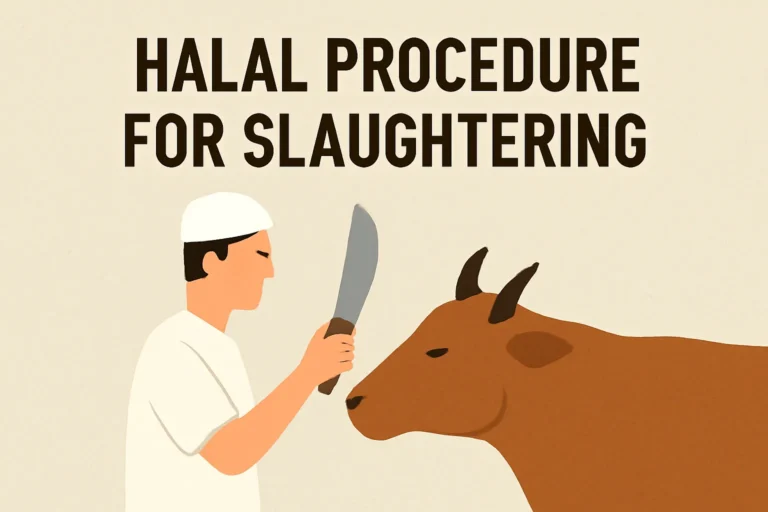
The Halal Procedure for Slaughtering is a framework rooted in Islamic law that governs how animals are killed for food in a manner considered permissible by most Muslim scholars and communities. This article presents a practical guide to Islamic slaughter methods, exploring the essential principles, the preparation required, the step-by-step process, and the variations that exist across different schools of thought and regions. It aims to be informative, respectful, and helpful for practitioners, educators, meat producers, and consumers who seek a clear understanding of what makes a slaughter procedure halal and humane.
At the heart of the zabiha or zabihah tradition is a set of propositions about how food becomes permissible. The steps are designed to ensure that the act of slaughter is performed with intention, blessing, and minimal suffering, while meeting the theological criteria for a creature to be slaughtered in a manner acceptable to Allah. The core requirements usually include: a humane method, the correct invocation of Allah’s name, the animal’s health at the time of slaughter, and the proper handling of blood drainage. While the language and emphasis may vary, the underlying idea is to align meat production with both spiritual and ethical standards.
Definitions and Terminology
Halal – permissible under Islamic law for food and other aspects of life.
Haram – forbidden or impermissible under Islamic law.
Zabiha / Zabihah – the method of slaughter that follows halal rules.
Tasmiyah – the invocation of Allah’s name at the moment of slaughter.
Dhabiha – another form of transliteration referring to the same concept of permissible slaughter.
Blade quality – the requirement that a sharp, clean knife be used to minimize suffering.
Single-cut method – the principle that the animal is killed with a swift, uninterrupted stroke in most traditional formulations.
Pre-Slaughter Preparations and Ethical Considerations
Good preparation is essential to ensure that the slaughter process aligns with both religious requirements and animal welfare standards. The aim is to reduce fear, stress, and pain for the animal, while ensuring that the meat remains clean and wholesome. The pre-slaughter phase covers animal sourcing, health checks, transport conditions, housing, and the immediate environment before the slaughter is performed.
Animal Welfare and Handling
Choose healthy, well-rested animals that are free from illness or injury that would render the meat non-halal or unsafe.
Provide a calm, low-stress environment during handling and movement toward the slaughter area.
Avoid loud noises, rough handling, or rough restraint methods that could cause distress.
Use humane restraints that limit movement without causing injury.
Health Checks and Standards
Animals should be inspected before slaughter to confirm they are fit for slaughter and disease-free.
Facilities often adhere to national or international animal-welfare standards to ensure humane treatment.
Documentation and traceability help verify the halal status and humane handling of the animal.
Pre-Slaughter Stance on Stunning
One of the most debated topics in halal slaughter practice is the issue of stunning. Different communities and jurists adopt varying interpretations regarding whether stunning is permissible, and if so, what forms are acceptable. The main positions include:
No stunning (non-stunned slaughter) in which the animal is killed without prior stunning, in line with certain traditional rulings.
Reversible stunning or non-lethal stunning that allows the animal to recover if it is not slaughtered immediately, depending on jurisdiction and interpretation.
Electrical or gas stunning under controlled conditions that do not cause death prior to the halal cut, accepted by some authorities with defined limits.
It is important for producers, inspectors, and consumers to understand the local religious rulings (fiqh), national regulations, and certification requirements when discussing stunning in halal slaughter.
The Slaughter Procedure: Step-by-Step Overview
The slaughter procedure in halal practice is defined by a sequence of actions intended to render the animal permissible while ensuring the process is swift, humane, and compliant with religious duties. While regional and scholarly variations exist, the following outline highlights the typical elements of the practice commonly associated with halal butcheries and farms.
Invocation and Intent
Before the cut, the butcher must intend to perform a zabiha and say the Tasmiyah, usually the phrase “Bismillah” and “Allahu Akbar”, to invoke Allah’s name for a permissible act.
The animal’s status (healthy, non-diseased) and the suitability of the procedure are confirmed prior to cutting.
The Cutting Technique
The core of the procedure involves a single, swift, precise incision using a sharp knife or blade. While the exact technique can vary, common principles include:
The cut is typically a single, uninterrupted stroke that severs the trachea, esophagus, and both carotid arteries to facilitate rapid blood drainage and brain activity cessation in a humane way.
Knife quality is essential; the blade must be clean, narrow, and very sharp to minimize pain and tissue damage.
The hand that holds the knife should be steady, and the blade should enter the neck with a direct, smooth motion.
Blood Drainage and Post-Cut Handling
After the cut, the animal should bleed out promptly. Proper drainage is considered an important sign that the process has been conducted in accordance with halal rules. The body should be left in a position or environment that promotes complete blood loss, and handling should avoid unnecessary agitation.
Post-Slaughter Verification
In many modern facilities, post-slaughter checks are conducted to ensure that the animal was slaughtered in compliance with halal standards. This may include:
Documentation of the invocation and the procedure used.
Verification of the swift cut and absence of signs indicating prior death before the incision.
Record-keeping that supports traceability and certification for halal status.
Variations in Halal Slaughter Practices
Across regions and communities, there are differences in how the halal slaughter procedure is implemented. These variations reflect different interpretations of Islamic law, local customs, and regulatory requirements. It is useful to understand several common variations to appreciate the breadth of practice within the broader framework of religious slaughter.
Localized Interpretations of Zabihah
In some communities, the zabihah method emphasizes the single-cut principle with minimal restraint and a strong emphasis on the invocation of God. In other contexts, there may be allowances for alternative humane techniques that still respect the core halal criteria, provided they do not cause death before the slaughter cut.
Stunning Variants Across Jurisdictions
In certain countries and communities, pre-slaughter stunning is widely accepted if it does not kill the animal and the subsequent slaughter fulfills halal requirements.
In other places, the preference remains for no prior stunning, aligning with traditional interpretations of zabiha.
Certification bodies often set specific guidelines to harmonize regional practice with halal standards, including definitions of acceptable stunning methods and verification processes.
Ritual Language and Education
Some traditions place a strong emphasis on the exact wording of the invocation, while others focus more on the presence of intention and the ethical handling of the animal. The educational emphasis can differ, but in all cases the goal is to uphold the sanctity of the act, protect animal welfare, and ensure compliance with halal certification requirements.
After the animal is slaughtered, the subsequent processing steps are critical to maintaining halal integrity. Cleanliness, separation from non-halal products, and careful handling through processing, packaging, and storage help ensure that halal status is preserved until the meat reaches the consumer.
Facility Design and Hygiene
Facilities should be designed to prevent cross-contamination between halal and non-halal products.
Sanitation protocols, proper waste disposal, and pest control are essential to uphold standards of cleanliness.
Staff training in halal practices and humane handling improves compliance and quality control.
Labeling and Certification
Halal-certified products typically include a logo or certificate that confirms compliance with specific halal standards.
Certification bodies evaluate and audit facilities for adherence to slaughter methods, sanitation, and traceability.
Consumers rely on these certifications to identify products that align with their religious and ethical expectations.
There are several pervasive myths around halal slaughter that merit careful clarification. A clear understanding helps prevent misunderstanding and promotes informed choices among consumers and professionals alike.
Myth: Halal Slaughter is Always Painful for the Animal
Reality: When performed correctly using a sharp blade and humane handling, the process aims to minimize pain and stress. The emphasis on rapid blood loss and instant invocation is intended to create a humane and dignified slaughter experience within the permissible framework.
Myth: Halal Slaughter Requires No Pre-Slaughter Checks
Reality: Humane handling, animal welfare, and health checks are commonly integrated into halal slaughter settings. Quality assurance and certification bodies require documentation of health status, preparation, and adherence to procedure.
Myth: All Halal Slaughter Permits Any Method
Reality: While there is variation, most widely accepted halal practices share core elements: intentional invocation, proper technique, healthy animal, and humane handling. Extreme deviations from these principles are not considered halal by the majority of jurists.
Regional customs and ethical frameworks influence how halal slaughter is implemented. Some regions emphasize strict adherence to traditional methods, while others integrate modern animal-welfare standards and laboratory testing to assure product safety and authenticity. These regional variations reflect the dynamic nature of halal practice as communities adapt to evolving food systems, regulatory environments, and consumer expectations.
Integration with Modern Food Systems
In modern meat production, the challenge is to balance religious requirements with industrial efficiency. This includes ensuring traceability, maintaining halal integrity through the supply chain, and applying best practices for animal welfare within large-scale operations. Collaborations between religious scholars, veterinarians, and industry professionals help harmonize faith-based standards with contemporary food safety practices.
Community Perspectives and Education
Communities differ in how they view certification, animal welfare, and ritual language. Education programs for farmers, butchers, and consumers can clarify expectations, promote humane handling, and improve confidence in halal products. Clear communication about accepted methods and regional variations helps prevent confusion and supports informed decision-making.
Whether you are a producer, an inspector, a butcher, or a consumer, the following practical considerations can help you navigate halal slaughter responsibly. The goal is to support both religious observance and welfare standards while facilitating transparent, humane, and hygienic meat production.
Develop and follow a standard operating procedure (SOP) that reflects the local halal requirements and applicable animal-welfare laws.
Train staff in humane handling, proper knife techniques, and the invocational aspects of the slaughter process.
Ensure proper equipment maintenance, including sharpening blades, sanitation schedules, and restraint devices that minimize distress.
Implement robust traceability from farm to fork, with documentation of the animal’s health status, movement, and processing steps.
For Inspectors and Certifiers
Verify that the invocation is performed and that the slaughter method adheres to agreed-upon halal standards.
Confirm that the animal is alive and healthy at the time of slaughter and that bleeding is adequate for meat preparation.
Audit facility hygiene, equipment maintenance, and segregation of halal and non-halal lines.
For Consumers and Communities
Look for credible halal certifications that align with your beliefs and local practices.
Ask questions about stunning policies, knife quality, and handling procedures if you have concerns.
Support producers who demonstrate a strong commitment to animal welfare and ethical handling.
What makes a slaughter method halal?
Generally, a method is halal when the slaughter is performed with a swift, single incision following the invocation of Allah’s name, the animal is healthy at the time of slaughter, and the blood is allowed to drain. There may be regional variations regarding stunning, blade type, and handling, but the core elements are widely recognized across halal practice.
Stunning is a subject of debate among scholars. Some communities permit reversible stunning or certain types of electrical or gas stunning under strict conditions that do not kill the animal prior to slaughter. Others prefer no stunning at all. Always consult the local authority, religious authority, or certification body to confirm acceptable practices in your area.
What should I look for on a halal-certified product?
Look for certification marks from recognized halal-certifying bodies, which typically indicate that the product has been produced under supervision and complies with defined halal standards, including humane handling, proper invocation, and clear traceability.
The halal procedure for slaughtering is a nuanced practice that blends spiritual duties, ethical considerations, and practical realities of meat production. The guiding ideas—intentional invocation, a swift and humane single-cut method, proper drainage of blood, and careful post-slaughter handling—form a framework that many communities around the world strive to uphold. Variations exist, reflecting different scholarly interpretations, regulatory environments, and cultural norms. By understanding these principles and engaging with credible certification and education programs, stakeholders can support humane treatment of animals, maintain religious compliance, and provide halal products that align with consumer expectations. In this ongoing dialogue between faith and practice, the ultimate aim remains clear: to honor the sanctity of life while fulfilling the responsibilities of responsible stewardship and respectful nourishment.




Deja una respuesta