Introduction: The Growing World of Halal-Certified Beauty
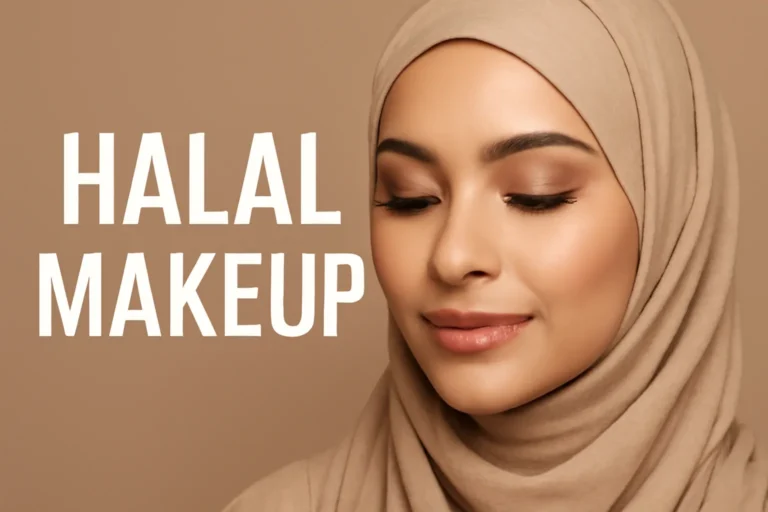
In recent years, the landscape of cosmetic halal has expanded far beyond niche markets. Consumers around the world are seeking halal-certified makeup and halal-certified skincare that align with religious beliefs, ethical values, and quality expectations. This guide offers a comprehensive overview of what halal cosmetics are, how certifications work, the terminology you will encounter, and practical steps for assembling a complete, dependable halal beauty routine. Whether you are new to halal beauty or you are looking to deepen your understanding of kosmetik halal (as some regions say), you will find clear explanations, actionable tips, and reliable references here.
What is halal in cosmetics, and how does it differ from other labels?
The term halal refers to items that are permissible under Islamic law. When applied to beauty products, it means that neither the ingredients nor the processing involve substances that are haram or generally considered forbidden, such as porcine derivatives or alcohol in certain concentrations. However, the halal standard goes beyond merely avoiding forbidden ingredients; it also encompasses the way products are manufactured, tested, and labeled. In short, halal cosmétique implies a holistic approach to compliance—one that considers ingredients, processing aids, contamination risk, and consumer transparency.
Key terms you will encounter in the halal cosmetics field
As you explore the market, you will meet a variety of terms that describe different aspects of halal beauty products. Understanding these will help you compare products more confidently:
Halal-certified makeup — cosmetics that have undergone an audit by a recognized halal certifier and carry an official mark on packaging.
Halal certificate — a document or seal indicating compliance with halal standards.
Halal skincare — skincare products that meet the same halal criteria as makeup.
Permitted ingredients — substances allowed under halal law, excluding haram components.
Harum ingredients — ingredients considered forbidden (e.g., certain animal derivatives or alcohol in specific contexts).
Certification bodies — independent organizations that inspect supply chains, manufacturing processes, and product formulations.
Ingredient traceability — the ability to identify the source and processing history of components used in a product.
Tayyib — a broader concept from Islamic ethics that describes wholesome, pure, and ethically produced goods; many halal brands aspire to Tayyib standards in addition to halal.
Standards, certifiers, and how certification works
The halal beauty market is governed by a network of certifiers that operate under regional, national, or international frameworks. While the specific criteria can vary by certifier, most programs share common elements:
Ingredient vetting: Every component is reviewed for halal compliance, including processing aids, solvents, and catalysts used during manufacturing.
Supply chain audit: Producers must demonstrate traceability from raw materials to finished products, ensuring no cross-contamination with haram substances.
Manufacturing controls: Facilities may be inspected for cleanliness, segregation of halal and non-halal production lines, and adherence to good manufacturing practices (GMP).
Allergen and safety considerations: While safety is universal, halal certifiers also verify that no prohibited substances are introduced through cross-contact or contamination.
Labeling and claims: Products must accurately reflect halal status, with credible claims and branding supported by documentation.
Periodic surveillance: Certification is not a one-time event; ongoing audits ensure continued compliance.
In practice, you may see seals from bodies such as JAKIM in Malaysia, MFDS in some regional contexts, MUI in Indonesia, or independent organizations with global outreach. Some brands also pursue multiple certifications to access diverse markets. When evaluating a product, look for:
The official halal certificate or seal on the packaging or product page.
A clear statement of the certifier’s name and contact details, so consumers can verify authenticity.
Traceable ingredient lists and batch codes that align with the certifier’s database.
Common ingredients to avoid and safe, halal-friendly alternatives
Many questions around halal cosmetics center on ingredients. Some substances are universally avoided in halal markets, while others may be acceptable in certain contexts but restricted by specific certifiers. A practical approach combines general guidance with brand-specific disclosures.
Ingredients typically avoided in halal makeup and skincare
Porcine-derived ingredients (gelatin, glycerin sourced from porcine origins, stearic acid from pork, etc.).
Alcohol in formulations where it is a critical solvent or processing agent, or where high concentrations are considered beyond what is permissible by a certifier.
Premixed animal fats or fats derived from animals not slaughtered according to halal methods.
Non-halal animal-derived collagen or enzymes when there is uncertainty about the source.
Harām colorants or additives that have questionable origin or use prohibited by the certifying body.
Unlabeled or cross-contaminated ingredients that may come into contact with haram substances in manufacturing or packaging processes.
Halal-friendly ingredient options often used as alternatives
Vegetable glycerin (derived from halal-certified sources) as a safe humectant and solvent.
Synthetic colors and approved plant-based pigments that avoid animal-derived dyes.
Glycerin (vegetable origin) and propylene glycol from halal-certified pathways when used as solvents or humectants.
Non-alcohol-based preservatives that meet safety standards and halal guidelines.
Beeswax and other plant-derived waxes when sourced from halal-certified suppliers, with attention to processing aids.
How halal cosmetics compare with vegan and cruelty-free labels
The halal landscape often overlaps with vegan and cruelty-free categories, but the labels represent different commitments. Understanding the distinctions helps you navigate product claims more accurately:
Halal cosmetics focus on compliance with Islamic dietary and ethical rules, including the prohibition of haram ingredients and the assurance of proper handling throughout supply chains.
Vegan cosmetics avoid all animal-derived ingredients, regardless of certification for Islamic law. A vegan label does not automatically guarantee halal compliance if alcohol or other haram substances are involved.
Cruelty-free refers to the absence of animal testing, but it does not address the origin of ingredients or the processing methods for halal compliance.
Many products aim to satisfy multiple criteria simultaneously, offering halal-certified, vegan, and cruelty-free status. When in doubt, read the ingredient panel, verify with the certifier, and check for the presence of a documented halal seal.
The certification process: from the factory floor to the consumer’s shelf
The journey of a product becoming halal-certified typically follows a structured path. While the exact steps vary by certifier, the framework commonly includes:
Initial product assessment — evaluate the formula against halal ingredients and permissible processing aids.
Ingredient sourcing audit — verify suppliers, raw material certificates, and origin documentation.
Manufacturing facility audit — inspect production lines, segregated storage, and cross-contamination controls.
Certification decision — the certifier issues a halal certificate if all criteria are met.
Surveillance and renewal — periodic re-audits ensure ongoing compliance and address any changes in ingredients or processes.
Labeling and traceability — products must display the certifier mark and provide access to traceability information for consumers.
For brands, obtaining halal certification can unlock access to vast consumer markets, increase brand trust, and contribute to consistent quality standards across product lines.
How to read labels and verify authenticity
Reading the label is a fundamental skill for any consumer seeking trustworthy halal beauty products. Here are practical tips to verify authenticity:
Look for a certification seal from a recognized halal authority on the package or the product page.
Check the certificate number and the certifier’s contact details if you want to verify directly.
Read the ingredient list carefully for any haram or uncertain items (e.g., certain alcohols, animal derivatives, or synthetic additives with unclear sourcing).
Verify the origin of ingredients and ensure traceability to halal-certified suppliers.
Be mindful of cross-contamination cautions and packaging that indicates “halal production line” or “halal handling” disclosures.
Categories of halal cosmetics: makeup and skincare explained
The halal beauty market covers the full spectrum of cosmetic products, from daily skincare to color cosmetics. Below is a practical overview of commonly sought products and what to look for:
Halal makeup essentials
Foundation — seeks long-wearing formulas with halal certification and non-irritating pigments.
Concealer — lightweight, safe ingredients with clear labeling about origin of colorants.
Powder — pressed or translucent options with halal-compliant binders and minimal risk of contamination.
Blush and bronzer — natural or mineral pigments from halal-certified suppliers.
Eyeshadow — a wide range of shades with halal-compliant colorants and safe preservatives.
Eyeliner and mascara — formulations designed to be smudge-resistant while avoiding haram solvents or animal-derived waxes unless certified as halal.
Lipstick and lip gloss — color payoff achieved with halal-approved pigments and conditioning agents.
Nail polish — consideration for halal status depends on solvents and additives; some brands pursue halal certification for the entire line.
Halal skincare and personal care
cleansers — gentle formulations that spare harsh alcohols and questionable emulsifiers.
moisturizers — nourishing bases with halal-certified actives and avoid haram fats.
Sunscreens — physical or chemical filters that comply with halal requirements and safety standards.
Serums — active ingredients chosen with halal sourcing in mind, including vitamin C, hyaluronic acid, or niacinamide from compliant suppliers.
Masks — clay, sheet, or peel-off formats using halal ingredients and safe preservatives.
Exfoliants — gentle formulations that respect skin health and rely on halal-approved exfoliating agents.
Ethics, sustainability, and consumer expectations in halal beauty
Beyond ingredient compliance, many consumers expect ethical and sustainable practices from halal beauty brands. The concept of Tayyib emphasizes wholesomeness, purity, and responsible production. This means:
Ethical sourcing and fair labor practices in supply chains.
Transparent ingredient disclosure and honest marketing claims.
Environmentally responsible packaging and reduced waste.
Commitment to animal welfare where applicable (e.g., avoiding animal testing, selecting cruelty-free options when possible).
When brands align halal certification with ethical practices, they often gain broader appeal. Consumers increasingly expect brands to articulate:
Where ingredients come from and how they are processed.
How packaging materials are sourced and recycled.
How the company handles sustainability reporting and impact disclosures.
Practical steps to build a reliable halal routine
If you are formulating a halal beauty routine, consider a structured approach. The following steps can help you choose products with confidence and maintain consistency across your regimen:
Define your priorities — skin type, climate, and how strict you want halal compliance to be across your line.
Research certifiers — identify which halal authorities are recognized in your region and by brands you trust.
Review ingredient panels — learn to recognize common haram items and know which ingredients are typically from halal-certified sources.
Inspect certifications — verify seal validity, certificate numbers, and expiry dates.
Test products thoughtfully — if possible, obtain samples to evaluate skin compatibility before committing to a full routine.
Document your routine — keep notes on product brands, certifiers, and batch codes for easy recalls or changes.
Increased certification penetration — more mainstream brands pursue halal certification to access diverse consumer segments.
Digital transparency — brands publish halal compliance information online, including ingredient sourcing and supplier attestations.
Personalization — consumers seek halal options tailored to sensitive skin, ethical preferences, and fragrance-free formulations.
Regional variations — different certifiers and regional preferences influence product lines and labeling conventions.
Education and awareness — ongoing consumer education helps people understand what halal means in cosmetics beyond surface-level labels.
Myths vs. realities in halal cosmetics
Like any growing sector, halal cosmetics come with misconceptions. Here are common myths and their realities:
Myth: Halal-certified means identical to vegan. Reality: Halal focuses on compliance with religious and ethical standards, which may include animal-derived ingredients that are permitted under halal rules but not necessarily vegan.
Myth: Halal products are always more expensive. Reality: Pricing varies widely; while some niche products may carry a premium, there are affordable halal options across price ranges.
Myth: Halal certification is the same everywhere. Reality: Certification standards and recognized certifiers differ by country and region, so it’s important to verify the certifier and the scope of certification.
Myth: Halal cosmetics are less effective. Reality: Effectiveness is determined by formulation quality, not the halal status, and many halal products perform as well as conventional counterparts.
Case studies: examples of successful halal cosmetic brands and products
Across markets, several brands have built strong reputations for combining high performance with robust halal certification. While I cannot list every brand, typical examples illustrate how certification, transparency, and consumer engagement create trust:
Brands with clear, publicly accessible certification documentation and easy-to-check certifier databases.
Lines that dedicate specific products to halal compliance, with full ingredient disclosure and no gray areas.
Comprehensive packaging labeling that includes batch codes, origin of ingredients, and upkeep of halal status across product lifecycles.
FAQs: practical guidance for shoppers and enthusiasts
Here are answers to some of the most commonly asked questions about halal cosmetics and halal skincare:
Q: How can I be sure a product is truly halal-certified? A: Check for an official seal, verify the certifier, and look for a certificate or verification number on the brand’s site or packaging.
Q: Does halal certification cover all products in a brand’s line? A: Not always. Some brands certify specific products or lines; others certify entire ranges. Confirm per product if needed.
Q: Can I use halal makeup if the products were tested on animals? A: Many certifiers prioritize humane practices; however, animal testing policies vary. Look for additional cruelty-free claims if that matters to you.
Q: Is it safe to switch to halal cosmetics if I have sensitive skin? A: Start with fragrance-free or hypoallergenic formulations that carry halal certification and test patch tests before full use.
Q: Are halal products always suitable for Muslim travelers or Muslims living abroad? A: Yes, the certification aims to provide consistency across borders, though you should still check the local certifier acceptance and labeling conventions where you travel.
Conclusion: cultivating trust and quality in halal beauty
The field of cosmetic halal is about more than meeting a checklist. It is about creating a reliable ecosystem where ingredient sourcing, manufacturing practices, testing, and transparent labeling cohere to deliver products that people can trust for daily use. As the market continues to evolve, consumers benefit from greater choice, clearer information, and brands that commit to the principles of halal, Tayyib, and ethical care. Whether you are shopping for halal-certified makeup, halal skincare, or a complete halal beauty routine, the goal remains the same: choose products that respect your values, perform as claimed, and are backed by credible, accessible certification.




Deja una respuesta