Introduction: Grown Meat in a Lab, a New Frontier for Food
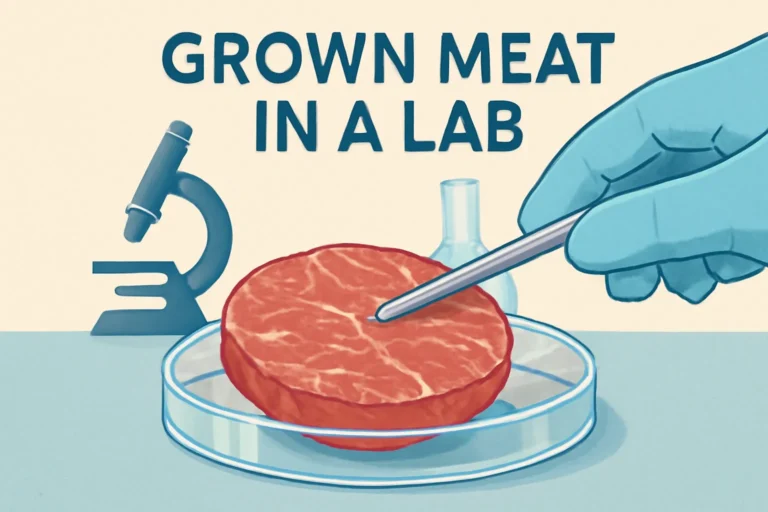
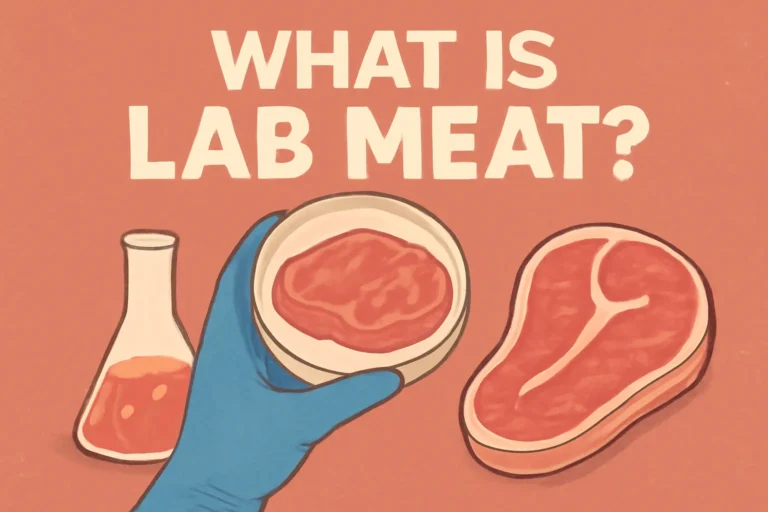
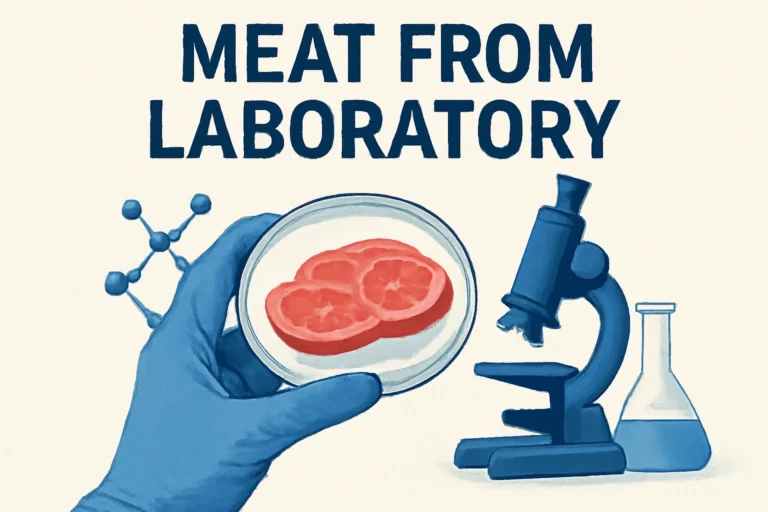
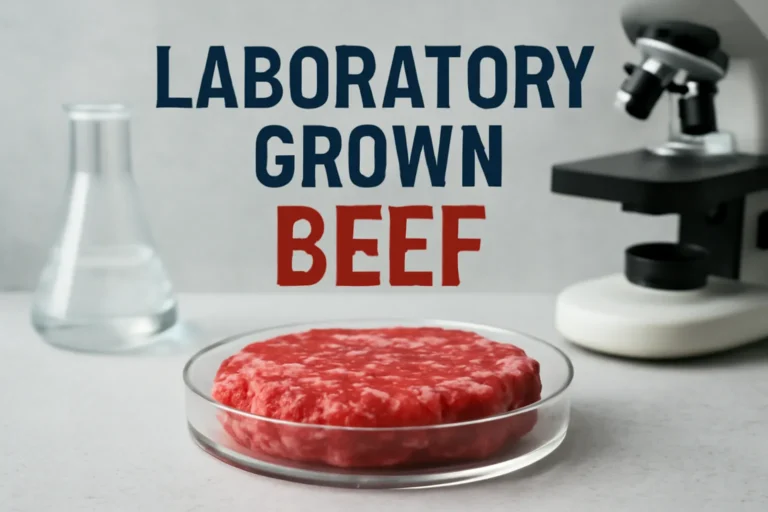
The idea that lab-grown meat, cultured meat, or cell-based meat could someday dominate our plates has moved from science fiction toward a tangible industry. In its simplest form, this category of food grows animal cells outside the animal itself, usually in a controlled laboratory or bioreactor environment. The goal is to reproduce the taste, texture, and nutritional profile of traditional meat while reducing some of the external costs, such as greenhouse gas emissions, land use, and animal welfare concerns. In this guide, you will find a comprehensive overview of what grown meat in a lab is, how it is made, the main scientific and engineering challenges, the potential implications for society, and the path ahead for commercialization and policy.
Throughout this article, you will encounter variations of the phrase that describe this exciting field: lab-grown meat, cultured meat, cell-based meat, in vitro meat, and tissue-engineered meat. While terminology differs among researchers and companies, the underlying concept remains the same: reproducing animal muscle tissue from cell lines rather than from slaughtered animals. The breadth of possibilities includes not only beef or chicken, but also seafood, pork, and exotic species, all produced with increasingly sophisticated science and engineering.
What is grown meat in a lab?
Definitions and terminology
In public discourse, several synonyms are used interchangeably, yet each emphasizes a slightly different angle:
Lab-grown meat highlights the setting where cells are cultured outside an animal body.
Cultured meat emphasizes the cell culture process and the persistence of living tissue.
Cell-based meat stresses the cellular origin of the product, often including scaffolds that guide tissue structure.
In vitro meat reflects the laboratory culture aspect, taken from the Latin terms for “in glass.”
Tissue-engineered meat foregrounds the role of biomedical engineering in shaping tissue architecture and texture.
All of these concepts describe the same fundamental approach: deriving animal tissue from cells rather than from a whole animal. The field is interdisciplinary, drawing on cell biology, biochemistry, bioreactor engineering, biomaterials, and supply chain logistics. The result is a potential product that looks, tastes, and cooks like conventional meat but is produced through a different route.
History and milestones
Early experiments
The idea of growing animal tissue outside the body has roots in tissue engineering and regenerative medicine. In the late 20th and early 21st centuries, researchers demonstrated the feasibility of cultivating muscle fibers from animal cells for therapeutic purposes. It wasn’t until the 2000s and 2010s that the idea of using similar techniques to produce food began to emerge in earnest. Early demonstrations showed that muscle cells could be cultured to form edible tissue, though the texture, flavor, and cost were far from commercial viability at that stage.
Key milestones
First public demonstrations of lab-grown meat tasting like conventional beef and chicken—though far from cost parity.
Advances in cell sources that allowed multiple cell types (myocytes, adipocytes) to develop within a single tissue construct.
Development of scaffolds and biomaterials that provided structure and texture, enabling more realistic muscle architecture.
Adoption of serum-free media and defined growth media to reduce animal-derived inputs and improve reproducibility.
Progress in bioreactors and process scale-up to move from milliliters to liters and beyond.
The foundation of any grown meat product is the cell line. Scientists typically begin with a myogenic precursor or muscle stem cell that can repeatedly divide and differentiate into muscle tissue. Important considerations include:
Choosing cell donors with desirable growth characteristics and stability over many passages.
Using adipogenic cells in addition to muscle cells to enhance marbling and flavor.
Ensuring cells maintain the ability to form muscle fibers and connective tissue during expansion.
Culture media and scaffolds
To proliferate and differentiate, cells require a carefully crafted environment. Traditionally, some culture systems relied on animal-derived sera, but modern approaches emphasize chemically defined media and serum-free formulations to improve safety and scalability. Scaffolds provide a three-dimensional framework for cells to organize into tissue, mimicking the alignment and texture of natural meat.
Bioreactors and scale-up
Bioreactors create controlled environments for cell growth, including the regulation of temperature, pH, oxygen, and nutrient supply. As production scales from bench-top experiments to pilot plants, engineers optimize mass transfer and mechanical stimuli to encourage proper tissue formation. The interplay between bioreactor design and tissue mechanics is central to achieving uniform texture and fat distribution.
3D bioprinting and tissue engineering
Some teams incorporate 3D bioprinting to deposit cells, scaffolds, and biomaterials in precise patterns, guiding the architecture of the final product. This technique holds promise for customizing texture, fat distribution, and even flavor precursors. While not universal, tissue engineering approaches are increasingly being integrated into product development pipelines.
From lab to table: production processes and product design
Step-by-step overview
Source a stable cell bank of muscle and fat precursor cells.
Grow cells in defined media under controlled culture conditions until you reach the desired density.
Culture cells on scaffolds or in 3D gels that promote tissue formation.
Induce differentiation to form muscle fibers, fat cells, and connective tissue as needed.
Harvest tissue and subject it to finishing steps, such as shaping, marbling enhancement, and thermal preparation guidelines.
Apply any final processing, such as seasoning or curing, while maintaining product safety and quality.
Benefits and potential impacts
Environmental and animal welfare considerations
One of the strongest arguments for grown meat in a lab is its potential to reduce environmental burdens. If scalable, this approach could lower greenhouse gas emissions, land use, and water use associated with traditional livestock farming. Additionally, the animal welfare implications are significant for many advocates: fewer animals may be raised or slaughtered for meat, which could transform rural livelihoods and animal care standards.
Potential lower emissions and improved climate performance.
Reduced pressure on arable land and biodiversity impacted by pasture and feed crop expansion.
Elimination or reduction of animal welfare concerns linked to conventional farming practices.
Public health and food safety
Laboratory-derived meat offers opportunities to optimize nutrient profiles and reduce risks associated with pathogens and antibiotic use in livestock. However, ensuring robust safety systems is essential, as with any food product. The ability to control growth conditions could enable tighter oversight of contaminants and allergens.
Nutrition and diet diversity
As production evolves, product developers may tailor fat content, amino acid profiles, and cholesterol levels to meet dietary needs. This level of control could support healthy eating patterns while maintaining the sensory qualities that consumers expect from meat.
A central question for lab-grown meat is whether it can reach price parity with conventional meat. Early prototypes were expensive to produce, but the industry has been steadily reducing costs through process optimization, automation, and scale economies. The trajectory typically follows costs for raw materials, energy, equipment, and labor, all of which are influenced by regulatory timelines, public funding, and consumer demand.
Market readiness and consumer adoption
For broad acceptance, taste, texture, and price must align with consumer expectations. Early product trials emphasize sensory parity with traditional meat and the ability to offer clear advantages, such as sustainability or animal welfare. Market adoption will be shaped by branding, media narratives, and trust in the supply chain.
Regulatory and policy landscape
Regulatory bodies and safety assessment
Governments and international bodies are developing frameworks to assess the safety, labeling, and environmental claims of cultured meat products. In the United States, agencies like the FDA and USDA commonly collaborate on product evaluation, while in the European Union, authorities pursue rigorous safety assessments and clear labeling standards. The labeling, marketing claims, and origin disclosure are central topics in policy discussions.
Labeling, nutrition, and marketing claims
Clear labeling is essential to inform consumers about how the product was produced and its nutritional profile. Regulators may require disclosure of:
Origin of cells and materials
Presence of any animal-derived components in growth media
Nutrition facts and allergen information
Environmental impact comparisons and life-cycle assessments
Ethical and social implications
Animal welfare and farmer communities
The shift from traditional farming to cell-based production could change animal welfare norms and affect rural livelihoods. For some farmers, the transition may present opportunities to diversify income streams, while others may face disruption. Ethical considerations also extend to how technology is deployed, who benefits, and how unintended consequences are addressed.
Equity, access, and global considerations
As with any disruptive technology, equitable access and distribution are critical. Policymakers and industry leaders should address questions such as:
How will lower-income regions access affordable lab-grown products?
Could localization of production facilities reduce transport emissions and create jobs?
What safety and cultural considerations arise for a global palate?
Public perception, communication, and misinformation
Public acceptance is influenced by how information is communicated, the perceived naturalness of the product, and the framing around environmental and health claims. Transparent, evidence-based communication is essential to avoid misinformation and to help consumers understand the benefits and trade-offs of cultured meat.
Challenges and criticisms
Technical hurdles
Despite rapid progress, several technical challenges remain. These include achieving tissue architecture that replicates the texture of different cuts, improving fat distribution, ensuring consistent flavor, and avoiding contamination in large-scale production. Additionally, cost reduction must continue through innovations in growth media, scaffold design, and highly efficient bioreactors.
Regulatory and safety concerns
Regulators require robust safety data before consumer products can enter the market. The complexity of cultured tissues means that safety assessments may need to consider unique risks, such as bioprocess contaminants or novel materials in scaffolds. Companies must demonstrate traceability and rigorous quality control throughout the supply chain.
Environmental and ethical debates
Some critics question whether lab-grown meat delivers the promised environmental benefits when energy intensity and inputs scale up. Others argue for more emphasis on reducing overconsumption and improving entire food systems rather than focusing solely on a single technology. Engaging diverse stakeholders in open dialogue helps address concerns about environmental footprints and social justice.
Public-private partnerships to pilot small-scale cultured beef and chicken products with consumer tastings and nutritional labeling.
Collaborations between food companies and universities to refine scaffolds and media formulations for cost reduction.
Regional pilot plants experimenting with local feedstocks and energy sources to reduce life-cycle emissions.
Quality, safety, and reliability: evaluating claims
When assessing claims about lab-grown meat, consider several criteria:
Traceability of materials from cell lines through processing.
Evidence of quality control and food safety testing across batches.
Independent life-cycle assessments comparing environmental impact to conventional meat.
Clarity about any animal-derived inputs in growth media or breaking down components.
Future outlook and scenarios
Paths to scale and mainstream adoption
The trajectory of cell-based meat products depends on continued advances in biotechnology, manufacturing, and policy. Several plausible scenarios exist:
Near-term niche products target premium markets, educational tastings, and animal welfare supporters while costs remain higher than conventional meat.
Mid-term lines move toward broader consumer accessibility as bioreactor efficiencies improve and media inputs become cheaper.
Long-run scenarios foresee widespread production of multiple protein categories, including red meat, poultry, seafood, and processed form factors, with integrated labeling and environmental accounting.
Ethics, policy, and governance: shaping the trajectory
Responsible governance will be crucial as the field matures. This includes transparent reporting of environmental metrics, strict safety testing, ethical sourcing of starter cells, and fair labor practices in the supply chain. Encouraging dialogue among farmers, consumers, scientists, ethicists, and policymakers will help navigate the social implications of adopting cultured meat technologies.
How to engage with this technology as a consumer, entrepreneur, or researcher
If you are a consumer
Consider trying products that are clearly labeled, understand their nutritional profiles, and compare environmental claims with independent life-cycle data. Recognize that claims vary by product and that certification programs may emerge to verify authenticity and safety.
If you are an entrepreneur
Opportunities exist across a spectrum from basic research to full-scale manufacturing and retail. Key areas to watch include media optimization, cost-reduction strategies, supply-chain resilience, and consumer education campaigns that address taste and health concerns.
If you are a researcher
The field thrives on interdisciplinary collaboration. Areas of ongoing exploration include improving tissue maturation, refining biofabrication techniques, developing affordable, defined growth media, and exploring alternative scaffolds that enhance texture while maintaining safety and compliance.
Conclusion: what this guide means for the future of food
Grown meat in a lab represents a bold and complex intersection of biology, engineering, economics, and ethics. While challenges remain—technical, regulatory, and cultural—the potential benefits are meaningful: reducing the environmental footprint of meat production, addressing animal welfare concerns, and offering more predictable nutritional profiles. The journey from bench-top experiments to supermarket shelves will take time, investment, and thoughtful policy design, but the momentum in cultured meat innovation suggests that the coming decades could see a shift in how humanity meets its protein needs.
Glossary of key terms
To help you navigate the terminology used throughout this guide, here is a concise glossary of important phrases:
Lab-grown meat — meat produced by cultivating animal cells outside the animal’s body.
Cultured meat — another term emphasizing cell culture in a controlled environment.
Cell-based meat — meat assembled from muscle and sometimes fat cells cultured in scaffolds.
In vitro meat — meat grown in a laboratory setting, literally “in glass.”
Tissue engineering — applying engineering principles to create functional tissue for products and therapies, extended to food in this context.




Deja una respuesta