The landscape of food technology is continually evolving, and one of the most discussed innovations in recent years is lab-grown beef, also widely known as cultured beef, cell-based beef, or in vitro meat. This is not a marginal experiment but a growing movement that interrogates how we think about farming, animal welfare, nutrition, and global food security. The central idea behind lab-created meat is to obtain animal-derived proteins without raising and slaughtering animals, while attempting to match or even surpass the sensory and nutritional qualities of conventional beef.
In this guide, you will find a comprehensive map of what lab-grown meat is, how it is produced, what its advantages and challenges are, and what the future could look like for cultured meat in kitchens, restaurants, and mainstream markets. Whether you come from a scientific background, a policy perspective, or simply curiosity as a consumer, this overview aims to present a balanced portrait of the technology, its implications, and what steps lie ahead.
What is lab-grown beef?
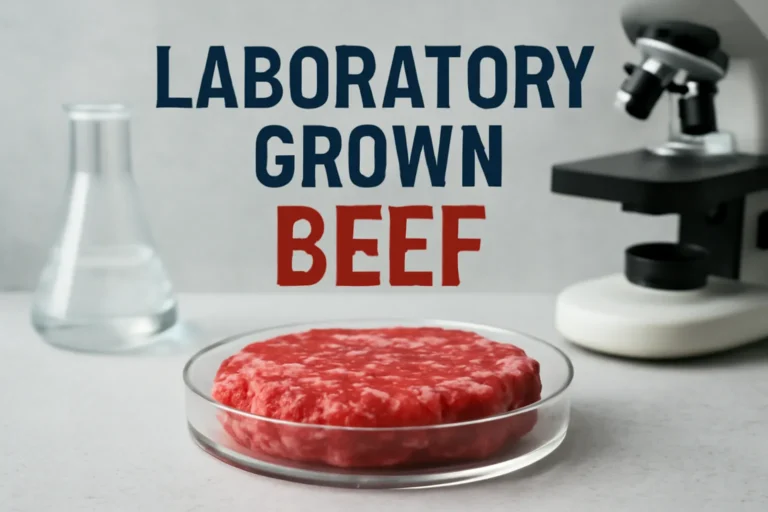
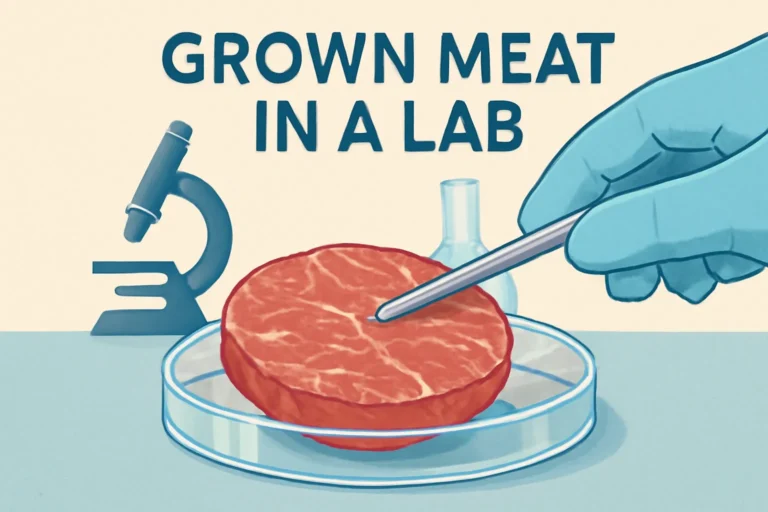
At its core, laboratory-grown beef is animal muscle tissue that has been produced outside the living animal through controlled cell culture. The process begins with a small sample of animal cells, typically stem cells or satellite cells (the reserve cells that repair muscle), which are then coaxed to proliferate in a carefully designed growth medium. Over time, these cells differentiate into muscle fibers and—when organized with appropriate scaffolds—form structures that resemble the texture and composition of beef.
Different terms are used in media and policy discussions. You may encounter cultured meat, cell-based meat, or lab-grown meat as near-synonyms. Some advocates emphasize beef alternatives that are not strictly animal-sourced but share the same goals of flavor, nutrition, and sustainability. Regardless of naming, the underlying concept is the same: a controlled, scalable method to produce beef tissue that reduces the need for traditional livestock farming.
It is important to recognize that edible cultured beef is not a single product. There are genetic lines, cell types, culture conditions, and scaffold designs that influence taste, mouthfeel, and cooking behavior. Some products are closer to ground beef in texture, while others aim for the marbling and tenderness associated with premium cuts. The diversity within the field reflects ongoing experimentation as scientists and industry players optimize cells, bioprocessing, and formulation to meet consumer expectations.
How cultured meat is produced
Overview of the production chain
The journey from a few starter cells to a plate of beef-like product involves several interconnected stages. Although the exact workflow can vary by company and product, the typical sequence includes:
Cell sourcing: Obtaining animal cells with robust proliferative capacity and desirable characteristics.
Cell culture: Expanding the cell population in a sterile, controlled environment using a specialized growth medium.
Differentiation: Encouraging cells to develop into muscle fibers or other tissue types that comprise beef.
Scaffolding or 3D tissue architecture: Providing a structure that supports tissue organization and texture.
Bioprocessing: Maintaining bioreactors and environmental controls to sustain growth and prevent contamination.
Harvesting and post-processing: Collecting the mature tissue and preparing it for cooking, including possible blending with fats or seasonings to achieve desired flavor and mouthfeel.
Cell sourcing and cell lines
The choice of cells is foundational. Common options include satellite cells and induced pluripotent stem cells (iPSCs) that can differentiate into myoblasts and form muscle fibers. Some researchers explore immortalized cell lines to achieve extended proliferation, while others emphasize primary cells for closer physiological fidelity. A key consideration is maintaining a balance between robust growth and ethical, regulatory acceptability.
Growth medium and nutrition
The growth medium provides essential nutrients, growth factors, and energy sources that enable cell division and survival. It often contains amino acids, sugars, minerals, vitamins, and biologically active molecules. A major public concern and regulatory focus relates to the use of serum in some formulations; many developers are actively pursuing serum-free, plant-derived, or synthetic media to address safety, supply, and cost considerations. The nutrition profile of lab-grown beef is shaped by the cell type, culture duration, and any post-harvest processing.
To recreate the texture of beef, scientists use scaffolds—three-dimensional structures that guide cell alignment and tissue organization. Scaffolds can be made from natural polymers, microfibers, or plant-derived materials, and may be designed to degrade as tissues mature. The arrangement of fibers, the distribution of fat, and the integration of connective tissue all contribute to the final product’s juiciness and bite.
Bioreactors and process control
Large-scale production hinges on bioreactors that maintain sterile, controlled conditions—temperature, pH, oxygen tension, and agitation. Scaling up from petri dishes to bioreactors introduces engineering challenges, including nutrient delivery, waste removal, and uniform tissue growth. Process control ensures reproducibility, quality, and safety across batches.
Post-processing and formulation
After harvesting, the tissue may undergo post-processing to standardize texture, flavor, and cooking performance. This can include combining cultured tissue with fats or plant-based ingredients, texturizing to enhance bite, or forming into burgers, nuggets, or strips. Some products emphasize clean labeling, while others pursue flavored or seasoned variations aimed at restaurant or retail channels.
Types and variations within cultured beef
The field embraces a range of product configurations, each with distinct advantages and production pathways. Here are some common categories and concepts:
Ground beef analogs: Finely minced or reconstituted cultured tissue designed to resemble ground beef, often used for burgers and meatloaf substitutes.
Whole-muscle cuts: Strips or blocks that aim to mimic steaks or medallions, emphasizing marbling and fiber orientation.
Fat-integrated products: Cultured beef that includes intramuscular fat or is paired with plant-based fats to simulate juiciness.
Premium vs. commodity formats: Some producers prioritize high-end textures and flavors, while others target mass-market affordability and accessibility.
Beef alternatives and analogs: While not beef per se, some cell-based programs extend to other proteins like cultured pork, poultry, or seafood, offering a broader platform for protein diversification.
2D vs 3D approaches
Early work often relied on two-dimensional cultures, which are simpler to control but do not resemble real meat’s three-dimensional structure. More recent efforts emphasize 3D tissue formation, enabling more appetizing textures and mouthfeel. The shift toward three-dimensional assembly is a pivotal step in producing products that replicate the sensory experience of conventional beef.
Custom and branded experiences
Some producers pursue branded experiences tied to specific flavor profiles or culinary uses. From a culinary perspective, lab-grown beef can be tuned for specific applications—steak-like textures for seared slices, or ground-beef analogs designed for quick-cook formats. The flexibility of tissue engineering allows for experimentation with regional cuisines and consumer preferences.
Environmental, ethical, and health considerations
Animal welfare and ethics
A central motivation for many supporters of cell-cultured beef is the potential to reduce animal suffering and the environmental footprint of meat production. By decoupling tissue growth from on-farm animal raising, proponents argue that laboratory grown meat could minimize routine practices such as breeding, transport, and slaughter. Critics, however, emphasize the need for transparent governance, robust risk assessment, and thoughtful policy design to address new ethical questions around cell sourcing and bioprocessing.
Environmental impact
Life cycle analyses of cultured meat suggest potential reductions in land use, water consumption, and greenhouse gas emissions compared with traditional beef systems. However, the magnitude of these benefits depends on production scale, energy sources, and process efficiencies. If bioreactors run on low-carbon electricity and waste streams are managed responsibly, the environmental advantages could be substantial. If not, energy intensity could offset some gains.
Food safety and regulation
Safety is paramount for any new food technology. Regulatory frameworks in many jurisdictions require rigorous demonstration of identity, purity, potency, and allergen management for lab-grown beef. Ongoing oversight covers lab practices, supply chain transparency, labeling, and post-market surveillance. As with any novel food, there is a need for consistent international norms to facilitate trade and consumer trust.
Nutrition and health considerations
Nutritional profiles of cultured beef aim to emulate traditional beef—proteins, fats, iron, zinc, and micronutrients. Some quality differences may arise depending on how cells are cultured and what fats are included in the formulation. Researchers continue to optimize fatty acid composition, micronutrient balance, and potential bioactive compounds. For consumers with specific dietary needs, cultured beef could provide options tailored to lower saturated fat, higher omega-3 content, or fortified nutrition.
Labeling and consumer perception
How products are labeled can influence acceptance. Terms like lab-grown beef, cultured meat, and cell-based beef carry different connotations in different markets. Clear, accurate labeling helps consumers make informed choices about origin, ingredients, and production methods. Public education about what cultured meat is—and is not—can reduce confusion and build trust.
The macronutrient composition of cultured beef mirrors conventional beef: roughly similar levels of protein and fat, with variability based on processing. The flavor profile results from the composition of muscle fibers, intramuscular fat, and the breakdown of lipids during cooking. A goal of the industry is to deliver an appealing taste with the familiar aroma and umami notes that beef consumers expect.
Allergens, additives, and ingredients
Some formulations rely on plant-based additives, texturizers, or flavor enhancers to achieve desirable cooking characteristics. Regulators scrutinize these ingredients for safety and disclosure. For consumers with dietary restrictions, transparency about the presence or absence of common allergens is essential.
Cooking with cultured beef
The cooking experience of cell-based beef can be quite familiar. Chefs and home cooks can use standard techniques—searing, grilling, roasting—while experimenting with fat marbling and texture. Because some products may have different fat distribution or moisture content than conventional beef, starting with lower heat to develop crust and juiciness can be a practical approach. For burger formats, ensuring even cooking and juiciness is a practical priority.
Pairing and culinary applications
Beyond burgers, cultured meat can be used in a range of dishes—from classic beef stews to fajitas and steak-based preparations. Industry players emphasize flexibility: lab-grown beef can be engineered to suit regional cuisines, dietary nuances, and specific cooking methods. Collaboration with chefs is common to translate laboratory capabilities into restaurant-ready products.
Regulation, policy, and market dynamics
Regulatory landscape
The path to market for cultured meat products is navigated through regulatory review and approvals that assess safety, labeling, and traceability. Different regions have developed or are developing frameworks to address novel foods, cell sourcing, and process controls. Clear guidelines help minimize risk while enabling innovation.
Intellectual property and collaboration
Intellectual property plays a significant role in shaping the pace and direction of development. Patents cover cell lines, scaffolds, bioprocessing approaches, and formulation techniques. At the same time, partnerships between startups, established meat companies, and academic labs accelerate technology transfer, standardization, and the scaling of manufacturing.
Market readiness and consumer adoption
Market readiness depends on multiple factors: production cost, consumer willingness to try new foods, taste parity with conventional beef, and perceived sustainability benefits. As production scales and process efficiencies improve, costs are expected to decline. While some observers predict mainstream availability within a decade or two, others emphasize a gradual, staged introduction—starting with premium products in select markets and expanding as volumes increase.
Supply chain considerations
A robust supply chain for lab-grown beef includes cell banks, growth media suppliers, scaffolding materials, bioreactor equipment, and processing facilities. Traceability, containment, and biosecurity are crucial, as with any biotechnological manufacturing system. The modular nature of the technology can support localized production in the future, reducing transport and associated emissions.
Economic and policy implications
The emergence of cultured beef could influence agricultural policy, rural economies, and livestock industry livelihoods. Policymakers may consider incentives for early-stage producers, funding for R&D, and regulations that balance innovation with safety and environmental objectives. Economic modeling often weighs potential job creation in new value chains against disruptions in traditional farming sectors.
Industrial players, research, and how to evaluate options
The field includes a diverse set of actors ranging from startups focused on niche products to larger food companies pursuing broader protein strategies. Research laboratories, academic institutions, and government-funded programs contribute to fundamental knowledge and practical demonstrations. When evaluating options—whether for investment, collaboration, or purchasing products—consider factors such as:
Provenance of the cells and the growth medium
Texture, flavor, and cooking performance of the product
Transparency about production methods and labeling
Scale of production and cost trajectories
Environmental footprint and energy use
For readers curious about the public dialogue and scientific progress, stay attuned to conference proceedings, peer-reviewed studies, and regulatory announcements. The field is dynamic, with new breakthroughs published frequently and pilot-scale demonstrations advancing toward commercial availability.
Challenges and opportunities ahead
Technical challenges
Despite impressive progress, several hurdles remain. Achieving authentic marbling, texture, and flavor at scale is an ongoing engineering feat. Reducing production costs, ensuring uniform tissue growth, and refining scaffolding to mimic the complexity of real muscle are active areas of innovation. Additionally, moving away from serum-based media toward sustainable, animal-free formulations continues to be a priority.
The economics of lab-grown beef depend on capital costs for bioreactors, media costs, and energy consumption. First-generation products may carry premium pricing, but as institutions optimize supply chains and scale, price parity or near-parity with conventional beef could become feasible. The timing of this transition will vary by region and regulatory environment.
Public perception and ethics
Consumer trust hinges on clear communication about what cultured meat is, how it is produced, and what benefits it offers. Transparent labeling, independent safety assessments, and demonstrable environmental advantages are important to broad acceptance. Ethical questions—such as consent, cell line provenance, and long-term health effects—will continue to shape discourse.
Opportunities for innovation
Beyond replicating traditional beef, cultured meat opens doors to customized nutrition, alternative fat profiles, and personalized dietary solutions. It also creates possibilities for localized production, reducing supply chain vulnerability and encouraging culinary experimentation. The technology may enable new textures, sensory experiences, and flavor profiles that are difficult to achieve with conventional methods.
Policy and societal impact
Thoughtful policy design can accelerate responsible innovation. Collaboration among researchers, industry players, farmers, public health officials, and consumer groups will help align incentives toward sustainable, equitable food systems. Education and outreach can demystify the science and demonstrate the potential benefits to public health and the environment.
Yes, with proper regulatory oversight and rigorous safety testing. As with any new food technology, safety assessments are essential to identify potential contaminants, allergens, and process risks. Transparent disclosure and ongoing monitoring help ensure consumer protection.
Does cultured meat taste like real beef?
The aim is to achieve a taste and texture closely resembling conventional beef. Depending on the cell types, scaffolds, and fat content, the sensory profile can vary. Ongoing culinary refinement helps bring cultured beef closer to the familiar beef-eating experience.
Will lab-grown beef replace traditional cattle farming?
The transition, if it happens, is likely to be gradual and regionally diverse. Some forecasts envision a complementary role where cultured meat satisfies demand for certain products while traditional farming adapts and concentrates on other sectors. Economic and cultural factors will shape the pace of adoption.
Is lab-grown beef environmentally friendly?
Potentially, yes, especially in terms of land and water use. The actual environmental benefits depend on energy sources, process efficiency, and lifecycle management. Sustainable electricity, waste recycling, and low-impact inputs are important levers for reducing the overall footprint.
Conclusion: imagining a future with cultured beef
Laboratory grown beef represents a bold reimagining of how we understand protein production. By decoupling meat from animal agriculture, this technology offers a pathway toward reducing animal suffering, lowering environmental impact, and expanding the palette of meat-like products available to consumers. The journey from starter cells to a plate of beef-inspired food is a multidisciplinary endeavor that blends biology, chemical engineering, material science, nutrition, culinary arts, and policy.
For enthusiasts and skeptics alike, the essential questions remain: Can we achieve taste parity and texture realism at scale? Will costs fall quickly enough to become mainstream? How will regulators, farmers, chefs, and consumers navigate the transition? The answers will emerge as research advances, production facilities scale, and markets respond to new options in protein. In the meantime, laboratory grown beef stands as a compelling example of how science and cooking can intersect to reframe our relationship with food.
As you explore this topic further, consider these guiding ideas:
Evidence-based evaluation: Look for peer-reviewed studies, lifecycle assessments, and transparent safety data when assessing claims about environmental impact and health effects.
Consumer education: Understand the basic processes and terminology to participate in informed conversations about the technology.
Responsible innovation: Support approaches that prioritize animal welfare, environmental stewardship, and equitable access to new foods.
The field of cell-based beef is still maturing, but its trajectory suggests a future where people have more choices about how their meat is produced—choices that can align with personal values, dietary needs, and ecological considerations. Whether you are a scientist, a policymaker, a chef, or a curious consumer, the evolution of cultured meat invites thoughtful participation and ongoing dialogue about what the next generation of protein can be.






Deja una respuesta