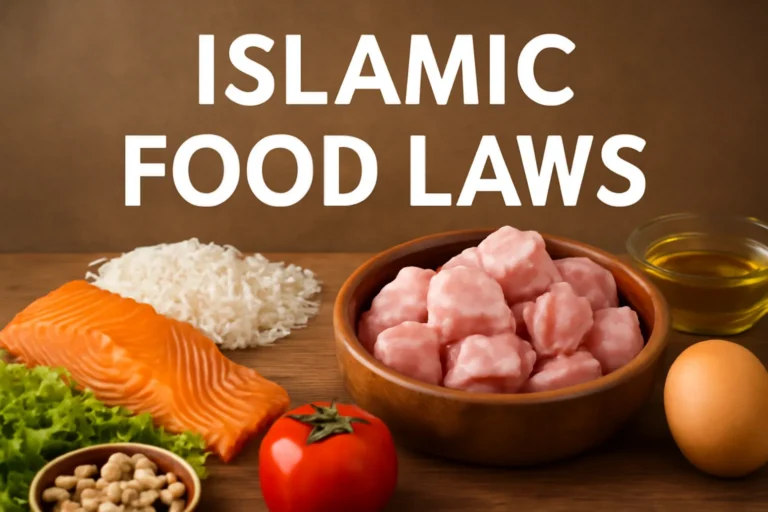
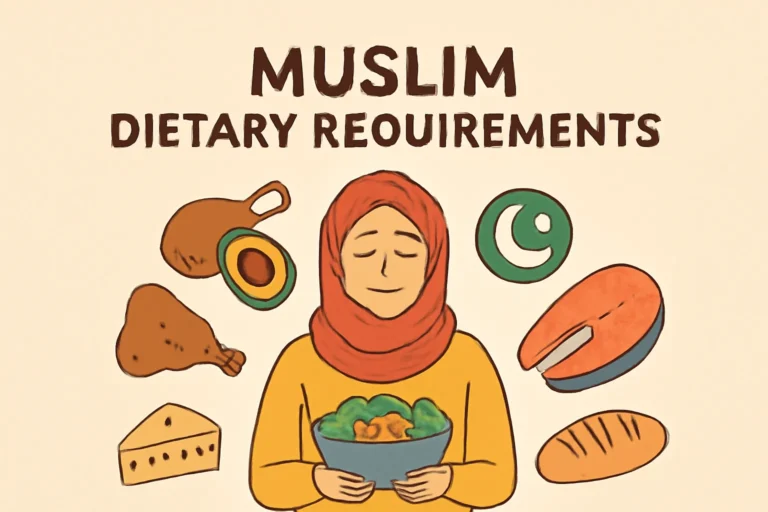
The topic of Islamic dietary law sits at the intersection of faith, daily practice, and practical living. For Muslims, the question of what to eat is not merely a matter of personal preference but a reflection of spiritual discipline and obedience to divine guidance. This broad field is commonly described with terms such as halal rules, halal dietary guidelines, and the broader umbrella of Islamic food laws. Across cultures and cuisines, these zabihah-inspired practices shape supermarket shelves, restaurant menus, school meal programs, and home kitchens. They also give rise to questions about modern issues such as processing methods, labeling, copyright-free certification, and humane slaughter.
Foundational Concepts: Halal, Haram, and Tayyib
To understand the landscape of Islamic food laws, it is essential to grasp three foundational concepts that recur in discussions about what Muslims may eat, what they must avoid, and what constitutes wholesome nourishment.
Halal: The Permissible
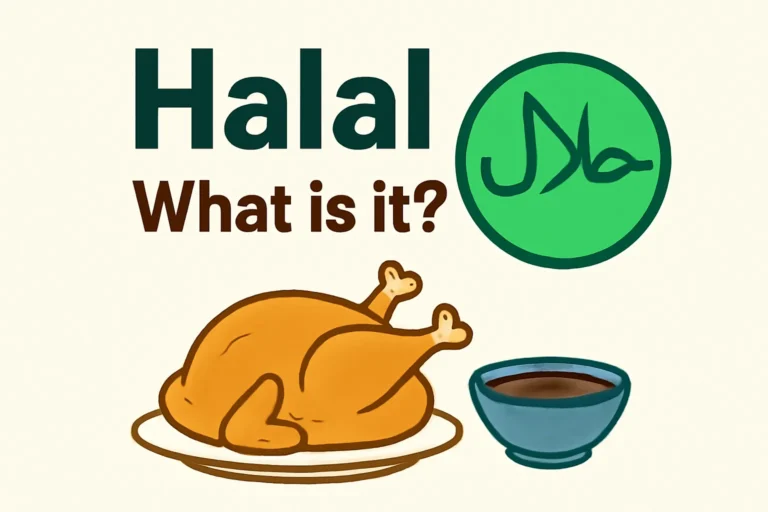
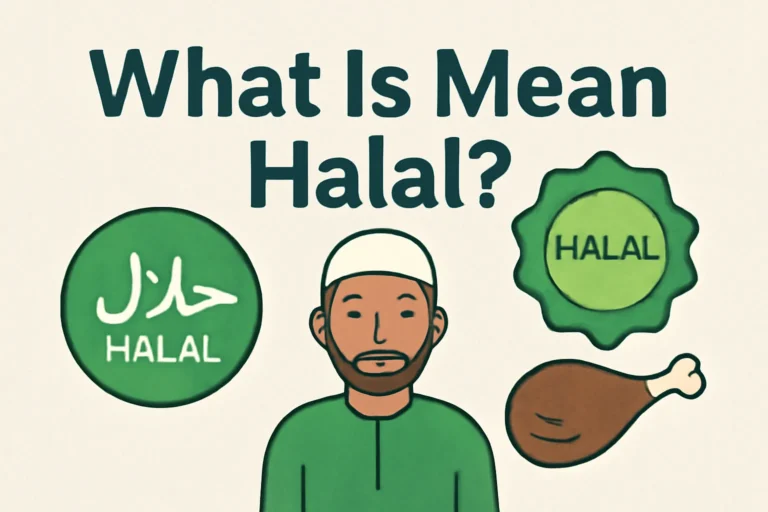
Halal is the Arabic word for what is lawful or permitted under Islamic law. In the dietary context, halal foods include meat prepared according to the prescribed method, as well as many non-meat foods such as fruits, vegetables, grains, and certain beverages. The core idea of halal is that the substance in question is permissible and free from prohibited elements. For meat, the halal status depends on the method of slaughter (see below) and the absence of disqualifying additives.
Haram: The Forbidden
By contrast, haram refers to what is forbidden in Islamic dietary law. Common examples include pork and pork products, animals not properly slaughtered in the prescribed manner, animals that have died before slaughter (carrion), blood, and intoxicants. In addition, any food or additive that contains haram ingredients (such as alcohol in significant quantities) falls under this category. The prohibition is meant to safeguard faith, health, and ethical concerns that are emphasized in the text of Islamic jurisprudence.
Tayyib: The Wholesome and Pure
Beyond simply being lawful, many scholars emphasize the concept of tayyib, which translates roughly as wholesome, pure, or wholesome-nourishing. The idea of tayyib extends to considerations of cleanliness, ethical sourcing, humane treatment of animals, environmental sustainability, and the overall quality and wholesomeness of the food. In practice, tayyib guides not only what is eaten but how it is produced and transported.
Sources and Principles: Foundations of Islamic Food Law
The authority for Islamic food laws is drawn from a triad of sources: revelation, authoritative tradition, and rational legal reasoning. Jurists across schools of thought build a framework that balances divine injunctions with the realities of daily life.
Quranic guidance: Several verses form the baseline of what Muslims may eat, what is forbidden, and how animals should be treated. Key verses address the prohibition on blood, carrion, and pork, while also affirming permissible foods and the importance of intention and gratitude in consumption.
Hadith and Sunnah: The sayings and practices of the Prophet Muhammad (peace be upon him) provide practical details about slaughter, the handling of animals, and the etiquettes of eating.
Ijma and Qiyas: Consensus (ijma) among scholars and the use of analogical reasoning (qiyas) help extend the rules to new circumstances, such as modern food processing, pharmaceutical ingredients, and novel food technologies.
In addition to these texts, there is a robust tradition of halal certification and apostolic guidance from scholars who interpret the sources to address contemporary questions. The result is a living framework that adapts to new ingredients, methods, and supply chains while maintaining core ethical and spiritual objectives.
Categories of Permissible Foods: What is Often Considered Halal
The majority of halal foods fall into several broad categories, each with its own considerations. While there are regional variations in practice and opinion, a common structure emerges across the global Muslim community.
Meat and poultry from animals slaughtered according to the prescribed method (see slaughter rules below). This includes cattle, sheep, goats, camels, and sometimes poultry that has been processed according to halal standards.
Seafood and many types of fish are broadly considered halal by the majority of scholars, though there are nuanced debates about shellfish and certain aquatic creatures in some legal traditions.
Plant-based foods—fruits, vegetables, grains, legumes, nuts, and oils—are generally halal, provided they are free of haram additives or cross-contamination with prohibited substances.
Dairy products and eggs, when derived from halal animals and produced under clean conditions, can be halal; challenges arise when processing involves haram ingredients or questionable cross-contact.
Processed foods and beverages that carry halal certification or come from trusted sources with clear ingredient disclosure, including prepared sauces, snacks, and canned goods.
It is important to recognize that halal status is often a combination of ingredient checks and processing context. A product may contain permissible ingredients but become impermissible if contamination with haram elements occurs or if it is produced using equipment that handled haram items without proper cleansing.
Prohibited Substances and Practices: What to Avoid
The Islamic food laws clearly identify substances and practices that should be avoided in order to maintain honesty, purity, and obedience to the divine will.
Pork and pork derivatives, including gelatin from porcine sources, unless clearly sourced from halal-certified suppliers or alternative halal-certified gelatin replacements are used.
Intoxicants, especially alcoholic beverages and other substances that cause intoxication or impairment. Some scholars extend this concern to certain synthetic or concentrated forms used in flavoring or extraction processes.
Carrion, or animal carcasses that were not slaughtered in the prescribed manner, which is not allowed to be consumed.
Blood and blood products, which are generally forbidden unless the blood has been fully drained or processed in a way that meets specific halal standards.
Improper slaughter or cruel treatment of animals, including slaughter without the proper blessing or inhumane handling. Ethical dimensions—humane treatment before and during slaughter—are often part of the broader discussion around halal slaughter.
Uncertified additives or ingredients derived from haram sources (for example, certain enzymes, flavorings, or emulsifiers) unless they have been verified as halal or are plant-based alternatives.
Consumers increasingly encounter tricky cases, such as gelatin, carrageenan, or glycerin that may come from non-halal sources. In such instances, the role of certification becomes crucial, allowing informed choices that respect dietary law while accommodating modern food technology.
Slaughter Rules: Zabihah and Dhabiha
Central to the practice of halal slaughter is the method by which animals are slaughtered for meat. The terms zabihah and dhabiha describe the ritual process that renders the meat permissible, provided the other rules are satisfied. The focus is on humane treatment, proper invocation, and the ethical handling of the animal.
Invocation of God: The name of God should be invoked at the time of slaughter. In many traditions, the phrase Bismillahi Allāhu Akbar or Bismillah is recited. The key principle is intention and remembrance, ensuring that the act of killing is done with awareness and gratitude rather than as a mere mechanical procedure.
Sharp and clean blade: A single, swift cut with a sharpened blade is preferred to minimize suffering. The blade must be clean and appropriate for the animal being slaughtered.
Vital organs and blood drainage: The cut targets the throat, severing the trachea, esophagus, and blood vessels, with the intent of rapid blood loss and humane death. Proper drainage of blood is considered an important indicator of a humane method.
Animal health and welfare: The animal must be healthy at the time of slaughter, free from disease or distress, and fit for consumption after the procedure. Some interpretations emphasize the animal should not be conscious of the slaughter process until the moment of the cut, while others focus on the overall humane handling throughout.
Orientation and isolation: While individuality exists among jurists, the general principle is that the slaughter occurs in a suitable place without misusing the process for other religious rites, and the animal is not killed in a way that would violate adjacent ethical concerns.
In modern practice, halal certification programs often address challenging realities such as pre-slaughter stunning. Reversible stunning is accepted by several certifying bodies if it does not cause irreversible harm or death; other authorities require no stunning or allow it only when it preserves the animal’s life without lethal outcomes. The net effect is that zabihah remains a guiding principle, but the operational details may vary depending on the jurisdiction, the slaughterhouse, and the certifying agency.
Certification and Compliance: Navigating Halal Verification
In a globalized food system, halal certification serves as a practical bridge between religious principles and commercial production. Certification bodies evaluate ingredients, processing facilities, equipment, and supply chains to ensure that products meet halal standards. For consumers, a seal or logo indicating halal compliance offers confidence, clarity, and a ready means to identify suitable foods in a crowded market.
Global Halal Certification Landscape
The world hosts a diverse array of halal certification authorities, each with its own criteria, testing procedures, and geographic emphasis. Some widely recognized bodies operate at a national level, while others function as international organizations with regional affiliates. While the exact rules may differ, most certifiers assess:
Ingredient lists and processing aids
Source of animal products and slaughter method
Cross-contamination controls and facility hygiene
Date-of-production, storage, and transit conditions
Documentation and traceability from farm to fork
For businesses, obtaining halal certification can help open markets, reassure customers, and demonstrate a commitment to ethical sourcing. For consumers, it provides a practical means to apply the principles of Islamic food laws in a modern setting.
Label Claims and Consumer Awareness
When reading labels and evaluating product packaging, it is prudent to look for:
Halal certification marks from reputable authorities
Full ingredient disclosure and clear origin information
Notes about potential cross-contact with haram substances
Information about processing aids and enzymes derived from halal sources
Consumers should be mindful that not all halal labels are created equal. Some products may carry generic claims without specifying the certifying body, while others may rely on regional or personal assurances. When in doubt, contacting the manufacturer or seeking guidance from a trusted local mosque or halal certifier can help ensure compliance with Islamic food laws.
Halal in Special Contexts: Restaurants, Schools, and Hospitals
The application of halal rules extends beyond the grocery store into restaurants, food service in institutions, and even healthcare settings. Each context presents unique challenges—menu planning, cross-contact risk, and the availability of certified ingredients—while still aiming to honor the core principles of halal, haram avoidance, and tayyib nourishment.
In hospitality and packaged goods, diners and shoppers increasingly expect clear halal labeling. Reputable halal-certified restaurants strive to:
Maintain separate cooking surfaces and utensils where possible to avoid cross-contamination
Source meat from halal-certified suppliers and verify slaughter methods
Offer a variety of halal options that are clearly identified on menus
Provide transparent ingredient lists for sauces, seasonings, and marinades
Packaged halal foods often rely on standard ingredient declarations along with a halal certification mark. Travelers, students, and busy professionals benefit from a reliable halal-certified supply chain that reduces guesswork and aligns with the expectation of Islamic food laws.
Halal in Healthcare and Institutional Settings
In hospitals, universities, and other institutions, the demand for halal meals can shape meal planning, catering contracts, and patient accommodations. The goal is to provide nutritionally adequate offerings that respect religious requirements. Initiatives include:
Designated halal menus and certified supplier lists
Training for kitchen staff on halal handling and cleaning protocols
Clear labeling and documentation for all foods served
Collaboration with community representatives to address special dietary needs
In all these contexts, the underlying aim remains to uphold the ethical, spiritual, and health-oriented dimensions of Islamic dietary guidelines.
Contemporary Debates and Ethical Considerations
As with many areas of religious law, modern developments spark thoughtful discussion about how best to apply traditional norms in contemporary life. A few notable threads are worth exploring for readers seeking a nuanced understanding of Islamic food laws.
Animal Welfare and the Halal Slaughter Debate
The humane treatment of animals is a value that resonates with moral and religious sensibilities. Debates about slaughter practices often focus on the balance between ritual requirements and the goal of minimizing suffering. Some questions that arise include:
Does stunning before slaughter harmonize with the intention and method of zabihah?
Are there alternative pre-slaughter practices that safeguard welfare without compromising halal status?
How can facilities implement humane handling while maintaining strict adherence to dietary law?
Different halal-certification bodies and jurists may issue varying guidelines. The conversation remains ongoing, reflecting an ethical priority toward mercy, compassion, and responsible stewardship of animals.
Modern chemistry and biotechnologies introduce ingredients and additives whose halal status can be debated. Some preservatives, flavor enhancers, and processing aids may originate from haram sources or be derived through methods that raise questions for some scholars. Consumers often rely on certification and transparent labeling to ensure that a product’s ingredient mix complies with halal standards.
Practical Guidance for Muslims and Non-Muslims: Making Informed Choices
Whether you are a practicing Muslim seeking to align daily meals with Islamic food laws or a curious non-Muslim seeking understanding, here are practical guidelines to navigate food choices in a diverse world.
Learn the core terms: Halal, Haram, Zabihah, Dhabiha, Tayyib, and the role of certification.
Look for credible halal certification from recognized authorities, especially for meats, processed foods, and dairy products.
Check ingredients and processing aids for haram origins, including gelatin, enzymes, and emulsifiers if their source is unclear.
Ask questions in restaurants: Inquire about the source of meat, the slaughter method, cross-contamination controls, and the handling of gravies and sauces.
Read labels carefully: Labels may include small print about processing methods or cross-contact warnings; when in doubt, contact the manufacturer or consult a halal-certifying body.
Be mindful of travel and institutional settings: When traveling, seek halal-certified outlets; in schools and workplaces, advocate for accessible halal meal options and clear labeling.
Respect cultural diversity: Across Muslim communities, there can be legitimate differences of opinion about certain ingredients or methods. Approach such differences with curiosity and respect, recognizing the common goal of permissible nourishment and mindful living.
For families, travelers, and students, practical planning—such as carrying halal-certified snacks, planning meals with clear ingredient lists, and engaging with local halal resources—can transform what might seem like a challenge into a sustainable practice aligned with Islamic food laws.
Halal in Everyday Life: Everyday Reflections on Dietary Practice
The discipline embedded in Islamic dietary laws often extends beyond the kitchen. It touches concepts of gratitude, mindfulness, and ethical consumption. The practice of saying a prayer or making a brief intention before a meal is tied to the broader habit of remembering God in daily actions. For many Muslims, the act of sharing food with family and community carries a spiritual dimension—an opportunity to demonstrate hospitality, generosity, and responsible stewardship of resources.
The halal lifestyle is thus not merely about avoiding prohibited items; it is also about seeking nourishment that aligns with values of cleanliness, fairness, and compassion. In this sense, the halal project is a living tradition that adapts to new foods, new technologies, and new cultural contexts while preserving its essential aims: to honor God, protect health, and nurture communities through careful and conscientious eating.
Conclusion: The Living Practice of Halal Living
In a world of diverse cuisines and complex supply chains, the field of Islamic food laws offers a coherent, evolving framework for discerning what is permissible and nourishing. From the fundamentals of halal and haram to the nuanced discussions of modern certifications and humane slaughter, the comprehensive guide to halal rules equips Muslims and interested readers to make informed choices with confidence. It invites ongoing learning, ethical reflection, and shared dialogue across cultures.
Whether you are seeking a practical guide for labeling and purchasing, exploring the theological reasons behind dietary rulings, or navigating the complexities of global food supply chains, remember that the aim of the Islamic dietary framework is to sanctify daily nourishment through intention, transparency, and respect for life. By embracing the concept of tayyib—wholesome, pure, and beneficial—consumers and producers alike contribute to a world where food sustains faith, fosters health, and honors the divine trust entrusted to human beings.




Deja una respuesta