What Foods Are Halal? A Complete Guide to Halal Diet Essentials
If you are exploring how to align your meals with halal guidelines, you are not alone. Millions of people around the world follow a halal diet for religious reasons, cultural heritage, or personal health choices. This guide offers a comprehensive overview of which foods are halal, how to read labels, what to watch out for in processed products, and practical tips for maintaining a nutritious, balanced halal lifestyle.
What does halal mean and why it matters
The term halal translates from Arabic as “permissible” or “lawful.” In a dietary sense, halal foods are those that comply with Islamic dietary laws. The concept encompasses the source of the food, how it was prepared, and the ingredients used in processing. At its core, a halal diet emphasizes cleanliness, humane treatment of animals, and avoidance of prohibited substances.
A practical way to think about halal diet essentials is to separate the discussion into three layers: the origin of the food (what it is), the method of preparation (how it is produced or slaughtered), and the additives or processing steps (what is included or implied by labels). Throughout this article you will see variations on phrases like which foods are halal, halal-friendly options, and halal-certified products—all referring to the same underlying concept.
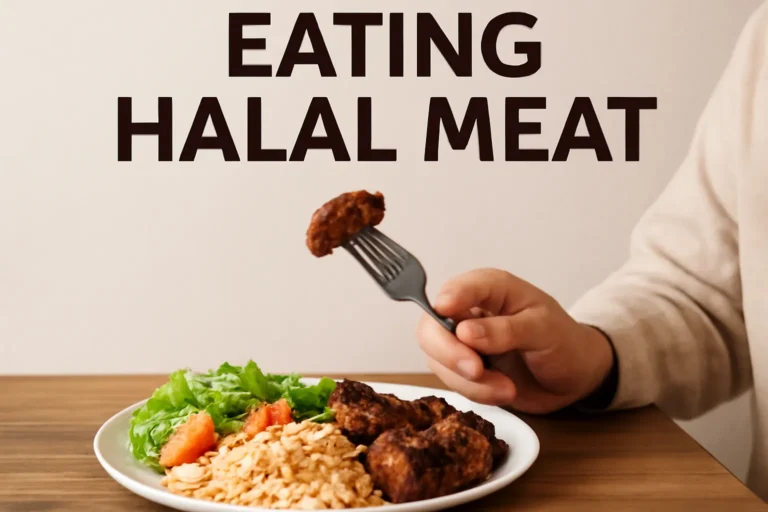
For many Muslims, meat and poultry form a central part of the halal diet. There are specific requirements that must be met for meat to be considered halal, with zabiha (the ritual slaughter) being a key element in traditional practice. Below are the main points to know.
Zabiha slaughter and humane treatment
The animal must be healthy at the time of slaughter.
The slaughter must be performed by a sane adult Muslim, Jew, or Christian (in many communities, the religious restriction is observed, though country laws may vary).
Slaughter should involve a swift, humane cut to the throat with a sharp instrument, ensuring minimal suffering.
All blood should be drained from the carcass; blood is prohibited in a halal diet.
What makes meat halal or haram
Halal meat comes from animals that are permissible to eat (e.g., cows, sheep, goats, chickens, lambs, camels) and are slaughtered according to zabiha guidelines.
Haram sources include pork and its by-products, animals improperly slaughtered, animals dead before slaughter (carrion), and any meat contaminated with forbidden substances.
In addition, the animal should not have been fed haram substances, such as alcohol or certain non-halal feed ingredients, prior to slaughter.
It is important to recognize that there can be regional and cultural variations in practice. Some communities emphasize strict adherence to ritual slaughter, while others focus more on the overall permissibility of the product, including processing and labeling. When in doubt, look for reliable halal certification on the packaging and consult your local authority or trusted community leader.
Meat substitutes and ready-made products
Plant-based substitutes (such as soy, seitan, or pea-protein products) can be halal if they are free from haram additives and cross-contamination.
Processed meats and sausages require careful scrutiny of ingredients and manufacturing practices to ensure there are no haram components or cross-contact with non-halal equipment.
Always check the ingredient list for sources of gelatin, enzymes, or emulsifiers that might be derived from non-halal animals.
Other halal food categories
Beyond meat and poultry, there are many other food groups that can be included in a halal diet when prepared and labeled appropriately. The following sections highlight typical categories and what to watch for when selecting items.
Dairy products are generally halal provided they come from halal-certified sources and do not involve haram additives. This includes milk, cheese, yogurt, butter, and cream.
Some dairy products may use enzymes or rennet derived from non-halal animals. Look for halal-certified (or microbial/vegetarian) enzymes if that is a concern.
Eggs are typically halal, but be mindful of any added ingredients in processed egg products (such as fillings or coatings) that could introduce non-halal elements.
Fish and seafood
Most authorities consider fish and seafood to be halal, making fish a reliable protein source within a halal framework. This includes many common varieties used in everyday meals.
The status of shellfish and other sea creatures can vary by community. In many places, shellfish are regarded as halal; in others, there may be restrictions. If you rely on a specific authority, check their guidance for your location.
Always ensure that the preparation method and sauces used with seafood do not introduce haram ingredients.
Grains, legumes, fruits, and vegetables
All grains (rice, wheat, barley, oats, corn, quinoa) and legumes (lentils, chickpeas, beans) are naturally halal, as long as they are not contaminated with haram substances during cultivation, processing, or packaging.
Fresh produce and dried fruits are halal, but be mindful of coatings, flavorings, or preservatives that may not be halal. Always read labels for additives and processing aids.
Seasonings, spices, herbs, and culinary aromatics are typically halal, but some blends may include alcohol-based extracts or ethyl alcohol; those should be avoided if you adhere strictly to halal guidelines.
Sweeteners, snacks, and beverages
Natural sugars, syrups, fruit juices, and many snacks can be halal when produced on clean lines and without haram additives.
Alcohol is strictly prohibited in a halal diet. Some flavor compounds and extracts may contain alcohol, so check product labels carefully.
Be mindful of gelatin, glycerin, and certain emulsifiers that may be derived from non-halal animals or alcohol-related processing.
What is not halal: haram foods and substances to avoid
The category of haram foods is the opposite of halal. Knowing what to avoid helps narrow choices when shopping, dining out, or planning meals.
Pork and pork-derived products, including gelatin, lard, and fat-based ingredients.
Animals improperly slaughtered or dead before slaughter (carrion).
Blood and blood-based products.
Alcohol and intoxicants, including beverages and flavorings containing ethanol or other intoxicating agents.
Meat from animals that are sick or have not received humane, respectful treatment according to shared ethical principles.
Processed foods with haram additives such as certain enzymes, emulsifiers, or flavor enhancers from non-halal sources.
Labeling, certification, and how to read product packaging
In today’s global market, reliable halal certification provides a practical way to identify permissible products. However, certifications vary by country and certifying body, so it is important to understand how to interpret labels.
Look for a trusted halal certification logo on the front of the package. Common symbols include crescent moon marks, halal seals, or notes from recognized certifiers.
Read the ingredients list carefully. Even familiar products can use haram additives such as pork-derived enzymes, alcohol-based flavorings, or gelatin from non-halal animals.
Check the manufacturing facility information. Cross-contamination can occur if the same facility processes both halal and non-halal products on the same line.
Be aware of ambiguous terms. Some ingredients may not clearly indicate their source; when in doubt, contact the manufacturer or consult a local halal authority.
When traveling or eating out, you may encounter two common scenarios: restaurants that offer clear halal-certified options and eateries whose halal status is uncertain. In the latter case, you can ask questions about the sourcing of meat, the preparation method, and whether there is a dedicated halal kitchen or equipment to prevent cross-contact with non-halal items.
Building a sustainable halal eating pattern involves planning, education, and attention to detail. Here are practical tips to help you adopt and maintain a halal lifestyle.
Make a habit of reading ingredient labels on all packaged foods, including sauces, dressings, and snacks.
Create a short go-to list of halal-certified staples you can rely on, such as certain brands of dairy, grains, and frozen meals with clear halal labeling.
When in doubt, choose whole foods with minimal processing, and prepare meals from fresh ingredients when possible.
Eating out and social occasions
Call ahead to ask about halal options, the presence of a dedicated halal kitchen, and the availability of halal-certified meat.
In mixed-diet settings, choose vegetarian dishes that are clearly free of animal-derived ingredients or alcohol, and verify they are prepared in a halal-compliant manner.
Share your dietary requirements with hosts and chefs—clear communication reduces the risk of accidental non-halal ingredients.
Halal and plant-based diets
A growing number of people blend plant-based eating with halal principles. In practice, a vegetarian or vegan table can align well with halal guidelines, as long as the food does not contain haram ingredients or cross-contamination. Plant-based proteins, grains, vegetables, fruits, and legumes can form the foundation of a diverse halal diet.
Halal for special diets and life stages
Young children: Ensure foods meet halal standards and avoid additives that may not be appropriate for pediatric nutrition.
Pregnancy and lactation: Choose a balanced mix of halal sources of protein, iron, calcium, and folate, with careful labeling of any fortified foods or supplements.
Elderly individuals: Focus on easy-to-digest, halal-certified options, and consider consulting a nutritionist who understands halal dietary needs.
Common questions about halal foods
The following questions address frequent concerns people have when starting or maintaining a halal diet. If you have further questions, you can ask a trusted halal authority or consult reputable resources from recognized certifying bodies.
Is all fish halal?
In most Islamic jurisprudence traditions, fish and seafood are considered halal. This broad category generally includes fish with scales as well as a wide range of sea creatures. Some communities distinguish between fish and other seafood, so always verify with your local authority if this distinction matters to you.
Are shellfish halal?
Many scholars and halal organizations classify shellfish as halal, though there are minority opinions that restrict some types. If shellfish status is essential for your practice, consult your community’s guidance or a trusted certifier.
Is gelatine always haram or halal?
Gelatin can be derived from pork, beef, or other animals, or it can come from non-animal sources such as fish or plants. Pork-derived gelatin is haram, while gelatin from permissible animals slaughtered according to halal guidelines, or from microbial/vegetarian sources, can be considered halal. When in doubt, look for halal-certified gelatin or plant-based alternatives.
What about alcohol-based flavors and extracts?
Alcohol is prohibited in a halal diet, so any product containing ethanol or alcohol-based flavors, extracts, or solvents should be avoided unless explicitly stated as alcohol-free and halal-certified.
Are halal and kosher the same?
Halal and kosher have separate religious frameworks. While there are similarities—such as the emphasis on humane slaughter and clean preparation—halal and kosher certifications are not interchangeable. Some products may be labeled as both halal and kosher, which can simplify decisions for people who follow either tradition, but not all halal foods are kosher and vice versa.
How to build a complete halal pantry
A well-stocked pantry makes it easier to prepare halal meals with confidence. Below is a practical guide to building a comprehensive, versatile pantry that supports a variety of cuisines and dietary needs.
Staple grains and legumes
Rice varieties (basmati, jasmine, long-grain)
Quinoa, couscous, bulgur, and pearl barley
Lentils, chickpeas, black beans, kidney beans
Proteins and substitutes
Halal-certified chicken, beef, lamb, and other meats
For many readers, halal is not only about compliance with dietary rules but also about ethical sourcing and humane treatment of animals. Responsible producers label products to reflect this emphasis, and many households choose suppliers who demonstrate transparent practices across their supply chains.
Look for certifications that include clear audit information and humane farming practices.
Support brands that disclose feed sources, slaughter methods, and processing steps.
Advocate for traceability—from farm to fork—so you can verify halal compliance along the entire journey.
As with any global dietary system, misconceptions can arise. Here are a few you may encounter, along with clarifications.
Halal foods are always expensive. While specialized halal products may carry a small premium, a large portion of halal-compliant foods are everyday staples that are competitively priced, especially when you buy fresh produce and whole foods.
All halal foods are meat-centric. A halal diet can be balanced around dairy, grains, vegetables, fruits, seafood, and vegetarian options—many people enjoy varied cuisines that naturally accommodate halal ingredients.
Halal certification guarantees health and safety. Certification focuses on halal compliance; it does not guarantee nutritional quality or food safety, which still depends on standard food safety practices.
Frequently asked questions about halal diet essentials
Below are concise answers to common questions that readers often have when they begin exploring halal foods and labeling.
What foods are considered halal by default?
Fresh fruits, vegetables, grains, legumes, nuts, seeds, and most dairy products are naturally halal provided they are not contaminated with haram substances and are prepared in clean facilities.
Can I eat halal-certified meat if I’m unsure about the slaughter method?
Yes, if the product carries halal certification from a reputable certifying body, you can typically trust that the slaughter method and overall processing meet halal standards. If you have concerns, contact the certifier for documentation or visit their website for details.
Is it acceptable to mix halal foods with non-halal foods on the same plate?
Many scholars permit combining halal and non-halal foods on the same plate in casual dining, but some communities prefer strict separation to avoid cross-contact. If you cook at home, use separate utensils or surfaces to minimize risk of cross-contamination.
What if a product is labeled “halal-friendly” but not certified?
“Halal-friendly” is not a formal certification. It often signals that the product is halal-acceptable in most circumstances but may still contain ambiguous ingredients or paths of production. When in doubt, favor products with official halal certification or consult reliable, local guidance.
Conclusion: embracing a complete and confident halal diet
The journey to understanding what foods are halal and how to live a halal diet is ongoing and highly personal. It blends religious observance with practical daily choices, culinary curiosity, and a commitment to clean, ethical food sourcing. By focusing on the three pillars—halal origin, humane and compliant preparation, and careful ingredient verification—you can build a robust and enjoyable dietary pattern. Whether you are cooking at home, selecting groceries, or dining out, you can navigate the landscape with clear questions, reliable labels, and a growing repertoire of halal-friendly recipes.
This guide has provided a broad overview of halal food categories, what to avoid, how to read labels, and how to translate general principles into everyday meals. Remember, halal diet essentials are about mindful choices, respectful sourcing, and ongoing learning. As you explore different cuisines—from Middle Eastern staples to South Asian curries, Southeast Asian fish curries, and Western plant-based dishes—you will discover a diverse array of flavors that align with your halal lifestyle.
If you would like, I can tailor this guide to your locale, detailing the most credible halal certifiers in your country, common restaurant practices in your area, and a starter shopping list that reflects your dietary needs and budget. Whether you are seeking a quick reference for shopping or a structured meal plan for a week, the essential aim remains the same: to enjoy nutritious, delicious meals while staying true to halal principles.
Note: Always verify with local authorities or trusted halal certification bodies, as interpretations and practices may vary by region and over time.




Deja una respuesta