What Is Meant by Halal Food? A Clear Guide to Halal Standards
What Is Meant by Halal Food? A Clear Guide to Halal Standards
Understanding halal food is a practical and cultural journey. For many people, the term signifies more than a label on a package; it represents a complete set of rules about what is permitted, how food is prepared, and how meals fit into a faithful lifestyle. This article offers a clear, comprehensive guide to what is meant by halal food, why it matters, and how consumers, chefs, and manufacturers approach halal standards in everyday life.
The word halal is Arabic for permissible or lawful. In dietary terms, it describes foods and drinks that are allowed under Islamic law as interpreted by religious scholars and jurists. The concept of halal is broader than a single ingredient; it encompasses ingredients, preparation methods, handling, and serving practices that conform to Sharia, the divine guidance Muslims follow. When we speak of halal foods, we are often discussing several interrelated ideas: a permissible source, a humane production process, and an ethical framework for consumption. The counterpart to halal is haram, meaning forbidden or prohibited, which includes pork and its by-products, alcohol, and any food or additive that is not compliant with Islamic dietary laws.
Terminology matters. You may hear phrases like halal diet, halal nutrition, or halal-certified products. Each of these covers a slightly different emphasis (dietary adherence, nutritional considerations, or formal certification), but all share the same underlying principle: foods and drinks admitted by Islamic law for Muslims to consume. In practice, halal encompasses both the source of the food (what animal or plant it came from) and the way it is produced (how it is slaughtered, processed, stored, and transported).
Core Principles of Halal Standards
Halal standards are not a single global recipe; they are a set of principles that adapt to cultures, markets, and agricultural systems while preserving the essential requirements of Islamic law. Here are the core ideas that shape halal standards across many countries and industries:
Permissible sources: Halal foods come from sources that are not haram. This includes plants and many animals that are slaughtered in a humane way according to Sharia, as well as seafood that is generally accepted as halal in many schools of thought.
Avoidance of haram substances: Foods and additives that are explicitly forbidden—such as pork, pork by-products, alcohol, and certain unsafe or intoxicating ingredients—must not be present in halal products.
Proper slaughter (zabiha): For meat to be considered halal, it must come from an animal that has been slaughtered in a prescribed manner (zabiha) with the invocation of God’s name, by a sane adult Muslim, and with the animal's blood drained out.
Hygiene and cleanliness: Halal cooking and processing must meet high standards of cleanliness to ensure the product is not contaminated by haram substances or cross-contact with non-halal items.
Ethical treatment: Many halal standards emphasize humane treatment of animals and ethical farming practices, aiming to reduce cruelty and stress during life and at the time of slaughter.
Traceability and certification: Modern halal regimes rely on traceability—from farm to fork—and independent certification to ensure compliance across supply chains.
Definitions That Create Semantic Breadth
To broaden the understanding of halal, it helps to consider related terms and phrases that are often used interchangeably or in adjacent ways. Here are variations of meaning that people use when discussing halal foods:
Permissible foods: A straightforward way to describe halal as allowed by Islamic law.
Lawful nutrition or lawful foods: Emphasizes the legal and ethical dimension of what enters the body.
Halal-certified products: Foods or beverages that carry a certification mark indicating compliance with halal standards.
Halal-friendly or halal-positive: Terms sometimes used in multicultural markets to indicate accommodations for halal requirements without guaranteeing full certification.
Zabiha meat: A phrase specifically referring to meat slaughtered under the zabiha method, endorsed by many but not all schools of Islamic thought.
What Is Not Halal: The Prohibited Categories
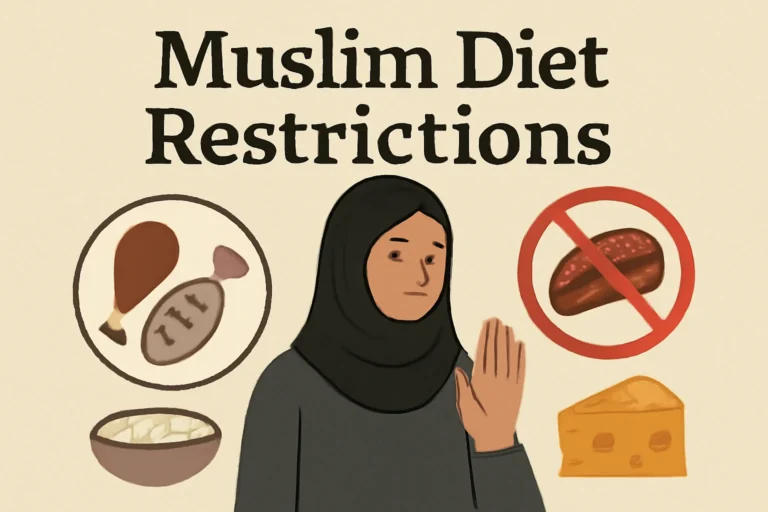
Understanding what is not halal helps clarify what is halal by contrast. The prohibitions in Islamic dietary law traditionally include:
Pork and pork by-products: This includes any food item derived from pigs or their derivatives.
Alcohol and intoxicants: Beverages and ingredients with ethanol or other intoxicants are generally forbidden.
Carnivorous animals and birds of prey: Certain animals that are considered harmful or not humane to slaughter are excluded.
Improper slaughter or handling: Meat that has not been slaughtered in accordance with zabiha or has been mishandled is not deemed halal.
Cross-contamination: Even if a product is halal in origin, it can lose its halal status if it is contaminated by haram substances or machinery without proper cleaning.
The slaughtering of animals in halal practice is a distinctive component of halal meat. The zabiha method is designed to be humane, swift, and in harmony with religious directives. While there are variations in practice across cultures and jurisdictions, several common elements describe the standard approach to halal slaughter:
Declaration of faith: The person performing the slaughter typically utters the name of God (often, “Bismillah” or “In the name of God, Allah”) before making the cut.
Qualified butcher: The slaughter should be performed by a adult, sane Muslim (or a person of the prescribed faith in some communities), and the animal should be healthy and typically raised for slaughter.
Swift, single-cut method: The technique is designed to be quick and humane, severing the carotid arteries, trachea, and esophagus in one continuous cut to ensure rapid bleeding and death.
Drainage of blood: Proper draining of blood is an important aspect of the halal slaughter process, as it reflects cleanliness and compliance with dietary laws.
Humane handling: The animal should be treated with respect and animal welfare considerations throughout life and at the time of slaughter.
It is important to note that there are differences in interpretation among Islamic scholars and communities regarding the precise practices that constitute valid zabiha in every circumstance. Some communities accept certain exceptions or alternative methods due to local regulations or practical realities. The unifying thread across these variations is the intention to fulfill the halal criteria while minimizing suffering and preserving the sanctity of life.
Halal in Practice: Ingredients, Processing, and Labeling
Halal compliance goes beyond meat. Vegetables, grains, dairy, and processed products require careful consideration to ensure they do not incorporate forbidden substances. Here are key areas to watch in everyday food production:
Ingredients: The list should avoid haram substances such as pork derivatives, alcohol, and problematic gelatin or enzymes that come from haram sources. Some ingredients may be derived from questionable sources and require verification.
Processing aids: Even if not present in the final product, processing aids (solvents, lubricants, and carriers) must be free of haram contaminants or cross-contact risk.
Cross-contamination controls: Facilities and equipment should be cleaned and dedicated, or validated cleaning procedures should prevent mixing halal and haram items.
Gelatin and collagen sources: Gelatin from porcine sources or certain animal by-products may be prohibited; alternative halal-certified or plant-based gelling agents are often used.
Alcohol in flavorings: Some flavorings, extracts, or essences may contain ethanol; halal certification assesses whether these components are acceptable.
Utensils and packaging: The packaging and utensils used in preparation must be free from haram residues or cross-contact, including the storage environment and transportation.
Labeling and Certification: How Halal Is Verified
The practice of certifying halal products has expanded widely to accommodate global supply chains. Halal certification involves examination by an accredited authority that reviews ingredients, sourcing, slaughter methods (for meat), processing, and handling practices. Certification bodies issue a halal certificate or a halal mark that appears on packaging or documentation. Consumers rely on these marks to identify halal-certified products meet the standards of the issuing organization.
Certifications vary by region and organization, but typical steps include:
Initial assessment of product ingredients and sources
On-site audits of facilities and supply chains
Ongoing compliance checks and annual renewals
Traceability verification from farm or source to retail
Clear labeling and documentation for consumers
While certification provides a formal assurance, many Muslims also rely on their own knowledge of brands, ingredients, and suppliers. For some, personal diligence and access to trustworthy information suffice when halal labeling is absent or unclear. The broader aim is to ensure that what is consumed aligns with one’s beliefs and values while maintaining safety, quality, and transparency.
Halal standards have evolved into a global ecosystem that connects producers, certifiers, and consumers across continents. Some regions have mature halal industries with well-established certification authorities, while others are in the process of expanding their frameworks. The growth of halal commerce reflects not only religious considerations but also consumer demand for ethical sourcing, clean labeling, and reliable supply chains. Here are some practical observations about the global landscape:
Regional diversity: Halal requirements may reflect local dietary customs, religious interpretations, and regulatory environments, leading to variations in accepted slaughter practices or permitted ingredients.
Interfaith and intercultural engagement: Halal standards often intersect with kosher certification, organic labeling, and food safety regulations, creating cross-verify opportunities for consumers seeking trusted information.
Industry collaboration: Manufacturers, retailers, and certifiers collaborate to harmonize terms, reduce confusion, and facilitate easier access to halal products for global markets.
Consumer education: Clear labeling, education campaigns, and accessible guidance help Muslims and non-Muslims alike understand what constitutes halal in particular contexts.
When considering halal standards, it is helpful to recognize that a growing set of international guidelines supports producers in demonstrating compliance. While there is no universal single standard of halal globally, the shared emphasis remains on the acceptance of permissible substances, avoidance of haram ingredients, humane slaughter where applicable, cleanliness, and verifiable certification.
Halal vs. Kosher: How They Relate and How They Differ
Many readers encounter the term halal in conversation with kosher labeling. While both halal and kosher reflect long-standing dietary laws and emphasize ethical, clean, and humane practices, they are distinct systems rooted in different religious frameworks. Here are several points of comparison to help you understand the relationship:
Origins: Halal comes from Islamic law; kosher comes from Jewish law (Halakha).
Slaughter rules: Both emphasize humane treatment, but the specific rules of slaughter, blessing, and eligibility differ.
Forbidden ingredients: Halal prohibits pork and alcohol; kosher prohibits certain meat combinations and dairy–meat mixing, among other rules.
Certification marks: Both systems rely on certification bodies, but the organizations and symbols differ.
Food products: A product can be halal but not necessarily kosher, and vice versa, depending on source materials and processing.
For consumers, understanding these distinctions helps when shopping in multicultural markets or traveling abroad, where both halal and kosher products may be present. Because these systems share a core commitment to cleanliness, ethical sourcing, and thoughtful preparation, there is often overlap in practices, even when the religious requirements diverge.
Practical Guidance for Everyday Life
For people who want to follow halal dietary guidelines in daily life, practical steps can make the process straightforward and reliable. Below are actionable tips that apply whether you are at home, at a restaurant, or shopping for groceries:
Read labels carefully: Look for halal certification marks or explicit statements about permissible ingredients. Be aware of potential hidden haram components in flavorings or additives.
Ask questions: When dining out, ask about the source of meat, how it was slaughtered, and whether cross-contamination with haram items is prevented in the kitchen.
Check the certification: If a product bears a halal logo, verify the issuing body’s credibility and the validity period of the certificate.
Consider cross-contact: Even halal ingredients can become haram if cooked with haram utensils or stored in non-halal containers without proper cleaning.
Choose reliable brands: Start with brands and suppliers known within your community or trusted halal authorities; over time, you’ll build a dependable shopping list.
Think about processing aids: Clean, label-compliant processing aids and packaging materials reduce the risk of non-halal residues in the final product.
Learn regional variations: Halal interpretation may differ by country or community. Being aware of these nuances helps you navigate new markets and menus more confidently.
For travelers and expatriates, databases and mobile apps that list halal-certified restaurants and products can be especially useful. Use them in conjunction with local guidance from trusted community leaders or halal certifiers to confirm that a restaurant’s practices align with your expectations.
Common Myths and Misconceptions About Halal
Misunderstandings about halal can lead to confusion or mistrust. Here are some common myths, addressed to help readers gain a clearer and more accurate understanding:
Myth: Halal is the same as kosher. Truth: While both systems share ethical and dietary concerns, they originate from different religious laws with distinct rules about slaughter, ingredients, and certification.
Myth: Halal only applies to meat. Truth: Halal covers all permissible foods and drinks, including grains, dairy, beverages, and processed items, as long as they meet the required criteria.
Myth: Halal certification is only about religious compliance. Truth: Certification also reflects food safety, hygiene, and supply-chain integrity, which are important for consumer trust beyond religious considerations.
Myth: Halal meat is always more expensive. Truth: Pricing varies widely depending on supply chains, sourcing, and local markets; halal products can be cost-competitive in many contexts.
Myth: If a product is halal, it is automatically endorsed by every Muslim. Truth: Individual beliefs and regional interpretations may lead to different expectations; consumers may seek guidance from their own communities and trusted certifiers.
By separating myths from facts, shoppers can make informed decisions that respect both religious requirements and practical realities of food production and consumption.
Ethical and Cultural Considerations
Halal food is not only a matter of following rules; it often reflects broader ethical and cultural values. Many communities see halal as a framework that aligns dietary choices with principles of cleanliness, compassion for animals, sustainable farming, and transparency in business. This broader ethical lens can influence how producers design supply chains, how markets label products, and how chefs plan menus that are respectful of diverse beliefs.
In practice, this means that halal is frequently integrated with other quality standards, such as organic, non-GMO, or non-irradiated labeling, where permissible and appropriate. While these overlaps are not universal, they demonstrate how halal can intersect with a broader commitment to health, sustainability, and ethical governance in food systems.
Challenges and Opportunities in Halal Food Systems
As global demand for halal products grows, the halal food industry faces a set of challenges and opportunities that shape how standards are implemented and verified:
Supply chain complexity: Sourcing halal ingredients from farms, factories, and processing plants around the world requires robust traceability and rigorous audits.
Consistent interpretation: Balancing regional differences with a coherent standard can be difficult, especially for multinational brands seeking a single label across markets.
Certification costs: Small producers may find compliance costly; innovations in modular certification and shared verification schemes can help reduce barriers.
Consumer trust: Transparent labeling and accessible information are essential to empower consumers to make informed choices that align with their beliefs.
Innovation opportunities: Plant-based and alternative protein products offer new ways to meet halal requirements while expanding options for vegetarians and non-meat eaters.
Looking ahead, the halal sector has the potential to contribute to food security, nutrition, and dignity in food practices by promoting humane animal welfare, responsible sourcing, and clear, reliable information for consumers worldwide.
Conclusion: A Clear Guide to Understanding Halal Standards
Halal food represents a structured system of dietary permission grounded in Islamic law, ethics, and community norms. By focusing on the permissible sources, avoiding haram substances, ensuring humane slaughter where required, and maintaining rigorous certification and traceability, halal standards aim to protect consumers and uphold a set of shared values. Whether you describe it as halal nutrition, halal-certified foods, or permissible dietary practices, the core idea remains the same: foods and drinks that are allowed according to religious guidance, produced and handled in a way that respects hygiene, ethics, and transparency.
For those who navigate halal requirements regularly—whether as Muslims seeking to comply with their faith, as chefs and manufacturers serving diverse markets, or as curious consumers exploring global cuisines—the guiding principles are practical and accessible. Start with clear labeling, verify sourcing and processing practices, and recognize that halal is more than a label: it is a holistic approach to how we choose, prepare, and share food with others. In this sense, halal food becomes not only permissible sustenance but also a bridge between faith, culture, health, and community well-being.
As markets continue to evolve, the conversation around halal will likely grow richer and more nuanced. Yet the essential questions remain the same: Is this food permissible under Islam? Has it been prepared and handled in a way that respects cleanliness and humane treatment? Is there credible certification or trustworthy information that confirms halal compliance? By focusing on these questions, consumers can approach every meal with confidence, curiosity, and a respectful understanding of the diverse traditions that shape the global halal landscape.




Deja una respuesta