What is the halal diet? A comprehensive guide to halal nutrition
The question what is the halal diet goes beyond a simple definition. At its core, the halal diet is a system of dietary rules and ethical considerations drawn from Islamic law that applies to what Muslims eat and how food is produced, processed, and prepared. While many people use the term halal nutrition to describe the broader wellness implications, the concept also encompasses faith, culture, and everyday practicality. In this guide, we will explore what constitutes halal, how it differs from other dietary patterns, and how anyone—whether they are Muslim or simply curious about different cuisines—can apply halal principles in daily life.
The halal diet is sometimes described as a comprehensive framework that covers four pillars: the permissibility of food under Islamic law, the method of slaughter for meat, the absence of prohibited substances such as alcohol, and the cleanliness and ethical treatment of animals. When you hear phrases like halal food guidelines, halal nutrition, or Islamic dietary laws, you are encountering different ways of phrasing the same core ideas. This article uses a broad, practical lens to explain what is halal, how it applies to groceries and meals, and how to navigate modern food systems while honoring halal principles.
Key concepts you’ll encounter in this guide
Definition and scope of halal in food and drink
Permitted (halal) vs forbidden (haram) items
Meat and poultry rules including slaughter requirements
Non-meat ingredients and additives that must be halal
Processing, storage, and cross-contamination considerations
Practical guidance for shopping, cooking, and dining out
Defining halal: what is the halal diet in its simplest terms?
The simplest way to answer what is the halal diet is to say that it is a system that governs not only which foods are allowed, but how those foods are obtained, prepared, and consumed in a manner that is consistent with Islamic dietary laws. The word halal itself means "permissible" or "lawful" in Arabic. When applied to food, it implies that the product and its production process meet specific criteria related to the source, handling, and sanctity of the animal, as well as the absence of prohibited substances.
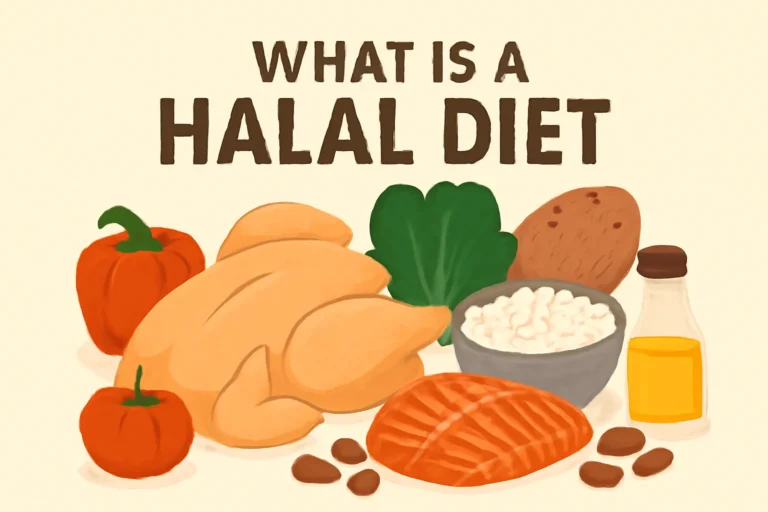
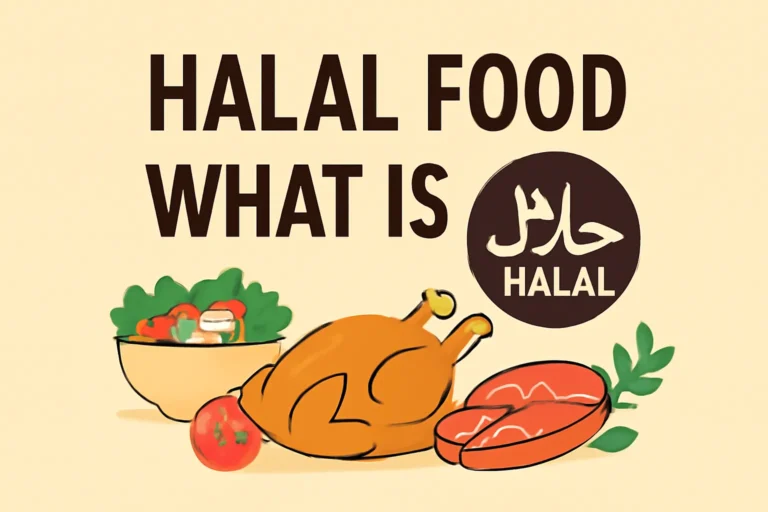
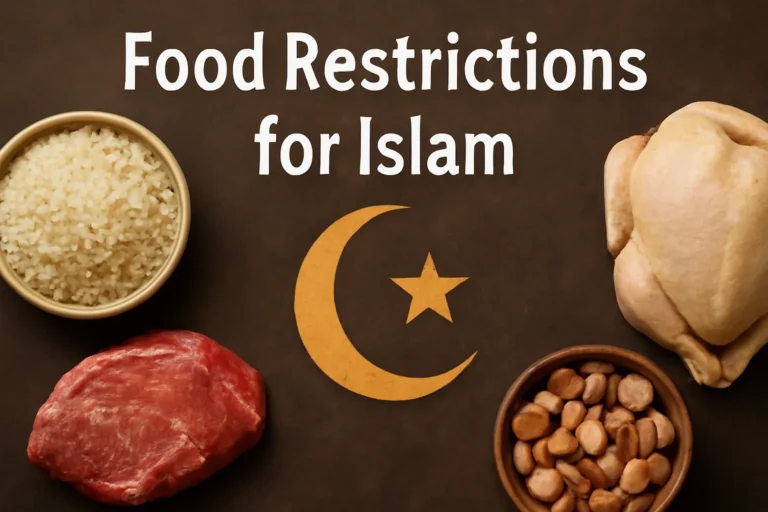
A related question often asked is what is halal food in practice. In practice, halal food includes:
Meats from animals that are slaughtered according to Islamic rites and verified as halal
Seafood that is universally permissible in many schools of Islamic thought
Plant-based foods and grains that are inherently halal
Dairy and eggs from permissible animals, provided no prohibited additives are used
Processed foods that are labeled halal or manufactured under strict halal guidelines
Conversely, the haram category includes items and practices that are forbidden under Islamic law, such as pork products, alcohol, or foods that have been contaminated with haram substances through cross-contact. The distinction between halal and haram is a recurring theme in the journey to understand halal nutrition and to implement it in shopping carts, kitchens, and dining rooms.
Permissible vs forbidden: the halal-haram framework
At the heart of the halal diet is a binary framework: halal versus haram. This framework guides every stage of food lifecycle—from sourcing to serving. The permissibility is ultimately anchored in religious texts, jurisprudence, and the consensus of scholars, but it is practiced in everyday life through clear, concrete rules.
The permissible foods (halal) include many everyday staples, while the forbidden items (haram) tend to be more limited but have significant cultural and health implications for adherents. The practical impact is that a person following a halal diet often reads ingredient lists more carefully, asks questions about meat sources, and chooses certified products when possible.
Ethical and environmental considerations
Beyond the specific ingredients, many people who pursue halal nutrition emphasize the ethical treatment of animals, humane slaughter, and sustainable farming practices. These concerns align with the broader Islamic ethos of stewardship (khalifa) over the earth. When you see terms such as humane slaughter, ethically sourced, or sustainable farming, they are often part of a broader conversation about halal diet in a modern context.
What is allowed in a halal diet? A guide to permissible foods
Meat and poultry: how halal slaughter differs
The treatment of meat is a central component of the halal diet. For meat to be considered halal, the animal must be slaughtered according to Islamic law (zabiha) or sourced from a supplier who can verify halal certification. The process typically involves pronouncing a blessing, ensuring the animal is healthy at the time of slaughter, and draining the blood. Offal and byproducts must also be halal, and prohibited methods of slaughter or death are not permissible.
In addition to the method of slaughter, some Muslims also consider the ethics of farming and the source of feed as part of the halal framework. These concerns can influence decisions about where meat comes from and how animals are raised, processed, and transported.
Seafood is generally considered halal in most schools of thought, though there are variations in interpretation. Many Muslims treat fish as halal and do not require specific slaughter techniques. Dairy products such as milk, cheese, and yogurt are halal as long as they do not contain haram additives (for example, rennet sourced from non-halal animals or alcohol-based stabilizers). Always verify that dairy products are free from non-halal processing aids.
Plant-based foods, grains, fruits, and vegetables
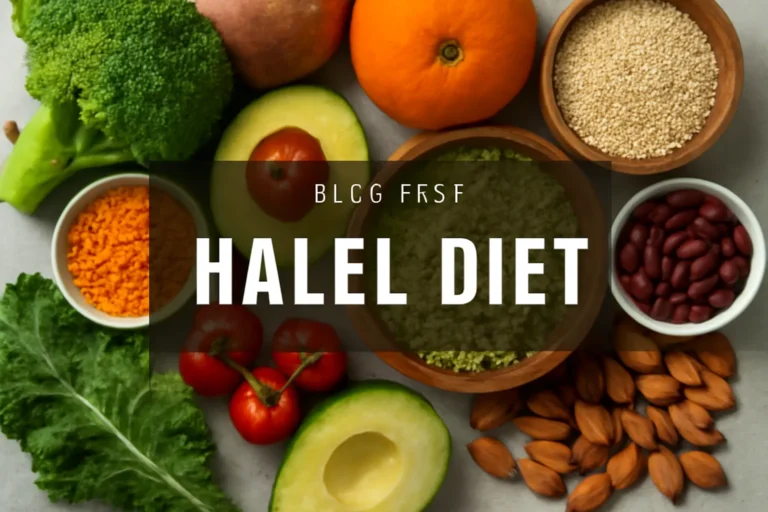
All plant-based foods—fruits, vegetables, grains, legumes, nuts, seeds—are halal by default, provided they are not contaminated with haram substances during processing. This means that flour, rice, legumes, and whole foods can form the foundation of a halal diet, offering diverse and nutrient-rich options.
Processed foods and additives
The modern food system includes a wide array of processed foods. For a product to be considered halal, its ingredients and processing aids must be halal. This often involves scrutinizing emulsifiers, stabilizers, flavorings, and other additives to ensure they do not include haram ingredients such as alcohol or animal-derived components not permissible in halal. Look for certified halal labels or consult manufacturers for ingredient disclosures.
Some items like gelatin, enzymes, and certain colorings may be derived from non-halal sources. If a product relies on such ingredients, it may not qualify as halal. Education about common non-halal additives helps shoppers avoid accidental non-halal choices.
What is not halal? Common haram foods and practices
Prohibited animals and methods
The haram foods category includes pork and its derivatives, animals not properly slaughtered, and animals that die of themselves ( carrion). Mixed or cross-contaminated products can also pose problems for those who practice strict halal observance. It is essential to verify that the source animals were treated and processed in accordance with Islamic guidelines.
Alcohol and intoxicants
Alcohol and other intoxicants are widely prohibited in the halal diet framework. This extends to cooking wines, flavorings, and alcohol-based sauces. Some foods may be processed with alcohol as a solvent or extraction medium, so those items require careful label-checking to determine whether the final product is halal.
Cross-contamination and equipment
Even if a product itself is halal, if it is processed on shared equipment that also processes haram items, cross-contamination could occur. For strict halal practice, many individuals and restaurants seek dedicated facilities or clear certification that ensures separation and proper sanitation.
Practical guidance: how to follow the halal diet in daily life
Reading labels and certifications
The most practical way to implement halal nutrition is to become proficient at reading labels and understanding certifications. Look for halal certification logos from reputable agencies, verify ingredient lists, and be aware of potential haram components such as pork derivatives, alcohol, or non-halal animal-derived enzymes. When in doubt, contact the manufacturer or consult a local halal authority.
Shopping strategies for a halal-friendly pantry
Building a pantry around halal principles requires planning and organization. Consider these steps:
Plan meals around halal protein sources—whether meat, fish, eggs, or legumes.
Choose certified halāl meat and poultry whenever possible.
Stock dairy and plant-based alternatives that are clearly halal-certified.
Keep a list of trusted brands that consistently provide halal-certified products.
Label and separate halal foods from haram items in the kitchen to prevent cross-contact.
Cooking and meal preparation
In the kitchen, practice mindfulness about ingredients, cookware, and hygiene. Use separate utensils if cooking with halal meats, and ensure that marinades, sauces, and seasonings do not contain haram components. When cooking for others, clearly communicate halal considerations to avoid sharing non-halal foods unintentionally.
Dining out and social occasions
Dining outside the home is a common challenge for people observing a halal diet. To navigate this successfully:
Ask about the origin of the meat and the slaughter method if you are ordering meat.
Request clearly labeled halal items and inquire about cross-contamination in kitchens.
Choose vegetarian or seafood dishes when halal-certification for meat is uncertain.
Respect local practices and recognize that interpretations of halal can vary by region.
Halal nutrition and health: how halal principles intersect with health goals
Nutritional balance and macro/micronutrients
A well-planned halal diet can meet all nutritional needs. To maximize health outcomes, consider balancing macronutrients (carbohydrates, proteins, fats) with a focus on whole foods, lean proteins, fiber-rich vegetables, and whole grains. For example, a halal-friendly meal might pair lean meat with whole grains, legumes, and a colorful array of vegetables. The inclusion of plant-based proteins can enhance fiber intake and reduce saturated fat.
In the realm of micronutrients, ensure adequate intake of iron, zinc, calcium, vitamin B12 (especially for vegetarians and vegans who observe halal principles), and vitamin D. Fortified dairy products, leafy greens, fortified cereals, and fortified plant milks can help meet these needs while remaining within halal guidelines.
Special populations: pregnancy, children, and the elderly
The halal framework supports dietary patterns that align with health needs during pregnancy, infancy, childhood, and aging. For pregnant individuals, emphasis on adequate iron, folate, calcium, and omega-3 fatty acids is common in halal meal planning. For children, halal meals can be flavorful and nutrient-dense, helping establish healthy long-term eating habits. For the elderly, a halal approach can emphasize nutrient-dense foods that support bone health, cognitive function, and energy.
Common myths about the halal diet: separating fact from fiction
Myth: Halal means the same as kosher
While both halal and kosher involve dietary laws and certification, they arise from different religious traditions and have distinct rules about slaughter, permissible ingredients, and certification processes. The halal diet is rooted in Islamic jurisprudence, whereas kosher laws come from Jewish dietary laws. There are areas of overlap, but they are not interchangeable.
Myth: All halal foods are healthy
Halal status does not inherently guarantee healthfulness. A product may be halal but still be high in sugar, salt, or unhealthy fats. It is important to evaluate overall nutrition in addition to halal certification, focusing on whole foods and balanced meals.
Myth: Halal restrictions are extremely restrictive for modern living
With global supply chains and extensive halal certification networks, many people find it quite doable to maintain a halal lifestyle while enjoying a wide variety of cuisines. The reality is that halal living can be flexible and adapted to different budgets, tastes, and cultural contexts.
Tips for starting a halal-friendly kitchen: practical steps
Step-by-step approach for beginners
If you are new to the halal diet, consider a gradual approach:
Identify your halal priorities: meat, dairy, or vegetarian options.
Learn to read labels carefully and locate trusted halal certification logos.
Build a core set of halal staples (protein sources, whole grains, vegetables).
Cartography of regional halal cuisines to diversify your meals while staying within guidelines.
Gradually replace haram ingredients in existing recipes with halal substitutes.
Creating a halal-friendly weekly plan
A weekly plan helps you stay consistent and reduces last-minute improvisation that might lead to non-halal choices. Consider a rotation of meals that emphasizes:
Halal protein sources: poultry, beef, lamb, fish, eggs, and legumes.
Plant-based meals rich in vegetables and whole grains.
Fermented dairy products and calcium-rich alternatives.
Balanced snacks that avoid haram ingredients while providing sustained energy.
Variations of the question: exploring broader ideas about halal diet
People often ask variations of the core question what is the halal diet as they search for guidance in different contexts:
What exactly constitutes a halal diet in today’s food system?
How does halal nutrition differ from other dietary patterns?
What is the difference between halal food guidelines and simple preference?
What is required to maintain halal compliance in restaurants and food manufacturing?
How do halal certifications work, and why do they matter?
Conclusion: embracing halal nutrition in daily life
What is the halal diet ultimately? It is a practical, living framework that harmonizes faith, health, ethics, and everyday choices. It is not only about avoiding certain foods; it is a comprehensive approach to mindful eating that emphasizes humane treatment of animals, cleanliness, and transparency in food production. For those who practice it, the halal diet can be empowering—offering structure and flexibility in equal measure, enabling people to enjoy diverse flavors while staying aligned with their beliefs.
Whether you identify as Muslim, are studying comparative dietary laws, or simply want to broaden your culinary horizons, exploring halal nutrition can deepen your understanding of food safety, cultural diversity, and personal wellness. By staying informed, reading labels, seeking trusted certifications, and planning meals with intention, you can confidently navigate the modern food landscape while honoring the halal framework. In short: understand the principles, apply them with practicality, and savor the rich, varied, and wholesome options available within the halal diet.




Deja una respuesta