What Makes Halal Food Halal? A Clear Guide to Halal Certification, Ingredients, and Practices
What Makes Halal Food Halal? A Clear Guide to Halal Certification, Ingredients, and Practices
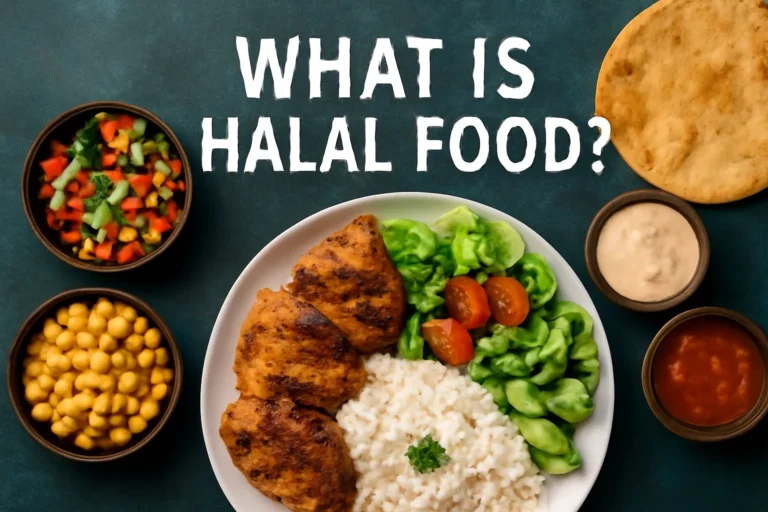
Halal is a term that means permissible under Islamic law. But what makes halal food halal goes beyond a simple avoidance of forbidden substances. It encompasses the entire lifecycle of the product—its origin, how animals are treated, how foods are processed, and how products are labeled and sold. This article provides a clear guide to halal certification, ingredients, and practices, with emphasis on what makes food truly halal, rather than merely avoiding haram substances.
At its core, halal refers to what is lawful or permissible according to Islamic law. That basic definition expands into several practical dimensions:
Permissible sources for ingredients—no forbidden substances are used, and components are derived from lawful sources.
Proper slaughter and processing methods when animals are involved, following the Dhabihah ritual where applicable.
Cleanliness and hygiene throughout production, packaging, and handling to prevent contamination with haram substances.
Traceability and credible certification to demonstrate compliance to consumers and authorities.
Transparency in labeling so consumers can verify the halal status of a product at the point of sale.
There are many expressions and synonyms used to convey the same idea, including permissible for Muslims, lawful under Shariah, and allowed by Islamic dietary law. Across cultures and countries, the practical implementation of these ideas can vary, but the underlying principle remains the same: nothing in a halal product should violate the rules of Islamic dietary law.
Halal Certification: What It Is and Why It Matters
A halal certification is a formal declaration that a product or facility complies with specific halal standards. Certification bodies review ingredients, manufacturing processes, facilities, and supply chain controls to ensure halal integrity from start to finish.
What certification typically covers
Certification can apply to a range of products and services, including:
Packaged foods and beverages
Restaurants, catering, and food service operations
Cosmetics and personal care products that may be ingested or come into contact with the skin
Pharmaceuticals and nutraceuticals that contain active ingredients or excipients
Food manufacturing facilities and storage operations
Who issues halal certificates
Certification is typically issued by independent authorities known as halal certification bodies. Examples include JAKIM in Malaysia, IFANCA in the United States, HCAI in the United Kingdom, and various national bodies across the Middle East, Southeast Asia, Europe, and Africa. While the names and scopes differ, the common goal is credible verification that products meet halal standards.
Certification processes and ongoing compliance
Application and documentation: The company submits product formulations, supplier lists, and facility layouts.
Ingredient review: Each ingredient is checked for haram substances or prohibited sources, including potential cross-contamination.
Facility inspection: Audits verify cleanliness, segregation of halal and non-halal materials, and control of cross-contact risks.
Audit of the supply chain: Traceability is verified from raw materials to finished product.
Certification decision: The body issues a certificate if all requirements are met, sometimes with specific product scope and expiration.
Surveillance and renewal: Regular audits monitor ongoing compliance; certificates are renewed periodically.
Transparency is a cornerstone of certification. Consumers should expect to see a certification number, the issuing body’s logo, and sometimes a product-specific halal mark on packaging. Many councils also provide online lookups to verify a certificate’s status. Certification is especially important for multinational supply chains where ingredients or suppliers may change over time.
Ingredients, Additives, and Food Chemistry: What to Watch For
The ingredients list is a primary source of information for determining halal status. However, the presence of a list does not automatically guarantee halal compliance. Several factors require careful attention:
Harām substances: Pork derivatives, blood, alcohol in significant quantities, and any animal-derived ingredients from non-halal sources.
Enzymes and processing aids: Some enzymes, rennet, or lipases may come from non-halal sources and should be reviewed for halal suitability.
Gelatin and collagen: Can be derived from pork, beef, or fish; halal certification depends on source and processing.
Alcohol in flavorings or extractions: Even trace amounts can be a concern, depending on the product and jurisdiction.
Hydrolyzed proteins and texturants: May come from animal sources; verify origin.
Natural and artificial flavors: Sometimes contain hidden animal-derived components or alcohol; certification guidance is essential.
Vitamin-derived ingredients: Some vitamins or stabilizers may be derived from gelatin or other animal products; verify sources.
The goal is not only to avoid haram substances but to ensure a product aligns with halal ethics and halal supply chains. Many readers will notice that the meaning of halal ingredients is broader than simply “haram-free” and includes considerations about how ingredients are produced, processed, and combined.
The Slaughter Method: Dhabihah, Welfare, and Compliance
For animal-based foods, many Muslims associate Dhabihah with the ritual slaughter method prescribed by Islamic law. The core idea is to cause the animal the least unnecessary suffering while ensuring the animal is healthy at the time of slaughter. However, halal status is not guaranteed solely by the act of slaughter; it must be integrated with proper handling, processing, and cleanliness across the supply chain.
In halal slaughter, the animal is healthy, alive at the moment of slaughter, and the slaughtering instrument is sharp to ensure a swift and humane process. The blessing (tasmiyah or shahadah) is often invoked, and the animal’s name or a declaration of faith is pronounced at the time of slaughter. Practices vary by jurisdiction and school of thought, but the underlying aims are common:
Reducing suffering and ensuring animal welfare
Ensuring rapid, clean separation of blood from the meat
Maintaining hygiene and preventing contamination with haram substances
It is important to note that not all halal-certified meat requires ritual slaughter if the animal was previously slaughtered in a non-Islamic manner but meets other stringent halal standards. Some jurisdictions accept fish and certain seafood as halal by default, while others maintain stricter rules. When in doubt, consumers should consult the certificate and the issuing body for guidance.
Processing, Manufacturing, and Cross-Contamination Risks
Even with halal ingredients and a halal slaughter method, cross-contamination is a leading risk factor in turning a halal product into non-halal. This risk arises when equipment, facilities, or packaging materials contact haram substances or non-halal ingredients without adequate separation.
Dedicated equipment or clearly segregated processing lines for halal products reduce cross-contact risks.
Clean-in-place protocols, validated sanitation procedures, and separate storage areas help preserve halal integrity.
Packaging and labeling controls prevent tainting during packing, labeling, and transport.
Supply chain controls ensure materials and ingredients are sourced from halal-certified suppliers, tracked, and traceable back to origin.
For facilities producing both halal and non-halal products, ongoing management of segregation and documentation is essential. Certification bodies may require periodic plant audits, staff training records, and evidence of supplier approvals to maintain certification status.
Reading Labels, Symbols, and Certification Marks
To make informed choices, consumers should know how to interpret labels and symbols. A typical halal label will include some or all of the following:
Certification mark from a recognized halal body.
Certificate number and issuer details for validation.
Scope statements like halal-certified for the product category.
Notes on ethically sourced ingredients or verified suppliers.
Some products may display regional symbols or multiple certifications if they are sold in several markets. In some cases, authorities publish online databases where consumers can verify the status of a product or facility by entering the certificate number or product code. It is wise to refer to official databases rather than relying solely on the packaging artwork, which may not always reflect current status.
Global Standards and Regional Variations
Halal standards are broadly similar in their core aim—ensuring products are permissible, clean, and clearly verifiable—yet regional authorities interpret and implement guidelines differently. These regional differences can influence:
Regional authorities and preferred frameworks
Asia-Pacific regions often emphasize traceability and robust abattoir compliance, with national bodies collaborating with international certification programs.
Middle East and North Africa tend to have a long-standing tradition of institutional halal oversight, with many councils operating at the national level and coordinating with global bodies.
Europe and North America typically rely on accredited certification bodies that work across borders, providing market access for multinational manufacturers.
Differences in interpretation across schools of thought
In Islamic jurisprudence, scholarly opinions can influence practical rules in certain jurisdictions. While most halal standards converge on major prohibitions and slaughter practices, small differences may arise in areas such as:
Acceptable sources for enzymes or processing aids
Methods for declaring the halal status of complex ingredients
Permissibility of certain seafood or animal derivatives in rare cases
For consumers, the most reliable approach is to rely on recognized halal certification and to follow the guidance of credible authorities in their country. For manufacturers, aligning with multiple regional standards can improve market access, but it also requires careful management of supply chains and documentation.
Practical Guide for Home Cooks and Restaurants
Whether you are cooking at home or running a restaurant, there are practical steps to ensure that meals are truly halal and trustworthy for Muslim diners.
Source ingredients carefully: Choose suppliers with explicit halal certification or clear halal statements about each ingredient.
Check processing aids and additives: Review labels for potential haram ingredients or questionable processing aids, especially for dried or processed goods.
Maintain segregation: If you handle non-halal products, implement clean dishes, separate utensils, and dedicated storage to prevent cross-contact.
Document your supply chain: Keep records of supplier certifications, batch numbers, and certification statuses for traceability.
Label clearly and truthfully: Market and present products with clear halal labeling and the name of the certifying body, if applicable.
Train staff: Ensure food handlers understand halal requirements, including the importance of avoiding cross-contamination and maintaining hygiene.
Engage with reputable certifiers: When unsure, request guidance from a recognized halal certifier about any ingredient or procedure.
Restaurants often pursue ongoing compliance by adhering to a certified halal management system, which includes staff training, supplier approvals, routine audits, and continuous improvement in processes.
Common Myths and Misconceptions
The world of halal certification can be complex, and several myths persist. Here are a few clarified points to help readers differentiate fact from fiction:
All halal meat requires ritual slaughter: In many regions, non-slaughter halal products are also acceptable if they meet other criteria; always check the certificate for the scope.
Halal equals "no pork only": Halal covers a broad range of permissible practices, including proper handling, processing, and avoidance of haram substances beyond pork.
Halal is the same as Kosher: While there are similarities, halal and kosher standards are distinct, with different rules and certification bodies; some products may be both, while others may not.
Any symbol on a package is a legitimate halal mark: Not all marks are equally credible; rely on recognized certification bodies and verify via official databases when possible.
Ethics, Welfare, and Environmental Considerations
A growing dimension of halal practice involves ethical treatment of animals, humane slaughter, and sustainability. Many halal scholars and certifiers emphasize that a humane approach to animal welfare aligns with the broader spirit of halal principles. This includes measures such as training for workers, minimizing stress for animals, proper stunning where allowed by the local certification rules, and responsible sourcing to minimize environmental impact.
Future Trends in Halal Certification and Practice
The halal sector continues to evolve with technology, standards harmonization, and consumer demand for greater transparency. Anticipated trends include:
Digital traceability through blockchain and serialized product codes to enhance supply-chain transparency.
Harmonization efforts among regional standards to ease cross-border certification while maintaining protections against haram substances.
Expanded halal categories including cosmetics, pharmaceuticals, and non-food products that still adhere to halal principles.
Consumer education initiatives to help shoppers interpret labels, understand certificates, and demand verification.
For businesses and consumers, the trend is toward greater reliability, more robust oversight, and easier access to information about what makes halal food halal. Embracing credible certification, maintaining complete traceability, and committing to ethical practices will be central to a healthy, trusted halal landscape.
Conclusion: A Clear Path to Understanding Halal Certification, Ingredients, and Practices
The question of what makes halal food halal ultimately encompasses a holistic approach: it is not just the exclusion of haram ingredients, but a comprehensive system of certification, ingredient integrity, humane slaughter when applicable, rigorous hygiene, and transparent labeling. By focusing on these elements—certification, ingredient sourcing, processing controls, and traceability—consumers can have confidence in the halal status of the products they choose.
Whether you are a consumer seeking reliable information, a restaurateur striving to serve halal meals with integrity, or a manufacturer aiming to access halal markets globally, this guide provides a practical framework. Remember, the most trustworthy approach combines a credible halal certificate, rigorous internal controls, and ongoing dialogue with recognized authorities in your region. When these pieces come together, the result is a clear and robust assurance: halal food that is truly permissible in accordance with Islamic law, and accessible to everyone who depends on rigorous standards, transparent practices, and ethical commitments in the food system.




Deja una respuesta