Eating Halal Meat: A Guide to Halal Certification and Nutrition
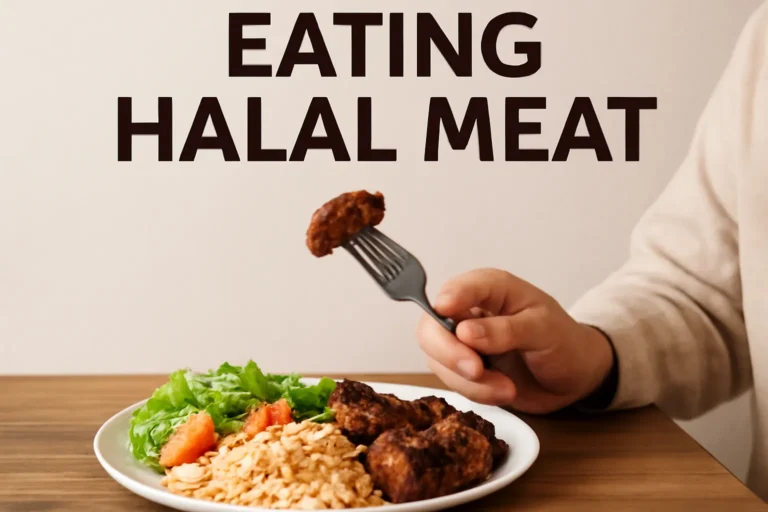
This guide explores the practice of eating halal meat, the science and ethics behind halal certification, and the nutrition that comes with choosing halal-certified meat.
Whether you are a long-time follower of halal dietary rules or a curious consumer seeking reliable information, understanding the certification process, the slaughter method, and the nutritional implications can help you make informed decisions about what you put on your plate.
Understanding Halal: Core Concepts
What halal Means
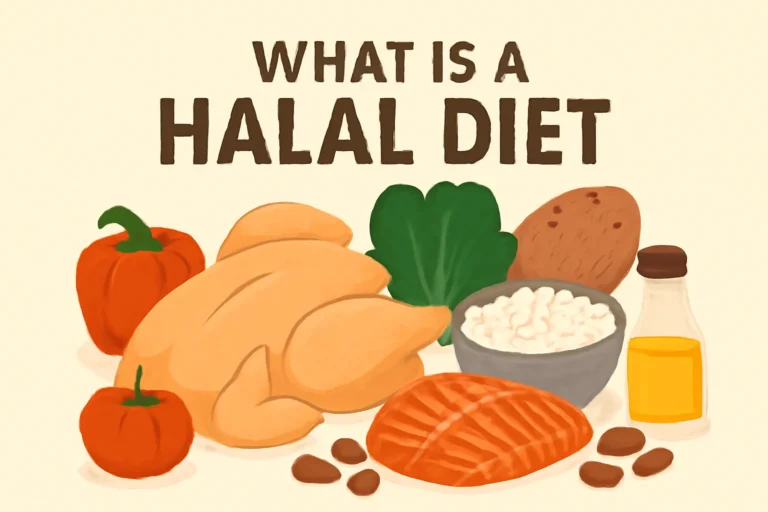
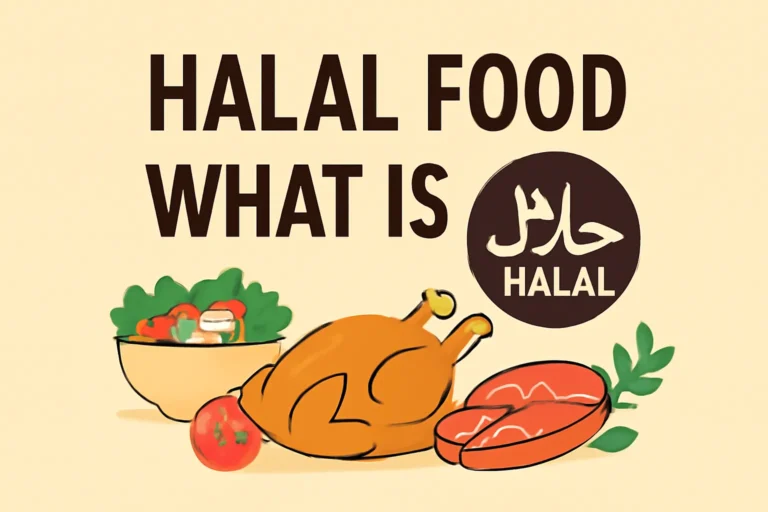
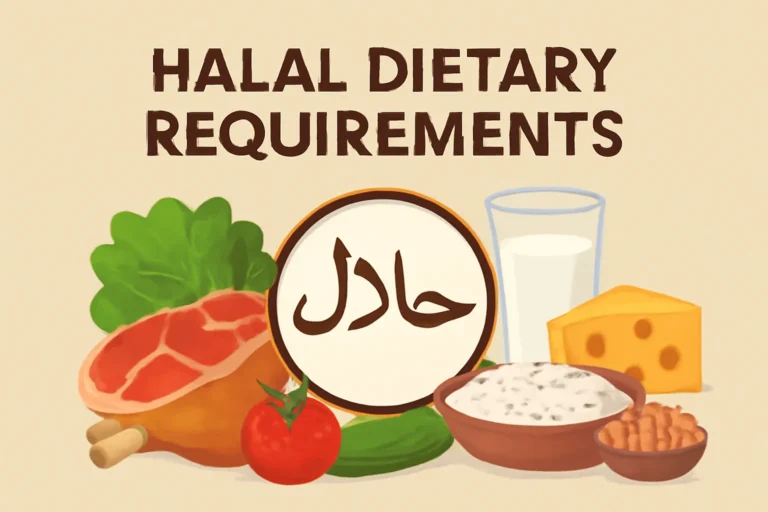
The word halal comes from Arabic and translates to “permissible” or “lawful.” In the context of food, it defines what is allowed for Muslim consumption under Islamic law. The category includes not only the meat itself but also the way the animal is raised, the substances that come into contact with the meat during processing, and the labeling on product packaging.
The Difference Between Halal and Haram
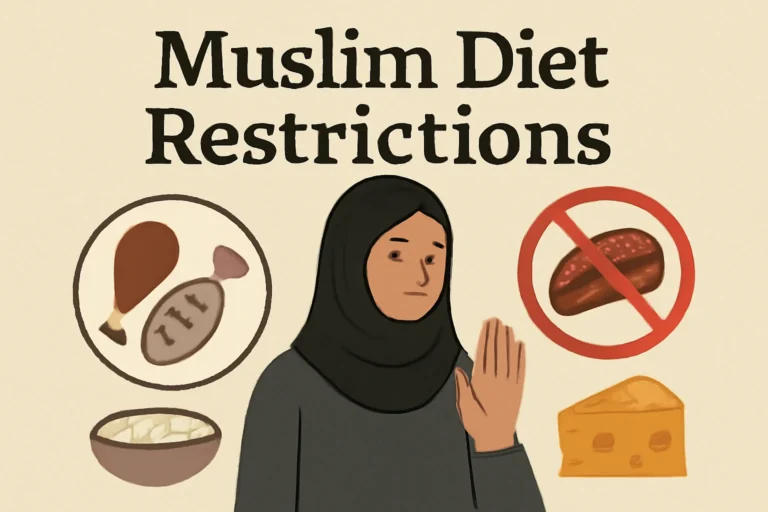
In parallel to halal, the term haram refers to what is forbidden. Common examples include pork and its by-products, animals improperly slaughtered or not slaughtered in the name of God, intoxicants, and any food derived from forbidden activities. Understanding this dichotomy helps consumers recognize why certain ingredients or processing methods are unacceptable in a halal diet.
Key Principles in Halal Food Production
The journey from farm to table involves several checkpoints:
Animal welfare before slaughter, including humane handling and minimizing stress.
Proper slaughter according to zabiha (the traditional method) or other recognized halal standards.
Purity of ingredients and avoidance of prohibited substances.
Clean processing and equipment to prevent cross-contamination with haram substances.
Clear labeling that allows consumers to verify halal status.
Halal Certification: How It Works
The Slaughter Method and Zabiha
A core aspect of halal certification is the method by which the animal is slaughtered, commonly known as zabiha. In a traditional zabiha, a swift, single incision is made to the throat with a sharp blade, severing the trachea, esophagus, and major blood vessels. The animal should be alive and healthy at the time of slaughter, and the slaughterer typically recites a blessing or invokes the name of God (e.g., Bismillah) during the act. The aim is rapid blood loss and minimal suffering, while keeping the process efficient for large-scale production.
Certification Bodies and Common Standards
Halal certification is carried out by recognized bodies that audit farms, slaughterhouses, processing facilities, and distributors. These certifiers evaluate:
Compliance with religious requirements (slaughter, invocations, permissible ingredients).
Facility cleanliness and food safety standards (GMP, HACCP, ISO-related measures).
Ingredient sourcing and supply chain integrity (traceability from farm to fork).
Proper labeling and packaging to ensure sustained halal status.
Global practice varies by country and certifying authority. Some regions permit reversible pre-slaughter stunning as long as the animal recovers and the subsequent slaughter adheres to halal guidelines; others prohibit stunning altogether. If you rely on halal certification for dietary needs, it is essential to consult the specific certification body’s standards to understand what is allowed in your area.
A trustworthy halal program emphasizes traceability—the ability to trace a product’s origin back to a halal-compliant farm or facility. Packaging should clearly indicate the halal status, the issuing certification body, the date of certification, and any processing steps that could affect halal integrity. For consumers, robust labeling reduces uncertainty and helps ensure that the food you purchase aligns with your dietary and religious requirements.
Global Variations and Local Realities
While the core concept of halal remains consistent, the interpretation and enforcement of halal standards differ around the world. Some countries rely on state-run or widely recognized private certifiers, while others use regional or local authorities. In some markets, plant-approved halal labels may appear on packaged products sourced from multiple suppliers. When shopping, it is prudent to look for a well-known, reputable certification mark and to verify the scope of the certification (primarily meat or all products).
Nutrition and Health Aspects of Halal Meat
Protein, Fat, and Nutritional Profile
In terms of nutrition, halal meat is similar to non-halal meat in macronutrient composition. A standard serving of lean halal beef, lamb, or poultry provides high-quality protein, essential amino acids, and varying amounts of fat depending on the cut and animal. The dietary fat profile can range from lean to moderate-fat cuts, with healthier choices including skinless poultry and trimmed red meat. The halal status of meat does not inherently change its protein content or micronutrient density; those qualities are more closely related to species, cut, and how the animal was raised.
Micronutrients and Fiber Considerations
Meat contributes important micronutrients such as iron, zinc, vitamin B12, and selenium. For individuals who abstain from pork or alcohol, halal meat can be a reliable source of these nutrients when included as part of a balanced diet. It is always valuable to pair halal meat with vegetables, legumes, and whole grains to maximize overall nutrition and fiber intake.
Impact of Slaughter Practices on Nutrition and Quality
Slaughter practices can influence certain aspects of meat quality, such as pH, tenderness, and moisture retention, but these effects are generally modest when best practices are followed. The main nutrition difference between halal and non-halal meat tends to come from factors like animal diet, breed, living conditions, and processing methods rather than the slaughter rite itself. Clean processing, quick chilling, and careful handling help preserve flavor, texture, and nutrient integrity.
Food Safety, Hygiene, and Cross-Contamination
A critical consideration in halal nutrition is food safety. Cross-contamination with haram ingredients (for example, pork-derived products or alcohol-based additives) can render a product non-halal and potentially unsafe for consumption. Halal-certified facilities often implement strict controls to prevent cross-contact, including dedicated equipment, separate storage areas, and thorough cleaning protocols. Consumers should still read labels carefully, especially with processed foods that might include flavorings, emulsifiers, stabilizers, or enzymes.
Practical Guidance for Consumers
How to Identify Halal-Certified Products
When you want to ensure adherence to halal principles, look for:
A visible halal certification mark from a reputable certifying body on the package or at the point of sale.
Details about the certification scope (meat, all ingredients, processing facilities).
Country-specific notes that explain the certifier’s authority and the validity period.
Product descriptions that confirm the absence of prohibited ingredients or contact with haram substances.
If you dine outside the home, you can ask questions about halal certification, the slaughter method, and whether cross-contamination controls are in place. Transactional transparency helps protect your ability to adhere to halal dietary practices.
Reading Ingredient Labels for Halal Compliance
Many processed foods contain ingredients derived from non-halal sources. Common considerations include:
Gelatin (may be from porcine or bovine sources; halal gelatin is possible if derived from compliant animals or fish gelatin).
Enzymes and rennet (check the source; microbial or plant-based alternatives can be halal).
Alcohol-based flavorings or extracts (avoid if you are strictly avoiding all alcohol).
Other animal-derived additives such as certain accelerants, emulsifiers, and colorants (verify source and certification).
Cross-contact warnings or facility notes indicating possible contact with haram ingredients.
Reading labels carefully helps ensure that you are consuming halal meat in both whole cuts and processed foods.
Dining Out and Travel Considerations
For many people, eating halal outside the home is a practical goal. Tips include:
Choose restaurants with declared halal menus or clearly labeled halal options.
Ask questions about the slaughter method, the source of meat, and the certification status of ingredients used in sauces or garnishes.
Be mindful of cross-contamination in kitchens that prepare both halal and non-halal foods on shared equipment.
When traveling, research local halal certifiers and availability of validated halal outlets in advance.
Special Topics: Global Practices and Accessibility
Regional Variations in Halal Certification
Halal certification is not a single global standard. In some regions, government agencies regulate halal marketing and certification, while in others, independent mosques or private certifiers oversee the process. This variation means that a product certified halal in one country might require additional verification to be accepted as halal in another jurisdiction. Consumers who follow strict halal rules often rely on well-known, widely recognized certifiers and stay informed about country-specific acceptance.
Non-Meat Halal Products
Halal principles extend beyond meat. Many Muslims seek halal options for dairy, beverages, snacks, and food supplements. For instance, some dairy products may contain emulsifiers or starter cultures sourced from non-halal streams, so halal consumers review ingredient lists and certification for non-meat items as well. Even if a product is not meat, it can still be labeled halal if it meets broader permissible criteria, including the absence of haram substances.
Common Myths and Realities
Halal Certification Equals Superior Health
While halal certification ensures compliance with religious and processing standards, it does not automatically guarantee superior health outcomes. The nutritional quality of halal meat depends on factors such as animal husbandry, feed, slaughter cleanliness, and processing techniques. Consumers should evaluate dietary choices based on overall nutrition, not solely on certification status.
Halal and kosher laws both emphasize humane treatment of animals and clean processing, but they come from distinct religious traditions with different requirements. For example, kosher slaughter has its own set of rules and may differ in the permitted slaughter methods and blessings. Some products carry both halal and kosher certifications, while others are exclusive to one standard. If you hold multiple dietary observances, understanding the overlaps and distinctions can help you diversify your options while remaining compliant.
Is Halal Always Nutritious?
Halal status does not automatically determine nutritional value. A piece of halal meat can be lean or fatty, depending on the cut and animal. Processed halal foods can vary in sugar, salt, and additives. For optimal nutrition, prioritize lean cuts, minimize highly processed items, and balance protein with vegetables, whole grains, and healthy fats. Halal certification should be viewed as a dietary guideline rather than a sole indicator of healthfulness.
To enjoy meals that align with halal principles while maximizing nutrition, consider these planning strategies:
Plan meals around lean proteins such as skinless poultry, fish, and lean cuts of beef or lamb labeled as halal.
Incorporate plant-based protein sources like beans, lentils, chickpeas, and quinoa to diversify nutrition and ease labeling concerns.
Choose whole foods with minimal processing and read labels for additives and potential haram ingredients.
Check food provenance when possible, especially for dairy, sauces, and packaged products with many ingredients.
Support transparent supply chains by buying from producers who publish halal certifications and sourcing details.
Conclusion
The practice of eating halal meat integrates religious observance, animal welfare, and modern food science. Understanding halal certification, the traditional slaughter method, and the nutrition associated with halal meat empowers consumers to make choices that reflect their beliefs and health goals. While certification offers a framework for assurance, it is ultimately your ongoing attention to labels, ingredients, and sourcing that ensures you are consuming halal in ways that align with your values.
Whether you are exploring halal for the first time or navigating complex supply chains as a regular consumer, this guide aims to provide practical, trustworthy information. By recognizing the key elements—clear labeling, humane practices, and transparent ingredients—you can enjoy a diverse range of halal-friendly foods, maintain nutritional balance, and support a system that respects faith, culture, and science.
For anyone seeking to expand their understanding further, consider reaching out to reputable halal certification bodies, reading current guidelines in your country, and engaging with community discussions about best practices. The landscape of halal food is dynamic, with ongoing development in labeling, traceability, and safety — all aimed at helping people enjoy the foods they love without compromising their beliefs or well-being.



Deja una respuesta