Halal Beauty Products: The Ultimate Guide to Ethical Skincare and Makeup
In recent years, the world of beauty has expanded beyond color, texture, and fragrance to embrace a framework of ethics and faith. Halal beauty products are not just about avoiding forbidden ingredients; they represent a broader commitment to transparency, responsibility, and inner and outer wellbeing. Whether you are a practicing Muslim seeking beauty options that align with your beliefs or a consumer interested in ethically sourced cosmetics and skincare, this guide is designed to be your comprehensive companion. It will walk you through the essentials of halal beauty, from ingredient lists and certification to practical tips for building a routine that feels luxurious, effective, and trustworthy.
The idea of halal skincare and halal makeup centers on products that are permissible under Islamic law, produced in ways that avoid haram substances, and manufactured with consideration for animal welfare, environmental sustainability, and humane testing practices. At its best, a halal beauty routine is not a compromise but a holistic approach that respects faith, science, and personal values. This article uses a wide range of terms—halal-certified cosmetics, halal-friendly skincare, permissible beauty products, and Muslim-friendly cosmetics—to reflect the breadth of language used in the industry, while keeping a single, clear standard in mind: safety, integrity, and alignment with halal principles.
What does halal beauty mean in practice?
At its core, halal beauty means choosing products whose ingredients, manufacturing processes, and labeling meet standards that comply with Islamic guidance. This involves several practical dimensions:
Ingredients: No haram (forbidden) substances such as porcine derivatives or intoxicating agents in cosmetic form. For some Muslims, even certain alcohols may be avoided, while others accept non-intoxicating ethanol in trace amounts; brands often provide guidance via certificates.
Certification: Independent halal certification or affirmation from an imam-approved body is often sought so consumers can shop confidently.
Ethics: Cruelty-free status, cruelty-free testing policies, and humane sourcing of animal-derived ingredients when present.
Sustainability: Environmentally friendly packaging and responsible supply chains are increasingly central to what many call ethical halal beauty.
For many shoppers, the presence of a halal-certified seal is a surrogate for trust. But certification is not the only indicator of quality. Some brands choose to disclose complete ingredient lists and manufacturing notes without formal certification, which can also empower consumers to make halal-aligned choices. In any case, the goal is a transparent product story—one that helps you verify compliance with your personal standards.
Certification and labeling: how to read halal claims
Understanding labels is essential. The product may bear a halal certification, a halal-friendly designation, or simply an ingredient list that you can interpret with knowledge. Here are practical steps to evaluate a product:
Look for an official halal certificate from a recognized body. Common certifiers include organizations in the Middle East, Southeast Asia, and Europe. The certificate number and issuing body should be visible on the packaging or the brand’s website.
Review the ingredient list for questionable substances. If you are unsure about a term, research it or consult a reliable halal cosmetic glossary. Some ingredients of concern include porcine derivatives, gelatin of porcine origin, animal fats not converted through permissible methods, and certain alcohols that may be considered haram.
Check for production disclosures. Brands that reveal their manufacturing facilities, testing policies, and supplier ethics often provide a higher level of trust, even if they do not have a formal halal stamp.
Be aware of multi-ingredient formulations. A product might be halal in its base formula but could become haram due to cross-contamination if produced on shared equipment without proper cleaning, testing, or separation.
If you ever encounter a product that claims to be halal-inspired or halal-adjacent but lacks clear certification, approach with caution. The absence of a certificate does not automatically disqualify a product, but it does require more diligence on the part of the consumer.
Ingredient guide: Haram vs. halal in cosmetics and skincare
A practical way to navigate halal beauty is to familiarize yourself with common categories of ingredients and how they’re viewed within halal frameworks. Below is a concise guide to help you differentiate.
Haram ingredients commonly avoided in halal beauty include porcine-derived substances (like gelatin from pigs), animal fats not processed in a halal-compliant way, and certain enzymes or additives derived from prohibited sources.
Alcohol-based ingredients may be restricted in some schools of thought or by certain certifying bodies. Depending on the certification, ethanol under specific conditions might be permissible if it is not intoxicating and fruitfully processed, but many halal cosmetics choose to minimize or eliminate alcohol altogether.
Animal-derived ingredients such as lanolin, carmine (derived from insects but used in some cosmetics), or collagen require careful sourcing to be considered halal; many brands address this by offering vegan or synthetic alternatives or by certifying animal-sourced ingredients as halal after inspection.
Plant-based and synthetic ingredients are often compatible with halal standards, especially when not contaminated by haram processing or cross-contact with prohibited substances.
Ingredients of concern in some contexts include certain screens or films used in cosmetics, which may be animal-derived in some supply chains. Check with the brand if you have questions about a specific ingredient’s origin.
The most reliable approach is to combine a close reading of the ingredient list with the assurance of a trustworthy halal-certified stamp or a brand’s explicit policy statement. When in doubt, you can contact the brand’s customer service for a detailed explanation of ingredient sourcing, processing, and certification status.
Halal skincare: product categories and routine principles
The halal beauty landscape spans a broad range of products, from daily cleansers to luxurious serums. Readers often ask whether a full halal skincare routine is practical for various climates and skin types. The answer is yes: with thoughtful selection and mindful routines, you can achieve real results while remaining faithful to halal guidelines.
Foundations of a halal skincare routine
A balanced routine typically emphasizes those steps that keep the skin clean, hydrated, protected, and nourished, all while using products that meet halal standards.
Cleansers that remove makeup and impurities without stripping the skin. Look for gentle surfactants, hydrating humectants, and halal-certified ingredients.
Toners or essences that restore pH balance and prep the skin for subsequent steps. Check for alcohol-free formulations if possible.
Serums and treatments that address concerns such as hyperpigmentation, aging, or irritation. Ingredients like hyaluronic acid, niacinamide, vitamin C, and plant extracts can be included if certified halal.
Moisturizers that seal in hydration. Look for glycerin, ceramides, squalane, and plant oils sourced through halal-approved processes.
SPF protection that shields the skin from UV damage. Ensure sunscreen formulations are halal-friendly, particularly with regard to fragrance, alcohol, and emulsifiers if you follow stricter halal interpretations.
Adopting a halal skincare routine means more than product choices; it’s a habit of reading labels, asking questions, and choosing brands that transparently share their sourcing and testing practices. An effective halal skincare routine should be sustainable, gentle on the skin, and aligned with personal values.
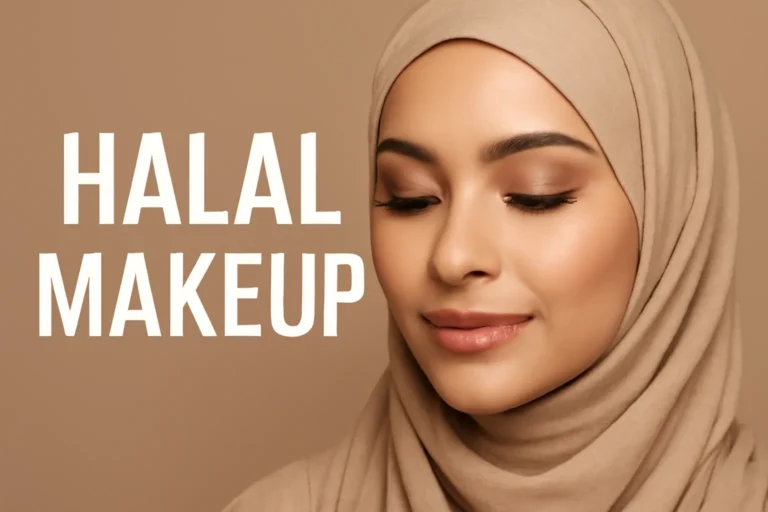
Halal makeup: fundamentals and practical tips
Makeup is a particularly expressive area where halal considerations meet daily life. Even as the pigments enhance beauty, many consumers want assurance that the makeup they wear aligns with religious and ethical expectations.
Halal makeup essentials
Core items that frequently appear in halal makeup routines include the following, along with guidance on what to look for:
Foundations and tinted moisturizers with halal compliance, non-comedogenic formulas, and stable pigments. Look for conventional shades that blend well with various undertones and ensure the base ingredients avoid haram components.
Concealers for spot coverage, with clean formulations and halal-certification when possible.
Powders for setting makeup, reducing shine, or providing a matte finish. Ensure the powders do not contain haram filters or additives.
Blushes and bronzers that offer color payoff with safe colorants, and preferably cruelty-free certification in addition to halal compliance.
Eye makeup including mascara, eyeliner, and eyeshadows. The ingredients should avoid haram sources; pigments should be verified, and the products should be manufactured in hygienic conditions to prevent contamination.
Lip colors and lip balms with safe colorants and halal-certified ingredients; avoid any alcohol- or porcine-derived components if your standards are stricter.
Important practice: many halal-certified makeup products emphasize pigment quality, staying power, and skin-friendliness. Consumers should also consider fragrance-free options if sensitive skin is a concern, since fragrances can be a common allergen and a point of failure for some halal certifications that require purity in ingredients.
How to evaluate brands: transparency, ethics, and halal faithfulness
The market for halal beauty products is diverse. Some brands focus primarily on halal certification, while others are “halal-aligned” but still maintain robust ethical standards. Here are practical criteria to help you evaluate brands:
Certification status: Does the product or brand carry formal halal certification from a recognized body? If yes, is the certificate current and clearly stated?
Ingredient sourcing: Are animal-derived ingredients sourced from halal-approved suppliers? Are plants and minerals described clearly? Is there a clear stance on alcohol content?
Manufacturing practices: Are production facilities maintaining separation between halal and non-halal products? Is there clear documentation about cross-contamination controls?
Ethical commitments: Are the products cruelty-free? Are packaging and supply chains environmentally responsible? Is there transparency about parent companies and subsidiaries?
Consumer education: Does the brand publish detailed ingredient glossaries, sourcing notes, and accessibility to customer inquiries?
When brands combine halal-certification with cruelty-free practices and transparent supply chains, many consumers consider them strong candidates for daily use. However, even in the absence of certification, brands that publish clear ingredient lists and respond to questions about sourcing may still be trustworthy for halal shoppers. Your personal standard will guide how you weigh these factors.
Product examples and categories: a practical map
The halal beauty ecosystem spans not only skincare and makeup, but also haircare, fragrance, and personal care products. Below is a practical map to help you navigate typical product categories and what you should seek in each.
Halal skincare staples: cleansers, toners or mists, serums, moisturizers,SPF sunscreens, and occasional masks. Look for clean labels, minimal irritants, and halal-certified claims where possible.
Halal makeup staples: foundation, concealer, setting powder, blush, eyeshadow, eyeliner, mascara, lipstick, and lip gloss. Prioritize hypoallergenic options if you have sensitive skin.
Haircare and personal care: shampoos, conditioners, styling products, body washes, deodorants, and shaving products with halal-suitable ingredients and packaging.
Fragrances: perfumes and body mists labeled halal-friendly, with a note about fragrance chemistry and potential alcohol content.
The long-term goal for many shoppers is to assemble a complete halal lifestyle kit: a curated set of products across categories that you trust to use daily. This holistic approach reduces the need to second-guess every purchase and helps you maintain consistency in ethical standards.
DIY vs. store-bought: halal choices at home
Some people enjoy DIY halal beauty because it offers control over ingredients and sourcing. At the same time, store-bought halal products provide convenience, consistency, and access to formulations backed by external certification. Here are considerations for both paths.
DIY halal beauty basics
Use food-grade ingredients for basic scrubs or masks (e.g., ground oats, yogurt, honey) as long as you confirm they are halal and free of contaminants.
Be mindful of equipment cleanliness and avoid cross-contamination with haram tools or substances.
Follow reputable recipes and test patches to prevent adverse reactions, especially with plant extracts and essential oils that can irritate sensitive skin.
DIY has its appeal, especially for those who want to customize fragrance, texture, and potency. However, it may lack the formal certification imprimatur that some consumers rely on for strict halal adherence. If you choose to DIY, document your sourcing and maintain hygiene standards to preserve the integrity of your routine.
Store-bought halal products: what to expect
Quality control and consistent formulations are hallmarks of reputable brands. A halal-certified label often points to a well-defined supply chain and clear ingredient origins.
Product testing may include safety assessments and allergy testing. Look for patch test recommendations and dermatological testing language on the packaging.
Packaging and labeling are critical. Clear ingredient disclosures, batch numbers, and certification marks help you verify authenticity if you encounter reformulations or new packaging.
In both DIY and store-bought routes, it is essential to stay informed, read every ingredient list, and stay engaged with brand communications. The halal beauty landscape evolves rapidly, with new formulations, new certifiers, and new ethical commitments emerging regularly.
Common myths and truths about halal beauty
As halal beauty becomes more mainstream, several myths persist. We address a few of the most common misconceptions to help you shop confidently.
Myth: Halal-certified cosmetics are always vegan. Truth: Halal certification focuses on permissible ingredients, not necessarily vegan content. Some halal products may include animal-derived ingredients that are permissible and sourced in a halal way, while others may be vegan.
Myth: All alcohol in cosmetics is forbidden. Truth: Opinions vary among scholars and certifiers. Some halal bodies allow certain non-intoxicating alcohols in trace amounts, while others require alcohol-free formulations.
Myth: Halal beauty equals a bland or unattractive range. Truth: The market now includes vibrant shades, luxury textures, and high-performance skincare that meet both aesthetic and faith-based criteria.
Myth: Any brand with a halal label is automatically ethical. Truth: Certification is important, but you should also assess cruelty-free policies, environmental impact, and transparency about supply chains.
Ethics, sustainability, and the broader halal principles
Halal beauty intersects with broader ethical concerns, including animal welfare, environmental stewardship, fair labor practices, and sustainable packaging. For many shoppers, these considerations matter as much as ingredient sourcing. A modern halal beauty routine often embodies a blend of spiritual discipline and pragmatic ethics.
Cruelty-free commitments: Brands may be certified cruelty-free or disclose their animal-testing policies. This aligns with many religious and ethical standpoints that value mercy and responsibility toward living beings.
Environmentally responsible packaging: Recyclable or compostable packaging, reduced plastic usage, and refill options are increasingly common in halal brands.
Fair labor and supply chain transparency: Consumers expect brands to disclose supplier networks, fair wages, and safe working conditions.
Clean ingredients: The focus on clean, non-toxic ingredients supports health and aligns with clean beauty trends, which are often compatible with halal principles.
Ethics and halal compliance are not mutually exclusive; in fact, many of the same brands that pursue halal certification also pursue broader ethical certifications, sustainability reporting, and social responsibility initiatives. This synergy creates a compelling reason for conscientious shoppers to seek products that satisfy both faith-based and moral criteria.
Practical tips for building a halal beauty routine that lasts
Building a durable halal beauty routine takes time, but the payoff is meaningful confidence and alignment with personal values. Here are practical tips to help you maintain a sustainable practice.
Create a shopping shortlist of must-have products in each category (skincare, makeup, haircare, fragrance). Prioritize items with halal certification, but also document trusted brands that share detailed ingredient lists.
Develop a labeling system at home. Use color-coded stickers or notes to indicate whether a product is certified halal, vegan, cruelty-free, or environmentally friendly, so you can quickly verify your choices.
Rotate products to minimize risk of irritation and cross-contamination. For example, rotate cleansers, moisturizers, and sunscreen to reduce sensitivity and maintain skin health.
Track reordering cycles to ensure you always have a halal-certified backup. Setting reminders helps prevent last-minute substitutions that might conflict with religious guidelines.
Educate yourself continuously: The halal beauty landscape changes, with new certifications and formulas. Stay engaged with blogs, brand newsletters, and trusted halal industry resources to keep your routine current.
The routine is not a rigid set of rules but a flexible framework that respects faith and health. The most important thing is consistency: a daily recognition that your beauty products reflect your values as much as your preferences for texture, scent, and color.
Common concerns when shopping abroad or while traveling
Travel can complicate halal product sourcing, especially when crossing borders to regions with different certifying bodies and labeling norms. Here are strategies to help you stay aligned on the move.
Carry a compact certification reference: A small card or note with a list of common certifying bodies and what their logos look like can help you quickly verify in stores or duty-free shops.
Check local regulations: Some countries have robust halal cosmetics markets and strict labeling requirements, while others may rely on brand assurances rather than third-party certification.
Pack travel-size halal options: If you have a trusted routine, bringing travel-sized halal-certified products minimizes the risk of switching to non-halal items while away from home.
Be prepared to substitute: In some cases, you may need to select alternatives from local halal brands. A flexible plan helps you maintain your ethical standards without compromising your skin health.
Travel experts and dermatology professionals often recommend a lightweight, well-tolerated set of products for trips—especially SPF, a cleanser, a moisturizer, and a lip product—so you can maintain your halal routine with minimal complexity while exploring new brands in unfamiliar markets.
Here are quick answers to some common questions people ask as they navigate halal beauty shopping.
Q: Can I trust a brand that claims halal without certification?
A: A brand without certification may still align with halal principles, but certification provides a third-party verification that can reduce guesswork. When in doubt, contact the brand for sourcing details and request a certificate.
Q: Is all vegan beauty halal?
A: Not automatically. Halal and vegan goals can overlap, but halal requirements are broader. Some vegan products may contain alcohol or other ingredients considered haram by certain certifiers. Always check the certificate and ingredients.
Q: Do halal products necessarily avoid all animal-derived ingredients?
A: Not necessarily. Some halal products may include animal-derived ingredients if they are sourced and processed according to halal guidelines. Others may be vegan or vegetarian. Clarity of sourcing is key.
Q: How can I verify a certification is legitimate?
A: Look for the certifying body’s official logo, certificate number, and a link to the certificate on the brand’s website. Verify the certificate with the certifier if possible.
Q: What if I have sensitive skin?
A: Choose fragrance-free, hypoallergenic, and minimalistic formulations where possible. Always perform a patch test, even for halal-certified products, and opt for simpler ingredient lists when irritation occurs.
Conclusion: embracing ethical, effective, and accessible halal beauty
The world of Halal beauty products offers a compelling blend of spiritual alignment, ethical commitment, and practical beauty science. For many people, the goal is not merely to look good but to feel confident that every purchase respects their values—whether that means avoiding haram ingredients, supporting cruelty-free production, or choosing sustainable packaging. The ultimate guide to ethical skincare and makeup invites you to become a more intentional shopper: to read labels, understand sourcing, seek transparency, and celebrate beauty that honors your beliefs while delivering real results on the skin.
Whether you call it halal skincare, halal makeup, or halal-certified cosmetics, this approach to beauty is about consent, care, and responsibility. It is a growing, dynamic field that welcomes diverse voices, skin tones, and aesthetic preferences, and it rewards curiosity and diligence. As you embark on or continue your halal beauty journey, remember that the strongest confidence often comes from knowing you are choosing products that harmonize with your faith, protect the Earth, and respect all living beings.





Deja una respuesta