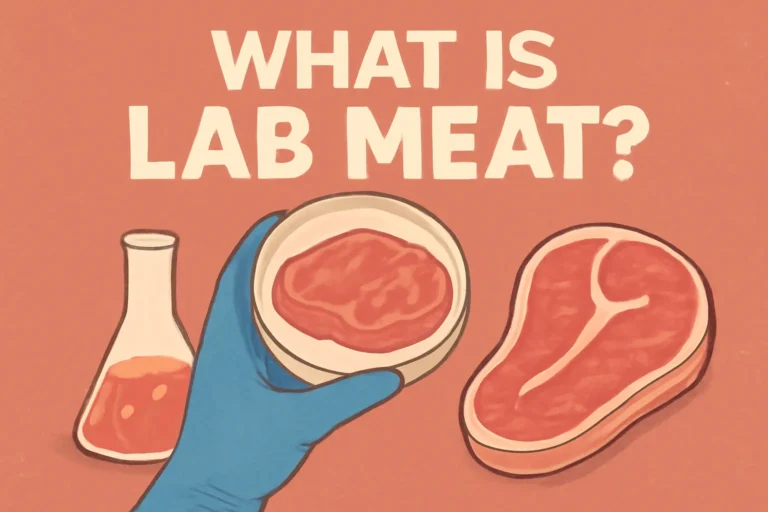
The concept commonly referred to as lab-grown meat is also known by several other
terms that appear in scientific literature and media discussions. These include cultured meat, cell-based meat, in vitro meat, cultivated meat, and biotechnologically produced meat. While the phrasing may vary, the underlying idea is the
same: meat products produced from animal cells without raising and slaughtering traditional livestock.
This article uses a broad umbrella for these terms and highlights the shared core concept: meat that originates
from animal cells cultured in controlled environments, rather than meat harvested from whole animals. The goal of
this technology is not to replace all animal farming overnight, but to provide an alternative path to the same
end product — a protein source with the sensory and culinary characteristics of conventional meat — while
addressing a variety of social, environmental, and ethical considerations.
What it is: defining the concept and key features
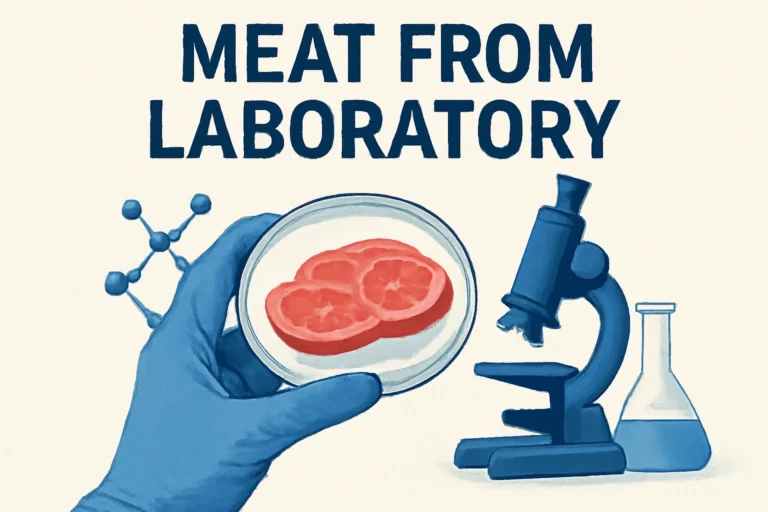
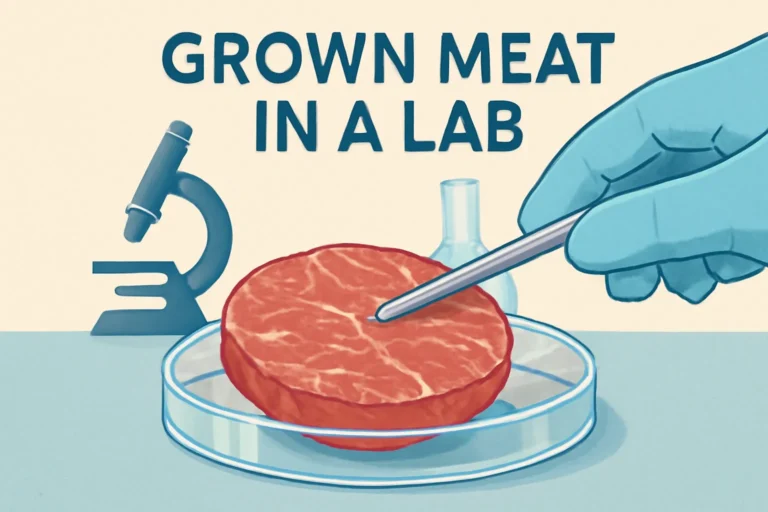
In simple terms, this form of meat is cell-based animal tissue that has been grown outside a living animal.
It begins with cells that retain the ability to proliferate and, through a sequence of carefully controlled steps, become
muscle tissue and, in some products, fat and connective tissue. The result is a piece of edible tissue that, in many
ways, looks, feels, and tastes like conventional meat.
There are several principal distinctions between lab-based meat and other protein alternatives:
Source material: The starting cells typically come from a small biopsy of a real animal or from stem cell lines.
Biology and composition: The product aims to replicate the cellular makeup of muscle tissue, including muscle fibers, fat, and sometimes connective components.
Production environment: Cells are cultured in sterile facilities using nutrient-rich media under precise temperature and atmospheric conditions.
Regulatory and safety frameworks: These products often require distinct oversight compared to conventional foods, particularly around cell sourcing, culture media, and traceability.
Some supporters emphasize that cell-based meat can be produced with a smaller land footprint, potentially lower water use, and a reduced
carbon burden if energy mixes are cleaner. Critics stress that practical scaling, cost reduction, and public acceptance are still evolving.
Both sides frequently agree on the importance of transparent labeling, robust safety testing, and science-based regulatory pathways.
How lab-grown meat is made: core steps and technologies
Cell sourcing and selection
The journey begins with obtaining animal cells. Cell sourcing can involve taking a small biopsy from a healthy animal, or using established cell lines
that can proliferate in culture. The intent is to select cells with the capacity to grow, differentiate into muscle and fat cells,
and form structured tissues. The source material often includes satellite cells (which are specialized cells in muscle tissue) and
myoblasts, which fuse to form muscle fibers.
A key consideration is minimizing animal harm while ensuring the cells are genetically and phenotypically suitable for food production.
Some researchers pursue universal cell lines that can be used across multiple species, while others opt for species-specific lines to capture
distinctive muscle characteristics. In both cases, cells must be carefully screened to avoid any contamination and to ensure consistent behavior
in culture.
Cell culture and proliferation
Once the initial cells are secured, they are nurtured in a carefully controlled environment that provides nutrients, minerals, growth factors,
and appropriate oxygen levels. This phase is called cell culture and proliferation. The culture conditions are tuned to maximize
cell division while preventing unwanted changes that could affect texture or safety.
The media used to feed the cells historically relied on fetal bovine serum or other animal-derived components, which raised ethical and safety questions.
A significant area of development in the field is creating serum-free or plant- or yeast-derived alternatives that support growth
without relying on animal products. Achieving robust, cost-effective, and scalable media is a central research goal, because media cost can be a major driver of overall product pricing.
For the cells to become meaningful amounts of edible tissue, they must be grown at scale in bioreactors and other controlled systems.
Bioreactors provide a large, sterile environment with precise control over temperature, pH, oxygen, and nutrients. There are several architectural approaches:
Adherent systems: Cells grow attached to a surface, forming layers or sheets. These can be used for tissue engineering approaches that resemble structured muscle.
Suspension systems: Cells grow freely in liquid culture, often forming aggregates or spheroids. This approach can support higher throughput.
3D scaffolds: A three-dimensional scaffold can guide tissue organization and promote the formation of more realistic muscle architecture.
The choice of bioreactor and culture strategy influences the texture, juiciness, and mouthfeel of the final product. Engineers and biologists often work together to fine-tune parameters such as shear forces, nutrient delivery, and waste removal to support healthy tissue growth without compromising safety.
Tissue structuring and maturation
After cells proliferate, they begin to differentiate into mature muscle fibers and develop a structural network. This phase — tissue structuring and maturation — is crucial for achieving the
characteristic bite and fiber alignment found in conventional meat. In some approaches, scientists use scaffolds or biophysical cues to mimic the natural
organization of muscle tissue, while other methods explore scaffold-free strategies that rely on cell-cell interactions and self-assembly.
Some products also incorporate fat cells to enhance flavor and juiciness, and researchers are exploring how to engineer connective tissue to improve texture and
mouthfeel. Ultimately, the goal is to produce a product with desirable sensory properties— appearing pink, tender, and flavorful—while maintaining
consistency across batches.
Quality control, safety, and regulatory considerations
A robust quality system is essential when producing any food product through biotechnology. Key areas include microbial safety, absence of contaminants, and traceability
from cell source to final product. Regulatory agencies in different regions are actively evaluating how to supervise these products, including how to label them, what kind of
claims are permitted, and what safety data are required before market entry.
Industry stakeholders emphasize the need for transparent composition disclosure, standardized testing for pathogens and toxins, and global harmonization of safety criteria to facilitate international trade.
What is produced: varieties and forms of meat from the lab
The field has produced a range of products, from simple minced preparations to more structured cuts that resemble steak or chicken fillets. The diversity
reflects ongoing research into how to tailor texture, flavor, and culinary versatility. Early demonstrations focused on ground meat or patty-like products,
while more advanced efforts aim to reproduce muscle fiber alignment and marbling that resemble traditional cuts.
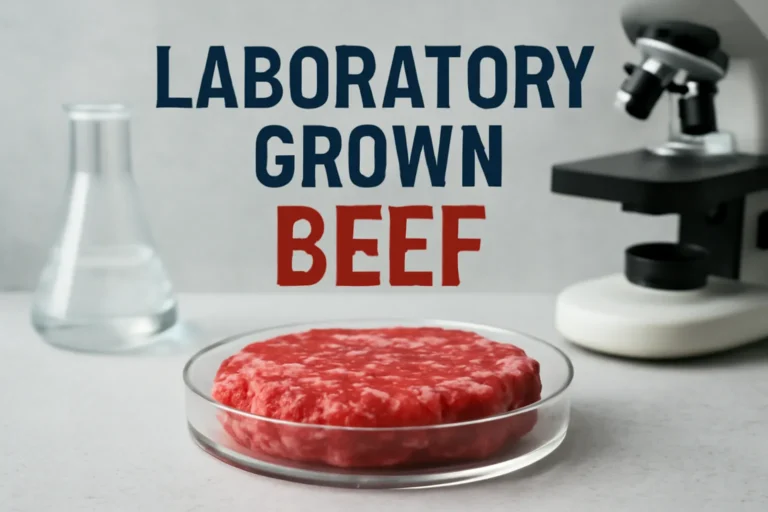
Ground or minced products: These options are often the first commercially viable formats due to easier replication of texture and efficient use of culture material.
Structured cuts: Efforts to produce steaks, chops, or fillet-like pieces rely on ensemble strategies for tissue organization and fat distribution.
Fat-rich variants: Injecting or integrating fat cells during growth can improve flavor and juiciness, aligning with consumer expectations for marbling.
Hybrid products: Some research explores blending cultured meat with plant-based ingredients to balance texture, cost, and sensory outcomes.
Potential benefits: why societies are paying attention
The appeal of meat produced in laboratories stems from a set of potential advantages that address some longstanding tensions around food systems. While the real-world impact will depend on policy choices, energy sources, and consumer behavior, several themes recur in discussions about cultivated meat, cell-based meat, and similar concepts.
Animal welfare: By reducing or eliminating the need for raising and slaughtering billions of animals, cultured meats could lessen animal suffering and improve welfare across farming sectors.
Environmental footprint: Proponents argue that cultured meat has the potential to lower land use, water consumption, and greenhouse gas emissions, especially if produced with low-carbon energy and optimized supply chains.
Public health considerations: A controlled production environment can minimize exposure to pathogens and reduce the risk of certain foodborne illnesses associated with traditional meat supply chains.
Food security: In theory, a scalable technology could contribute to food security, offering a resilient source of protein that is less dependent on weather, disease, or seasonal fluctuations.
Flavor and texture tuning: Precision culture and tissue engineering enable researchers to tailor textural profiles and taste experiences, potentially expanding culinary possibilities for chefs and home cooks.
Challenges and criticisms: what remains to be solved
Despite optimism, the field faces a number of practical and societal obstacles. Addressing these challenges requires interdisciplinary collaboration among biologists, engineers, economists, policymakers, and consumer advocates.
Cost and scalability: Reaching price parity with conventional meat is a core goal, but manufacturing scale, media costs, and energy inputs remain critical bottlenecks.
Media composition: The nutrient mixture used to feed cells has historically included animal-derived components. Developing animal-free media at scale is a major focus to address ethical concerns and regulatory hurdles.
Texture and taste alignment: Replicating the complex structure of muscle, fat, and connective tissue in a single product is technically demanding and time-consuming.
Labeling and consumer perception: People differ in their willingness to try and adopt lab-produced meats, and labeling decisions can influence trust and acceptance.
Regulatory pathways: Countries are still defining how to regulate these products, including safety testing, marketing claims, and import/export rules.
Intellectual property and supply chains: Patents and proprietary formulations influence who can produce and at what cost, potentially shaping market dynamics.
Regulation, safety, and consumer information
Regulation is a moving target for cultivated meat and its kin. Early-market products have navigated pathways designed for novel foods, cellular agriculture practices, and novel ingredient introductions. In some regions, regulators require rigorous safety assessments, environmental impact disclosures, and labeling standards to clearly communicate that a product was produced through cell culture rather than traditional farming.
Transparent communication about ingredient lists, production processes, and any potential allergens helps consumers make informed choices. Some advocates emphasize the need for third-party testing, clear documentation of media sources, and robust post-market surveillance to ensure ongoing safety.
Economic and social considerations: who stands to gain or lose?
The emergence of lab-generated or cell-based meat intersects with economics, labor markets, and rural economies. On the one hand, it could reduce demand for livestock farming in certain regions or support diversification for producers who adopt this technology. On the other hand, the transition may require capital-intensive investment in new facilities, distribution networks, and skilled labor in high-tech agriculture.
Farmers and suppliers: Livestock farmers could experience shifts in demand, while suppliers of feed, veterinary services, and processing facilities might pivot to support cultured-meat production lines.
Job landscapes: Jobs in laboratory sciences, bioprocess engineering, and biomanufacturing could grow, even as traditional meat-processing roles evolve or decline.
Rural versus urban dynamics: The geographic footprint of production could influence regional economic patterns, potentially reducing some rural environmental pressures while enabling new industrial hubs in other regions.
The future of meat from the laboratory: scenarios and timelines
Forecasts for when lab-grown or cultured meats will be widely available vary, and they depend on breakthroughs in technology, cost reductions, consumer acceptance, and policy environments. Some scenarios envision a gradual integration where cultured meat complements conventional meat rather than fully replacing it. Others imagine a future with broader adoption in multiple product lines, including fresh cuts, ground meat, and specialty items.
A few thought-out trajectories often discussed include:
Incremental market introduction: Cultured products enter retail as niche items or premium offerings, expanding as production scales and costs fall.
Hybrid models: Blends of cultured meat with plant-based ingredients in burgers, sausages, and ready-to-cook products become common, balancing texture and price considerations.
Full-scale shift: In a favorable policy and energy context, a substantial share of meat demand could be met by cultivated products, especially in regions prioritizing animal welfare and environmental sustainability.
Global differences: Adoption rates will likely differ by country, depending on regulatory clarity, consumer education, supply chain robustness, and energy infrastructure.
Beyond nutrition and sustainability, culinary science plays a significant role in shaping how this meat is experienced. Chefs explore how to replicate marbling, juiciness, and mouthfeel through controlled differentiation and texture engineering. Some examples of desired culinary outcomes include:
Juiciness and tenderness achieved through careful fat-cell integration or intramuscular fat distribution.
Flavor development guided by the cellular environment and the use of natural flavor compounds present in traditional meat.
Color and appearance matching typical meat hues through pigment control and tissue organization.
Texture diversity enabling products that resemble ground meat, flap cuts, and lean steaks alike.
Ethical and cultural considerations: what communities think
The introduction of lab-made meat intersects with a broad spectrum of ethical questions. Some communities emphasize the reduction of animal suffering and ecological harms, viewing cultured meat as a compassionate alternative. Others raise concerns about the way the vertical integration of technology into food systems could affect traditional farming cultures, indigenous foodways, and local economies.
Cultural expectations about flavor, texture, and even the social rituals surrounding meat consumption can shape acceptance. Ongoing education, transparent labeling, and respectful engagement with diverse communities will be important as these products move from pilot projects to mainstream grocery aisles and restaurant menus.
Environmental considerations: weighing the footprint
The environmental profile of cultured meat and its kin is highly policy- and energy-dependent. Some studies suggest potential reductions in land use and water use, while others highlight the current energy intensity of bioprocessing as a challenge. The environmental advantages depend on:
Energy sources: Cleaner electricity grids can dramatically improve the overall footprint.
Process efficiency: Advancements in media formulation, bioreactor design, and tissue engineering can lower resource demands.
In the long term, the environmental case for in vitro or lab-based meat could strengthen as technology matures and as climate-conscious policy incentivizes lower-emission food production.
Common myths and facts about lab-grown meat
As with any transformative technology, public discourse includes a mix of hope, skepticism, and misinformation. Here are a few points commonly discussed, paired with concise clarifications:
Myth: Cultured meat is not real meat. Fact: It is real animal tissue produced through cell culture, designed to achieve similar composition and sensory properties as traditional meat.
Myth: It will immediately replace conventional meat. Fact: Most scenarios envision a gradual adoption, with cultured products complementing conventional meat for years to come.
Myth: It requires no energy or is entirely carbon-neutral. Fact: The environmental footprint depends on energy sources and process efficiency; it is not inherently energy-free.
Myth: It is unsafe or unregulated. Fact: Regulatory oversight is active in multiple regions, with ongoing safety assessments and labeling standards being established.
Practical considerations for consumers
For consumers, choosing between conventional meat, plant-based alternatives, and cultivated meat may come down to taste, price, perceived safety, and values around sustainability and animal welfare.
Labeling and claims: Clear information about the production method helps consumers make informed decisions.
Price trends: As with any emerging technology, prices are likely to decline over time with scale and competition.
Taste and texture: Ongoing culinary refinement aims to deliver experiences that satisfy familiar preferences.
Availability: Early products may be limited to certain markets or formats, expanding as production expands.
Glossary of key terms used in this article
To aid understanding, here is a quick glossary of commonly used terms related to meat from the laboratory:
Cultured meat or cultivated meat: Alternative terms for meat produced from animal cells in culture.
Cell-based meat: A description emphasizing the origin of the product in cell culture.
In vitro meat: An early term highlighting the laboratory environment in which cells grow.
Bioreactor: A device or system that provides a controlled environment for cell growth.
Scaffolding: Structures used to guide tissue formation and organization in three dimensions.
Serum-free media: Nutrient media formulated to avoid animal-derived components.
Conclusion: reframing meat for the future
Meat produced in the laboratory represents a frontier that blends biology, engineering, ethics, and consumer culture. Regardless of terminology, the central premise is to create edible animal tissue without the conventional animal husbandry cycle. This approach holds the promise of reducing environmental pressures, improving animal welfare, and offering new culinary possibilities—provided the challenges of cost, scalability, safety, and consumer acceptance are thoughtfully addressed.
As development continues, it will be essential for researchers, policymakers, industry players, and the public to engage in open dialogue about expectations, trade-offs, and governance. With transparent research practices, robust safety testing, and clear communication, cell-based, lab-grown, or cultured meat can become a legitimate option within a diverse and sustainable food system. The future of this biotechnologically produced protein depends on collaboration, rigorous science, and a shared commitment to responsible innovation that respects animals, the environment, and human health.


Deja una respuesta