Across many cultures, meat embodies more than sustenance—it carries tradition, philosophy, and a framework for responsibilities toward animals, the environment, and the consumer. In the Muslim world and in communities with halal-certification needs, halal meat signals that the animal was raised, slaughtered, and processed according to a specific set of rules designed to align with religious and ethical norms. This guide explores what makes halal meat different, presenting a practical overview of the core concepts, common questions, and the steps behind the scenes so readers can recognize, compare, and evaluate halal options in kitchens, markets, and restaurants.
The core idea: what defines halal meat
In its simplest sense, halal means permissible under Islamic law. When applied to meat, it encompasses several interrelated requirements that begin long before the blade touches the animal. The purpose is to ensure that the animal is treated with care, the process honors the intention of the slaughter, and the resulting product is free from substances that Islam prohibits. Understanding these elements helps to illuminate why halal meat is more than a label or a logo—it's a comprehensive system that governs life-cycle choices from farm to table.
The slaughter method: zabiha and the swift, humane cut
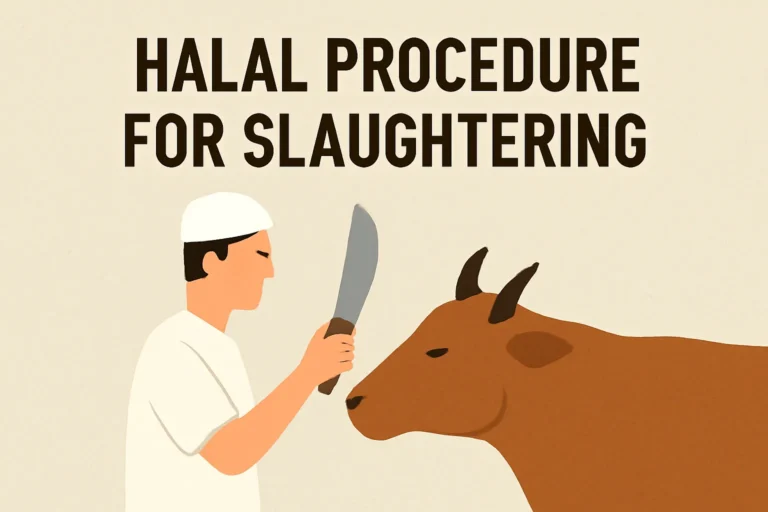
The centerpiece of zabiha (the practice of halal slaughter) is a single, swift cut to the throat with a sharp knife that severs the major blood vessels. The aim is to cause rapid unconsciousness and minimal suffering, followed by the efficient drainage of blood from the carcass. This method is designed to reduce stress on the animal and to remove the majority of blood, which is considered impure in Islamic law.
Variations exist in how precisely this is performed in different communities and jurisdictions. Some authorities emphasize the exact positioning of the knife, others focus on the person performing the cut and the recitation of a blessing. A common element across most halal traditions is the invocation of God’s name (often in the form of a short blessing such as “Bismillah” or “In the name of God, the Merciful”). This invocation is intended to acknowledge the sacred nature of the act and to set a mindful intention for the slaughter.
The animal must be healthy and alive at the moment of slaughter.
The slaughter should be performed by a competent, sane adult Muslim (some interpretations permit qualified non-Muslims under certain conditions, depending on certification and local law).
The knife should be sharp and uninterrupted to ensure a quick, clean cut.
The act is typically performed one cut to the throat, though some practices allow additional minor incisions to facilitate drainage, as long as they do not compromise the animal’s welfare in ways that contravene the religious rules.
It is also important to note that in some regions there is debate about the use of stunning prior to slaughter. Different halal authorities and regions have varying stances on whether pre-slaughter stunning is acceptable and under what conditions. The important point for consumers is that credible halal certification typically explains whether stunning is permitted, and if so, what kind (non-penetrating, reversible, etc.).
Alongside the physical act, many traditions emphasize the spiritual intention behind the slaughter. The concept of niyyah (intention) and the blessing is meant to acknowledge that the meat is acquired in a way that aligns with Islamic ethics. The blessing is not a magical guarantee of perfection, but it signals that the act is undertaken with reverence and with the awareness that the animal’s life is given in service of nourishment for people who observe religious guidelines.
The role of the slaughterer: skill, purification, and responsibility
In many communities, the person conducting the slaughter is trained and follows hygiene and handling standards that protect both the animal and the consumer. The slaughterer is expected to be mindful of animal welfare, to maintain clean facilities, and to prevent unnecessary distress. The expertise of the worker, the flow of the process, and the separation of halal meat from non-halal products are all part of the practical framework that ensures integrity in the chain from farm to fork.
What happens after the cut: blood, drainage, and processing
A defining characteristic of halal meat is the drainage of blood from the carcass. Blood is prohibited in halal cuisine because it is considered unclean and because consuming blood is not in accordance with the moral and dietary structure of halal. The process aims to minimize residual blood in edible portions, which is why careful handling, washing, and chilling are essential steps in the processing chain.
Immediately after the cut, the carcass is allowed to bleed out as completely as possible within the practice’s guidelines.
The meat is separated from non-halal products to prevent cross-contamination and to preserve the integrity of the halal supply chain.
Processing plants may require dedicated facilities or clearly labeled zones to maintain separation of halal and non-halal products.
Any use of blood-containing products or the inclusion of non-permissible ingredients (such as alcohol or certain additives) in the processing or seasoning steps would render the meat non-halal. While many people focus primarily on the slaughter moment, the overall processing, including curing, marinades, and packaged products, must also comply with halal standards.
Diet, care, and origin: what the animal has and has not eaten
Another dimension that makes halal meat distinct concerns the animal’s life before slaughter. Although a lever of debate exists about how strictly “natural” a halal animal must be raised, most halal authorities agree on core principles about the animal’s well-being, nutrition, and living conditions.
Animals should be healthy and well cared for prior to slaughter. This includes access to clean water, appropriate shelter, and adequate space to move without unnecessary stress.
Feed sources should be halal-compliant, avoiding substances derived from non-halal ingredients that could render the meat non-halal by contamination or adulteration.
Raising practices should minimize pain and fear, aligning with broader animal welfare expectations that are often embedded in halal certification programs.
Dietary boundaries are not only about what is forbidden to eat but also about what the animal has consumed. Some halal certifiers also emphasize restrictions on certain additives or processing aids in animal feed, especially those that could conflict with religious interpretations of cleanliness and the prohibition of intoxicants. While these details may vary by country and certification body, the intent remains to preserve as much of the animal’s natural integrity as possible within halal guidelines.
Certification, oversight, and the road to trust
Because halal is a religious and ethical framework, certification plays a crucial role in helping consumers identify meat that meets the standards. Certification bodies assess farms, transport, slaughterhouses, and processing facilities to ensure adherence to specified halal rules. The certificate typically accompanies packaging, or the establishment’s branding includes a logo that signals authenticity to retailers and consumers alike.
Certification criteria commonly cover the entire supply chain, from animal rearing to final packaging and labeling.
Logistics and storage must prevent cross-contamination with non-halal products.
Regular inspections and audits are expected to maintain credibility and respond to consumer concerns.
Because halal standards can vary by region, country, or certifying body, readers should look for the seal of a credible certification organization and, when possible, seek out information about the certifier’s standards. This transparency helps answer practical questions like: Was the animal stunned? Was the name of God invoked at slaughter? Is there a documented chain of custody from farm to retailer? Answering these questions helps build trust in the product and supports responsible consumption.
Halal versus other systems: how it relates to kosher and other dietary rules
Halal shares similarities with other religious dietary frameworks, most notably kosher in the sense that both emphasize humane slaughter and the prohibition of blood. Yet there are important differences in the rules, permissible animals, and the precise slaughtering rituals. For example, kosher slaughter (shechita) requires a ritual knife and a blessing, similar to zabiha, but it has its own set of rules about which animals can be slaughtered and specific requirements for the slaughterer and the process. Halal also tends to place more explicit emphasis on the intention behind the act and on the permissibility of animals and drinks, with particular attention to the avoidance of intoxicants and certain additives. In practical terms, many products carry both halal and kosher certifications when they meet the stricter criteria of both traditions; however, this is not always guaranteed, and consumers should check the labeling carefully.
Beyond these two systems, there are regional practices and market-driven standards. Some labels emphasize animal welfare, others highlight environmental sustainability, and still others stress clean labeling and avoidance of artificial preservatives. The key takeaway is that while there is overlap, the core concept of halal remains a religiously anchored definition of permissible meat that also invites careful attention to processing, handling, and ethical considerations.
Common questions and myths: separating fact from perception
Like many topics around religion and food, halal meat is surrounded by questions and myths. Here are some frequent concerns and straightforward explanations to help readers make informed choices:
Is halal meat more humane? In many descriptions of the slaughter process, the aim is to minimize pain and distress through a swift, single-cut method. However, humane treatment depends on the behavior of the handlers, the environment, and the care taken along the supply chain. Halal standards emphasize humane handling, but the degree of welfare can vary with implementation.
Does halal require no stunning? Different halal authorities have different policies on stunning. Some permit reversible or non-penetrative stunning under defined conditions, while others require slaughter without stunning. If you seek specific practices, read the certification details on the label or contact the producer.
Is halal only for Muslims? While halal meat is prepared according to Islamic law, halal foods are widely consumed by people of various backgrounds who value cleanliness, ethical sourcing, and animal welfare. The market for halal foods includes many non-Muslim consumers who appreciate the quality and certification standards.
Are all halal products the same? No. Certification bodies, regional interpretations, and processing practices can lead to differences. Always look for a reputable seal and check the producer’s statements about the full supply chain, including processing aids and marinades.
Is pork banned in halal? Yes, pork and pork by-products are strictly prohibited in halal practice. This prohibition is fundamental and is one of the main distinguishing features of halal meat for many consumers.
Is halal meat equal in nutrition to conventional meat? In terms of macronutrients and calories, halal meat is comparable to non-halal meat when the animals are raised under similar conditions. The main differences are not about nutrition per se but about the processing standards, contamination controls, and permissible ingredients in marinades or additives.
Practical guidance for consumers, chefs, and retailers
For people who want to incorporate halal options into menus, homes, or shops, practical steps can help ensure authenticity and quality:
Check for credible certification labels and understand what they cover. A seal should specify the scope (farm, slaughter, processing) and the certifying body.
Ask questions about the supply chain and the product’s history: Was the animal raised under halal-compliant conditions? Was the slaughter performed according to the rules? How is cross-contamination prevented?
Look for clear labeling on the label or packaging that identifies halal status for the entire product, including additives and processing aids.
Consider plant-based alternatives for dishes where meat may be difficult to certify, if consumer preferences or dietary restrictions call for it.
Educate staff and customers about halal principles so they can communicate confidently about what the label means and how recipes are prepared.
Variations in practice: regional nuances and market differences
The practice of halal slaughter and the interpretation of halal rules can differ by country, region, and community. In some places, the emphasis is on a very strict interpretation of zabiha with little allowance for pre-slaughter interventions. In other regions, certification bodies may allow certain kinds of stunning or variations in handling as long as the overall ethical and ritual requirements are upheld. These differences do not necessarily undermine the halal status of a product, but they do mean that consumers should be attentive to the specifics of the certifying authority and the product’s labeling.
Regionally, you may encounter:
Differences in who can perform the slaughter (religious training, certification, or other criteria).
Variations in how the invocation is delivered and what constitutes an acceptable blessing.
Differences in what counts as acceptable stun methods, if any, before slaughter.
Different rules about the permissible animal species and lines of rationalization about what constitutes “halal animals.”
All of these variations reflect the diversity of communities that observe halal. For consumers, the practical approach remains consistent: seek credible certification, read labels carefully, verify the product’s supply chain, and respect the region’s standards while recognizing that halal is both a religious devotion and a consumer protection framework in many markets.
Conclusion: why the distinction matters and how to approach it
Understanding what makes halal meat different helps consumers evaluate products with clarity and respect for the beliefs that guide many people’s dietary choices. At its core, halal is about permissibility, ethical treatment, and a conscious link between the animal’s life and the food on the plate. The zabiha slaughter method, the ritual blessing, the careful drainage of blood, and the strict attention to cross-contamination and processing all contribute to a product that many people perceive as cleaner, more humane, or more ethically aligned with their values. Yet it remains essential to recognize that implementation can vary by region and by certifying body, and that consumers should look for transparent labeling and credible certification when assessing halal options.
For chefs and home cooks, halal meat offers a framework for crafting dishes that respect tradition while allowing culinary creativity. For retailers and manufacturers, robust certification programs and clear labeling provide a bridge between faith-based expectations and consumer demand. And for curious readers, learning about halal can illuminate how a diverse world of food practices fosters dialogue about ethics, health, and culture—reminding us that food is never merely sustenance; it is a lived set of choices that mirror our shared humanity.

Deja una respuesta