Whatbis Halal: What Is Halal? A Practical Guide to Halal Diets
Whatbis Halal: What Is Halal? A Practical Guide to Halal Diets
Welcome to a thorough exploration of what is halal and how a practical, everyday
approach to the halal diet can fit into diverse lifestyles. This long-form guide
is written for anyone curious about the scope, traditions, and modern realities of Whatbis Halal—a phrase you may encounter in many communities that circles back to the same
core idea: certain foods, beverages, and practices are deemed permissible within
Islamic law, while others are not. In this article, we will use a range of terms—halal, halal foods, halal diet, zabiha, dhabiha, and haram—to reflect the semantic breadth of the topic.
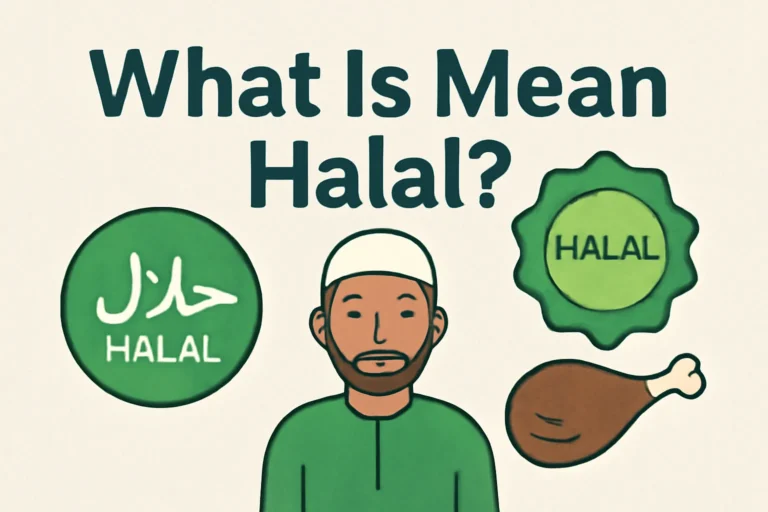
The word halal comes from Arabic and translates to “permitted” or “lawful.”
In the broadest sense, halal covers actions, behaviors, and products that comply with
Islamic law. When people ask What is halal? in the context of food, they are usually
seeking a practical answer: which foods are allowed, which approvals are required, and how to
verify that a product truly follows the rules.
A parallel phrase you will hear is what is halal food, which emphasizes the dietary
dimension. For many, the question extends to the everyday choices of groceries, meals, and
recipes. The core idea is not merely about taste or tradition; it is about a standardized
practice that aims to reduce ambiguity and ensure that what is consumed aligns with one’s faith.
Fundamental concepts: halal, haram, and the space in between
In Islamic dietary law, two basic categories shape most conversations about food: halal (permitted)
and haram (forbidden). Beyond these two poles, many foods exist that are neutral or context-dependent.
This nuance matters because some items require specific processing, handling, or certification to be considered
truly halal.
Key terms you will encounter
Halal — permissible under Islamic law, including foods, drinks, and processes
Haram — forbidden, such as pork and alcohol in most interpretations
Dhabiha or dhabihah — the ritual slaughter method recognized as acceptable by many scholars
Zabiha — another transliteration of the same concept as Dhabiha
Halal certification — a formal seal or label indicating compliance with halal standards
Halal in practice: foods, medicines, and consumer products
The practical scope of halal diet extends beyond meat. It includes how animals are raised, how products are processed, and how ingredients are sourced.
It also covers beverages, coffee additives, flavorings, gelatin, emulsifiers, and even trace amounts that could come from non-halal sources.
For many households, the guiding principle is to choose foods and products that are clearly labeled as halal, but it is equally important to develop a habit of cross-checking ingredients and
supplier practices. This guide uses variations of Whatbis Halal to emphasize that the
underlying goal is practical integrity: making informed choices that respect beliefs while still
enjoying diverse cuisines.
How Halal relates to slaughter: the dhabiha method
A central topic for many readers is animal slaughter. In many Muslim communities, dhabiha is
the preferred method of slaughter, intended to minimize suffering and to fulfill ritual criteria. The
process typically involves a swift, humane cut to the throat while invoking the name of God. For
others, particular interpretations of Islamic law may allow alternative methods under certain conditions.
It is important to recognize that halal slaughter is not simply about the animal’s fate;
it is also about how the animal is treated, the cleanliness of the operation, and the avoidance of
prohibited substances during processing.
When considering halal meat, many people look for certifications from recognized bodies.
You may see logos such as a crescent, a wave, or a combination of symbols representing the certifier.
Keep in mind that certification is a dependable signal, but it should be interpreted alongside
ingredient lists and production practices. In some regions, small family-run butchers may follow dhabiha
practices without formal insignia; in other areas, global brands provide widely recognized halal marks.
Certification and labeling: navigating logos and claims
One practical way to approach halal compliance in the modern market is to look for credible certification. Halal certification can come from governmental bodies, independent non-profit organizations,
or recognized religious authorities. When you encounter a label, ask questions such as:
Who issued the certification, and is the certifier well-known in your region?
Does the label specify the scope (food, cosmetics, medicine, etc.) and the product’s origin?
Are there ingredients or processing aids that could be problematic?
Some products will carry multiple marks, reflecting different certification programs. Whatbis Halal
emphasizes reading the fine print and not relying on a single symbol alone. In practice, a robust halal approach
combines credible certification with transparent ingredient disclosure and a clear supply chain.
Practical guidelines for shopping and kitchen management
The heart of a practical halal lifestyle lies in how you shop, store, and prepare food. Below is a structured
approach you can apply in daily life.
Plan ahead: decide meals in advance and check labels before buying. This reduces last-minute
dilemmas that force you into uncertain choices.
Read ingredients: look for prohibited items such as pork derivatives, alcohol, gelatins from non-halal sources,
and emulsifiers derived from non-halal animals. In many cases, you may encounter ambiguous terms that require further research.
Check processing aids: some ingredients used during processing (such as certain enzymes or flavors) may be non-halal.
Choose trusted brands: brands with transparent sourcing and clear halal statements can simplify decisions.
Avoid cross-contact: if you are preparing meals for a family with diverse dietary needs, keep separate utensils and cookware
to prevent cross-contamination between halal and non-halal foods.
Common pantry categories and halal considerations
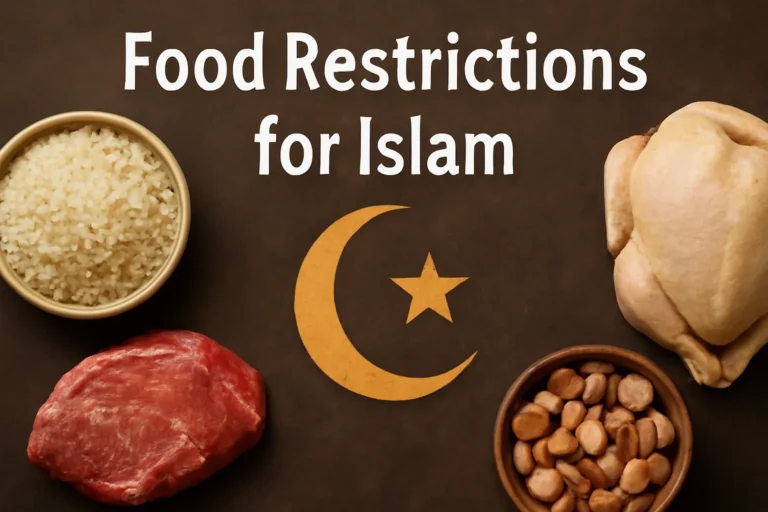
Meat and poultry — look for halal-certified meat or verify dhabihah practices; avoid pork and its by-products.
Seafood — opinions vary; most traditions permit seafood, but some communities apply stricter interpretations.
Dairy — many dairy products are halal, but some cheeses and yogurts may include non-halal rennet or additives.
Sweeteners and flavorings — examine sources of vanilla, colorings, and gelatin; prefer plant-based or halal-certified options.
Supplements and meds — some capsules use gelatin or alcohol; seek halal-certified or alcohol-free formulations when possible.
Eating out and travel with a halal diet
Dining away from home adds another layer of consideration. The core idea is to maintain consistency with your
halal standards while enjoying the culinary landscape of different regions. When eating out, consider these practices:
Ask about ingredients, cooking methods, and potential cross-contamination.
Verify that the establishment follows halal practices for meat sourcing and preparation.
Seek restaurants that clearly display halal certification or provide transparent ingredient lists.
For travelers, a practical approach is to carry a small card in your language that summarizes your halal
requirements, including not consuming alcohol, avoiding non-halal animal products, and requesting utensils
that have not touched non-halal ingredients. This reduces confusion in unfamiliar settings and helps staff
accommodate your needs more accurately.
Regional patterns: how halal practice shows up around the world
The halal landscape is diverse. In some regions, halal meat is the norm and widely available in supermarkets,
while in others, consumers rely heavily on local butchers and community networks. Southeast Asia, the Middle East,
South Asia, and parts of Europe each have distinct infrastructures for halal supply chains, verification, and
cultural expectations.
In Whatbis Halal discussions, you may hear about halal realism—the idea that people adapt
halal practice to their circumstances without compromising the core intent of cleanliness, fairness, and obedience to God.
This practical stance resonates with travelers, students, and families who balance religious obligations with modern
life. Regardless of your location, the guiding principle remains the same: seek reliable information, verify sources,
and apply consistent standards in daily choices.
Common myths and misunderstandings about halal
The halal conversation is rich and sometimes crowded with misconceptions. Here are a few frequent
misinterpretations and the clarifications you might find helpful.
Myth: Halal is identical to kosher. Reality: While there are similarities, halal and kosher laws have distinct sources of
authority, different animal-slaughter requirements, and separate permissible/forbidden lists.
Myth: All seafood is halal. Reality: In most interpretations seafood is halal, but regional opinions can vary and some communities have stricter rules.
Myth: Halal means expensive or hard to find. Reality: While some specialty items may be premium, many everyday foods are readily available with halal labeling in diverse markets.
Myth: Halal certification guarantees perfect compliance everywhere along the supply chain. Reality: Certification is a useful signal, but it relies on ongoing monitoring, truthful labeling, and responsible practices by producers.
Practical glossary: a quick reference for Whatbis Halal readers
For readers exploring halal diet in depth, a glossary can be helpful. Here are concise explanations:
Halal
Permissible according to Islamic law. Applies to foods, drinks, and actions.
Haram
Forbidden under Islamic law, including pork, blood, alcohol, and some intoxicants.
Dhabiha / Dhabihah
The method of slaughter that is considered a proper Islamic slaughtering practice by many scholars.
Halal certification
A formal credential indicating that a product complies with specified halal standards.
Maintaining integrity: a practical checklist for daily life
Whether you are practicing Whatbis Halal at home, at a restaurant, or while traveling, you can use
a simple, repeatable framework to protect your dietary choices.
Know your non-negotiables: pork, pork by-products, and alcohol are common prohibitions; identify other items you personally avoid.
Verify sources: look for halal certification, ask questions, and read ingredient lists carefully.
Prevent cross-contamination: separate cooking tools, surfaces, and storage if you are cooking for others with different dietary needs.
Educate household members: share your guidelines with family or roommates to build a supportive environment.
Plan ahead for outings: research menus, call ahead, or carry a brief note about halal requirements in case of language barriers.
Whatbis Halal in education, faith communities, and public life
Beyond personal diet, halal considerations intersect with education, community events, and public policy. Schools,
universities, and workplaces increasingly encounter dietary needs that require sensitivity and clarity.
Public health campaigns may emphasize food safety and labeling that aligns with halal standards. In a broader sense, halal lifestyle can be understood as a practice that integrates faith with everyday decisions—whether in
food, cosmetics, or consumer choices.
Cosmetics and medicines: expanding the scope of halal beyond food
Although this article focuses on diet, the term halal often appears in discussions about cosmetics and
medicines. Some individuals prefer halal-certified cosmetics and drug products to avoid animal-derived ingredients,
alcohol, or testing practices inconsistent with their beliefs. When considering such items, look for explicit halal
certifications or ingredient lists that clarify sources and processing methods.
How to approach variations of the topic: what is halal, what is halal food, what is halal diet
Readers often encounter multiple phrasings that convey related ideas. To help unify these perspectives, here are several
intended meanings you may run into:
What is halal? A broad inquiry about what is permissible under Islamic law across actions and products.
What is halal food? A focus on edible items that meet the criteria of halal preparation and sourcing.
What is the halal diet? A practical framework for planning meals and shopping with halal considerations in mind.
Whatbis Halal as a label in discussions and guides that aim to translate religious principles into everyday choices.
A practical guide to applying halal principles in daily life
The aim of this guide is to help you translate theory into practice. Whether you are exploring halal diet
for religious reasons, health considerations, or personal preference, the approach remains consistent:
seek reliable information, ask questions, and make decisions that align with your values while remaining respectful of others.
Step-by-step practical actions
Start with simple meals that you know are halal from trusted sources.
Gradually expand your pantry by replacing non-halal ingredients with halal substitutes.
When dining out, choose restaurants with clear halal practices or ask specific questions about meat sourcing and processing.
Keep a small reference card or note with halal guidelines for travel and social occasions.
Resources for further learning
If you want to deepen your understanding or verify specific products, there are several reputable avenues to explore.
Look for official halal certification bodies in your country, consult community centers, or refer to scholarly resources
on Islamic jurisprudence related to dietary rules. For those who are new to the terminology, glossaries and
introductory guides can be especially helpful in building confidence before making purchases.
Conclusion: embracing a thoughtful, practical halal lifestyle
In summary, halal is a nuanced concept that extends beyond simple ingredients. It encompasses how foods
are produced, prepared, and presented, and it often involves a broader ethical framework that many people find
meaningful. The phrase Whatbis Halal captures the idea of turning a traditional religious principle into
accessible, everyday practice. By understanding the core terms—halal, haram, dhabiha—and by applying practical checks
in shopping, cooking, and eating out, you can maintain a consistent, respectful approach to your diet.
Whether you are exploring Whatbis Halal, or you are simply trying to understand what is halal diet, the goal remains the same: to live with intention, clarity, and integrity in
your food choices. This guide has provided a long, comprehensive look at how to navigate halal considerations in
a modern world, including the nuances of certification, cross-cultural differences, and everyday decision-making.
If you found this article useful, consider sharing the ideas with friends or family who are curious about halal. The
more that communities understand the practical steps involved in maintaining halal standards, the easier it becomes
to integrate these practices into daily life. In the spirit of learning, remember to stay curious about labels, seek
reliable sources, and treat the topic with both respect and practicality.

Deja una respuesta