Introduction to the Halal Food Process and Its Certification
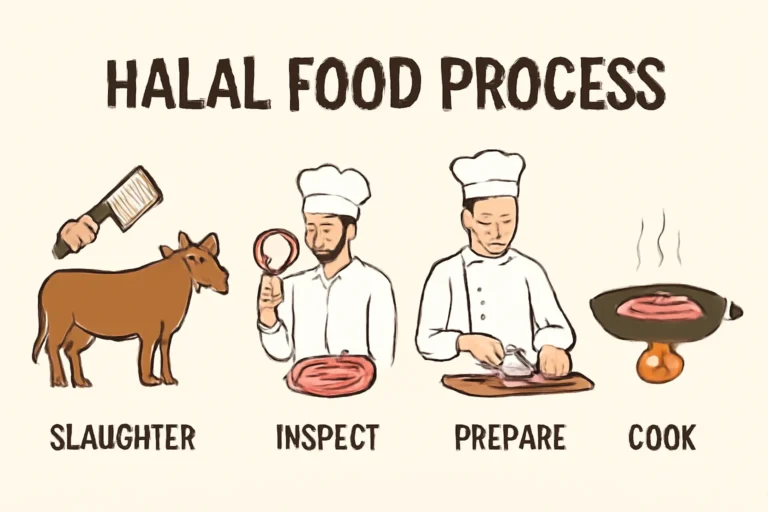
The halal food process is a structured path from raw materials or ingredients to the final packaged product that complies with Islamic dietary laws. At its core, halal certification is a formal recognition by an accredited authority that a production facility, product line, or brand meets specific halal standards across the supply chain. This is more than a labeling exercise; it is a comprehensive halal compliance program that covers sourcing, handling, processing, storage, and distribution.
Businesses pursuing halal processing excellence should understand that halal is not a single moment in time but an ongoing halal assurance journey. A robust halal food process integrates religious considerations with modern food safety management systems, risk assessment, and transparent documentation. Whether you operate a small bakery, a beverage facility, a meat slaughterhouse, or a multinational processing plant, the ultimate goal is to ensure that every step of the halal workflow remains free from prohibited substances and contamination.
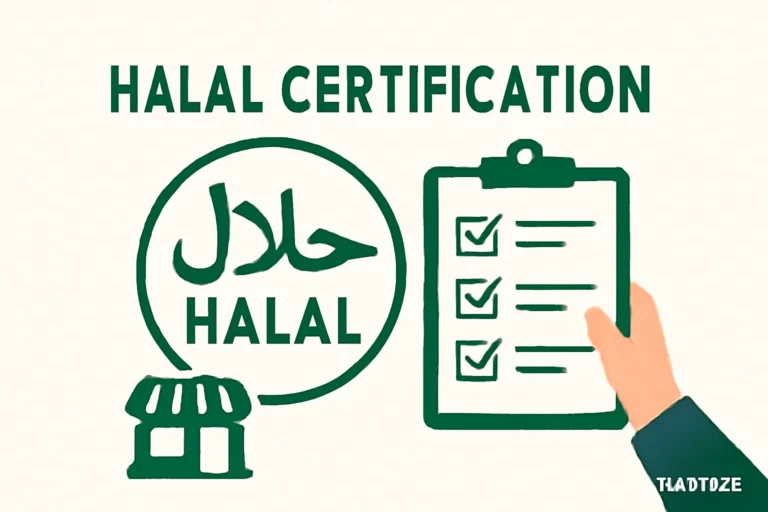
What is Halal Certification and Why It Matters
Halal certification is a formal declaration that a product or facility conforms to Islamic dietary laws as interpreted by recognized religious authorities. It provides assurance to Muslim consumers that the product is permissible to consume and that it was prepared under conditions that respect cleanliness, ethical treatment of animals, and avoidance of haram (forbidden) ingredients.
The halal food process encompasses several layers, including ingredient screening, production controls, facility layouts, staff training, and traceability. The certification itself typically involves a due diligence review, on-site audits, and periodic surveillance to verify ongoing compliance. In global markets, you will encounter different but harmonized frameworks, such as ISO-based HACCP systems aligned with halal standards from regional authorities and international bodies.
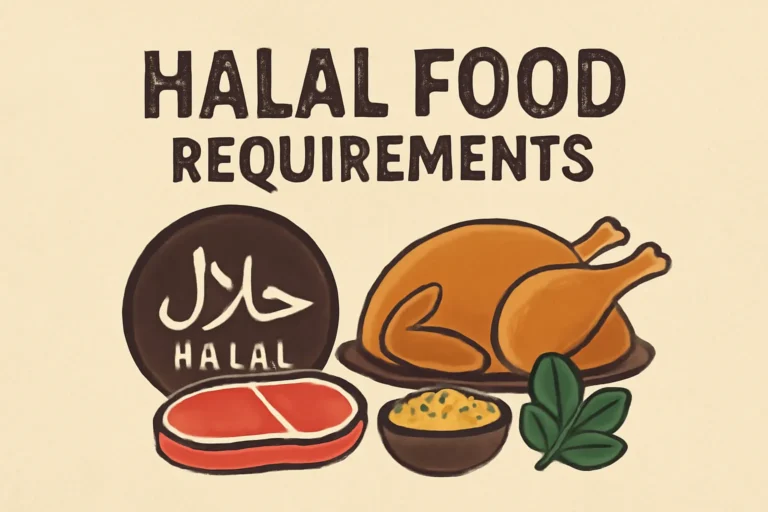
The practice of halal processing rests on several enduring principles that guide every decision in the halal production line:
Permissibility: Only ingredients and processes permitted by Islamic law may be used. Prohibited items include pork and its by-products, blood, certain animal fats, and alcoholic components.
Purity and cleanliness (tahara): The facility and process must maintain cleanliness, preventing contamination by haram substances.
Authenticity of slaughter (zabiha): If animal products are involved, they must be prepared under the humane and ritual slaughter conditions prescribed by halal authorities.
Prevention of cross-contamination: Segregation of halal and non-halal streams through dedicated lines, equipment, and storage areas.
Transparency and traceability: Full documentation of ingredients, processes, suppliers, and lot-level tracking from raw material to consumer.
Compliance with recognized standards: Alignment with both religious rulings and modern food safety systems such as HACCP, GMP, and GMP-like controls.
These principles form the backbone of halal processing strategies, ensuring that the entire halal supply chain is coherent, auditable, and credible to consumers who rely on halal certification.
The Halal Certification Process: Step by Step
Implementing halal certification involves a structured sequence of activities. While the exact steps may vary by certifying body, the common pathway includes documentation review, facility inspection, approval, and ongoing compliance monitoring.
Step 1: Pre-Assessment and Gap Analysis
Before starting the formal process, perform a self-assessment to identify gaps between current operations and halal standards. This gap analysis helps prioritize actions such as supplier qualification, ingredient verification, and facility segregation. Consider conducting a risk assessment to map potential cross‑contamination points and to plan clean-in-place routines, labeling controls, and employee training needs.
Step 2: Application, Documentation, and Scope Definition
Submit a formal application to a recognized halal certification body. Provide a clear scope document that defines which products, lines, processes, and locations are covered. Compile essential documents, including:
Ingredient lists and technical data sheets for all raw materials and packaging
Supplier approvals and certificates of analysis
Sanitation programs, cleaning schedules, and pest control records
Process flow diagrams and product specifications
Records of training and competency for personnel involved in halal-critical steps
The goal of this stage is to establish traceability and clarity so the auditor can reliably assess halal compliance across all considered products.
Step 3: Facility Audit, Ingredient Review, and Process Verification
On-site audits examine whether the facility design supports halal processing, whether equipment is properly segregated, and whether operational controls prevent cross-contact with haram materials. Auditors review:
Construction material suitability and hygienic design
Air handling and water quality that could affect halal integrity
Storage and handling controls to avoid mixing halal with non-halal streams
Supplier management and receipt testing procedures
Verification of zabiha practices where animal products are involved
If the product category includes meat or animal-derived ingredients, specific attention is given to slaughter-supply chain controls and documentation showing adherence to zabiha standards.
Step 4: Certification Decision and Issuance
Based on the documentation review and the on-site audit, the certifying authority makes a decision. If the facility demonstrates compliance with the defined halal standards, a halal certificate is issued covering the defined scope. The certificate will specify validity, renewal intervals, and surveillance requirements. Some bodies also issue product-specific certifications or chain-of-custody endorsements for complex supply chains.
Step 5: Surveillance, Audits, and Renewal
Certification is not a one-off event. Ongoing surveillance audits, product sampling, and periodic re‑verification ensure continued adherence to halal standards. Proactive management includes updating ingredient lists, responding to supplier changes, and maintaining an auditable paper trail. A well-structured halal compliance program helps ensure renewal is smooth and avoids lapses.
Step 6: Market Access, Customer Assurance, and Supplier Halal Programs
A certificate can enable access to markets with stringent halal requirements and enable brand messaging to Muslim consumers. It also encourages downstream suppliers and logistics partners to adopt halal compliance practices, creating a cohesive halal supply chain.
Product Sourcing, Ingredients, and Additives in the Halal Context
A central pillar of the halal food process is ingredient integrity. Even if a product’s main components are halal, secondary ingredients, processing aids, or packaging can introduce non-halal elements. The halal ingredients testing framework extends to all suppliers and often includes batch-level verification and certificates of conformity.
Key areas include:
Ingredient screening: Verify sources to ensure they are free from haram components, including alcohol, blood by-products, and gelatin derived from non-halal animals unless declared halal-certified.
Emulsifiers and stabilizers: Some emulsifiers may be derived from animal fats or alcohol; confirm halal lineage or seek plant-based or synthetic alternatives.
Gelling agents: Gelatin, pectin, carrageenan, and similar additives must be evaluated for source material; halal-certified gelatin is often required for meat or dairy products.
Enzymes and processing aids: Assess whether enzymatic or microbial enzymes originate from permissible sources and whether they are derived from non-halal animals or microbial fermentation with halal-approved substrates.
Flavorings and colorants: Ensure no alcohol or animal-derived components that violate halal rules are involved, and verify allergen labeling for consumer safety.
Beyond ingredients, the halal food process must consider cross-contact controls—for example, ensuring that equipment used for halal production is not used for non-halal products without proper cleaning and validation.
Slaughter Methods and Animal Welfare in Halal Processing (Zabiha)
For products that involve animal origin, the zabiha (Islamic slaughter) requirements are a defining feature of the halal chain. The intent is to respect animal welfare while ensuring minimal distress and a humane, swift method of slaughter. Zabiha compliance is typically verified by the certifying body through documentation and witness verification, and it may require regular oversight to ensure that slaughter practices remain in accordance with religious guidelines.
Important elements include:
Animal welfare: Handling, transport, and stunning (where applicable) should align with religious, ethical, and veterinary standards, with a preference for methods that minimize suffering.
Slaughter integrity: The act must be performed by a trained, solemn operator with the appropriate intention and technique, ensuring rapid and humane execution.
Post-slaughter handling: Bleeding, evisceration, and processing procedures must preserve meat quality while maintaining halal integrity and cleanliness.
Certification alignment: The slaughterhouse and meat products must align with the criteria defined by the relevant halal standard body.
It is common for halal food processes to include separate processing lines or dedicated facilities for meat and pet foods, to minimize cross-contamination and maintain zabiha-compliant production.
Facilities, Equipment, and Hygiene as Pillars of Halal Compliance
The physical environment plays a critical role in ensuring the integrity of halal processing. Facilities must be designed and operated to prevent cross-contamination between halal and non-halal streams, with clear zoning, dedicated equipment, and robust cleaning practices.
Facility design: Segregated zones for halal and non-halal activities; separate entrance/exit points where feasible; cleanable floors, walls, and drains that meet sanitation standards.
Equipment handling: Use of dedicated processing lines for halal products or validated cleaning between product runs; avoidance of shared tools without stringent CIP/SIP protocols.
Sanitation and hygiene: Comprehensive sanitation programs, validated cleaning procedures, and routine hygiene audits to uphold tamper-evidence and cleanliness.
Storage controls: Clear labeling and segregated storage for halal ingredients, packaging, and finished goods to prevent accidental mixing.
In addition, facilities often establish habitual training programs for staff on halal handling and hygiene, emphasizing attention to personal cleanliness, proper PPE, and awareness of halal-critical steps in the production flow.
Documentation, Traceability, and Record-Keeping in Halal Certification
A cornerstone of credible halal certification is comprehensive documentation and traceability. Auditors look for an unbroken chain of custody from supplier to finished product. Robust record-keeping supports accountability and rapid response in the event of a recall or halal integrity issue.
Bill of materials and supplier certificates: Maintain up-to-date supplier validation, CoAs, and halal declarations.
Batch records: Track every batch’s ingredients, processing steps, cleaning verification, and any deviations.
Change management: Document changes in suppliers, formulas, equipment, or processes and assess halal impact before implementation.
Audit trails: Preserve evidence of corrective actions, internal audits, and external certification activities.
Modern halal processing environments also incorporate digital traceability systems, which enable real-time monitoring of conditions, automated alerts for contamination risks, and easier retrieval of information during audits or regulatory inquiries.
Standards, Bodies, and Global Reach in Halal Certification
Halal certification is facilitated by a network of national and international bodies that publish standards and conduct audits. The precise requirements can vary by region, but there is growing alignment around core principles, especially in relation to slaughter practices, ingredient validation, and hygiene.
Recognized organizations often include bodies like IFANCA, JAKIM, MUI, Halal Food Council, and regional authorities that publish halal standards and issue certificates.
Global standards such as those aligned with ISO 22000, HACCP, and GMP frameworks are commonly integrated with halal-specific requirements to ensure consistency across borders.
Mutual recognition agreements are increasingly pursued to ease market access, especially for multinational manufacturers supplying multiple regions.
When engaging with a certifying body, consider not only the current scope but also the potential for future expansion into new product lines or markets. A flexible and scalable halal certification program reduces the cost and complexity of growth while preserving credibility.
Common Challenges in the Halal Food Process and How to Overcome Them
While many facilities achieve smooth halal certification, several recurring challenges can threaten compliance if not proactively managed. Here are common areas and practical strategies to address them:
Cross-contamination risks: Implement dedicated equipment, color-coded tools, and robust cleaning validation. Regularly review production schedules to avoid overlapping halal and non-halal runs.
Ingredient provenance: Maintain a supplier risk matrix and require halal declarations for all ingredients, including minor additives and processing aids.
Supply chain complexity: Map the entire supply chain, identify your critical control points, and establish clear responsibilities for each supplier tier.
Documentation fatigue: Invest in integrated digital systems to automate record-keeping, supplier qualification, and certification renewals.
Global standard disparities: Work with a certifying body that can provide guidance on regional interpretations and help bridge gaps between local practices and international expectations.
Maintaining Halal Compliance Post-Certification
Earning a halal certificate is just the beginning. Ongoing maintenance requires discipline, continuous improvement, and proactive risk management. Key activities include:
Regular internal audits and refresher training for staff on halal handling and hygiene.
Supplier surveillance: Periodic re-certification or verification of suppliers to ensure continued halal conformity.
Change management: Formal assessment of any changes in ingredients, processes, equipment, or facilities with respect to halal impact before implementation.
Recalls and corrective actions: Preparedness plans that address halal non-conformities quickly and transparently.
Communication with stakeholders: Clear labeling, product provenance information, and accessible halal declarations for customers and partners.
Case Studies and Practical Scenarios in Halal Certification
Real-world examples illustrate how halal processing principles are applied across diverse industries:
Meat and poultry processors: Implementing dedicated production lines for halal cuts, rigorous ante- and post-mortem checks, and zabiha oversight to ensure integrity from farm to fork.
Dairy products: Verifying enzyme sources, carrier materials for packaging, and flavorings to avoid haram components while maintaining quality and shelf life.
Confectionery and snacks: Screening emulsifiers, colorants, and aroma compounds for halal compatibility, with robust supply chain transparency.
Beverage manufacturing: Ensuring alcohol-free formulations or verifying permissible alcohol residues, as well as sanitization practices that do not introduce haram elements.
These scenarios highlight the importance of a holistic approach that combines religious compliance with scientific controls to deliver credible halal products in diverse markets.
Frequently Asked Questions about the Halal Food Process
Below are common questions facilities and brands ask when navigating halal certification:
Do I need halal certification for every product? Certification scope is defined by your business needs, but most brands seek coverage for all products that may be consumed by Muslims or that enter halal markets.
Can I obtain certification if I use shared equipment? Yes, with stringent cleaning, scheduling, and validated cross-contact controls in place, though some products may require separate lines.
What happens if a supplier changes ingredients? Conduct a risk assessment and obtain updated halal declarations before continuing production.
Is halal certification compatible with other food safety schemes? Absolutely. Halal standards often complement ISO 22000, HACCP, and GMP frameworks, creating a robust overall system.
Conclusion: Building a Durable Halal Food Process
A durable halal food process is built on confidence, consistency, and clear accountability. The journey from sourcing to the final product requires careful planning, ongoing diligence, and collaboration with trusted halal certification bodies. When done well, halal certification not only opens access to Muslim markets but also signals to all customers that your brand upholds high standards of safety, quality, and ethics.
If you are embarking on or refining a halal processing program, consider establishing a cross-functional team that includes quality assurance, procurement, production, regulatory affairs, and religious compliance experts. Together, you can design a comprehensive halal compliance plan that addresses ingredients, slaughter practices where applicable, facility design, and robust documentation. Over time, a well-managed halal certification process becomes a strategic advantage—one that resonates with consumers who value trust, traceability, and respect for tradition.





Deja una respuesta