Halal Protein Supplements: The Ultimate Guide to Halal-Certified Protein Powders for Fitness
Halal Protein Supplements: The Ultimate Guide to Halal-Certified Protein Powders for Fitness
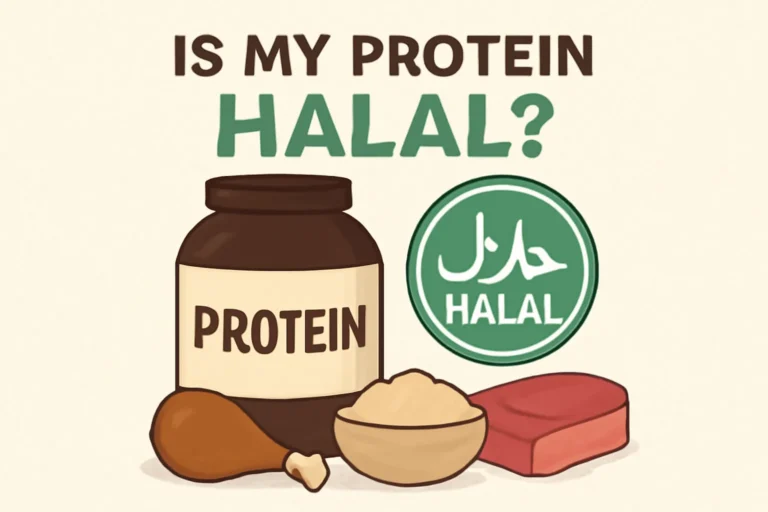
Halal Protein Supplements: The Ultimate Guide to Halal-Certified Protein Powders for Fitness brings together practical guidance, science, and brand insights to help athletes, fitness enthusiasts, and anyone pursuing a balanced lifestyle choose protein powders that align with halal dietary principles. Whether you follow a plant-forward routine, rely on dairy-derived options, or mix both in a flexible plan, there is a halal-certified protein supplement designed to support your training, recovery, and daily protein intake without compromising your values.
The term halal refers to foods and products that meet Islamic dietary guidelines. For protein powders, this means more than the source of protein. It includes the entire supply chain — from ingredients to processing, packaging, and potential cross-contact with non-halal substances. A halal-certified protein supplement should disclose a recognized certification mark and a clear statement that the product adheres to halal standards. Key considerations include:
Source of ingredients: dairy-based proteins (whey, casein, milk proteins) must come from animals slaughtered according to Islamic law, unless the product is designed as non-meat source (e.g., micellar whey from approved dairy processing). Plant-based proteins (pea, rice, soy, hemp) are generally halal, provided no haram (forbidden) additives or cross-contact occur.
Enzymes and processing aids: some proteins are produced with enzymes or processing aids derived from haram sources. A reliable halal label should attest that all enzymes, co-factors, and processing aids meet halal requirements or are derived from permissible sources.
Alcohol and flavorings: many flavorings use trace amounts of alcohol or ethanol as solvents. A halal-certified product will specify that alcohol is not used, or that any alcohol is permitted under their certification and kept out of the final product.
Cross-contamination: even if the primary ingredient is halal, the facility should have procedures to prevent cross-contact with haram substances. Halal-certified facilities typically follow manufacturing controls and sanitation standards to minimize risk.
In short, you want to look for two things: a credible halal certification mark and a transparent ingredient panel that clearly indicates permissible sources and manufacturing practices. When in doubt, contact the certifier or manufacturer for documentation or a certificate of analysis. This diligence helps ensure your protein powder aligns with both your nutrition goals and your faith commitments.
Types of halal protein supplements
The halal protein landscape includes a spectrum of powders and blends to suit different dietary preferences, taste profiles, and training goals. Here are the main categories you’ll encounter, along with practical guidance for choosing each type:
Whey-based halal protein powders
Whey remains a staple for many athletes due to its complete amino acid profile, fast digestibility, and strong recovery benefits. When purchased as halal-certified whey protein, you can expect products labeled as whey protein concentrate, whey protein isolate, or hydrolyzed whey that comply with halal standards. Consider these points:
Digestibility: whey isolate and hydrolyzed forms generally digest quickly, which can be advantageous after workouts.
Amino acid profile: whey provides a high BCAA content, especially leucine, which supports muscle protein synthesis.
Allergen awareness: dairy-based powders contain lactose. If lactose sensitivity is a concern, look for halal-certified lactose-free whey or non-dairy options.
Purity and certifications: ensure the label includes a halal mark and verify the certifier’s legitimacy.
Plant-based halal protein powders
Plant-derived proteins are a popular choice for vegetarians, vegans, or anyone seeking a dairy-free option that remains halal-certified. Common sources include peas, brown rice, hemp, and blends designed to achieve a complete amino acid profile. Practical tips:
Complete amino acids: blends often combine two or more sources (for example, pea + rice) to ensure adequate essential amino acids.
Digestive comfort: plant proteins can be gentler on the stomach for some individuals, but some people may experience gas or bloating; consider start-up samples.
Allergens: plant proteins can include common allergens like soy or sesame; check allergen statements.
Flavor and texture: plant-based powders can have a more earthy flavor or grittier texture; look for halal-certified products with appealing flavors and smooth mouthfeel.
Egg white protein is another animal-based, halal-friendly option that offers a complete amino acid profile and good digestibility. It can be a suitable alternative for those who are sensitive to dairy or wish to diversify protein sources. Considerations include:
Allergen considerations: eggs are a common allergen for some people, so verify tolerance before use.
Halal status: ensure the powder is halal-certified and processed in a halal-compliant facility.
Collagen peptides and halal options
Collagen peptides are popular for joint health, skin support, and connective tissue recovery. However, traditional collagen sources come from animal tissues, which introduces a potential halal concern if not certified. For fitness-oriented users seeking halal compliance, look for:
Halal-certified collagen from suppliers who provide documentation demonstrating halal sourcing and processing.
Alternative peptides such as kosher-certified or halal-certified non-collagen amino acid supplements if collagen does not fit dietary guidelines.
Blends and multi-source proteins
Many athletes choose halal-certified protein blends that combine whey, casein, or plant-based proteins to balance rapid post-workout recovery with sustained amino acid release. Benefits of blends include:
Balanced amino acid delivery across different digestion timelines (fast-acting and slow-release proteins).
Versatility in cooking, shakes, and meal replacements.
Label transparency: look for clear ingredient disclosure and certification marks to confirm halal compliance.
How to verify halal certification
Choosing halal-certified protein powders requires a careful verification process. Here are practical steps to ensure your purchase aligns with halal standards:
Look for a credible halal mark: certifications from recognized bodies such as IFANCA, JAKIM, or other internationally acknowledged halal certifiers provide a strong signal of compliance. A product should display the certifier’s logo and a certificate number.
Read the ingredient panel: inspect every ingredient for any haram components (pork derivatives, gelatin from non-halal sources, alcohol, or enzymes from haram sources). If an ingredient is unclear, contact the manufacturer.
Check processing facilities: ask whether the powder is manufactured in a halal-certified facility or if the line has dedicated halal production to prevent cross-contamination.
Request documentation: request a certificate of halal conformity or a declaration from the certifier. Reputable brands maintain accessible documentation on their websites or upon request.
Verify third-party testing: independent testing or audits by third parties can bolster confidence in the product’s halal status.
Quality and nutrition considerations for halal protein powders
Beyond certification, consider the nutritional profile and quality of the protein supplement to maximize fitness outcomes. Here are essential questions to guide your evaluation:
Protein content per serving: many powders range from 15 to 30 grams of protein per scoop. Higher protein per serving may support muscle synthesis, but total daily protein intake matters most for goals.
Amino acid profile: complete essential amino acids, with adequate leucine levels, support muscle protein synthesis and recovery after training.
Digestibility and titratable acidity: consider digestibility metrics (e.g., PDCAAS or DIAAS where available) to gauge how well your body utilizes the protein.
Source quality: choose powders from reputable sources with clear sourcing and production practices. Plant-based powders should specify complete protein blends to ensure amino acid adequacy.
Flavor and mixability: taste and texture influence adherence. A halal-certified product that tastes good and blends easily will encourage consistent use.
Ingredients aside from protein: examine added sweeteners, flavorings, thickeners, and preservatives. If you prefer fewer additives, look for clean-label halal options.
Brand landscape: who offers halal-certified protein powders?
The market for halal protein powders has expanded significantly in the last decade. While product availability varies by region, several brands have established halal-certified lines or use halal-certified ingredients. When evaluating brands, consider:
Certification availability: does the product carry a halal certification mark from a recognized body?
Global reach: can you purchase internationally or in your country without compatibility issues?
Ingredient transparency: are all ingredients listed, with sources identified where necessary?
Value and sustainability: how does the price per gram of protein compare, and are ethical and sustainable sourcing practices highlighted?
Some common categories you might encounter include halal-certified whey blends, halal plant-based proteins, and halal-ready meal replacement powders. In practice, the best choice depends on your dietary preferences, training demands, and budget. Always prioritize certification and ingredient clarity over marketing claims, and keep a running eye on product recalls or changes in formulation that could affect halal compliance.
Practical guidelines for athletes and fitness enthusiasts
These tips can help you incorporate halal protein powders into your training regimen effectively while staying aligned with dietary standards and personal goals:
Timing: consume a protein shake within 30 to 60 minutes post-workout to maximize muscle protein synthesis. A halal-certified option is equally effective when timing is optimized.
Serving size: start with the standard serving suggested by the manufacturer. If you’re training intensively or trying to gain lean mass, you may adjust upward after consulting a nutrition coach.
Hydration and mixing: use water or a non-dairy milk for mixing if you prefer a dairy-free alternative. Some people enjoy a shake with ice for a smoother texture.
Flavor variety: rotating flavors can prevent palate fatigue. Look for halal-certified powders offering a wide range of flavors while keeping the ingredient panel clean.
Nutrition tracking: track protein intake as part of your overall macro plan. Realistic daily targets depend on weight, activity, and goals; halal-certified options can be integrated seamlessly.
Practical cooking and consumption ideas with halal protein powders
Protein powders aren’t limited to shakes. You can weave them into your meals and snacks in creative ways while preserving halal integrity. Consider:
Protein pancakes made with halal whey or plant-based powder for a protein-rich breakfast.
Smoothie bowls topped with fruits, nuts, and seeds for a nutrient-dense post-workout meal.
Overnight oats mixed with a halal-certified protein powder for a quick, ready-to-eat option.
Homemade energy bars using halal protein powder, dates, nuts, and oats for a convenient on-the-go snack.
Common myths and misconceptions about halal protein supplements
Like many dietary topics, halal protein powders are surrounded by myths. Here are some common misconceptions and factual clarifications to help you navigate confidently:
Myth: Halal certification guarantees allergen-free products. Fact: halal certification ensures compliance with dietary laws, but it does not automatically address allergens. Always check allergen statements if you have sensitivities.
Myth: Plant-based halal proteins are inferior in quality. Fact: Plant-based halal powders can deliver excellent protein quality, especially blends designed to achieve complete amino acid profiles. Quality depends on formulation, not source category.
Myth: Halal-certified products are always more expensive. Fact: pricing varies widely; while some halal-certified options may carry a premium due to certification costs, there are affordable halal-certified powders across different brands and formats.
Myth: If it’s halal, it’s automatically vegan. Fact: halal and vegan are separate standards. A halal product can contain dairy or other animal-derived ingredients; vegan products avoid all animal-derived ingredients while still needing halal verification for non-vegan ingredients or cross-contact.
Guidance on selecting your halal protein powder: a step-by-step checklist
To simplify decision-making, use this practical checklist when evaluating products in stores or online:
Certification status: Confirm the existence of a halal certificate from a recognized certifier, with a traceable certificate number.
Ingredient list: Read every ingredient to ensure there are no haram substances and that the source is permissible.
Source category: Decide between dairy-based, plant-based, egg-based, or blends based on preference and dietary needs.
Amino acid profile: Look for essential amino acid completeness and adequate leucine for muscle synthesis.
Third-party testing: Favor brands that publish batch testing or independent verification.
Taste and texture: Consider sample sizes or trial packs to test flavor and mixability before committing to a larger container.
Depending on where you live, access to halal-certified protein powders can vary. In urban centers and countries with established halal markets, you’ll find a broad spectrum of options. In other regions, you may encounter limited selections or rely on online retailers offering international brands. When shopping globally, be mindful of:
Shipping availability: ensure the product ships to your country and that certification remains valid across borders.
Label translations: product labels may be in multiple languages; verify that halal certification statements and ingredient lists are clear.
Regional certification recognition: certifiers widely recognized in your community will provide more confidence in compliance.
Environmental and ethical considerations
Many athletes seek not only halal compliance but also sustainable sourcing and ethical production. When evaluating halal protein supplements, you might consider:
Sourcing transparency: traceability of raw ingredients, including dairy, crops, and plant proteins.
Environmental impact: water usage, carbon footprint, and packaging recyclability.
Animal welfare: for dairy-based proteins, look for certifications that emphasize humane farming practices where possible.
Conclusion: embracing halal protein power for fitness goals
In the world of fitness nutrition, halal-certified protein powders offer a bridge between athletic performance and spiritual or dietary guidelines. Whether you favor halal whey for its fast-acting properties, opt for halal plant protein blends for a dairy-free alternative, or explore halal egg white proteins and blended formulas for versatility, there is a path that respects your beliefs and supports your training. The key is a combination of informed choice, careful reading of ingredient panels, and a commitment to choosing products with credible certification and transparent practices.
For anyone dedicated to both physical fitness and halal living, the field of halal protein supplements continues to expand. This growth brings better options, improving taste, texture, and value while keeping the core standards intact. As brands innovate with better sourcing, cleaner formulations, and robust certification programs, your ability to fuel workouts responsibly—and with confidence—will only improve. Remember: the most important steps are to verify certification, read ingredients carefully, and choose a product that aligns with your training goals and personal values. With the right halal protein powder in your toolkit, you can pursue your fitness ambitions without compromise, fueling your gains while staying true to your beliefs.
If you want to deepen your understanding or compare specific products, here are practical next steps:
Consult the certifying body’s database for an up-to-date list of halal-certified protein powders and brands within your region.
Subscribe to product newsletters or follow brand social media for announcements about certification renewals, new halal-certified formulations, or packaging updates.
Ask a registered dietitian or nutrition coach who specializes in halal nutrition to tailor protein intake to your body weight, training load, and recovery needs.
Attend local or online events focused on halal nutrition or sports health to discover new brands and read independent reviews from the community.
In the end, the best halal protein supplement is the one that you can consistently incorporate into your routine, tastes good to you, and meets your nutritional requirements. By prioritizing halal certification, understanding the source of ingredients, and choosing high-quality formulations, you empower yourself to train hard, recover well, and stay aligned with your values. This guide aims to be a practical companion on that journey, helping you navigate choices with clarity and confidence.

Deja una respuesta