Introduction to Mono- and Diglycerides of Fatty Acids
In the broad world of food additives, mono- and diglycerides of fatty acids stand out as a highly common class of emulsifiers and stabilizers that help products behave better in mixing, texture, and shelf life. These substances are often described on ingredient lists as monoglycerides or diglycerides, reflecting their chemical structure as partial esters of glycerol with fatty acids. While the names can be intimidating, the practical idea is simple: they help water and fat mix together, improving consistency, smoothness, and mouthfeel in many foods we eat every day.
This article explores what monoglycerides and diglycerides of fatty acids are, the ways they’re produced, how they are used in a wide range of foods, and the safety considerations that come with consuming them. Readers who want a quick takeaway can note that these additives are among the most common and widely regulated emulsifiers in the global food system, with decades of use and oversight by food safety authorities.
What are MAGs and DAGs? The basic chemistry and variants
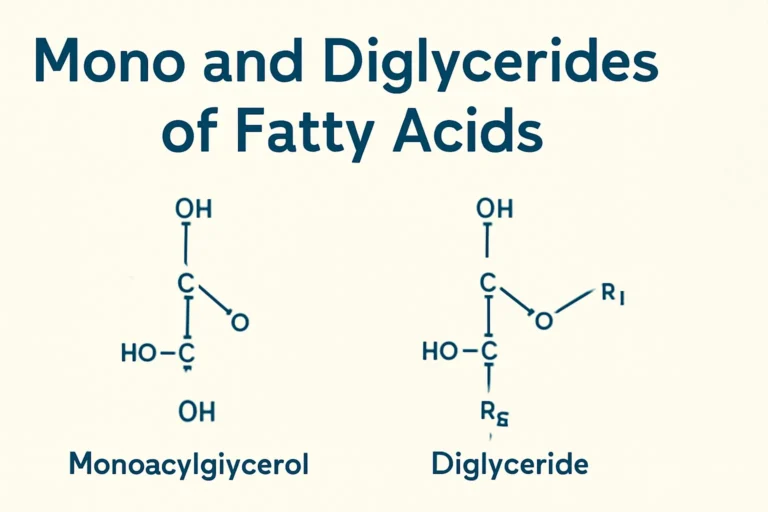
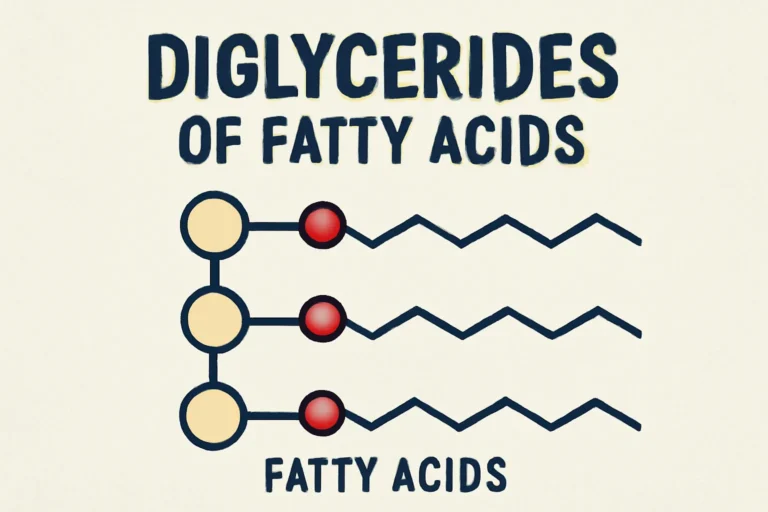
The abbreviations MAGs (monoacylglycerols) and DAGs (diacylglycerols) refer to specific forms of partial glycerides. They are derived from triglycerides, the main components of fats and oils, which consist of a glycerol backbone attached to three fatty acids. In monoglycerides, one fatty acid is attached to the glycerol backbone, leaving two hydroxyl groups free. In diglycerides, two fatty acids are attached, with one hydroxyl group remaining. This structural difference gives MAGs and DAGs distinct properties, but both serve the common function of stabilizing emulsions and influencing texture.
Monoacylglycerols (MAGs) can be described as partial esters of glycerol with a single fatty acid. They tend to be highly effective at lowering surface tension between oil and water, which helps disperse oil droplets in aqueous foods.
Diacylglycerols (DAGs) have two fatty acids esterified to glycerol. They often contribute to smoother textures and can participate in crystallization behavior of fats and fats-containing products.
Both MAGs and DAGs may appear as mono- and diglycerides of fatty acids in ingredient lists, a shorthand that captures the broad family of partial glycerides rather than a single compound.
Common naming variations and related terms
Monoglycerides of fatty acids (MAGs)
Diglycerides of fatty acids (DAGs)
Monoacylglycerols and diacylglycerols (MAGs and DAGs)
Partial glycerides or glyceride esters
Monoglyceride emulsifiers and diglyceride emulsifiers
How mono- and diglycerides are produced
The production of monoglycerides and diglycerides typically begins with a source of fats and oils, such as vegetable oils (soy, canola, palm, sunflower, or others) or, less commonly, animal fats. There are two main routes to produce MAGs and DAGs:
Enzymatic synthesis (lipase-catalyzed transesterification or glycerolysis) uses enzymes to attach glycerol to fatty acids selectively, creating MAGs and, with further processing, DAGs.
Chemical (non-enzymatic) synthesis involves controlled reactions under heat and catalysts to partially hydrolyze triglycerides, producing MAGs and DAGs among other products.
In practice, many food-grade MAGs and DAGs are prepared and refined to achieve specific physical properties, such as melting point, solubility, and compatibility with other ingredients. The source material (vegetable oil versus animal fat) can influence trace components, potential allergen concerns, and labeling in some regions, though the final products are typically highly processed to meet purity and safety specifications.
The appeal of monoglycerides and diglycerides in food formulation lies in their ability to interact with both water and oil phases. This compatibility makes them powerful emulsifiers, helping dispersed fat droplets stay evenly suspended in an aqueous matrix. Beyond emulsification, these partial glycerides offer several practical benefits:
Texture enhancement and mouthfeel improvement in baked goods, spreads, and dairy products.
Reduction of fat crystallization problems in chocolates and confections, aiding smoother texture and consistent bloom resistance.
Improved dough handling and crumb structure in bread and pastries.
Moisture retention and shelf-life extension in products like cake mixes and puddings.
Stabilization of foams and emulsions in ice cream, whipped toppings, and beverage formulations.
Prevention of phase separation in sauces, dressings, and non-dairy creamers, which helps keep oils dispersed.
Where you’ll find mono- and diglycerides in foods
Because of their versatility, these partial glycerides appear across a broad spectrum of products. They are common in the following categories:
Bakery goods such as breads, cakes, cookies, and pastry fillings
Fats, margarines, shortenings, and spreads
Chocolate, chocolate fillings, and similar confections
Dairy-like products, including some yogurts, puddings, and creamy desserts
Ice cream and frozen desserts
Salad dressings, sauces, gravies, and prepared foods
Peanut butter and other nut butters with creamy texture
Plant-based milks and creamers seeking improved texture and stability
Meat products and plant-based meat substitutes to optimize juiciness and sliceability
Spreads, frostings, and ready-to-spread toppings
Safety in food: regulatory status and consumer considerations
The safety of mono- and diglycerides of fatty acids has been evaluated by major food safety authorities around the world. In the United States, many monoglycerides and diglycerides are considered generally recognized as safe (GRAS) when used at levels consistent with good manufacturing practice. Similar evaluations exist in the European Union and other jurisdictions, reflecting decades of use in mainstream foods.
Important safety and labeling points to understand:
Regulatory oversight: Agencies such as the U.S. Food and Drug Administration (FDA) and the European Food Safety Authority (EFSA) review evidence on safety and typical intakes, and they provide permitted uses and maximum usage levels.
Dietary exposure: The average consumer intake of MAGs and DAGs is a function of consumption patterns for processed foods. For most people, exposure remains well below levels associated with adverse effects, thanks to regulatory guidance and responsible formulation.
Allergen and sourcing considerations: In principle, MAGs and DAGs can be derived from various fats, including vegetable oils or animal fats. If a product is derived from dairy fats, trace dairy components could be present in minute amounts, which matters for people with severe milk allergies. Many MAGs and DAGs used in mainstream foods are derived from vegetable oils, which minimizes dairy or other allergen concerns, but always check labeling if sensitive.
Labeling and transparency: Ingredient lists may simply read “monoglycerides” or “diglycerides,” or the broader term “mono- and diglycerides of fatty acids.” In some markets, fatty-acid source (vegetable vs. animal) may be listed or disclosed in regulatory declarations or allergen statements.
Health considerations: These partial glycerides are not consumed as a separate nutrient; they are additives that influence texture and stability. They do not contribute significant amounts of trans fats when used correctly, and they are not a source of cholesterol in the way free fatty acids might be. Most nutrition labels will reflect only minor energy contributions from these compounds, similar to other emulsifiers.
Safety considerations and consumer guidance
While mono- and diglycerides are broadly considered safe for the vast majority of consumers, a few practical notes can help readers make informed choices:
If you have a dairy allergy or intolerance, check whether the product’s MAGs or DAGs may be derived from dairy fats. In many cases, manufacturers use vegetable-derived sources, but it’s prudent to verify ingredients or contact the manufacturer if dairy is a concern.
For those with sensitive stomachs or concerns about additives, it can be helpful to consider the overall dietary pattern. Foods with MAGs and DAGs are common in processed foods; a diet emphasizing whole, minimally processed foods reduces reliance on these additives.
People who follow strict vegan diets or who avoid animal-derived ingredients may wish to confirm the fat source of the emulsifiers, particularly in regions where labeling practices vary.
As with any processed ingredient, consumer preference and personal tolerance play roles. If you experience unusual digestive symptoms after consuming foods with monoglycerides or diglycerides, you may choose to limit exposure and discuss with a healthcare professional.
Uses in food formulation: detailed look by category
Bakery and pastry applications
In bakery products, the emulsifying and textural properties of MAGs and DAGs support improved crumb structure and softness. They help distribute fats evenly within doughs and batters, contributing to uniform rise and a tender mouthfeel. They can also aid in:
Enhancing volume and crumb softness in bread, rolls, and cakes
Stabilizing emulsions in fillings and creams used in pastries
Reducing stickiness during mixing and shaping
Improving pan-release and reducing breakage in delicate baked goods
Dairy- and non-dairy-based products
In dairy-like products and alternatives, MAGs and DAGs help manage fat distribution, prevent oil separation, and create creamy textures. This includes products such as creamy yogurts, puddings, and ice creams where a smooth, uniform texture is valued.
Stabilizing fat globules in ice cream to reduce ice-crystal growth during freezing
Preventing phase separation in chocolate, ganache, and chocolate-containing fillings
Contributing to stable emulsions in coffee whiteners and plant-based creamers
Dressings, sauces, and condiments
For emulsions like salad dressings and sauces, monoglycerides and diglycerides lower the interfacial tension between oil and water phases, helping oil droplets stay dispersed. This improves pourability, prevents separation during storage, and enhances texture on the palate.
Longer-lasting emulsion stability, especially in vinaigrettes and creamy dressings
Improved pourability and mouthfeel in sauces and gravies
Confectionery and chocolate coatings
In confectionery, these partial glycerides influence melt behavior and bloom resistance. They can help ensure that coatings melt smoothly in the mouth and maintain a glossy appearance over time.
Texture control in chocolate fillings and coatings
Stabilization of foams in whipped toppings, aiding even distribution
Plant-based and meat alternatives
As the market for plant-based products grows, MAGs and DAGs contribute to mouthfeel and juiciness in meat substitutes. They assist in creating a more satisfying texture that mimics traditional fat-rich products.
Aiding fat mimicking in mock meats and dairy alternatives
Enhancing stability of emulsions in processed plant-based products
With any widely used additive, questions and rumors can arise. Here are a few common points to clarify:
Myth: Monoglycerides and diglycerides are unhealthy fats. Clarification: They are additives that influence emulsions and textures; they are not consumed as fats in the same way as triglycerides and do not contribute to the daily fat intake in the same manner. They are used in small amounts and are not a primary energy source.
Myth: MAGs and DAGs always come from animal sources. Clarification: In many markets, these emulsifiers are derived from vegetable oils, which aligns with vegetarian and vegan product formulations. Always check source labeling if this matters to you.
Myth: They cause immediate health problems. Clarification: For the vast majority of consumers, these additives are safe when used according to regulatory limits. Some individuals may have sensitivities or allergies to trace components, but such cases are uncommon.
Impact on nutrition labeling and consumer transparency
Nutritional labeling in many regions reflects the presence of emulsifiers like MAGs and DAGs as part of total fat or as a distinct additive depending on local regulations. In some markets, manufacturers disclose the specific fat source (vegetable versus animal) on the packaging or in technical documentation. Consumers focused on clean-label trends may prefer products with shorter ingredients lists and may seek out products that minimize processing; however, it’s important to recognize that emulsifiers like MAGs and DAGs serve functional roles that can support product quality and safety.
While most kitchen cooks and consumers do not need to manage MAGs and DAGs directly, there are practical implications for shopping and home cooking:
Read ingredient lists if you are avoiding certain processing aids. Look for “monoglycerides,” “diglycerides,” or “mono- and diglycerides of fatty acids.”
Consider source information if dairy allergies or vegan preferences are relevant. If the source is unclear on packaging, contact the manufacturer or look for certifications that align with your dietary needs.
Balance with whole foods as a general principle. A diet rich in minimally processed foods reduces reliance on additives, including emulsifiers, while still allowing for tasty, safe foods.
Environment and sustainability: Some consumers weigh the environmental impact of fat sources. While MAGs and DAGs are additives, choosing products that reflect sustainable sourcing of fats and oils can align with broader personal goals.
The use of partial glycerides as food additives emerged as a practical solution to longstanding challenges in fat-water emulsification. Early research explored methods to improve batter stability, dough handling, and chocolate texture. Over time, regulatory agencies evaluated safety data and established guidelines for permitted uses, enabling widespread adoption across the food industry. The evolution of MAGs and DAGs reflects a broader trend toward functional ingredients that enable consistent quality, even in complex formulations.
Environmental and sourcing considerations
The feedstock for mono- and diglycerides of fatty acids often comes from widely available edible oils. Depending on regional supply chains, production may rely on soybean, palm, canola, sunflower, or other fats. Sustainability considerations in the sourcing of these base fats can influence the overall environmental footprint of the final emulsifier. Companies increasingly publish information about sourcing, processing steps, and certifications related to responsible farming, sustainable harvesting, and responsible use of land resources. For consumers, understanding the big picture can help align food choices with environmental values while recognizing that MAGs and DAGs themselves are processing aids rather than principal nutrients.
Regulatory highlights across major regions
Although this article provides a general overview, it is useful to note some regional regulatory highlights:
United States: FDA-regulated, many MAGs and DAGs are GRAS when used appropriately. Labeling generally includes “monoglycerides” and/or “diglycerides.”
European Union: EFSA evaluates safety and uses; products must comply with EU additive regulations (often listed as E numbers in certain product categories).
Other regions: Japan, Canada, Australia, and others maintain their own regulatory frameworks for emulsifiers and partial glycerides, often with similar safety profiles and usage guidelines.
Conclusion: the role of mono- and diglycerides in modern foods
Mono- and diglycerides of fatty acids, including their monoglycerides and diglycerides, represent a practical and well-regulated class of food emulsifiers. They enable the food industry to deliver products with consistent texture, improved stability, and appealing mouthfeel, while requiring careful regulation to ensure safety and transparency. For consumers, understanding their role can demystify a common ingredient and support informed decisions about dietary preferences, allergen considerations, and nutrition labeling.
Glossary of key terms
Monoglycerides (MAGs) — glycerol backbone with one fatty acid esterified; strong emulsifying and textural properties.
Diglycerides (DAGs) — glycerol backbone with two fatty acids esterified; often contribute to smooth textures and stability.
Partial glycerides — general term for MAGs and DAGs; sometimes used to describe a broader family of glyceride esters.
Emulsifier — a compound that stabilizes mixtures of oil and water by reducing interfacial tension.
GRAS — generally recognized as safe; a designation used by U.S. regulators for substances deemed safe under intended conditions of use.





Deja una respuesta