Introduction: Understanding the Purpose of Halal Standards
In a global marketplace, where diverse cuisines, beauty products, and medicines converge, Halal standards serve as a bridge between faith, science, and industry. This practical guide outlines the requirements for halal across sectors, explaining how organizations translate religious principles into concrete, auditable processes. Whether you are a manufacturer, supplier, retailer, regulator, or consumer, comprehending the frameworks for halal helps ensure that products, services, and practices meet the expectations of Muslim communities worldwide, while also supporting quality, safety, and traceability for all customers.
Halal compliance is not merely a checklist of ingredients. It encompasses philosophical concepts such as permissibility, abstinence from haram (forbidden) elements, and the ethics of production. It also requires attention to details that affect the end user, from the rites of slaughter to the cleanliness of facilities, from supply chain integrity to accurate labeling. This article explores the requirements for halal in a practical, action-oriented way, with an emphasis on adaptability, risk management, and continuous improvement.
Foundational Principles of Halal Standards
To implement robust halal systems, organizations should anchor their work in a few core concepts that recur across regions and industries. The following principles help shape comprehensive halal programs that satisfy both religious authorities and secular regulators.
Divine Mandate and Human Stewardship
Halal compliance rests on a trust continuum: divine expectations expressed through religious texts, interpreted by qualified scholars, and translated into operational controls by human stewards in manufacturing, distribution, and retail. This means that decisions about ingredients, processing methods, facility design, and staff training must align with both spiritual consent and practical safety considerations.
Definitions of Permissible and Prohibited
In Islamic law, halal denotes what is permissible, while haram covers the prohibited. Distinctions exist not only for food, but for cosmetics, medicines, and even consumer goods. A practical halal program should articulate:
What ingredients, additives, and processing aids are permissible (halal) and what are not (haram).
Which production methods and handling practices are allowed, given the sanctity of the animal and the integrity of the product.
How to manage cross-contamination risks and ensure traceability.
Categories of Halal Requirements
Halal compliance can be categorized into several interrelated domains. Below are the major areas that organizations typically address, with a focus on practical implementation and risk-based prioritization.
Ingredient and Additive Standards
All inputs to a product—whether a finished food item, a cosmetic, or a pharmaceutical—must be evaluated for halal eligibility. This includes primary ingredients, processing aids, flavorings, enzymes, carriers, and any incidental substances. Key considerations include:
Source origin of ingredients (animal, plant, microbial) and whether any by-products or derivatives are permissible.
Use of haram components such as porcine derivatives, non-halal slaughter by-products, blood, intoxicants, or carrageenan from non-halal sources where relevant.
Assessment of gelatin, emulsifiers, enzymes, and vitamins for halal status, including potential mix-ups in production lines.
Clear documentation of suppliers’ halal certifications and consistency in supply.
Processing Equipment and Cross-Contamination Control
Facilities should be designed and operated to prevent cross-contact between halal and non-halal products. Important elements include:
Dedicated equipment or stringent cleaning protocols between product runs that could involve haram substances.
Proper segregation of production lines, storage areas, and handling equipment to minimize risk of contamination.
Control of airflow, water sources, and cleaning agents to avoid inadvertent exposure to haram elements.
Use of traceability systems that document material movement through the facility.
A clean and controlled environment supports both safety and halality. Standards cover:
Facility design that supports hygienic operations, pest control, and sanitation workflows.
Regular sanitation validation and verification of cleaning efficacy for equipment and contact surfaces.
Environmental monitoring where appropriate to detect microbial risks that could affect halal integrity.
Waste handling that does not compromise halal status or create cross-contamination risks.
Handling, Storage, and Transportation
How products are handled after production significantly affects halal integrity. Critical practices include:
Segregated storage and clearly labeled areas for halal and non-halal items.
Prevention of mixing or co-mingling of products that could lead to cross-contamination.
Secure packaging and tamper-evident seals to maintain product integrity during transport.
Documentation of temperature controls and lot tracing to facilitate recalls or investigations.
Slaughter, Meat Processing, and Animal Welfare
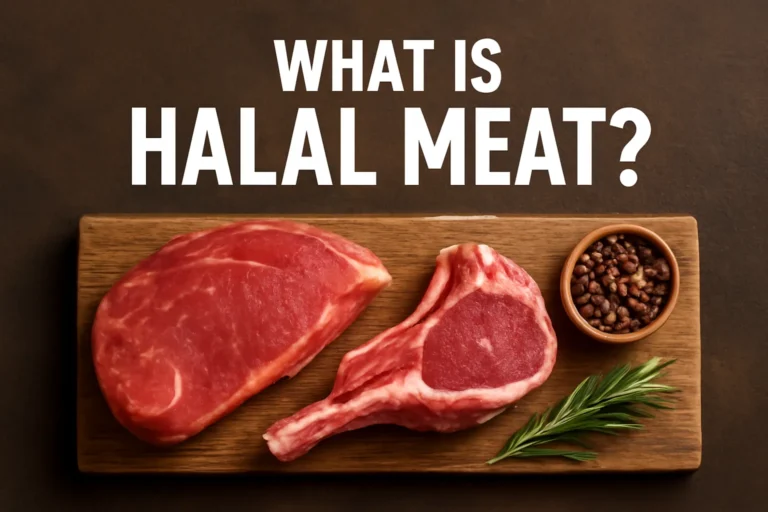
For meat products, the method of slaughter and the treatment of animals are central to halal status. The essential components include:
Adherence to zabiha (slaughter according to Islamic ritual) or other acceptable methods according to the relevant school of thought and certification scope.
Qualified personnel performing the humane slaughter with proper blade technique, swift action, and minimum suffering.
Immediate exsanguination and avoidance of carcass contact with prohibited substances or non-halal materials.
Post-slaughter handling that preserves meat quality and preserves halal status through processing and packaging.
Certification, Auditing, and Compliance Documentation
Halal programs require robust documentation and independent oversight. Core elements are:
Third-party halal certification by recognized bodies, with scope covering ingredients, processes, and packaging.
Regular audits (internal and external) to verify conformance and identify opportunities for improvement.
Clear certification standards and acceptance criteria that align with local regulations and international best practices.
Traceable records that demonstrate compliance across supply chains, including supplier approvals, product specifications, and change control.
Product-Specific Halal Standards Across Sectors
Halal compliance spans many product categories. The standards are similar in spirit but specialized in practice, reflecting the unique risks and requirements of each sector.
Food and Beverage
In food and beverage, halality is typically the most visible concern for consumers. Practitioners focus on:
Ensuring all edible ingredients and processing aids are halal.
Verifying cross-contact prevention and proper cleaning between product lines.
Ensuring label integrity and clear disclosures about ingredients and allergens.
Maintaining sourcing transparency for animal-based ingredients and ensuring the humane treatment of animals in slaughter supply.
Pharmaceuticals and Medical Products
Halal considerations in medicines require balancing religious permissibility with safety and efficacy. Key issues include:
Assessment of excipient sources (gelatin, glycerin, stearates) and their halal status.
Preference for vegetarian or halal-certified ingredients when feasible, and explicit documentation otherwise.
Clear labeling for patients and healthcare providers about halal compliance.
Prevention of interchange of packaging that could introduce haram elements into medicine or devices.
Cosmetics and Personal Care
Halal cosmetics require careful scrutiny of ingredients, as well as testing methods and packaging. Focus areas include:
Non-mimicking of haram substances in colorants, extracts, and fragrance components.
Rigor in testing protocols to avoid contamination with haram sources during manufacturing or storage.
Packaging and labeling that enable consumers to verify halal status independently.
Non-Food Products and Services
Beyond edible products, halal standards touch many other domains, including:
Cleaning and sanitizing agents used in facilities where halal products are produced.
Textiles and leather treated with chemicals that could carry haram residues or cross-contaminate halal goods.
Facility design and maintenance practices that reflect cleanliness and respect for religious guidelines.
Marketing and communications that accurately reflect halal commitments without overstating claims.
Slaughter, Meat Handling, and Animal Welfare: A Closer Look
The slaughter and handling of animals for halal products is a sensitive and highly scrutinized area. It intersects religious ritual, animal welfare, and food safety. The practical requirements emphasize:
Acknowledging religious authority maps that determine which methods are acceptable in different communities.
Ensuring staff training on humane handling, proper stunning rules where permitted, and post-slaughter processing to maintain halal integrity.
Maintaining clear separation of halal and non-halal pathways from living animals to the final product.
Implementing traceability of live animals to the final product, with documentation of origin, transport conditions, and welfare measures.
Supply Chain Management, Traceability, and Certification
A robust halal program cannot be isolated within a single facility. It requires end-to-end control from sources to shelves. Core components include:
Certification Bodies and Criteria
Halal certification is often performed by independent authorities or national bodies recognized by communities and regulators. Effective programs should:
Engage with recognized halal certification agencies that maintain up-to-date standards and audit practices.
Document scope and validity of the certification, including product lines, facilities, and regional applicability.
Ensure that the certification body conducts missed or unannounced audits to verify ongoing compliance.
Maintain open channels for recertification and suspension processes in cases of non-conformance.
To preserve halal status in a dynamic supply chain, organizations should implement:
Supplier qualification processes that assess halal status, ethical practices, and quality systems.
Port-to-packaging traceability with batch-level controls and digital record-keeping for transparency.
Clear contract language about halal responsibilities, auditing rights, and food defense measures.
Risk assessment and management plans for interruptions, recalls, or reformulations that could affect halal integrity.
Auditing, Compliance, and Corrective Action
Auditing provides the evidence chain that underpins trust in halal claims. Effective audits are systematic, transparent, and action-oriented.
Internal and External Audits
Audits should verify both procedural compliance and actual practice. Areas of focus include:
Documentation review of ingredient sources, certificates, and change control.
Observation of production practices, sanitation routines, and cross-contamination controls.
Interviews with staff to assess awareness and adherence to halal procedures.
Validation of labeling accuracy and packaging integrity to prevent misrepresentation.
Corrective and Preventive Actions
When a deviation is found, the organization should execute a root cause analysis and implement corrective actions with clear timelines and owners. Long-term preventive measures might include:
Revising supplier agreements or switching to halal-certified ingredients.
Enhancing cleaning and sanitization protocols or updating equipment to reduce cross-contact risk.
Investing in staff training and culture-building to strengthen daily adherence to halal principles.
Documentation, Labeling, and Consumer Communication
Transparent communication supports consumer confidence and regulatory compliance. Essential practices include:
Maintaining accessible and accurate halal certifications, ingredient declarations, and batch records.
Designing clear labeling that communicates halal status, scope of certification, and any limitations.
Providing consumer education about what halal means within a product category and how to interpret certificates.
Ensuring that marketing claims align with verified halal status to avoid misleading or exaggerated statements.
Practical Implementation: Building a Halal-Ready Organization
Implementing a robust halal framework requires thoughtful planning, cross-functional collaboration, and long-term commitment. A practical pathway includes:
Step 1: Define Scope and Commit
Begin with a formal statement of halal policy that explains the organization's intent, the markets served, and the level of certification pursued. Establish roles, responsibilities, and governance structures to oversee halal compliance across departments.
Step 2: Map the Product and Process Flows
Create maps of each product family, from raw materials to finished goods. Identify potential hazards and haram risks, prioritize controls, and draft standard operating procedures (SOPs) that reflect halal requirements.
Assemble cross-functional teams involving procurement, QA/QC, production, legal, regulatory affairs, and sustainability. Involve external halal certification bodies early to gain clarity on expectations and timelines.
Step 4: Develop Documentation and Data Systems
Implement a data architecture that captures supplier certificates, ingredient specifications, production records, and audit findings. Invest in traceability technology, labeling software, and documentation that supports recall readiness.
Step 5: Train and Cultivate a Halal Culture
Regular training cultivates competence and confidence. Offer modules on:
Halal definitions and terminology
Ingredient evaluation and supplier verification
Cleanliness, sanitation, and cross-contamination prevention
Run pilot programs to test halal controls in real production, then scale across facilities. Schedule periodic management reviews to assess performance, update risk assessments, and incorporate changes in regulations or market expectations.
Common Challenges and How to Overcome Them
Even with a strong plan, organizations encounter obstacles. Here are common challenges and practical responses.
Cross-contamination: Implement strict line segregation, color-coded equipment, and validated sanitation protocols with objective evidence.
Labeling confusion: Standardize on clear halal claims, use consistent terminology, and align with certification scope to avoid misrepresentation.
Stability of supply: Build approved alternate ingredients and alternate suppliers while preserving halal status and traceability.
Regional differences: Recognize that halal requirements vary by jurisdiction and community; maintain flexibility with respect for local authorities while upholding core principles.
Ethical and Social Dimensions of Halal Standards
Beyond compliance, halal standards carry ethical, social, and environmental implications. Organizations often explore:
Animal welfare commitments aligned with religious expectations and global animal welfare norms.
Environmental stewardship in sourcing, production, and packaging to reduce waste and resource use.
Fair labor practices and supply chain transparency to support communities and workers involved in halal products.
Community engagement and respectful dialogue with diverse consumer groups to address concerns and expectations.
The halal industry operates across many countries and cultures. While global certification schemes share common aims, regional variations persist in:
Specifically allowed methods of slaughter and the role of religious authorities in approving processes.
Definitions of permissible ingredients and methods for processing, including limitations on certain additives.
Regulatory alignment with food safety agencies and consumer protection laws in different jurisdictions.
Public perception, marketing claims, and the credibility of certifying bodies.
Organizations can navigate this landscape by maintaining a core halal program that is adaptable to local regimes, while ensuring that the fundamental criteria—ingredient admissibility, process integrity, and transparent accountability—are consistently upheld.
Technology and Innovation in Halal Compliance
Modern halal programs leverage technology to improve accuracy, efficiency, and trust. Innovations include:
Blockchain-based traceability to provide immutable records of source, processing, and distribution.
Real-time lot tracking and batch-level certification status accessible to suppliers, manufacturers, retailers, and consumers.
Automated supplier portals for easier verification of halal certificates and ongoing compliance documentation.
Data analytics to identify risk patterns, optimize cleaning schedules, and reduce waste while maintaining halal integrity.
Consumer Education and Transparent Communication
Halal standards gain credibility when consumers understand what is being certified and why it matters. Practical steps include:
Providing easily accessible explanations of halal status, the scope of certification, and any limitations.
Offering channels for questions, complaints, and feedback to continually improve halal programs.
Publishing periodic reports or summaries of audit findings in a consumer-friendly format.
Conclusion: Building a Halal-Centric Organization
A robust halal program is not merely a regulatory obligation; it is a discipline of integrity that integrates faith, science, and industry best practices. By embracing halal standards as a comprehensive system—covering ingredients, processing, slaughter, supply chain, certification, and consumer communication—organizations can:
Ensure trust and reliability among Muslim customers and communities.
Demonstrate accountability through auditable records, transparent labeling, and credible certifications.
Enhance quality and safety across products and services, benefiting all stakeholders.
Foster a culture of continuous improvement that adapts to evolving markets and technologies.
In practice, the journey toward halal excellence begins with a clear policy, a well-mapped product portfolio, and a committed team. It continues with rigorous supplier engagement, meticulous process controls, and an unwavering commitment to truth in labeling. By viewing requirements for halal as an evolving framework rather than a static checklist, organizations can sustainably meet the needs of diverse communities while maintaining high standards of safety, quality, and ethics.







Deja una respuesta