Chocolate has long been a universal favorite, enjoyed by people of diverse
backgrounds and tastes. For many Muslims, however, choosing a cocoa treat that
aligns with Islamic dietary guidelines means looking beyond flavor
to the ingredients, production methods, and certification standards that guarantee halal compliance. This comprehensive guide explores halal chocolate in depth:
what makes it halal-certified, how to recognize authentic products, and
how to navigate the landscape of halal-certified cocoa treats in stores and online.
Whether you are seeking dark bars with a bold cacao kick, silky milk chocolate, or
dairy-free halal chocolate options, the term halal extends
beyond a simple label. It embodies an approach to ingredients, sourcing, and
manufacturing that respects Sharia-compliant standards while delivering
a delicious experience. Throughout this article, you will encounter multiple ways to
say the same idea: halal-certified chocolate, Islamically permissible cocoa
products, and permissible chocolate that satisfies both taste and faith.
This guide uses practical language, real-world examples, and clear guidance to help
shoppers, home cooks, and industry enthusiasts understand and appreciate the breadth
of halal cocoa treats. It also discusses common challenges, how to
verify certification, and strategies for choosing products that align with personal
values and dietary requirements.
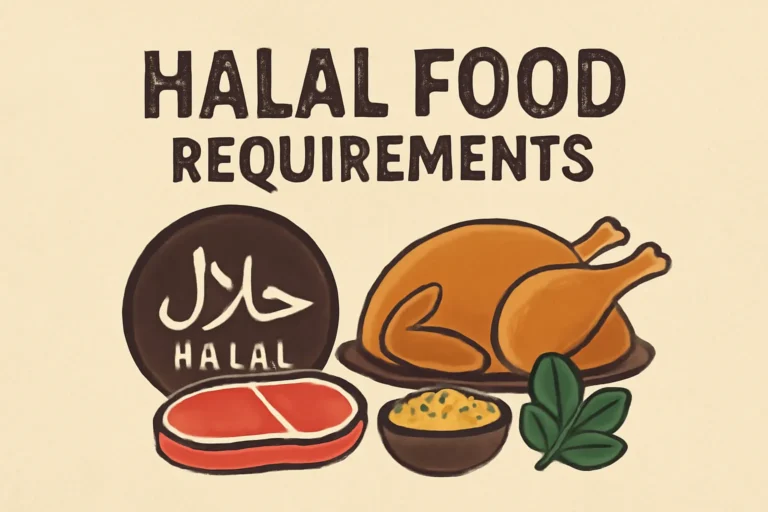
What Makes Chocolate Halal?
Ingredients and Processing
At its core, halal chocolate must be made with ingredients that are
permitted under Islamic law. This includes cocoa beans, sugar, and any additional
flavorings or fillings that do not involve prohibited (haram) components. The most
common concerns arise around:
Alcohol or alcohol-based flavorings, which are not permissible in many interpretations of dietary Halal.
Animal fats or gelatins derived from non-halal sources.
Enzymes or emulsifiers sourced from non-halal animals.
Non-kosher animal-derived ingredients that might be considered haram in some traditions.
In practice, many producers achieve halal-certified status by using
plant-based or synthetically derived emulsifiers, and by ensuring that any dairy
ingredients come from halal sources. The processing environment is also a factor:
cross-contact with haram substances should be controlled to protect consumers who
require strict adherence to halal guidelines.
Certification and Compliance
The certification of chocolate as halal signals that
a recognized authority has reviewed the product's ingredients, facility practices,
and labeling. A certified product typically carries an official halal seal and a
certificate number that can be verified with the issuing body. Look for any of the
following signals when evaluating a product:
A clearly displayed halal certificate or logo from a known certification body.
Product documentation or website information about certification validity and the scope (e.g., the entire product line or a specific item).
Transparency about ingredient sourcing and manufacturing controls.
It is important to understand that halal chocolate is not a single
product category but a set of guidelines applied to a wide array of cocoa products.
From single-ingredient dark bars to complex filled chocolates and seasonal confections,
the halal status depends on both ingredients and the production environment.
Halal Certification: How It Works
The Certification Process
Halal certification is a multi-step process that usually includes:
Submission of product formulations and supplier lists to a certified auditor.
Review of ingredient lists, processing aids, and potential cross-contact risks in the facility.
On-site inspections of production lines, storage areas, and packaging operations.
Sampling and laboratory testing when needed to verify absence of prohibited substances.
Issuance of a certificate and the right to display a halal seal on approved products.
The validity of certification varies, with some bodies offering annual renewals and
others providing longer terms subject to surveillance. For brands that operate in
multiple regions, you may see different logos or endorsements depending on the local
authority. Always check the certificate’s scope to confirm whether the entire product
line or a specific item meets your halal requirements.
Global Certification Bodies
Across the world, several well-known organizations issue halal certifications for halal chocolate and other cocoa products. While the names and logos
vary by region, the underlying standards emphasize:
Rigorous ingredient screening and supplier audits.
Traceability of all inputs, from raw cacao to flavorings and packaging.
Clear labeling guidelines and consumer-facing information.
If you are shopping in a particular country, it can be helpful to become familiar
with the local certification landscape. In some markets, a few trusted bodies dominate
the field; in others, a broader array of regional authorities exists. When in doubt,
contact the brand’s customer service to confirm the scope of their halal certification
and whether it covers your preferred product.
Ingredient Watchlist for Halal Chocolate
Dairy and Animal-Derived Ingredients
While dairy-free options can be halal, many chocolate products include milk, cream,
or dairy-derived fats. For halal-conscious shoppers, it’s important to confirm that:
Any dairy ingredients come from halal-certified sources, and
There is no cross-contact with haram ingredients in the manufacturing facility.
Alcohol and Flavorings
Some flavorings and extracts can contain alcohol or be produced via
fermentation processes that introduce ethanol. Halal-certified products will generally
avoid these ingredients or use alcohol-free flavorings. Always check the ingredient list
for terms like ethyl alcohol, spirit, or any descriptor that implies
alcohol content. Even trace amounts can be a concern for some consumers, so certification
often provides additional assurance.
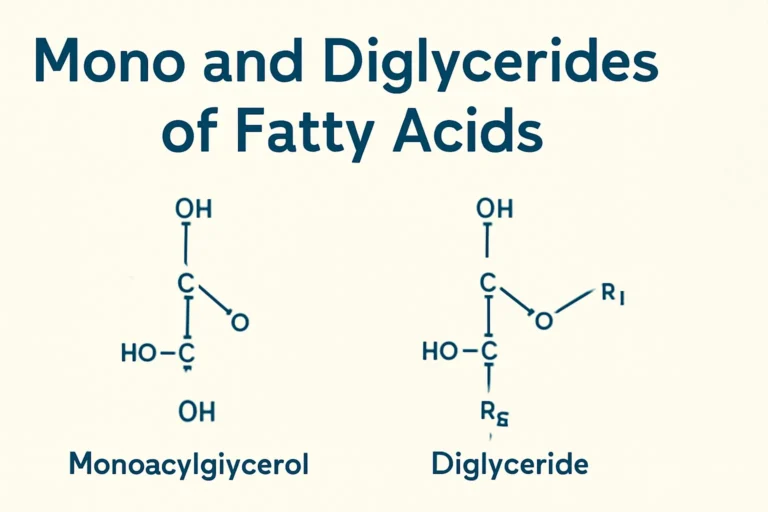
Emulsifiers, Gums, and Enzymes
Many chocolates rely on emulsifiers such as lecithin. If the lecithin is derived from
non-halal sources (e.g., certain animal fats), the product may lose its halal status.
Similarly, enzymes used in processing can be animal-derived. Reputable halal-certified
products disclose their sourcing and, when necessary, specify plant-based or microbial
alternatives.
Non-Animal Fats and Gelatin
Some confections incorporate gelatin or other gelling agents derived from animals. In
halal markets, you will often see gelatin-free formulations or gels made
from plant-based alternatives. When a product is labeled as gelatin-free, it
is not automatically halal; you should still verify the rest of the ingredient list and the
certification status.
Label Reading and How to Read a Package
Back-of-the-Label Cues
Reading labels carefully is essential for finding halal chocolate that
meets your standards. Key cues include:
Presence of a halal seal from a recognized organization with a certificate number.
Explicit mention of certified halal status on the packaging or in the product description.
Ingredient lists that avoid pork-derived components, gelatin, or non-halal animal fats.
Common Label Claims
Some phrases you may encounter:
Halal-certified chocolate
Permissible cocoa products
Sharia-compliant chocolate ingredients
Halal-friendly or halal-labeled confections
Beware of vague terminology or generic claims. If in doubt, consult the brand’s official
website for the certification scope or contact their customer support. A robust halal
program will provide clear documentation and accessible verification.
Top Tips for Shoppers
Choose products with a visible halal seal and a current certification period.
Prefer brands that publish detailed sourcing and manufacturing information.
When in doubt about a flavor variety or a limited-edition item, check the latest
certification status before purchasing.
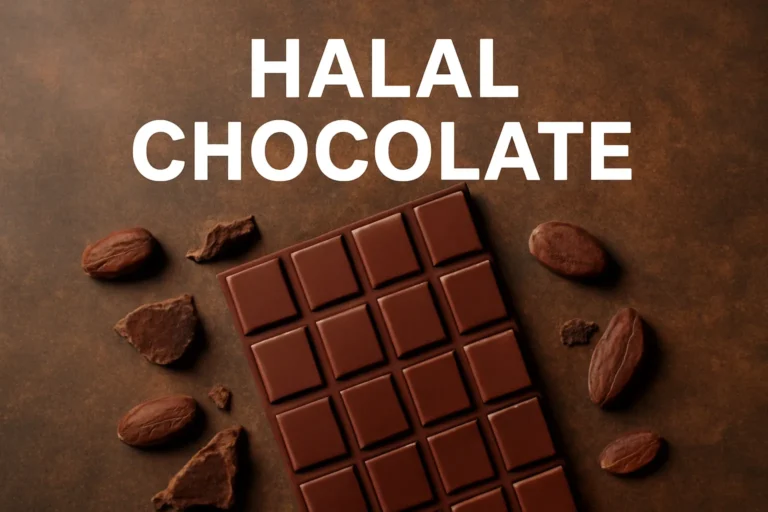
The world of halal chocolate spans a broad spectrum of products, from
simple bars to elaborate pralines. Depending on where you shop, you may encounter:
Dark chocolate bars that emphasize high cacao content and minimal additives.
Milk chocolate bars that rely on halal dairy sources and careful emulsifier choices.
White chocolate formulations that still follow halal guidelines for fat and flavorings.
Filled chocolates featuring nougat, caramel, fruit centers, or nut fillings—where the fillings are verified as halal.
Organic and fair-trade options that carry halal certification alongside other ethical labels.
Availability varies by region. In many markets, you will find dedicated halal sections in
supermarkets, as well as a growing range of halal-certified confectionery online. Some
brands also offer limited-edition halal chocolate gifts for holidays or
celebrations, which can be excellent choices for guests who observe halal dietary rules.
Regional Variations and Brand Examples
In Europe, North America, the Middle East, and Asia-Pacific, different brands may
emphasize different aspects of halal compliance. Common patterns include:
Allergen transparency and clear vegan-friendly options, which can align with halal expectations.
Certifications from regional halal authorities that understand local supply chains.
Partnerships with cacao farmers and co-ops that uphold ethical and halal-friendly sourcing.
Some brands have made a deliberate effort to harmonize labeling across markets, while
others tailor their certifications to specific regions. When selecting, consider both
the product’s certification and your personal understanding of what
constitutes halal compliance.
Choosing Halal Chocolate: Brands, Labels, and Trusted Signals
The goal of a careful consumer is to identify products that combine great taste with
clearly verified halal status. Here are practical strategies:
Prioritize halal-certified products with genuine seals.
Read ingredient lists for potential haram components and verify any ambiguous items with the brand.
Prefer companies that provide complete transparency about their ingredient sourcing and manufacturing controls.
Consider allergen and dietary restrictions in addition to halal status, such as dairy-free, vegan, or nut-free options.
To help you navigate, here are some considerations when evaluating a new halal chocolate brand:
Is there a current halal certificate for the product line, with a certificate number?
Are flavorings and natural flavorings halal-friendly or explicitly halal-certified?
Does the brand publish sourcing statements and facility controls relevant to halal adherence?
Are there customer-service channels for verification and questions about certification scope?
Variations of “Halal Chocolate” in Marketing Language
Marketers often use a range of phrases to describe the same concept. Variations you may
encounter include:
Halal-certified chocolate
Sharia-compliant cocoa products
Permissible chocolate or permissible cocoa treats
Islamically permissible chocolates
Halal cocoa products and halal cocoa bars
While the wording may vary, the underlying standard remains the same: ingredients,
processing methods, and labeling must align with halal guidelines and be verified by a
trusted authority. When a brand uses multiple terms, check for the actual certificate and
clear references to the certifying body to avoid confusion.
Frequently Asked Questions About Halal Chocolate
Can I eat dark chocolate that is labeled halal if it contains cocoa butter?
Yes, as long as the cocoa butter and other ingredients are halal and the production
environment prevents cross-contamination with haram substances. Dark chocolate often has
fewer additives, which can simplify halal verification, but always check the certificate
and ingredient list.
Alcohol-free flavors are acceptable in halal-certified chocolate when the
flavoring does not involve prohibited substances. If the flavoring is unclear, contact
the manufacturer or rely on the official halal seal as confirmation.
Not automatically. While many vegan products align with halal principles, halal-certified
status requires evaluation of all ingredients and sourcing, not just the absence of animal products.
How can I verify a halal certificate?
Look for the certifying body’s logo, certificate number, and an expiry date. Verify the
certificate on the issuing body’s website, and check whether it covers the exact product
and the production facility. If the seal seems ambiguous or outdated, treat it as a signal
to seek further confirmation.
Beyond snacking, halal chocolate is a fantastic ingredient for desserts and
treats. Here are several uses that showcase the versatility of halal cocoa products.
Melted halal chocolate for dipping fruits or creating glossy chocolate glazes.
Homemade trail mixes with halal-certified chocolate chunks and roasted nuts.
Gourmet hot chocolate drinks made with halal cocoa powder and dairy or plant-based milk.
Fruit-based desserts such as chocolate-covered dates, figs, or citrus segments for a contrasting flavor profile.
Baking with halal chocolate chips in cookies, brownies, or cakes to ensure every bite remains within dietary guidelines.
If you are hosting a gathering, choosing a selection of halal-certified chocolates
can help ensure all guests have safe, enjoyable options. You might curate a small tasting
featuring a few dark, milk, and white chocolate varieties, each clearly labeled with its
halal certification status.
Storage and Freshness Considerations
To maintain quality and halal integrity, store halal chocolate in a cool,
dry place away from strong odors that could be absorbed by the chocolate. Keep it sealed
to prevent cross-contamination with non-halal foods and to protect packaging from moisture.
Ethical and Quality Considerations in Halal Chocolate
In addition to halal status, many consumers care about ethical sourcing, environmental
responsibility, and fair labor practices. Balancing these values with halal certification
can be achieved through brand transparency and third-party certifications that cover multiple
standards.
Look for brands that publish sourcing statements about cacao farmers and cooperative models.
Seek certifications or audits related to fair trade, sustainability, and traceability.
Consider packaging and production environmental impact as part of your purchasing decisions.
A thoughtful consumer can combine halal certification with ethical labels to form a
comprehensive view of a product’s overall quality. When brands clearly communicate their
standards, it becomes easier to select items that align with both dietary and moral preferences.
The universe of halal chocolate is rich and diverse, offering something for every
palate—from intense dark chocolate explorers to fans of creamy, milk-based
confections, and from classic bars to modern halal-certified pralines. The
core ideas are straightforward: ensure that ingredients are permitted, verify the certification, and read labels carefully to avoid hidden non-halal components.
By understanding how halal certification works, what to look for on packaging,
and how to evaluate brand claims, you can confidently select products that satisfy both
flavor and faith. The landscape continues to evolve as producers respond to growing demand
for clear, reliable halal labeling and responsible sourcing practices.
Whether you are shopping for yourself, cooking for family or guests, or simply expanding
your repertoire of sweet treats, you can explore a broad, high-quality world of halal chocolate—a universe where taste meets trust, and delightful
cocoa experiences remain firmly within the boundaries of halal guidelines.



Deja una respuesta