In a global food landscape that blends traditions, cuisines, and evolving certifications,
many people seek a dietary framework that respects spiritual beliefs while promoting nutritional balance and wellness. The term Halel diet, a variant spelling often used in different communities, refers to a way of eating aligned with halal guidelines. This article offers a comprehensive overview of what a Halel diet entails, how to implement it in everyday life, and how to maintain a healthy, balanced approach to food. Although the word Halel is sometimes used interchangeably with Halal, we will explore variations like halel-style eating, halal-inspired nutrition, and Halel eating patterns to reflect semantic breadth and cultural nuance.
The goal of this guide, written in plain language, is not only to define the rules but also to provide practical strategies, meal plans, and shopping tips that help you sustain a long-term Halel diet or Halale-inspired lifestyle. Whether you are new to halal nutrition, seeking to improve your overall health, or looking for culturally respectful ways to approach food, this guide aims to be your reliable companion.
What is the Halel Diet?
Origins and Core Concepts
The Halel diet grows out of halal dietary laws that originate from religious and cultural traditions. In many communities, the focus is not simply on avoiding certain ingredients, but on embracing a way of eating that honors animal welfare, cleanliness, and ethical sourcing. A halal nutrition approach emphasizes:
Permitted foods (halal) and the avoidance of prohibited ones (haram).
Transparent certification and clear ingredient lists on packaged products.
Minimizing cross-contamination with haram substances.
Balanced meals that prioritize whole foods, fiber, lean protein, and healthy fats.
While the term Halel is used here to reflect variations in spelling and regional practice, the underlying principles align with the broader Halal diet framework. Readers may encounter different terminology in stores and on packaging, but the essential idea remains: eat foods that are permitted, prepared in a clean way, and nourishing for the body.
Key Principles of Halal Nutrition
A successful Halel diet hinges on several core principles that help you build healthy habits while respecting religious guidelines. These principles also support a broader audience interested in safe, ethical eating.
Certifications and trustworthy labeling: Seek halal-certified products or clear ingredient disclosures to avoid doubts about haram components.
Ethical sourcing: Favor suppliers that demonstrate humane animal welfare practices and responsible farming.
Clean preparation: Prevent cross-contamination with non-halal ingredients by using separate equipment or thoroughly cleaned surfaces.
Balanced nutrition: Prioritize a mix of complex carbohydrates, lean protein, healthy fats, and abundant fruits and vegetables.
Moderation and variety: A diverse plate reduces nutrient gaps and supports sustained energy levels.
Food Categories: What to Eat and What to Avoid
Permitted Foods (Halal) and Healthy Choices
The Halel diet supports a wide range of foods that are either naturally halal or certified halal. Here are practical categories to guide your shopping and cooking:
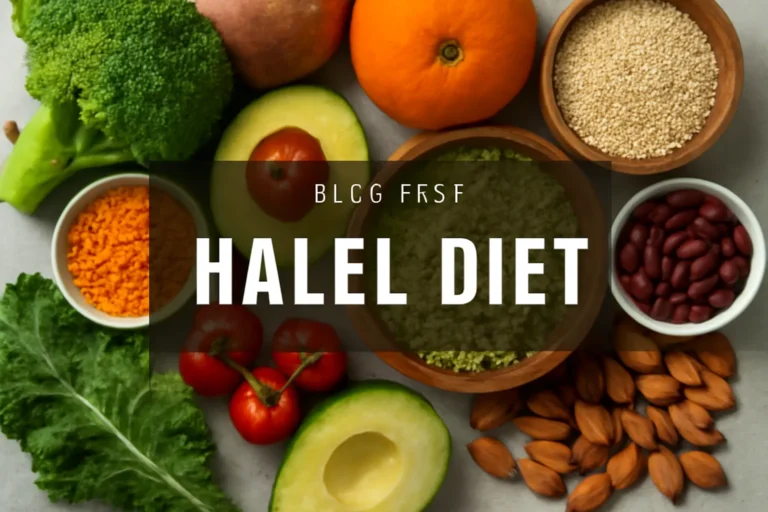
Fruits and vegetables in abundance, including leafy greens, citrus, berries, and seasonal produce.
Legumes (beans, lentils, chickpeas) for plant-based protein and fiber.
Nuts and seeds as healthy fats and micronutrient sources.
Dairy products and eggs from halal-certified sources (check for rennet and enzyme sourcing if applicable).
Meat and poultry that are halal-certified or prepared according to halal slaughter practices, with no haram additives.
Seafood generally falls under halal, though some schools of thought differ on shellfish—check your tradition or community guidance.
Healthy fats (olive oil, canola oil, avocado oil) and seasonings that are free from alcohol and non-halal ingredients.
Herbs and spices for flavor enhancement without relying on alcohol-based extracts.
A practical approach is to plate meals that resemble a balanced meal from any healthy diet while ensuring the meat and processed ingredients stay halal-certified and free from haram components.
Foods to Avoid or Limit (Harām Components)
The Halel diet also outlines substances and combinations that should be limited or avoided to stay aligned with halal principles:
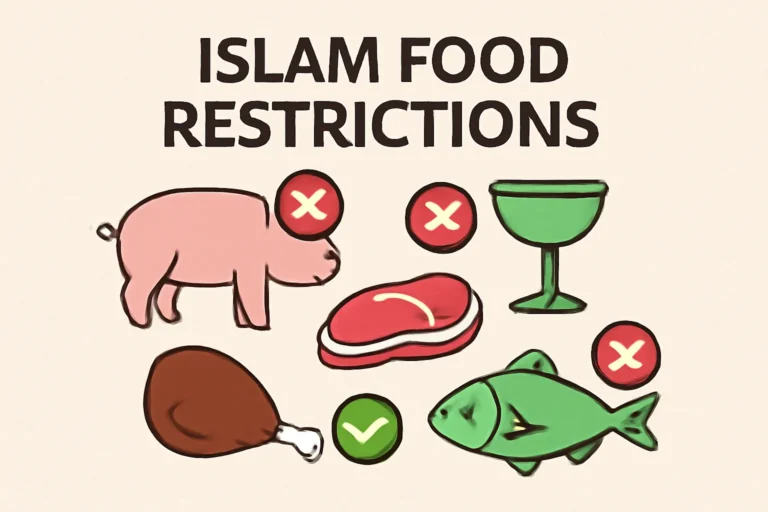
Pork and pork by-products in any form, including gelatin, enzymes, or flavor enhancers derived from pork.
Alcohol in drinks or in cooking where it cannot be fully driven off during preparation.
Blood or meat from animals not slaughtered according to proper halal criteria.
Cross-contamination with non-halal foods in kitchens, utensils, or food processing environments.
Unspecified processing aids such as certain emulsifiers, stabilizers, or gels that may be derived from haram sources.
Practical Tips for Reading Labels and Shopping
Reading labels is a key skill in maintaining a Halel diet. Here are a few practical tips:
Look for halal-certification logos from recognized organizations on meat, dairy, and processed products.
Check for potential haram additives such as pork-derived gelatin or alcohol in sauces, flavorings, or extracts.
When in doubt, contact the manufacturer or opt for products with transparent ingredient lists and clear halal statements.
Prefer fresh, whole foods when possible to reduce label interpretation challenges.
Meat, Poultry, and Seafood: Halal Slaughter, Certification, and Preparation
Meat and poultry represent a central component of many Halel dietary patterns. The handling, processing, and origin of animal products matter as much as the ingredient lists.
Halal-certified meat ensures the animal was slaughtered according to Islamic law, with humane practices and proper blessing (Zabiha) in many traditions.
Seafood is widely accepted as halal, but regional nuances exist; if you follow a particular school of thought, verify any exceptions.
Cross-contamination prevention is crucial in processing plants and kitchens; use separate cutting boards, utensils, and storage for halal and non-halal products when possible.
Water and sauces used with meat should be free of alcohol and haram additives; prepare marinades with halal ingredients and avoid non-halal flavor enhancers.
For many families, a practical approach is to incorporate halal-certified meat a few times a week, complemented by plant-forward meals that emphasize legumes, vegetables, and whole grains. This not only aligns with halal guidelines but also supports heart health, weight management, and sustained energy.
Nutrition in Practice: Building a Halel Diet that Feels Nourishing
Macronutrient Balance in Halal Eating
A well-rounded Halel diet focuses on a balanced distribution of macronutrients:
Protein: essential for growth and repair. Include halal-certified animal proteins (chicken, beef, lamb), fish, eggs, and plant-based options like beans and lentils.
Carbohydrates: prioritize complex carbs from whole grains, fruits, vegetables, and legumes to sustain energy and fiber intake.
Fats: emphasize healthy fats from olive oil, nuts, seeds, and fatty fish, while limiting saturated fats from processed foods.
In practice, aim for meals that combine all three macronutrient groups, along with a generous portion of vegetables. This approach supports satiety, stable blood sugar, and long-term weight management.
Micronutrients and Special Considerations
A faithful Halel diet should also ensure adequate micronutrients:
Iron, zinc, and B12 from halal-certified animal products or fortified foods.
Calcium and vitamin D from dairy or fortified alternatives, especially for those who avoid dairy.
Folate, fiber, and antioxidants from a variety of vegetables, fruits, and whole grains.
If you follow a vegetarian Halel diet, you can obtain many nutrients from legumes, leafy greens, nuts, and fortified foods. Some individuals choose supplements—particularly for B12 or iron—but consult a healthcare professional before starting any supplement regimen.
Practical Meal Planning: A Real-World Halel Diet
Weekly Menu Framework
A realistic plan helps you stay consistent. Here is a simple framework you can adapt:
Breakfasts: hearty, protein-rich options (eggs, yogurt with fruit, oats with nuts) and fresh fruit.
Lunches: salads with lean protein, whole grains, and colorful vegetables, or bowls with quinoa, chickpeas, and roasted vegetables.
Dinners: a mix of halal protein, vegetables, and a whole grain or legume-based side dish; include a seafood option 1–2 times per week if desired.
Snacks: fruit, nuts, yogurt, hummus with vegetables, or whole-grain crackers with cheese.
The key is to create meals that are both satisfying and culturally appropriate, while keeping your pantry stocked with halal-friendly staples.
Sample One-Week Halel Meal Plan
The following is a flexible example to illustrate variety and balance. Adjust portions to your needs and activity level.
Day 1: Breakfast: Greek yogurt with berries and honey; Lunch: lentil soup; Dinner: grilled chicken, quinoa, steamed broccoli; Snack: apple with almonds.
Day 2: Breakfast: avocado toast on whole-grain bread; Lunch: chickpea salad with cucumbers and tomatoes; Dinner: baked salmon, brown rice, roasted carrots; Snack: cucumber slices with hummus.
Day 3: Breakfast: oats with banana and walnuts; Lunch: falafel wrap with tahini; Dinner: beef kebabs (halal), bulgur, tabbouleh; Snack: dates and cheese.
Day 4: Breakfast: smoothie with spinach, yogurt, and mango; Lunch: quinoa and black bean bowl; Dinner: shrimp (if halal) or chicken stir-fry with vegetables; Snack: roasted chickpeas.
Day 5: Breakfast: boiled eggs, tomato, and whole-grain bread; Lunch: lentil and vegetable stew; Dinner: turkey meatballs, whole-wheat pasta, tomato sauce; Snack: orange segments.
Day 6: Breakfast: cottage cheese with pineapple; Lunch: tuna salad sandwich (ensure tuna is halal-certified); Dinner: roasted lamb, couscous, grilled zucchini; Snack: yogurt with nuts.
Day 7: Breakfast: smoothie bowl with berries and seeds; Lunch: roasted vegetable plate with quinoa; Dinner: fish curry with coconut milk and rice; Snack: dates and almonds.
Shopping, Label Reading, and Kitchen Practices
Smart Shopping List for Halel Living
Building a reliable shopping list helps you stay on track. Consider including:
Halal-certified meats and seafood
Whole grains, legumes, and oats
Fresh produce of all colors
Nuts, seeds, and healthy fats (olive oil, avocado)
Dairy products from halal-certified sources
Herbs, spices, and flavorings free from alcohol or non-halal preservatives
Label Reading Toolkit
When you read product labels, keep these questions in mind:
Is there a halal certification on the packaging or a reliable halal statement?
Are there any haram ingredients such as pork derivatives, blood, or alcohol?
Is the source of enzymes, gelatin, or emulsifiers clearly identified and halal-friendly?
Is there potential cross-contamination risk in facilities or packaging?
Reality: A Halel diet can be vibrant, flavorful, and diverse. By emphasizing a wide range of plant-based foods, spice blends, and halal-certified proteins, you can enjoy meals with rich flavors while staying true to your guidelines.
Myth: Halal certification is only about religious compliance
Reality: Certification often serves as a practical signal of quality assurance, ingredient transparency, and sourcing integrity that benefits all consumers, including those seeking cleaner labels and ethical sourcing.
Myth: Halal means all processed foods are off-limits
Reality: Many processed foods can be halal if they carry reliable certification and do not include haram additives. The focus is on ingredient lists, manufacturing practices, and supplier diligence.
During pregnancy and early childhood, a Halel approach emphasizes nutrient-dense foods, adequate iron, folate, calcium, and protein. Emphasize lean proteins, leafy greens, fortified dairy or substitutes, and safe seafood choices. Always consult with a healthcare professional for individualized advice and ensure that food safety practices are strictly followed.
Athletes and Active People
Athletes following a Halel eating pattern may prioritize higher protein intake, adequate carbohydrates around workouts, and hydration. Halal-certified protein sources, portable snacks, and well-timed meals help sustain performance. Consider meal timing around training sessions and choose foods with glucose-stable energy and anti-inflammatory fats.
Common Mistakes and How to Avoid Them
Even well-intentioned people make missteps when adopting a Halel diet. Here are frequent pitfalls and simple fixes:
Relying too heavily on processed halal foods—balance convenience with whole foods like vegetables, legumes, and whole grains.
Ignoring label accuracy—always verify halal certification and avoid vague or unverifiable claims.
Overlooking hydration and fiber—include water-rich fruits and vegetables and stay mindful of fiber intake to prevent digestive discomfort.
Neglecting variety—rotating proteins, grains, and vegetables prevents nutrient gaps and keeps meals interesting.
If you’re starting a Halel diet from scratch, use this simple, practical plan:
Define your goals: weight management, energy, or disease prevention, and align them with halal guidelines.
Audit your pantry and fridge for haram ingredients and replace them with halal-certified alternatives.
Set up a weekly meal plan that emphasizes plant-forward dishes and halal protein sources.
Stock a flexible shopping list with staple halal items and quick-cook options.
Prepare in batches: cook larger portions of grains and legumes, freeze portions, and use leftovers creatively.
Track progress and adjust portions, timing, and food variety as needed.
Conclusion
The Halel Diet is more than a set of rules; it is a practical, culturally aware, and scientifically informed approach to eating that can be healthy, flexible, and sustainable. Whether you prefer the term halal diet, halal-style nutrition, or the more specific Halel eating pattern, the core ideas remain the same: eat foods that are halal-certified, emphasize whole foods, and build meals that nourish body and soul. By embracing the principles of halal nutrition, you can enjoy flavorful meals, support long-term health, and respect your values—whether you are navigating daily meals, family gatherings, or special occasions.




Deja una respuesta